Natalia Osipova: A Study in Power and Precision
Natalia Osipova is a dancer whose presence is defined by an uncommon mixture of explosive technique and theatrical force. Trained at the Moscow State Academy of Choreography and launched at the Bolshoi Theatre, she built an international profile by pairing fearless virtuosity with an unusually wide repertory.
Understanding Osipova matters because her career traces a modern model of a ballerina who moves fluidly between the old classics and demanding contemporary work, making power and precision a single artistic language.
What defines this dancer
Osipova is distinctive for the way her technical fireworks—high, explosive jumps and fiercely clean turns—are married to an intense dramatic instinct. That pairing has been central to her reputation from the Bolshoi to major companies in Europe and beyond.
What this article explains
- How training and company choices framed Osipova's stylistic profile.
- Which movement qualities and repertory types reveal her strengths.
- Why critics and audiences linked virtuosity with theatrical urgency in her work.
First visual and artistic impression
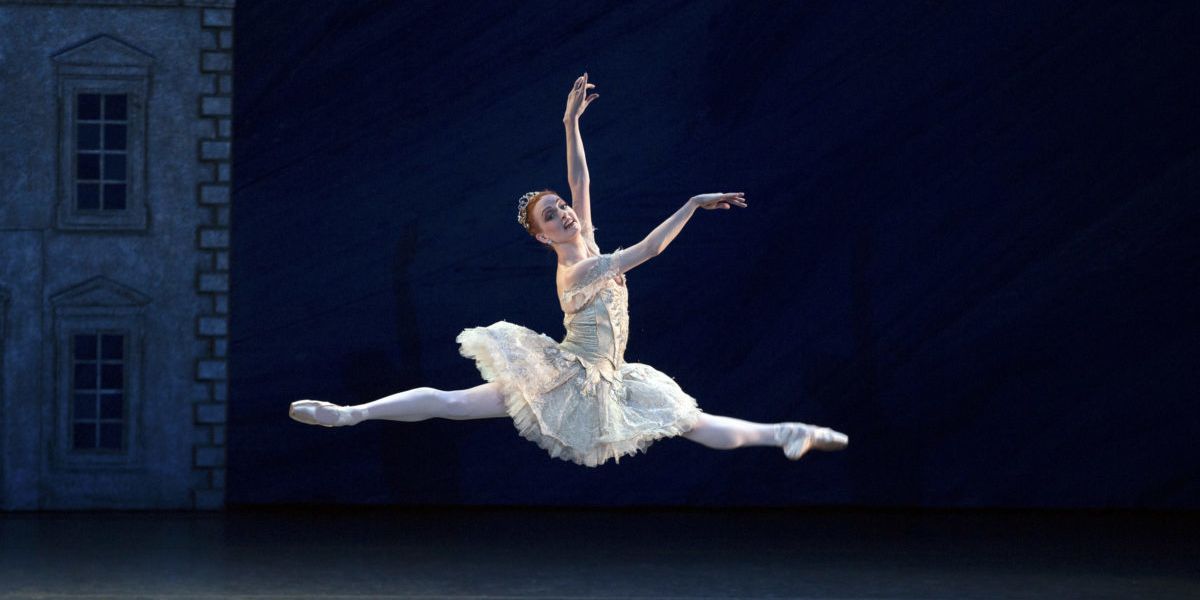
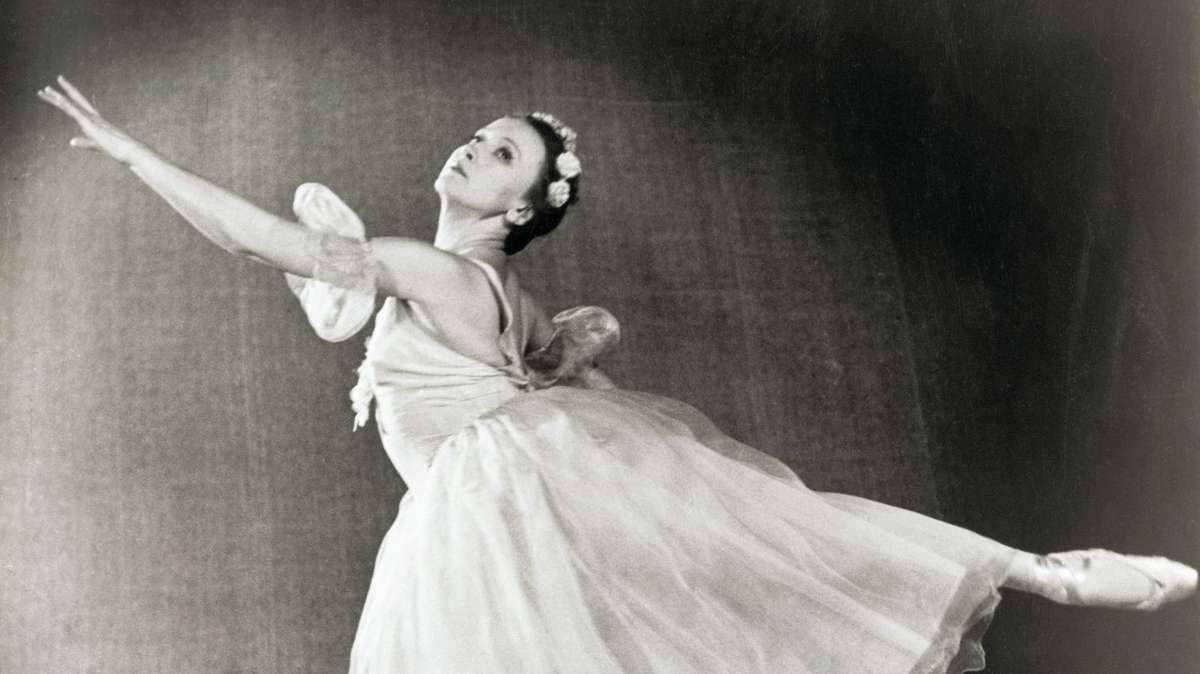
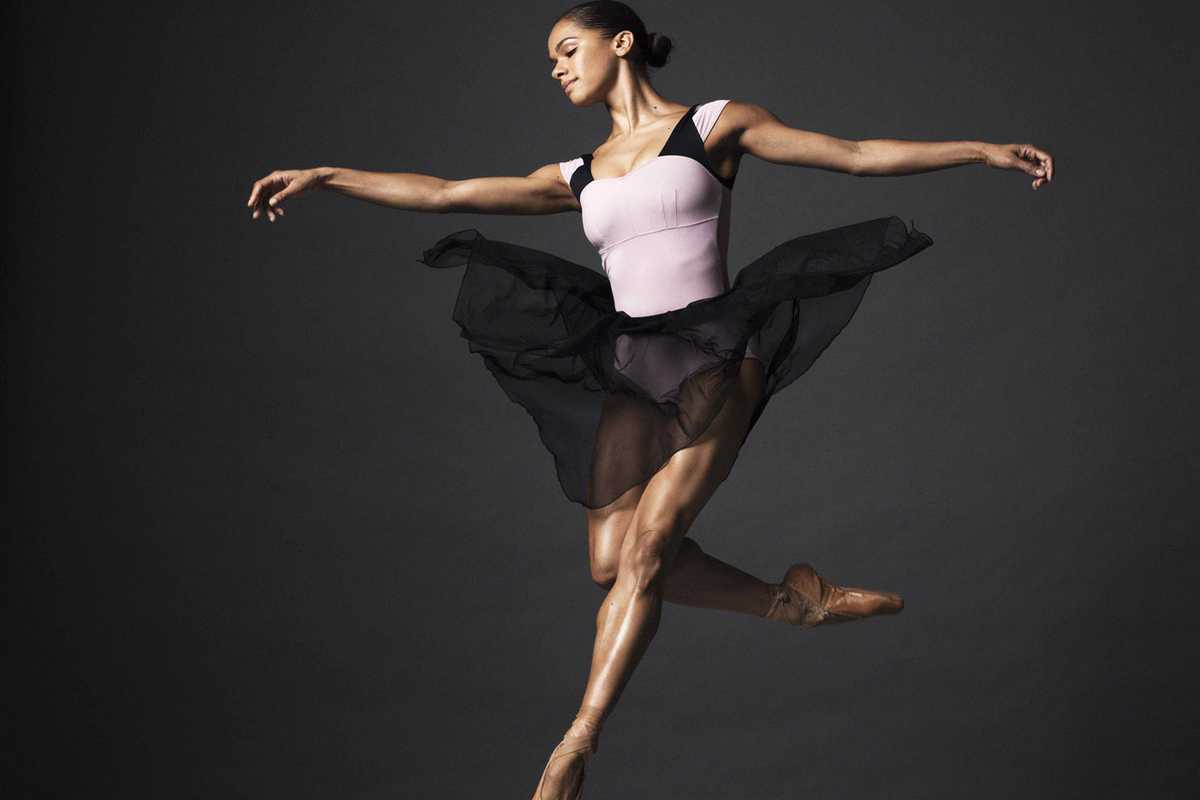
On first sight Osipova reads as both volatile and exact. Critics consistently note an immediate sense of physical command: a dancer who can sell an audacious moment without sacrificing clarity. This early impression matters because it frames audience expectations—what follows is read through a lens of power, whether in a classical pas de deux or a contemporary solo.
Line, port de bras, and movement quality
Osipova's training at the Moscow State Academy of Choreography and her formative years at the Bolshoi provided a base of rigorous classical technique. Observers highlight her explosive elevation and crisp turns as technical hallmarks. Equally important is how she shapes phrases: attack and release often replace languid suspension, so port de bras and épaulement are indexed to dramatic punctuation rather than lingering lyrical smoothing.
Stage presence and dramatic power
Journalists and reviewers regularly describe Osipova's stage persona as intensely dramatic. Her performances tend to foreground psychological immediacy—theatrics that read as both honest and calibrated. That theatricality amplifies technical moments, converting virtuoso passagework into statements of character rather than mere display.
Roles and repertoire associations
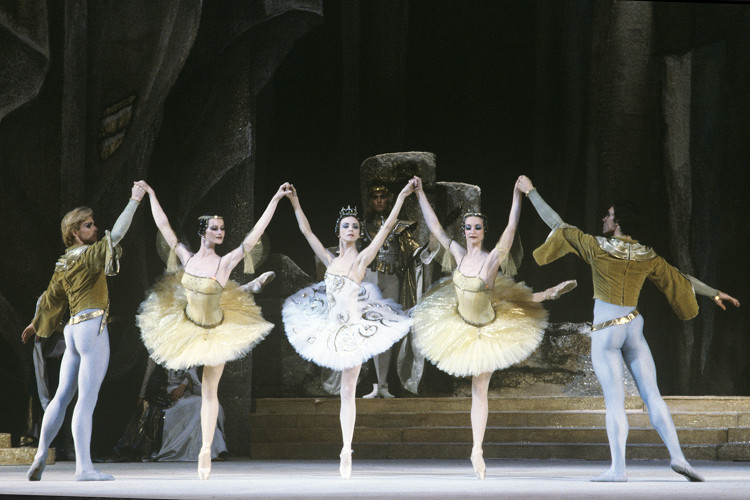
Osipova's range is unusually broad in modern practice. Her repertory includes central classics—Giselle, Swan Lake, Don Quixote (Kitri), La Bayadère—and demanding narrative roles such as MacMillan’s Anastasia, alongside contemporary pieces. Critics point to this mix as a key reason for her international visibility: she is equally at home in the codified gestures of 19th-century ballet and the physical directness of newer choreography.
Career turning points and artistic context
Osipova's professional pathway is telling. After training at the Bolshoi school and beginning her career at the Bolshoi Theatre, she left the company in 2011 and joined the Mikhailovsky Ballet in St. Petersburg. From there she extended her international presence through guest appearances, including work with American Ballet Theatre, before signing a permanent contract with The Royal Ballet in April 2013. Those moves illustrate a transition from a single-company star to a transnational principal whose career choices reinforced both repertory breadth and global recognition.
What made Osipova distinctive
Beyond technical brilliance, Osipova's distinctiveness rests on synthesis: she translates high-risk virtuosity into character work. Where some dancers present virtuosity as athletic display, she uses it dramaturgically. Her repertory choices—classical roles that require purity of line and contemporary parts demanding visceral honesty—underscore a rare versatility. That combination is what critics cite when they attribute to her a reputation for both power and interpretive nuance.
Why the legacy endures
Osipova endures in ballet conversation because she represents a late-20th/early-21st-century ideal: the ballerina equally adept at classical technique and contemporary edge. Documentary coverage and international press attention, including a film portrait, have helped codify her image. More substantively, the lasting impression comes from performances that convinced audiences and critics that virtuosic fireworks and deep character work need not be contradictory.
Closing interpretation
Natalia Osipova's career is a case study in how modern stardom in ballet is built. Training within a classical tradition gave her the tools; selective career moves and a repertoire that spans the canonical and the new gave her the platform; and a consistent artistic approach—marrying explosive technique to theatrical intent—created a durable identity. In that sense she matters not just as a memorable performer but as an example of how power and precision can be integrated into a singular stage voice.
Author: William L.