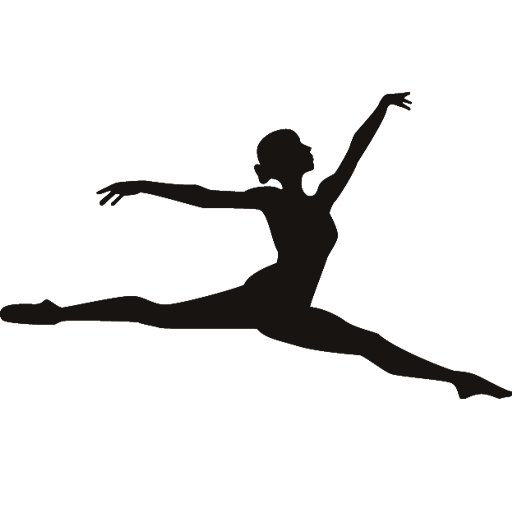
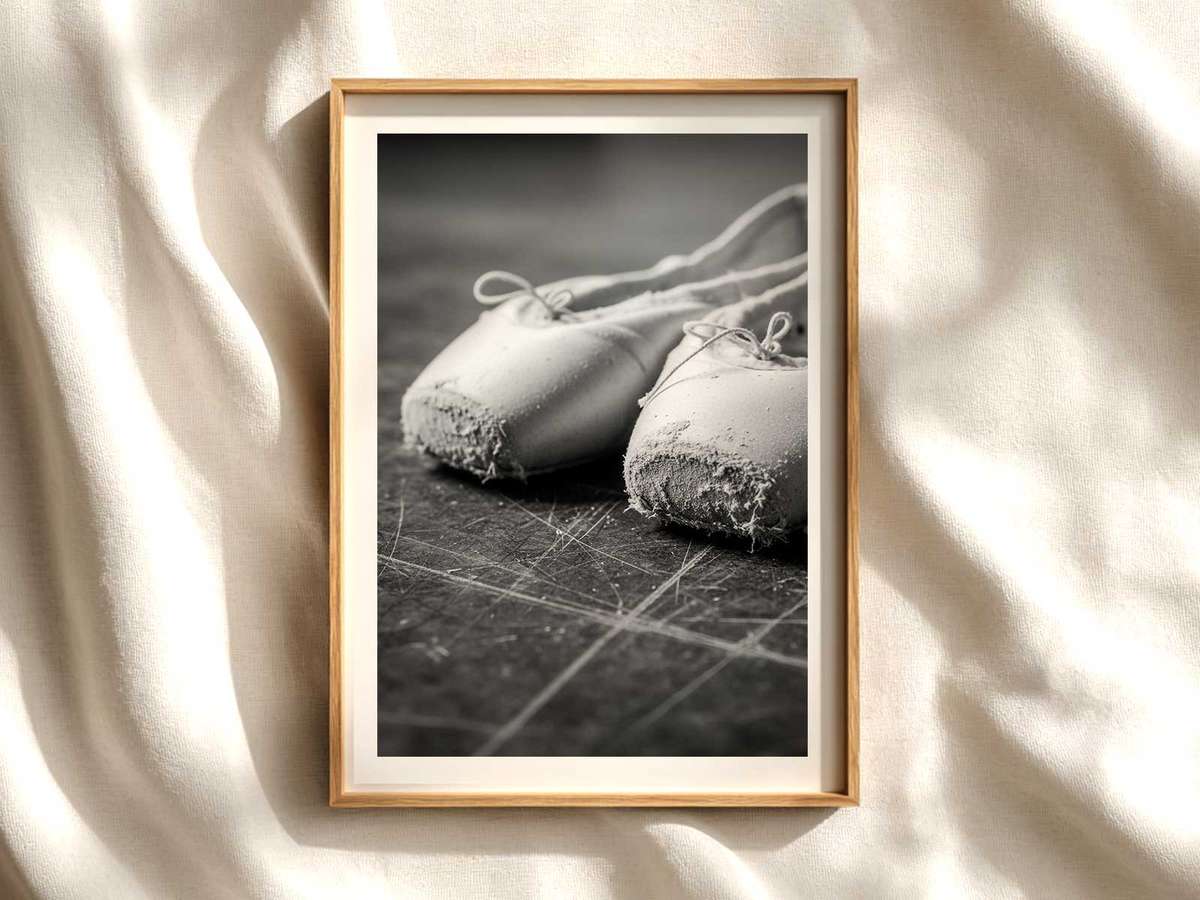
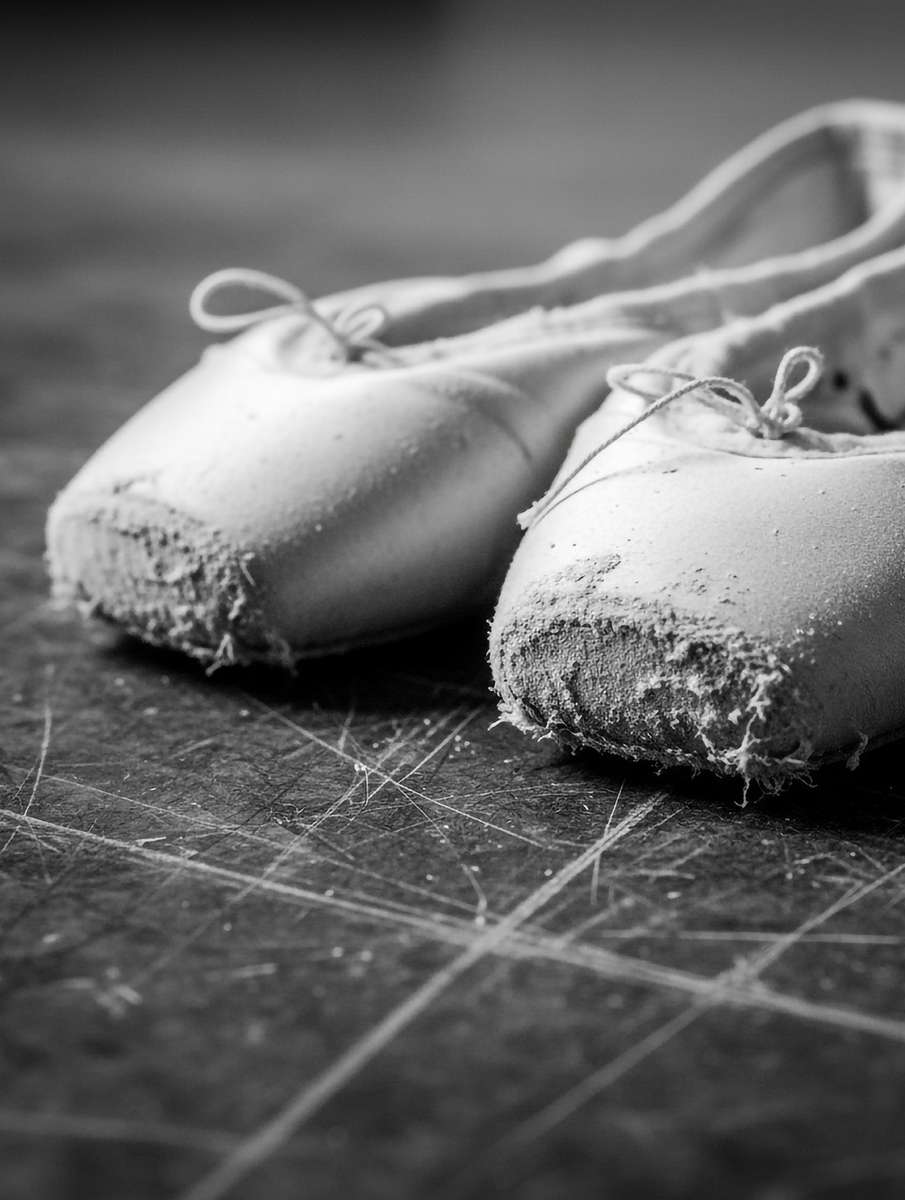
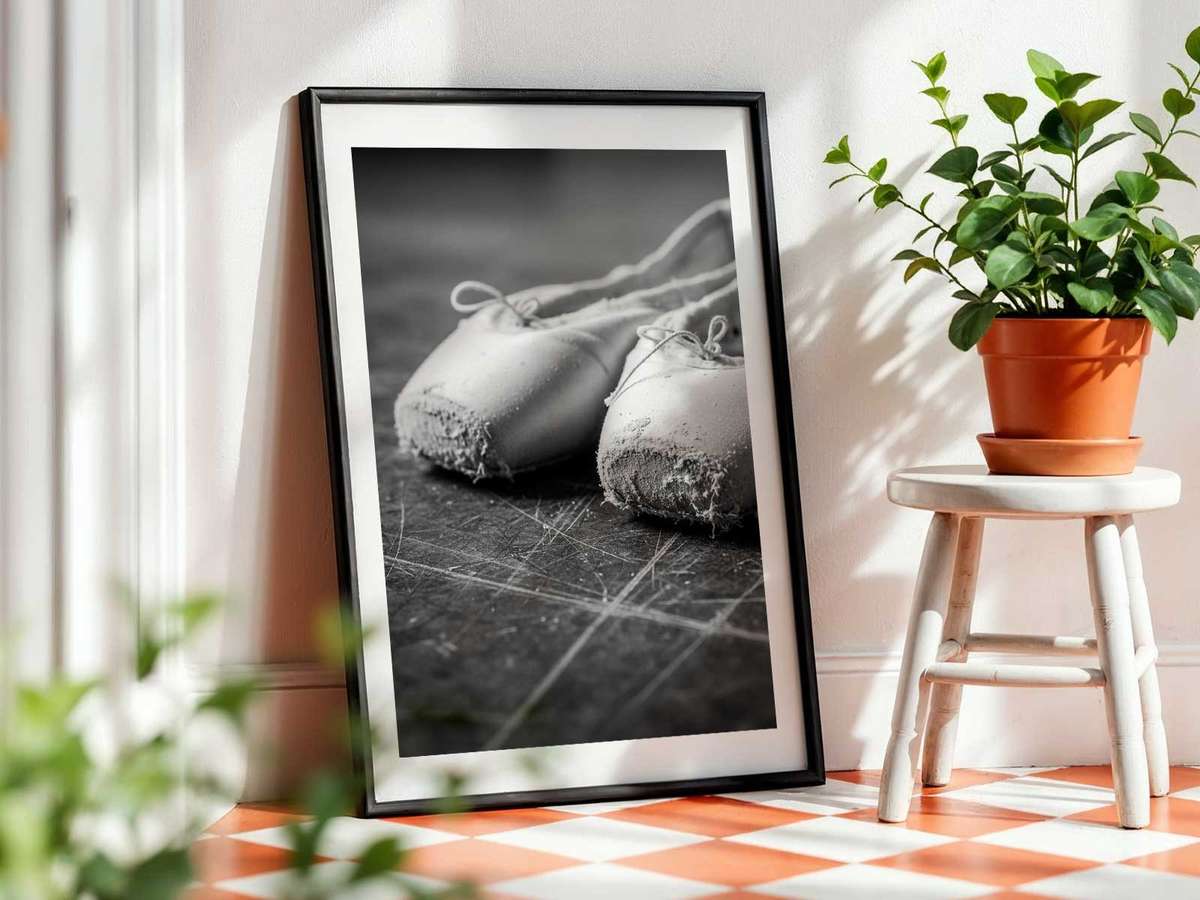
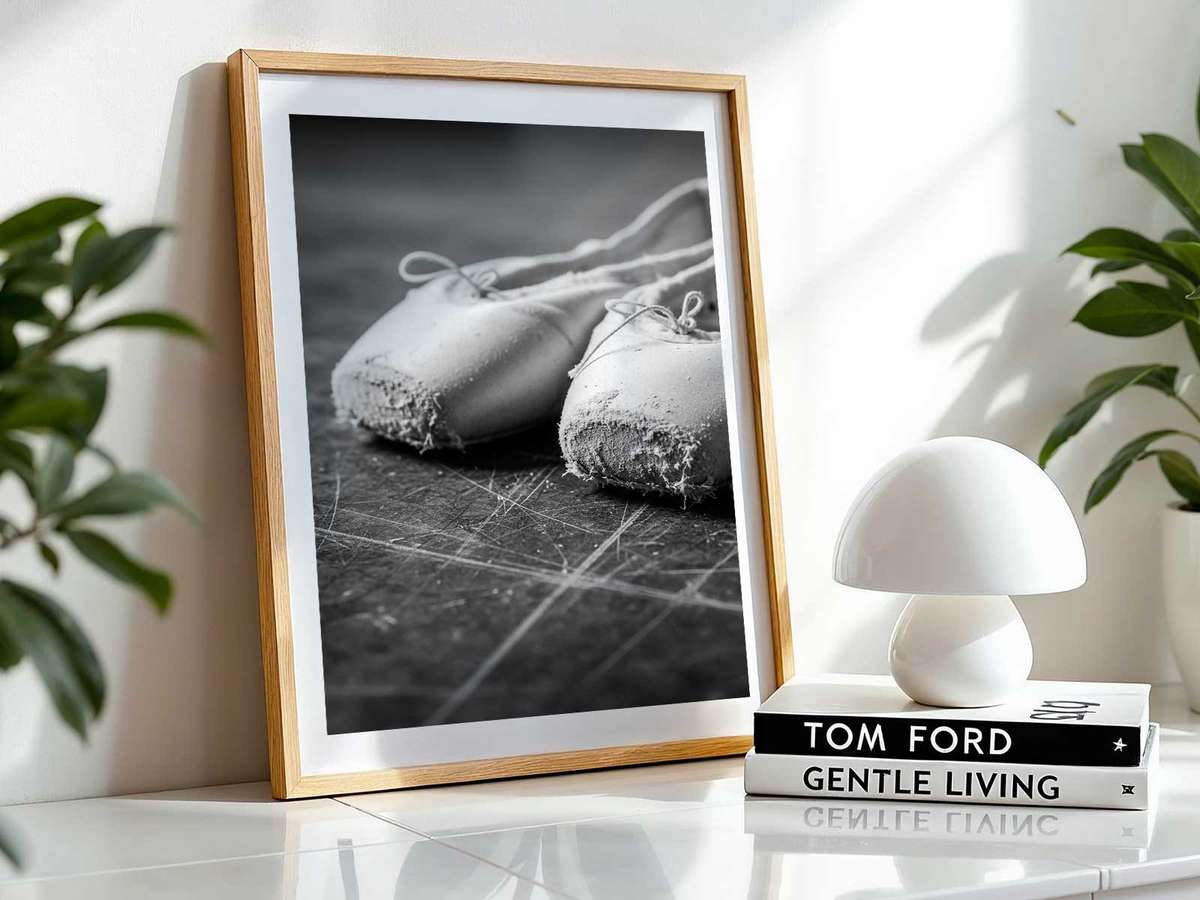
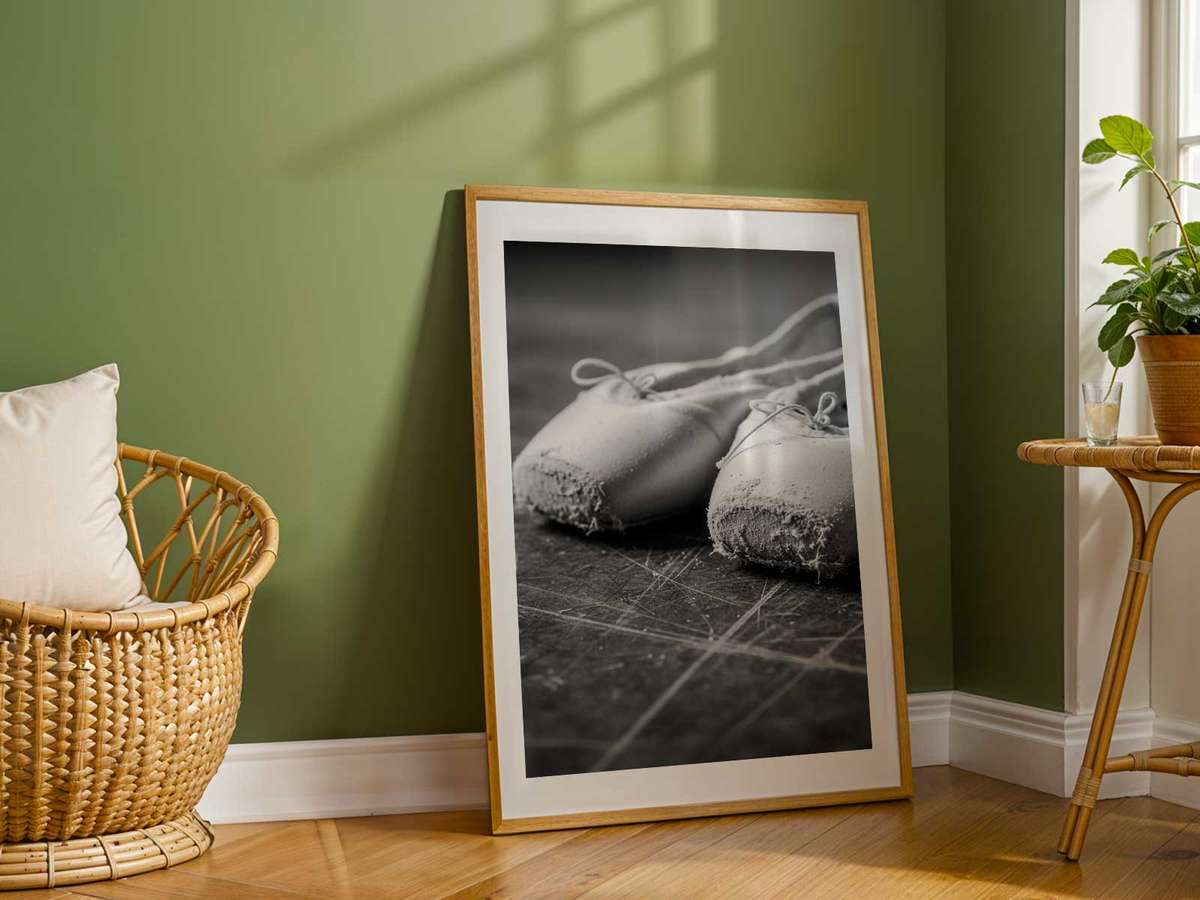
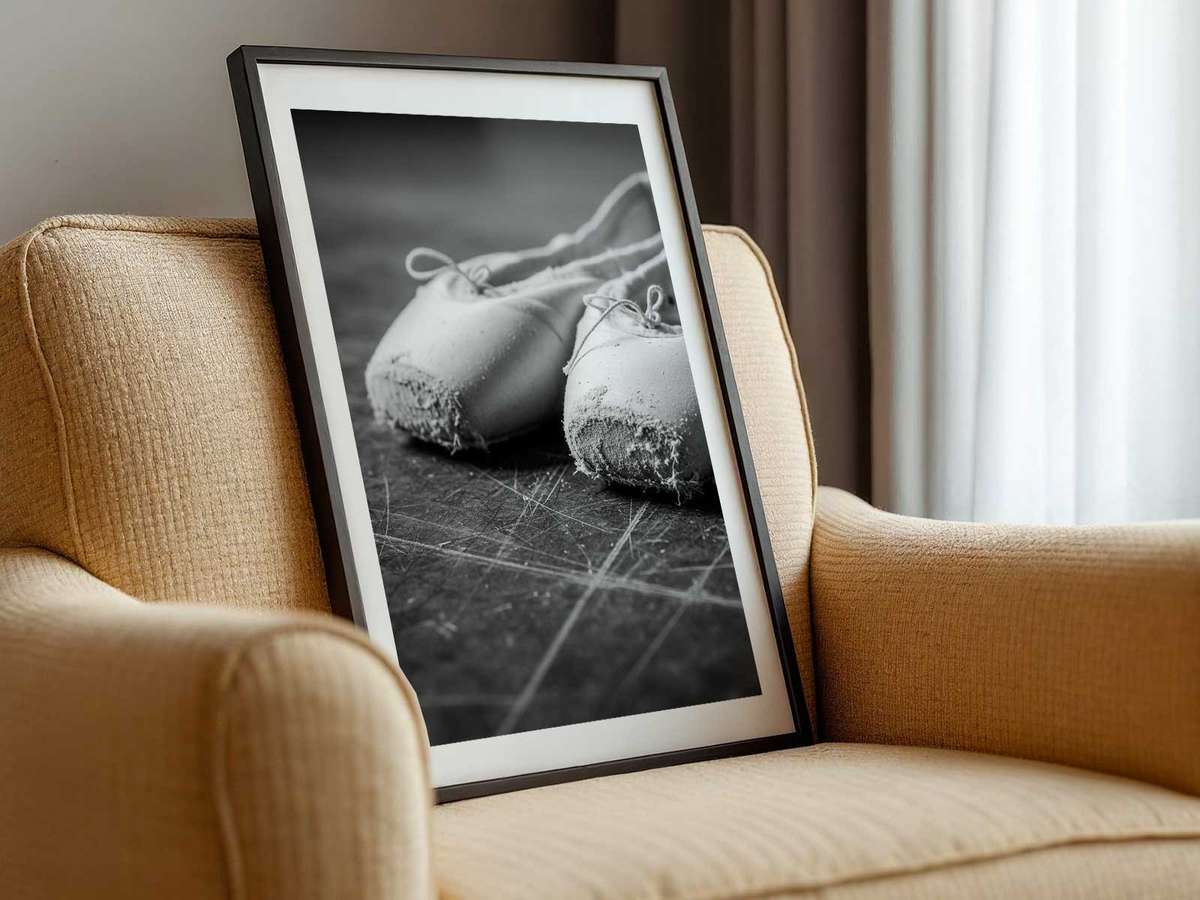
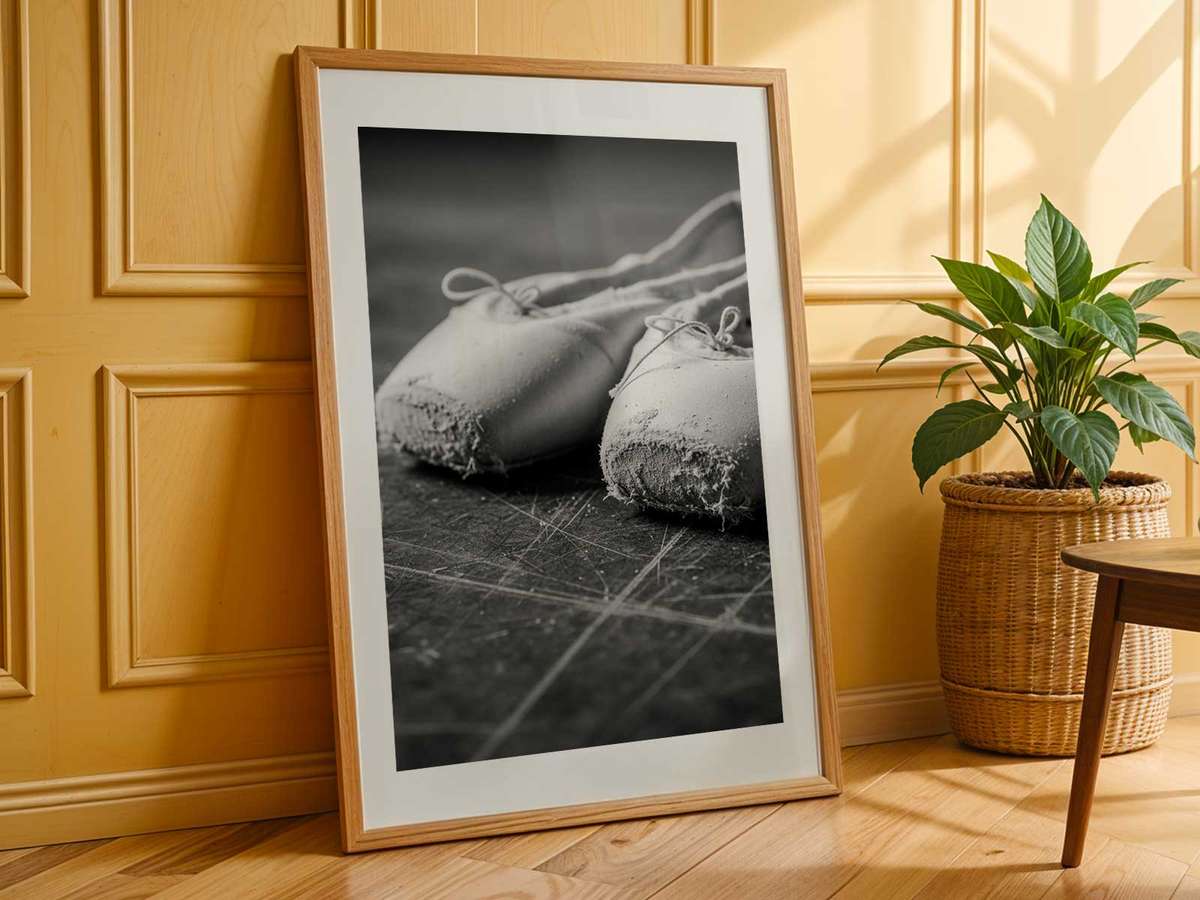
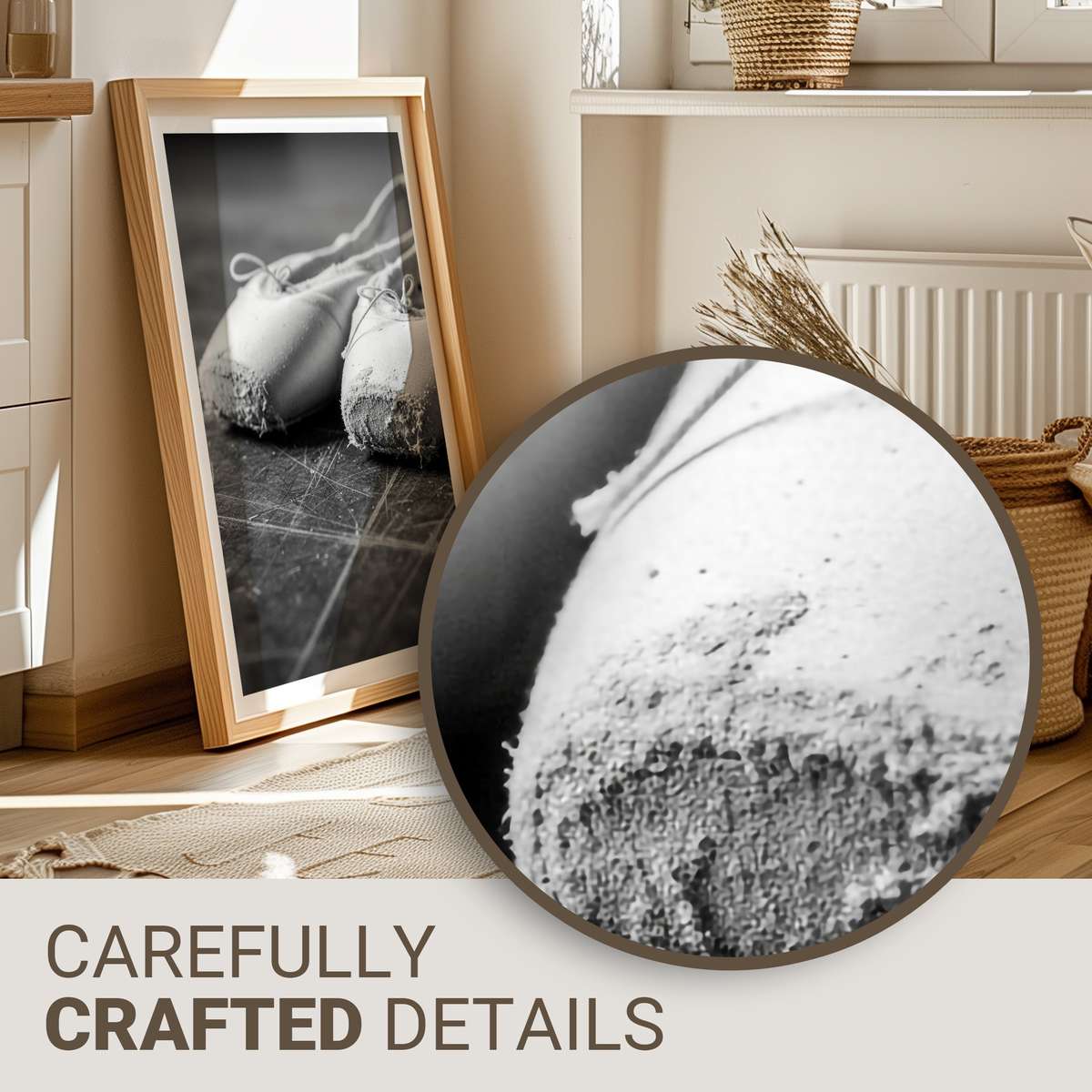
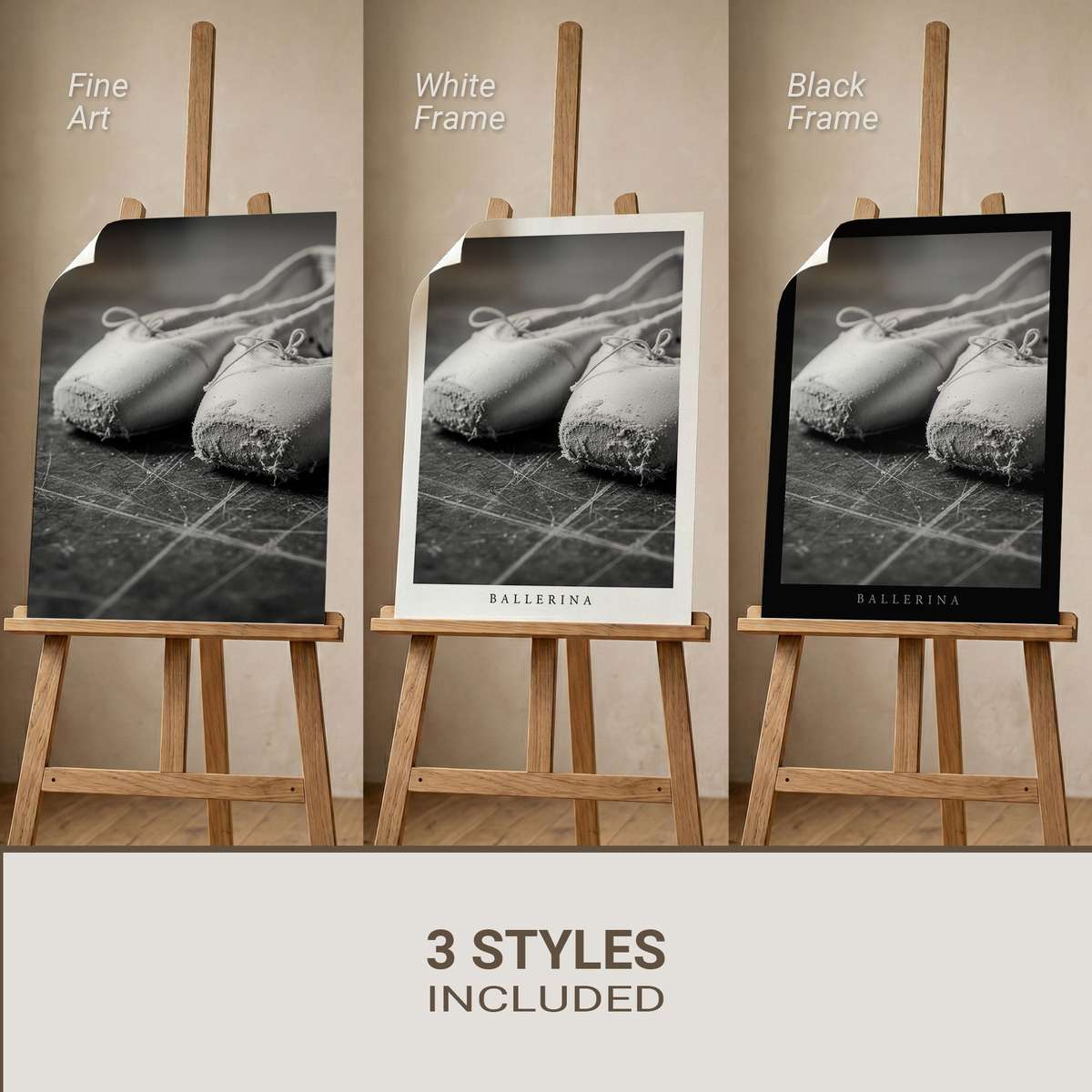
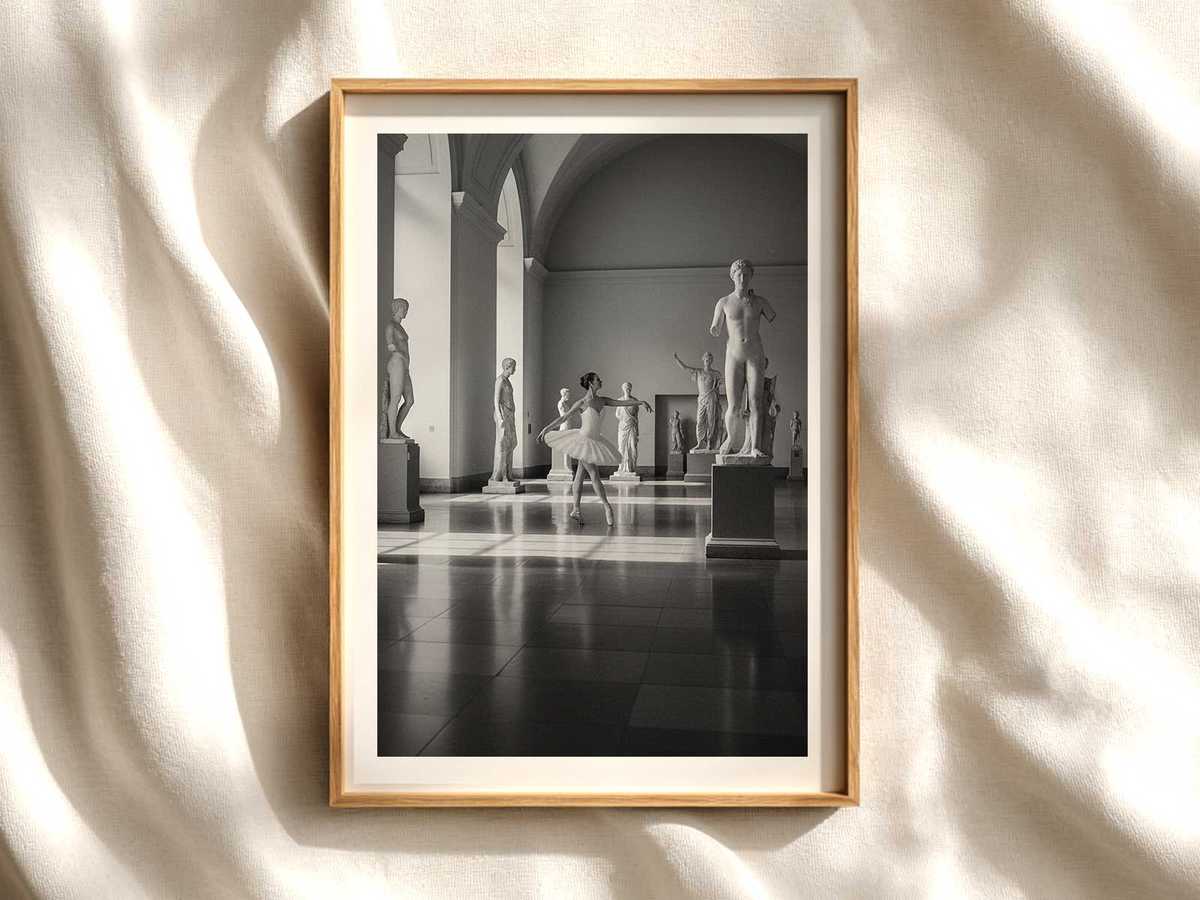
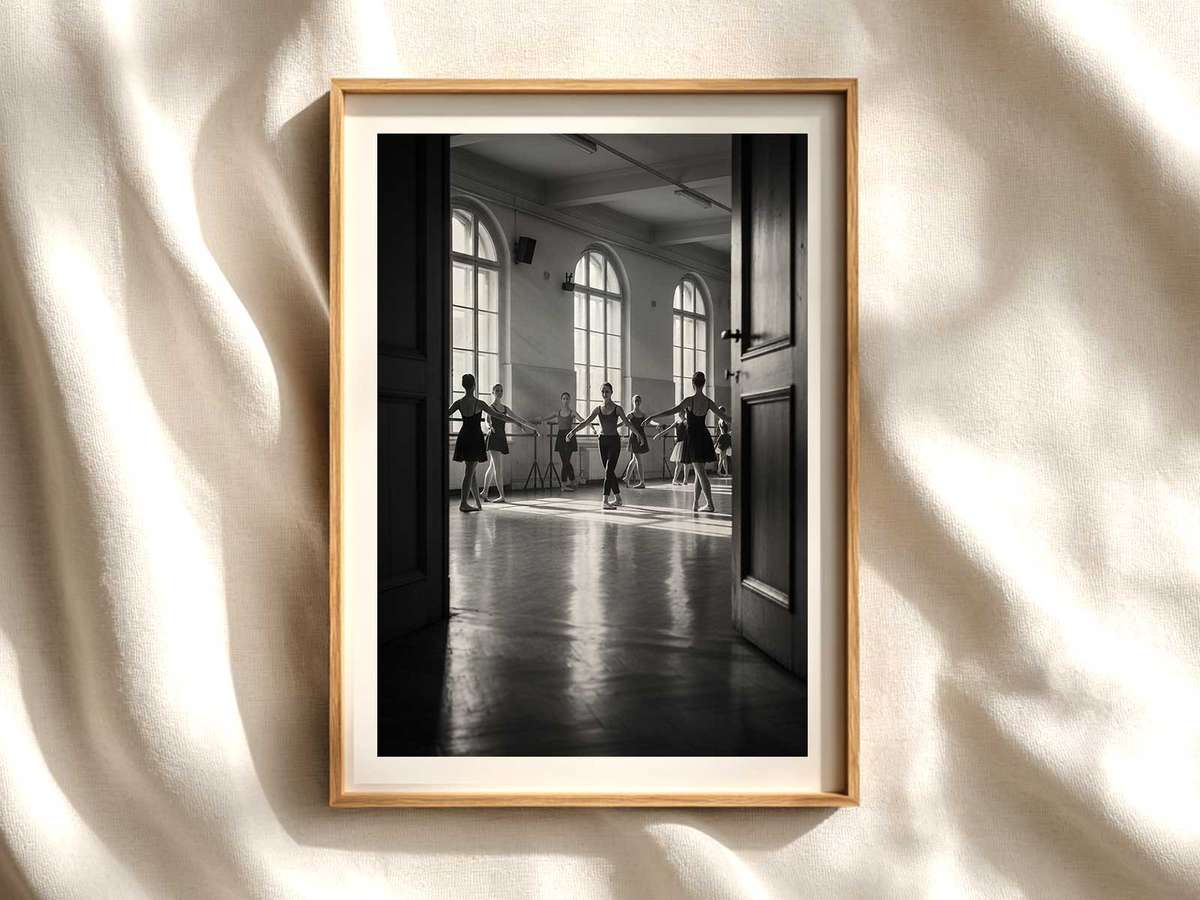
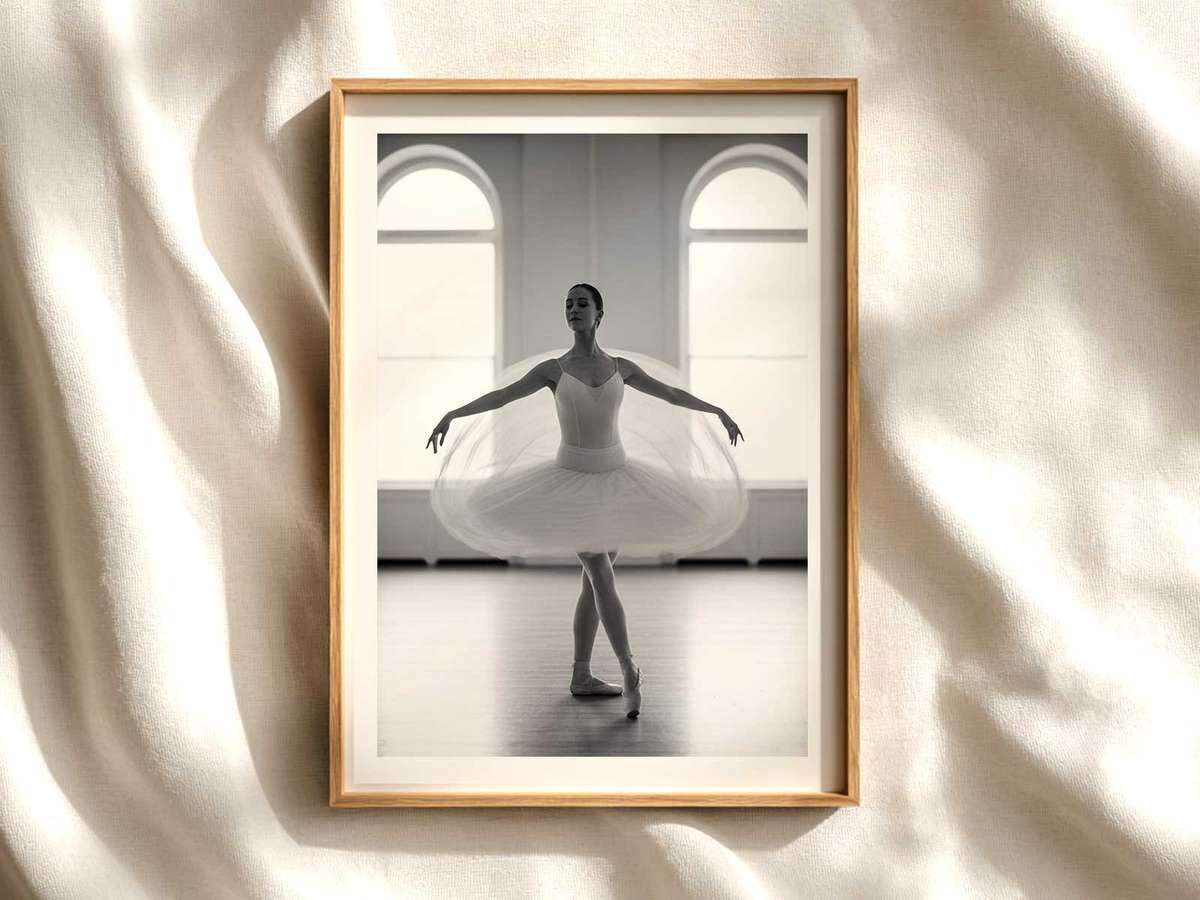
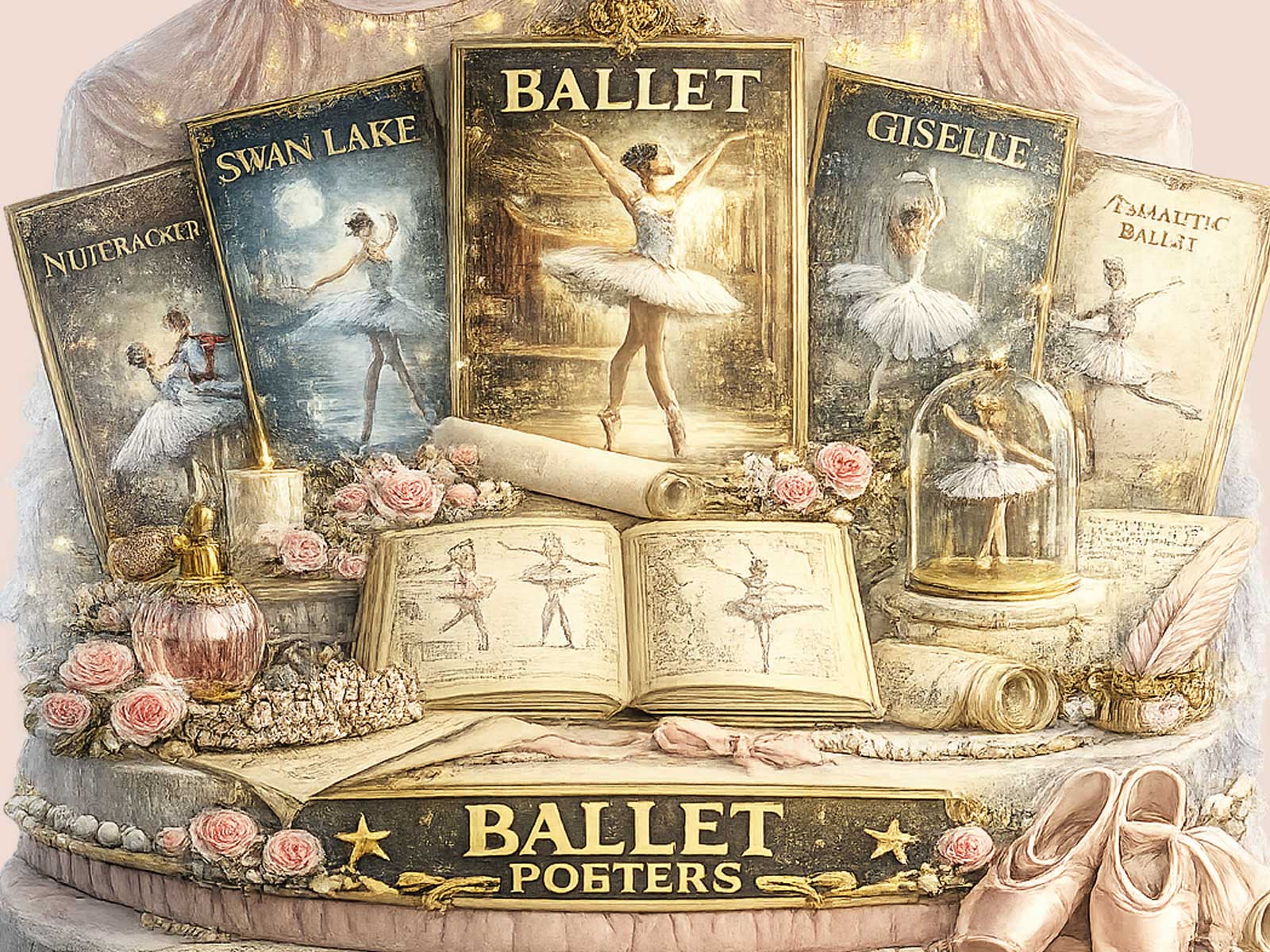
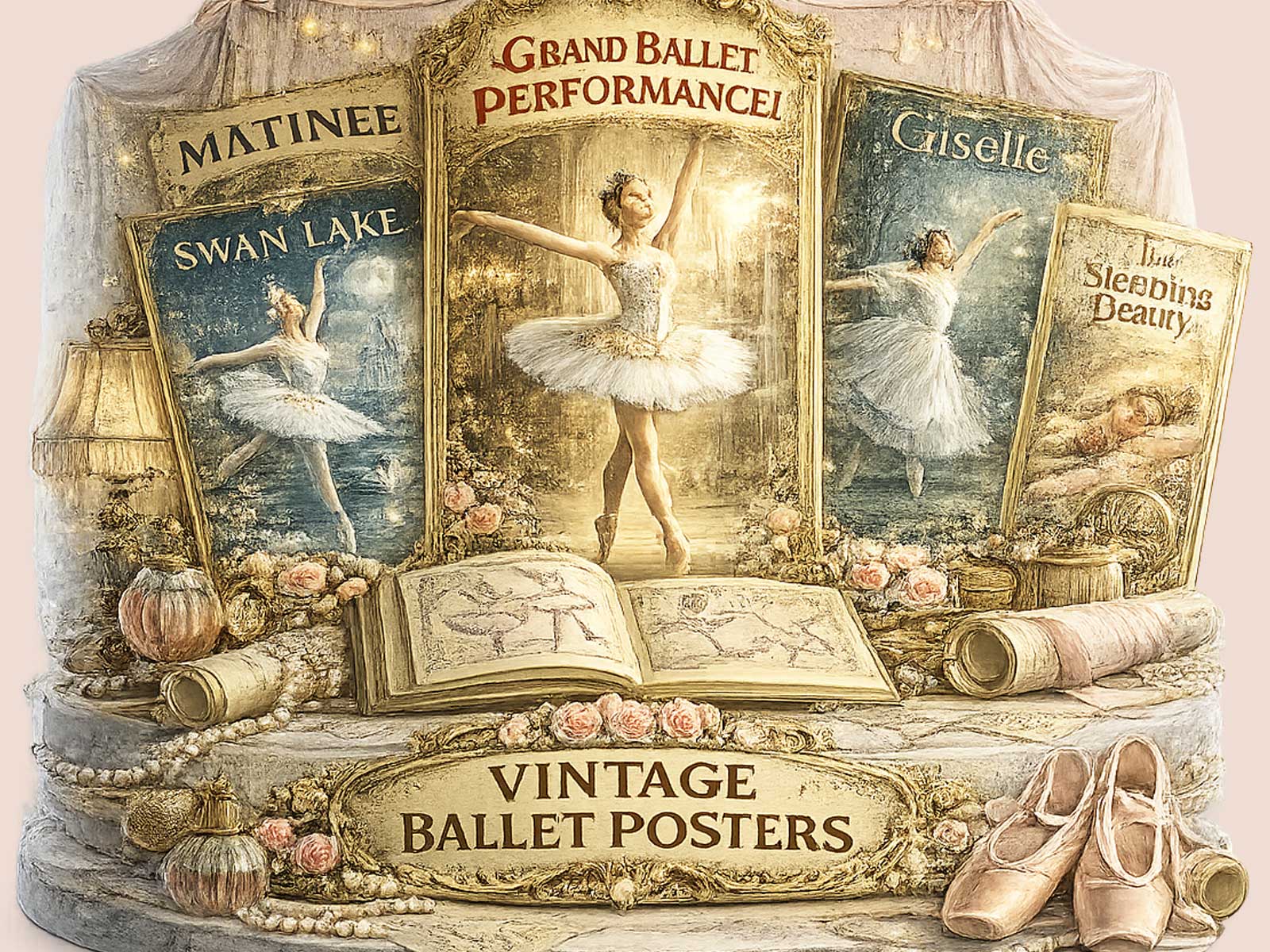
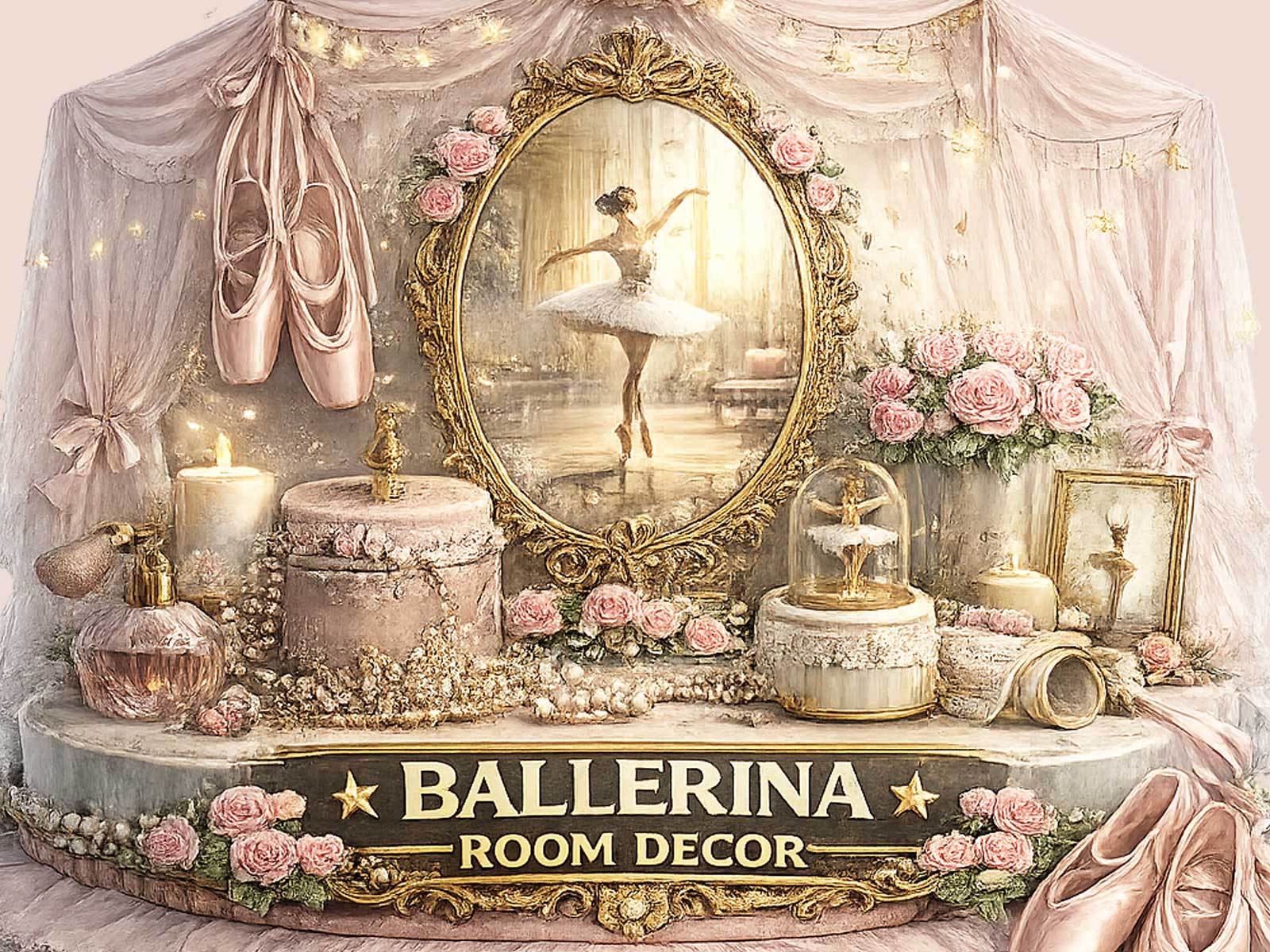
The first thing you notice is geometry: the hard, triangular point of the pointe shoe counterpoints the long, sculpted line of the leg, and a deliberately restrained costume keeps the eye focused on form. This ballerina print refuses ornament; the dress acts as a measured frame rather than a distraction, so the composition reads immediately as a study in line and balance. The result is an image whose visual intelligence feels both intentional and quietly theatrical.
Where costume becomes part of the line
Here the costume’s simplicity does a precise job. A clean bodice and a softly pared-down skirt trim the silhouette so the leg’s extension reads uninterrupted from hip to pointe. The fabric does not billow or gather in decorative cascades; instead it falls close enough to suggest volume without obscuring the limb it frames. That proximity makes the costume an extension of the dancer’s geometry: its edge aligns with the hip and waist, reinforcing the upward pull of the torso and the downward precision of the foot.
Because the dress keeps its own visual restraint—no flounces, no heavy pattern—the eye travels along uninterrupted planes. The pointe becomes a focal node: the sharpness of the shoe tip against the softer curve of the ankle creates a visual cadence. This small contrast—hard point to soft line—gives the poster its quiet tension and makes the pose feel resolved rather than decorative.
Soft structure, strong visual presence
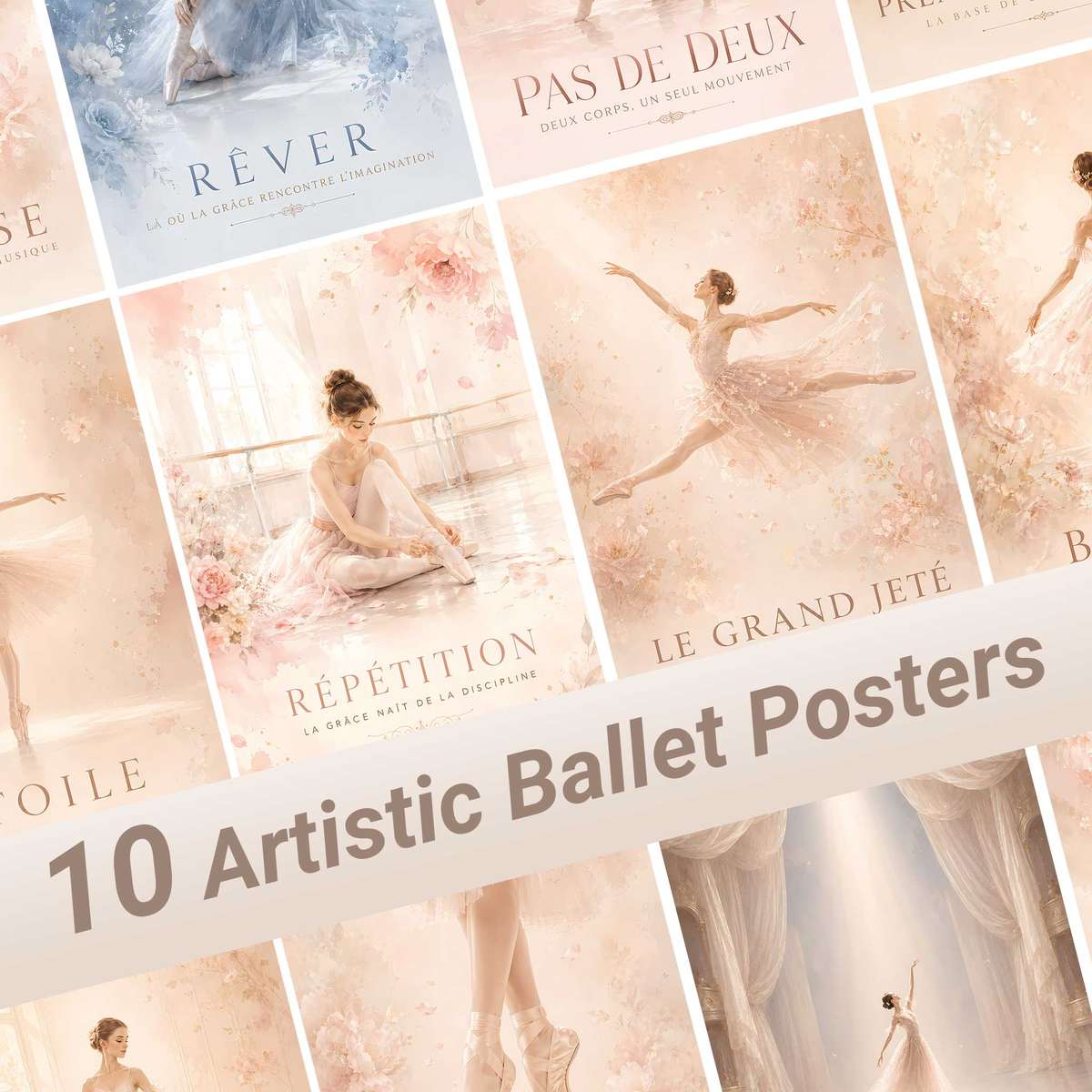
The fabric’s behaviour here is specific: it suggests weight without demanding it. Where the skirt opens slightly, it reads as controlled diaphragm, a shallow arch that broadens the silhouette just enough to balance the leg’s verticality. Where the fabric clings, it subtly models muscle and bone, turning anatomical detail into decorative rhythm. Tonal restraint in the palette—muted neutrals with a single accent or two—keeps the composition composed, so the poster reads calmly from a distance yet rewards closer inspection with delicate shifts in shadow and fold.
On the wall this print functions like a small architecture of posture. It offers a vertical emphasis that can anchor a room without overpowering it: the pronounced leg line lends height to a low-ceiling space, while the costume’s trimmed shape matches the tidy proportions of modern interiors. In a bedroom or a dressing studio the image acts as a visual shorthand for discipline and poise; in a living room it brings a cultivated, figurative calm that complements textured fabrics and simple furniture.
Ultimately the appeal is compositional rather than anecdotal. The poster does not ask you to admire a costume for its embellishment nor to linger on narrative; instead it invites you to study how costume and body collaborate to create an image where line is the subject. For anyone who values visual economy—where each fold, seam and rest point has a role—this ballerina print reads as a lesson in restraint and an object of sustained, elegant attention.