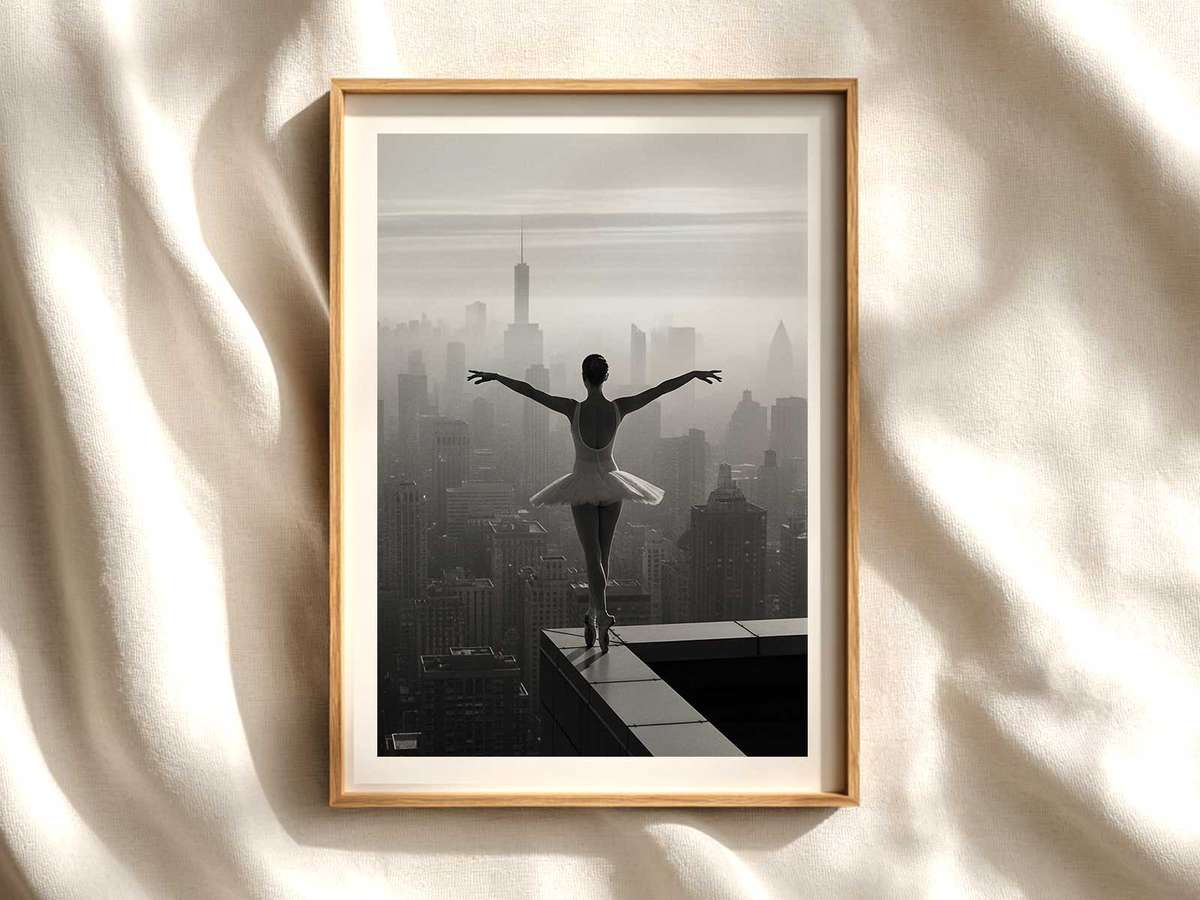
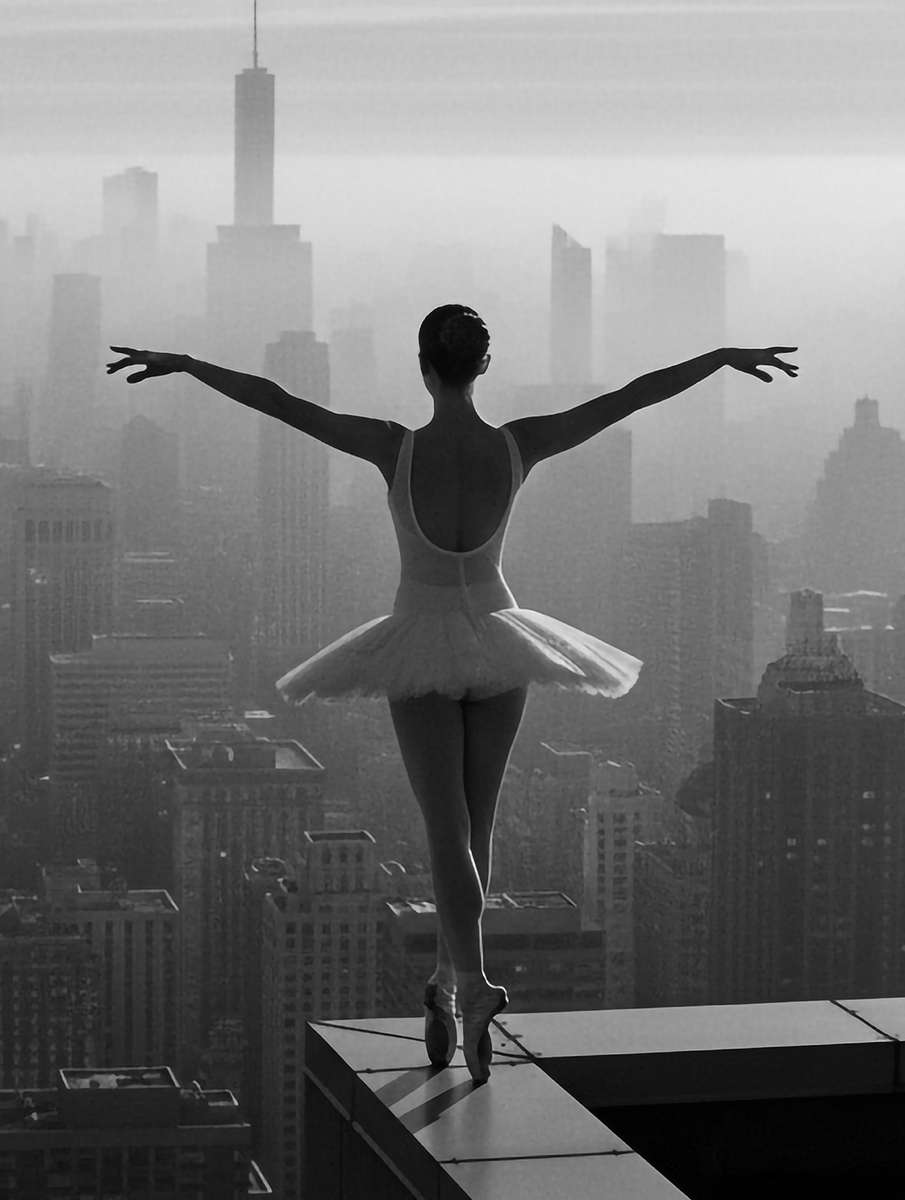
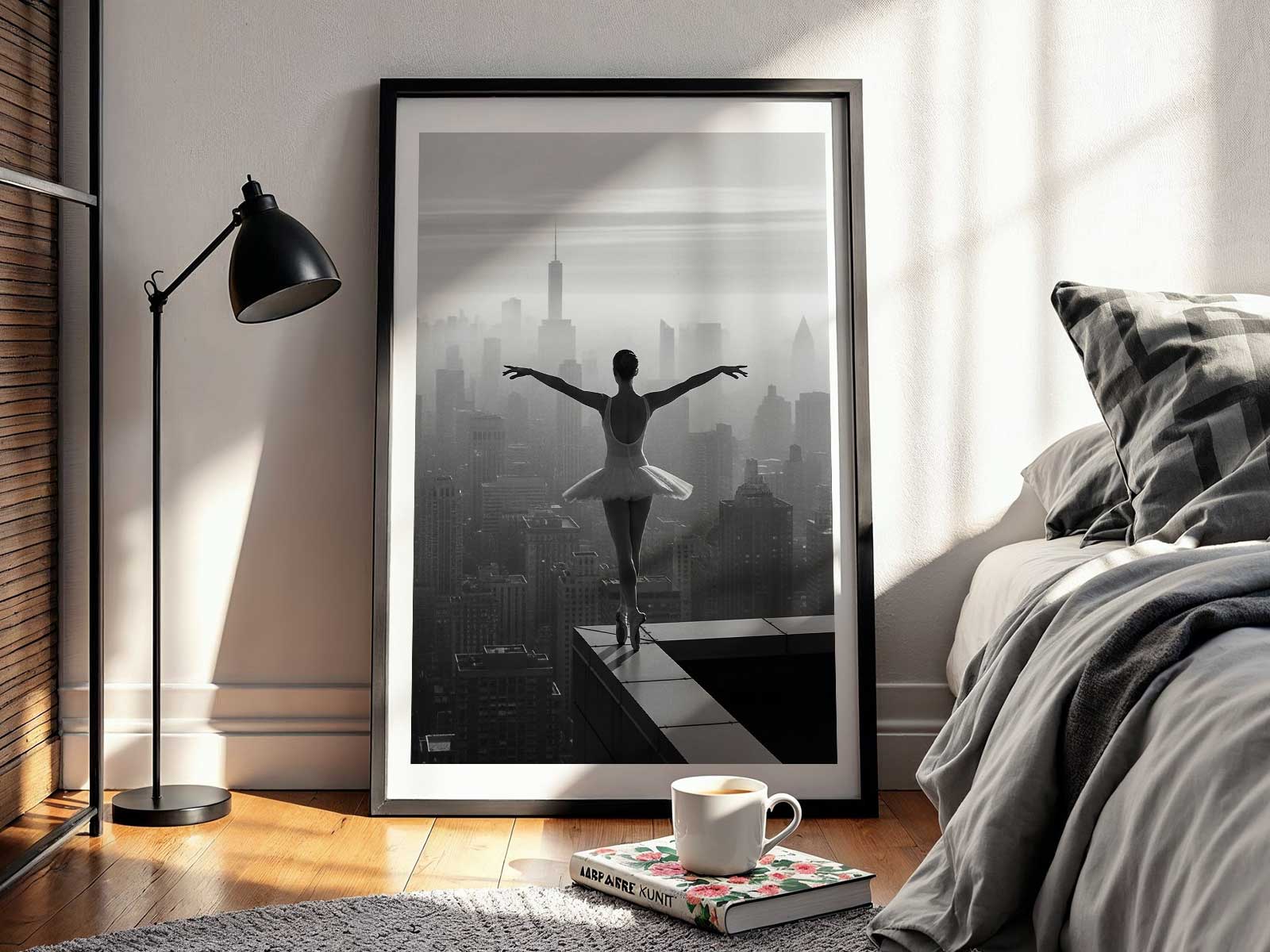
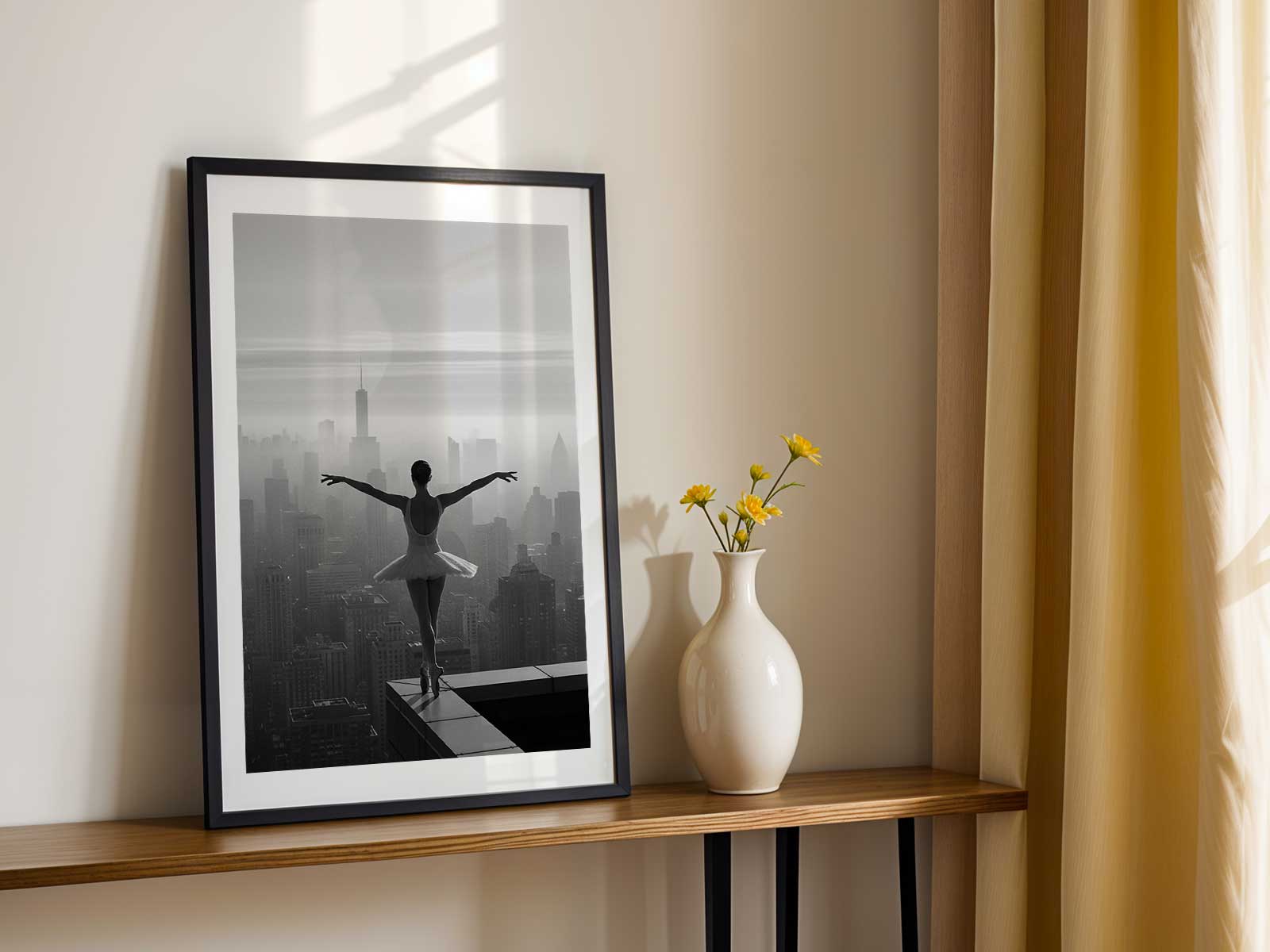
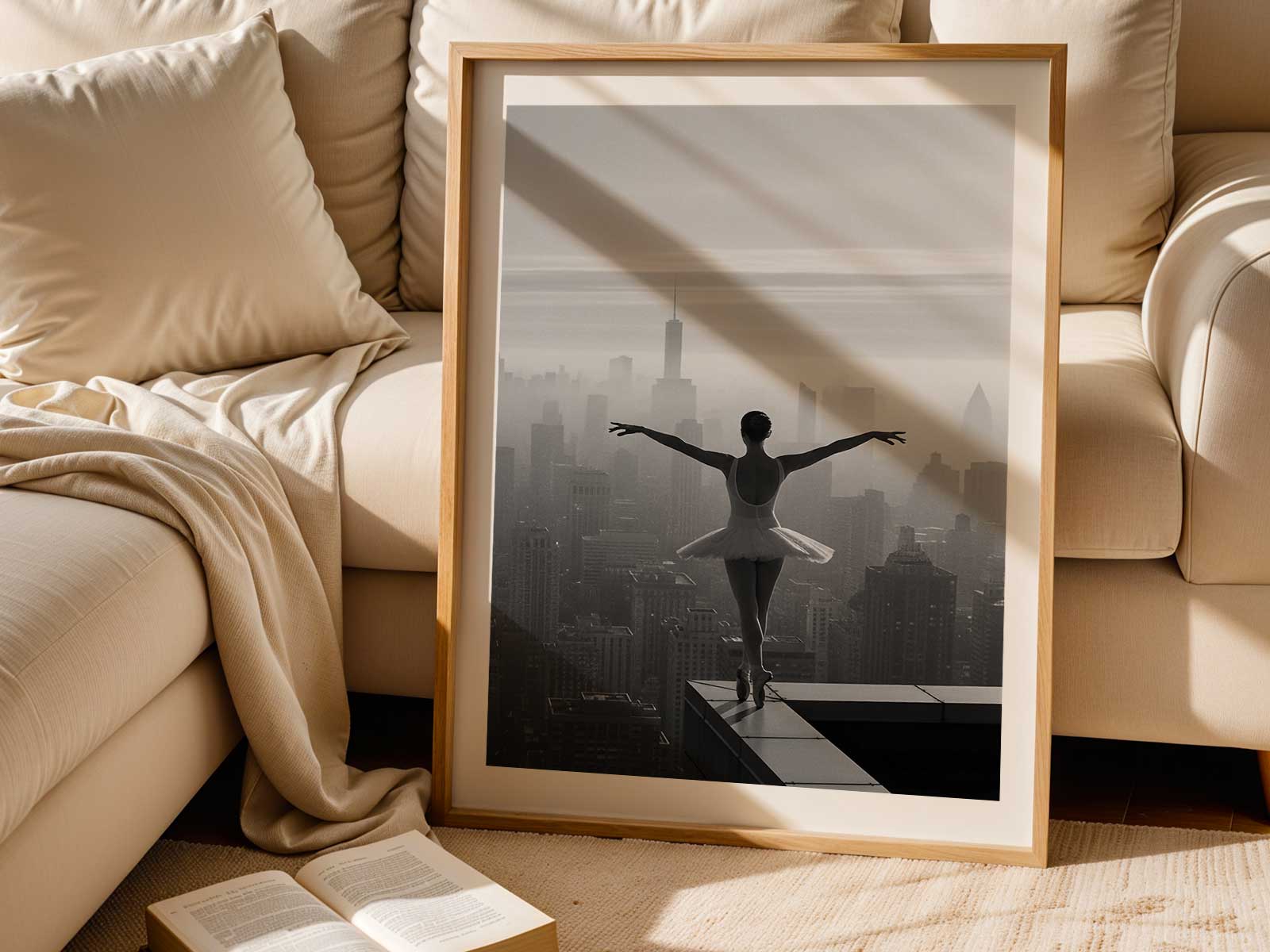
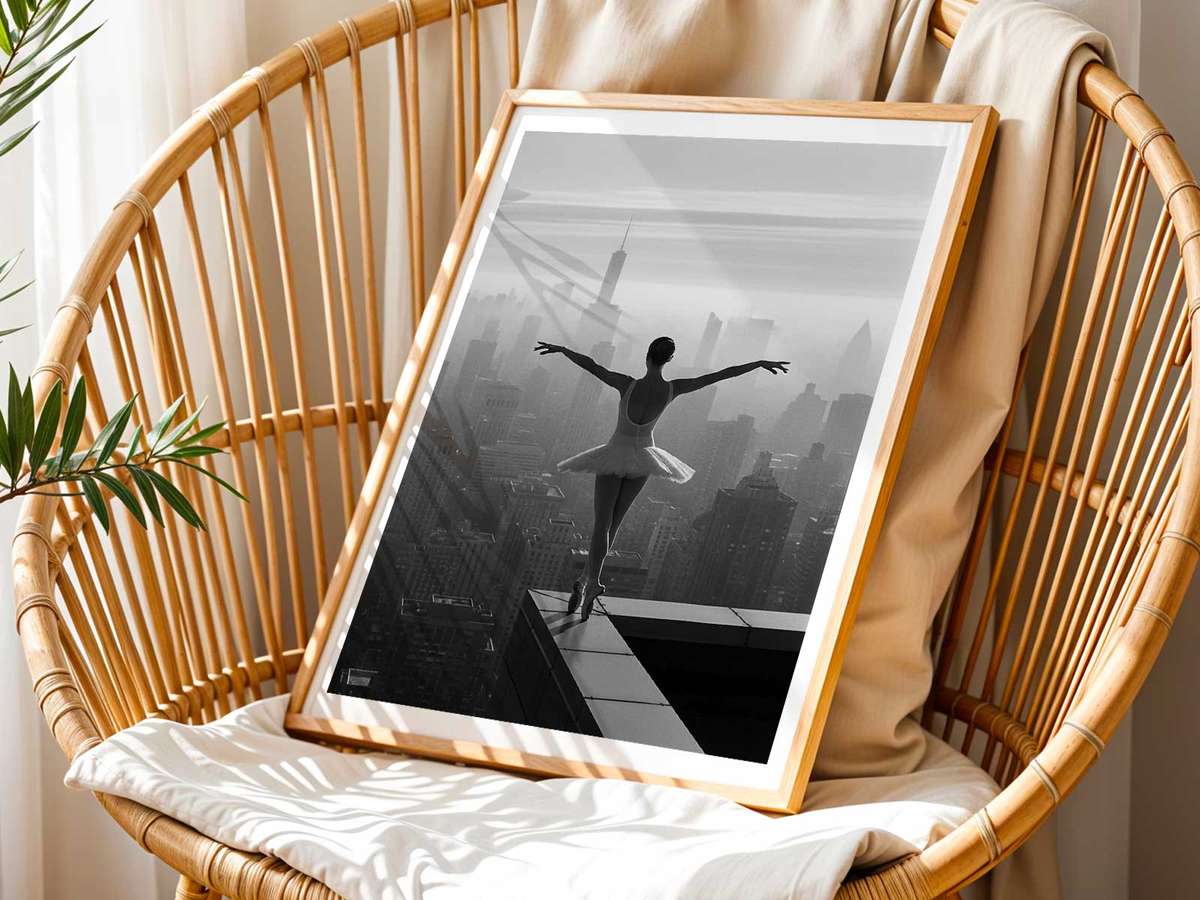
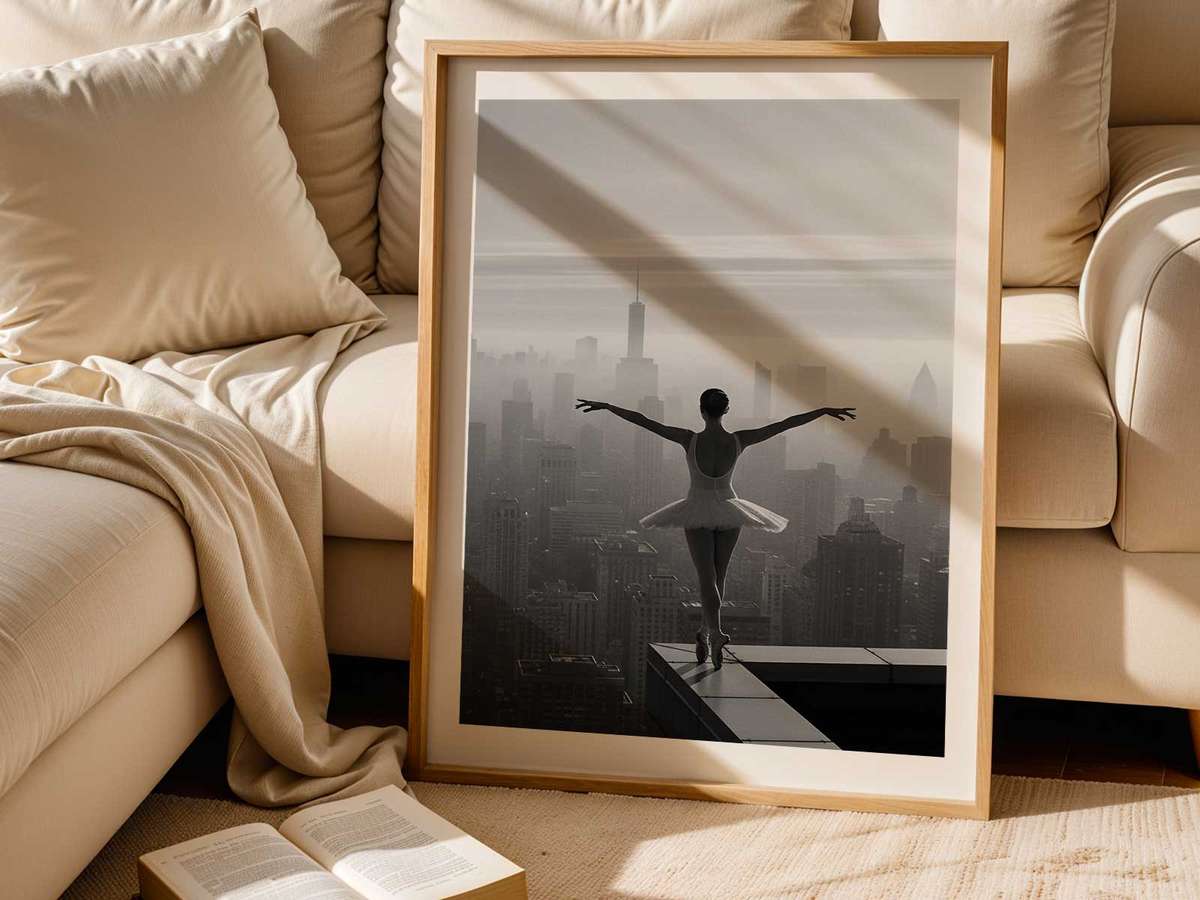
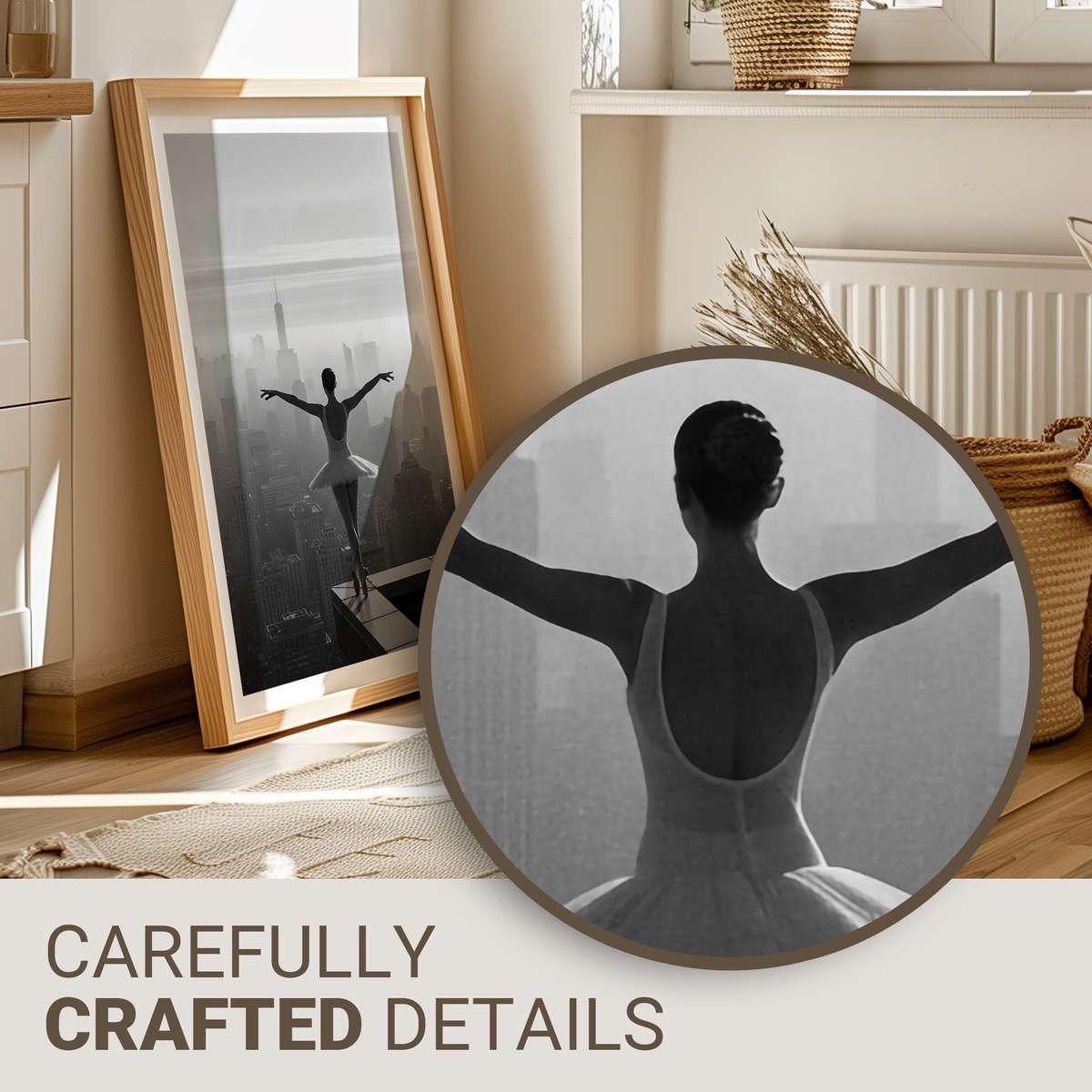
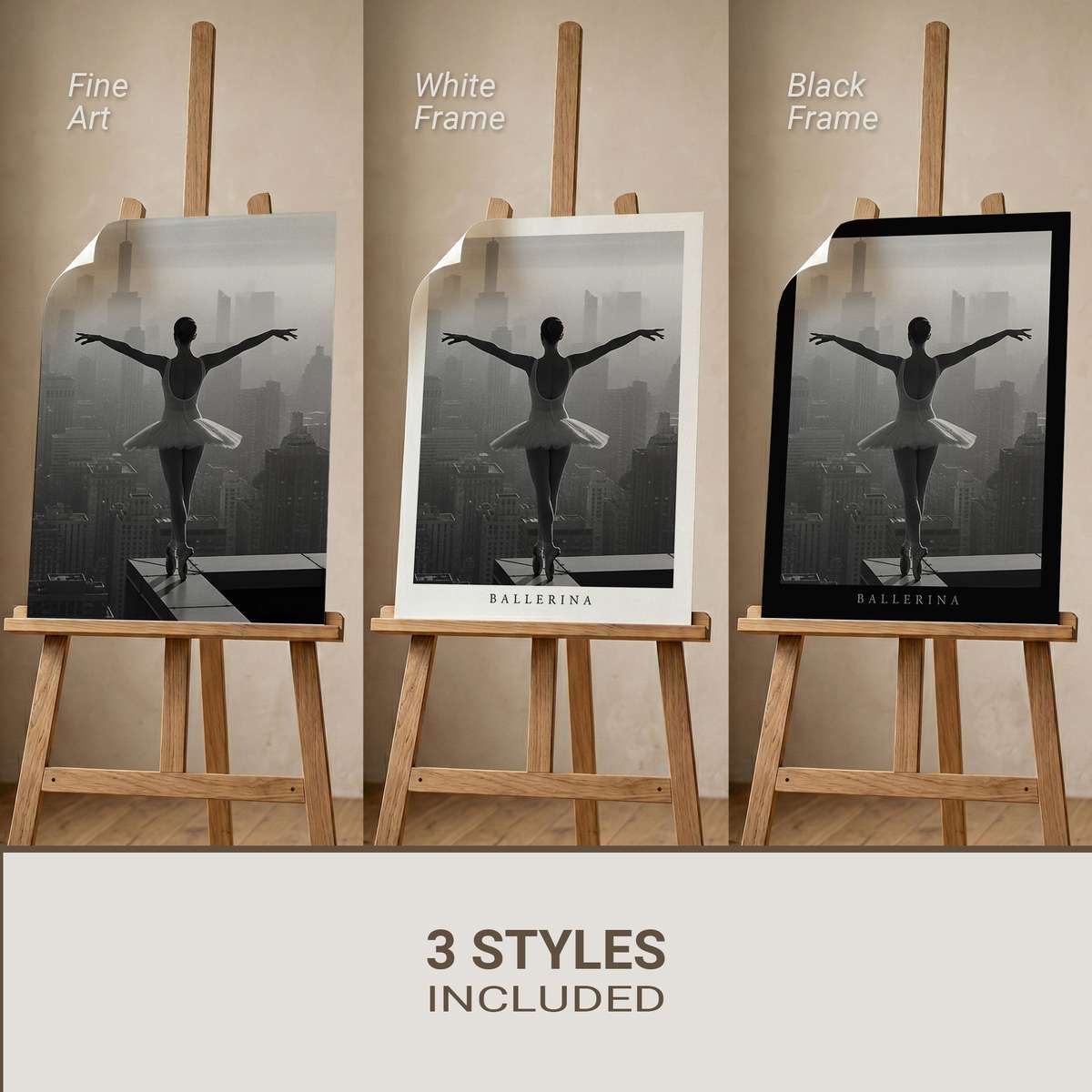
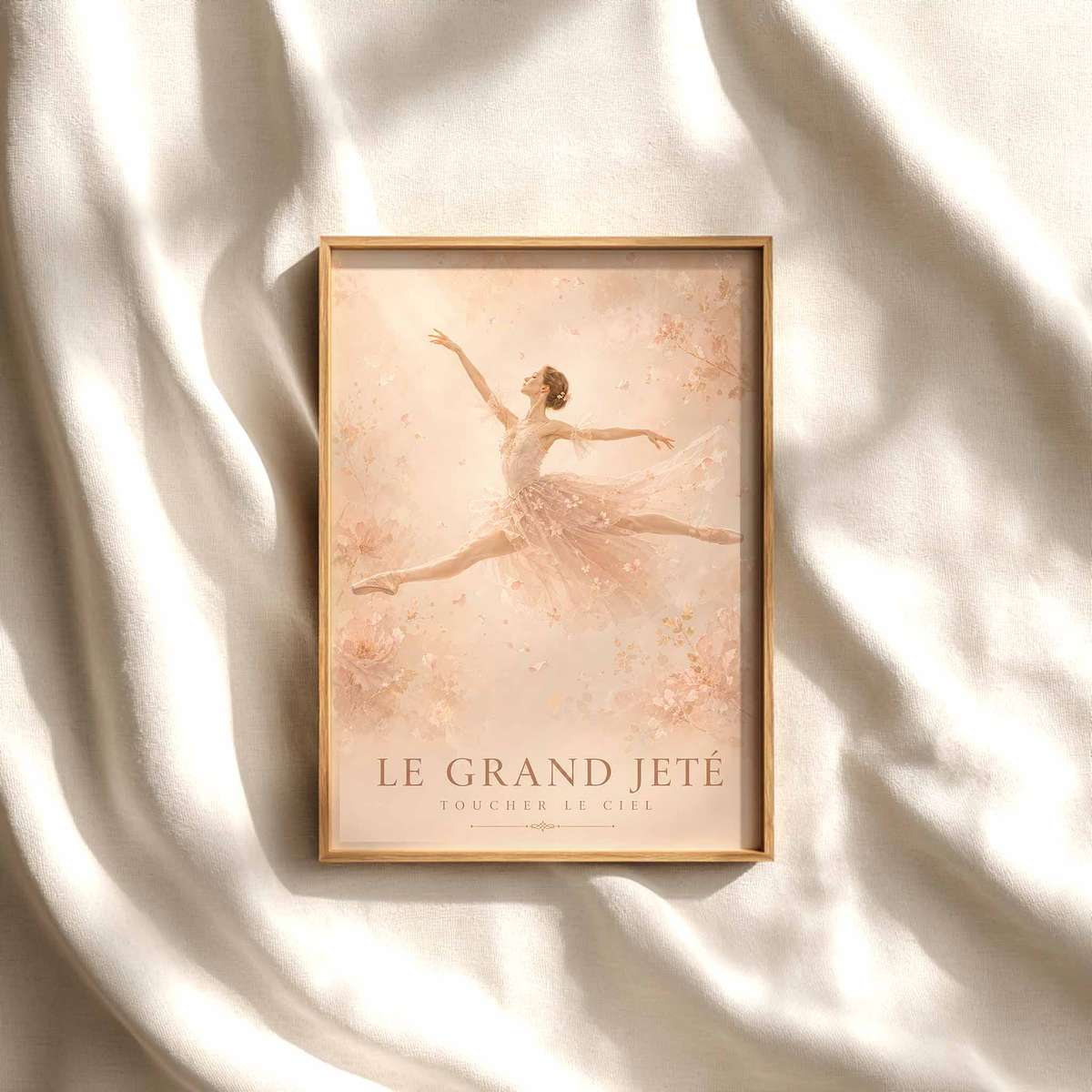
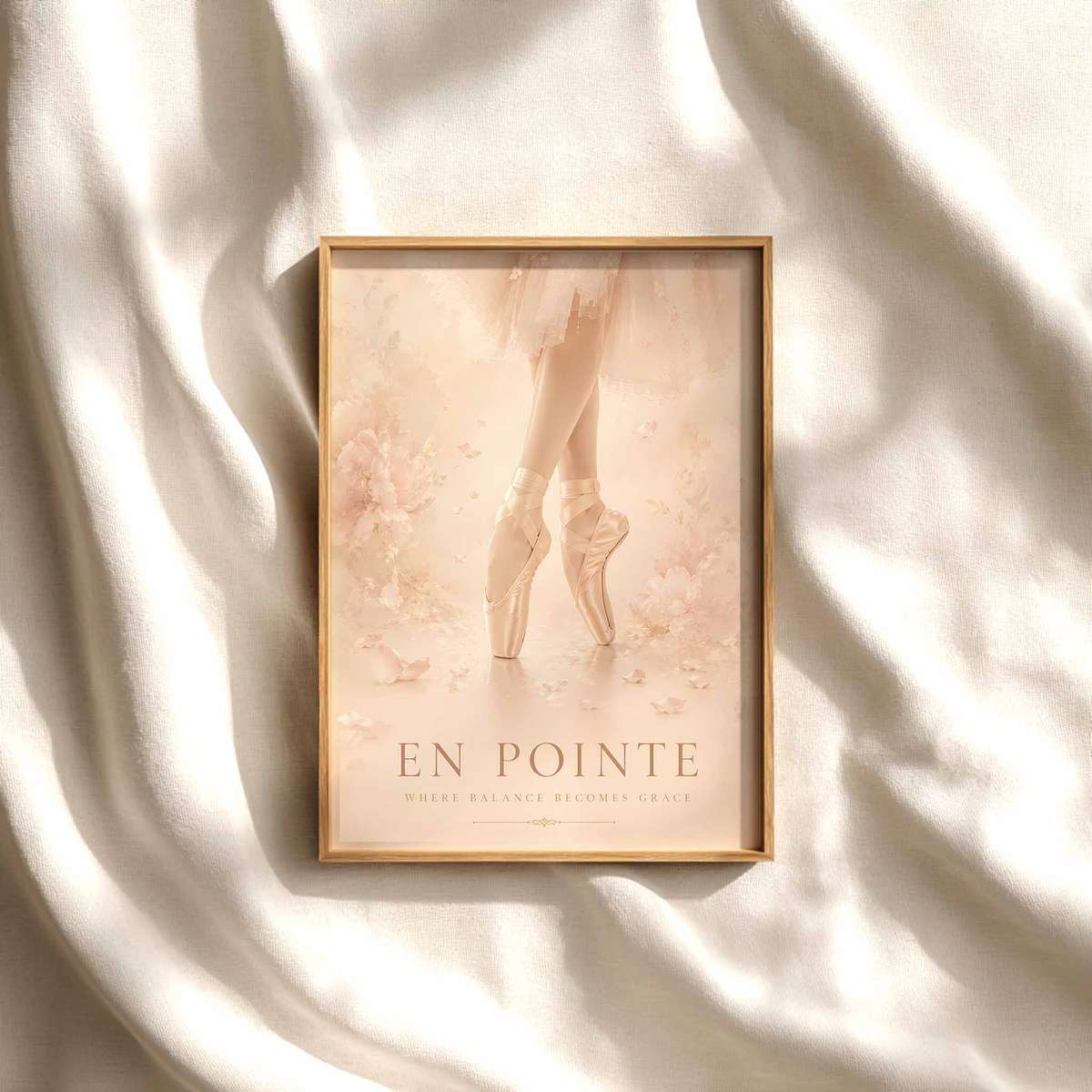
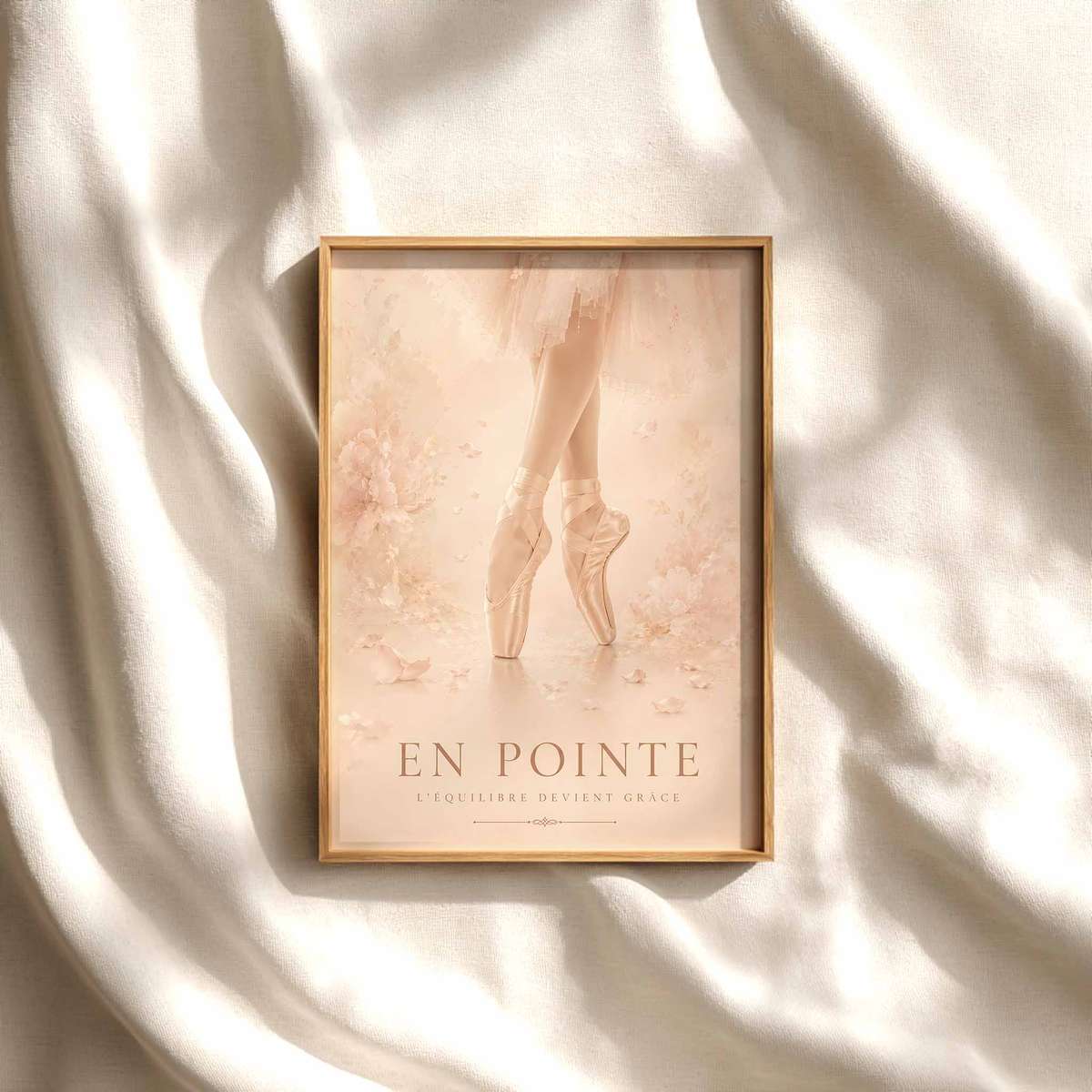
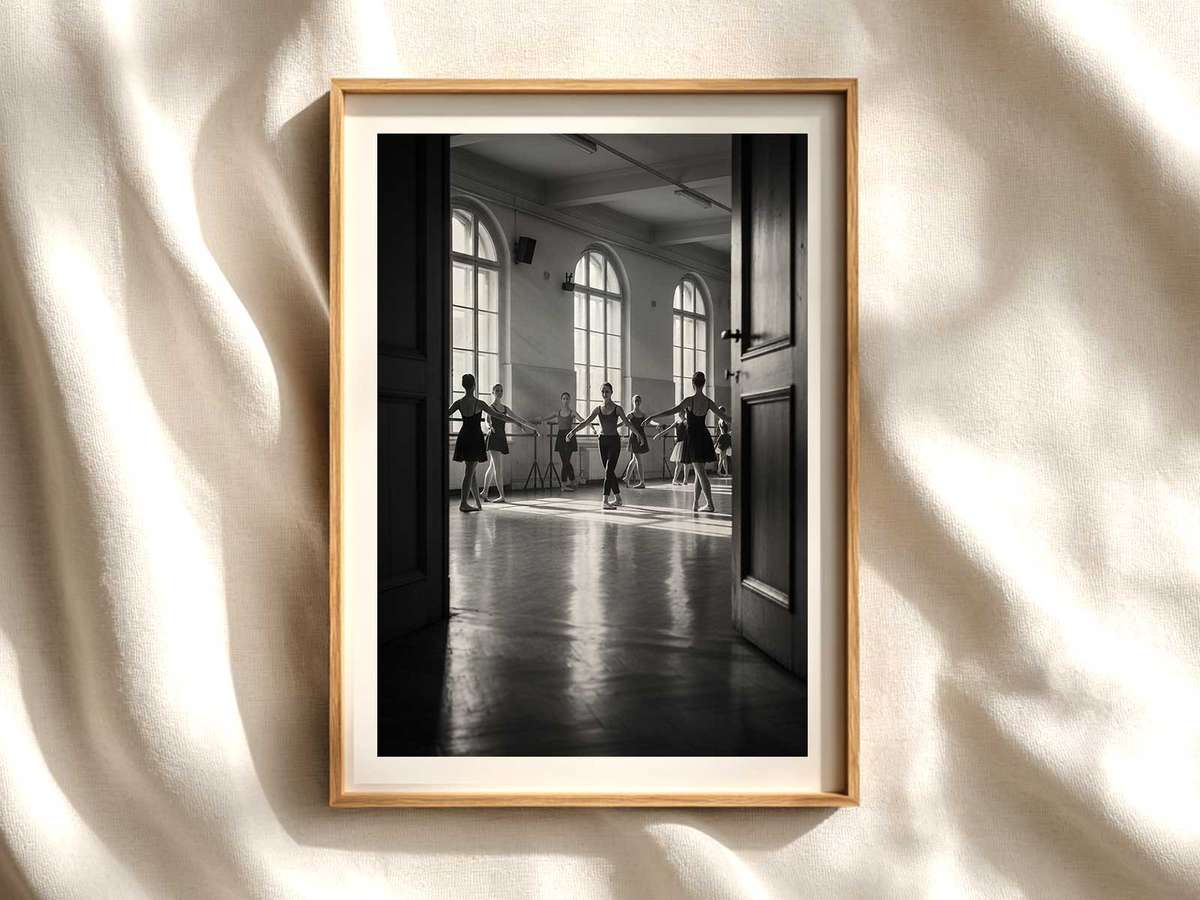
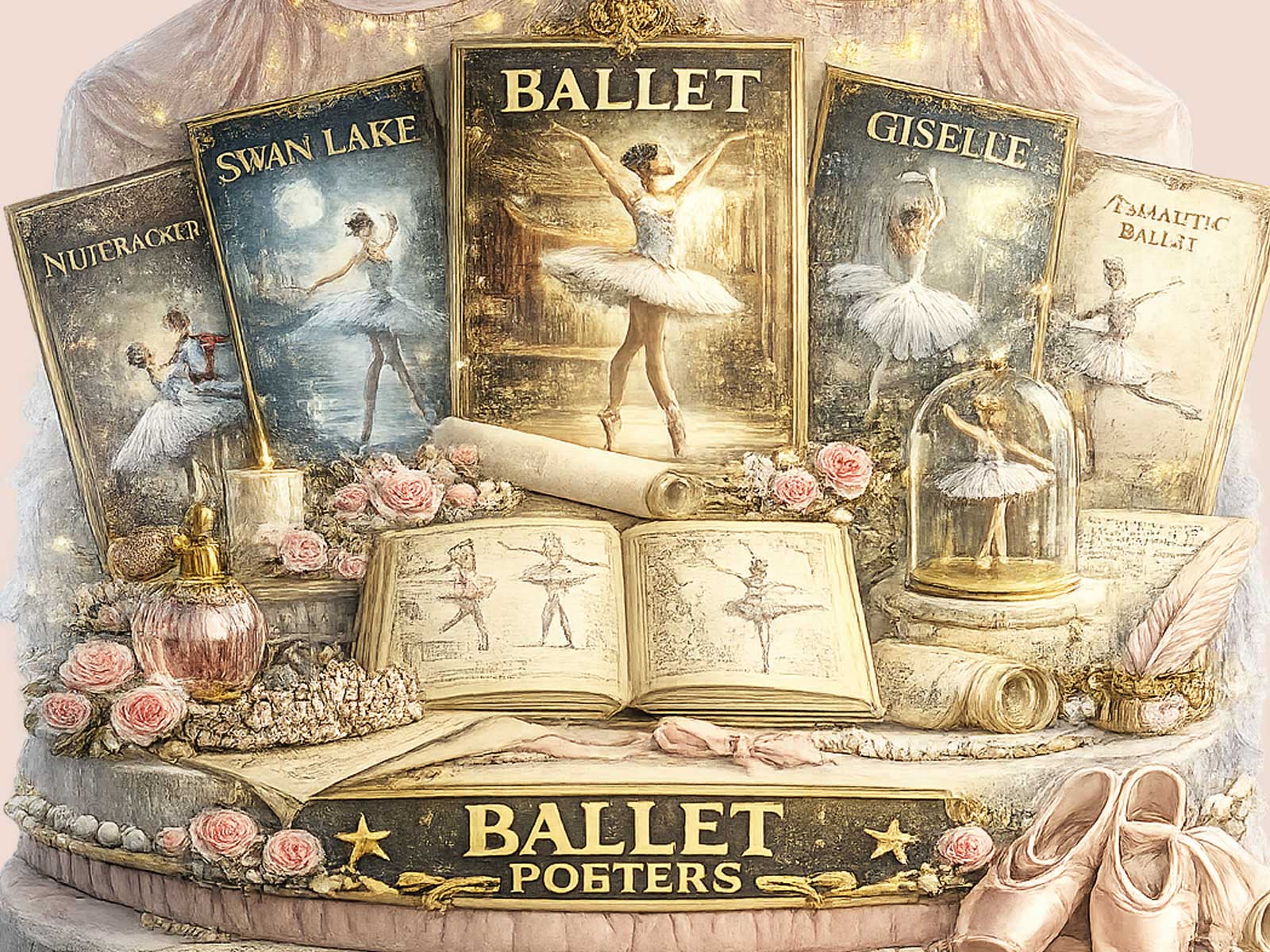
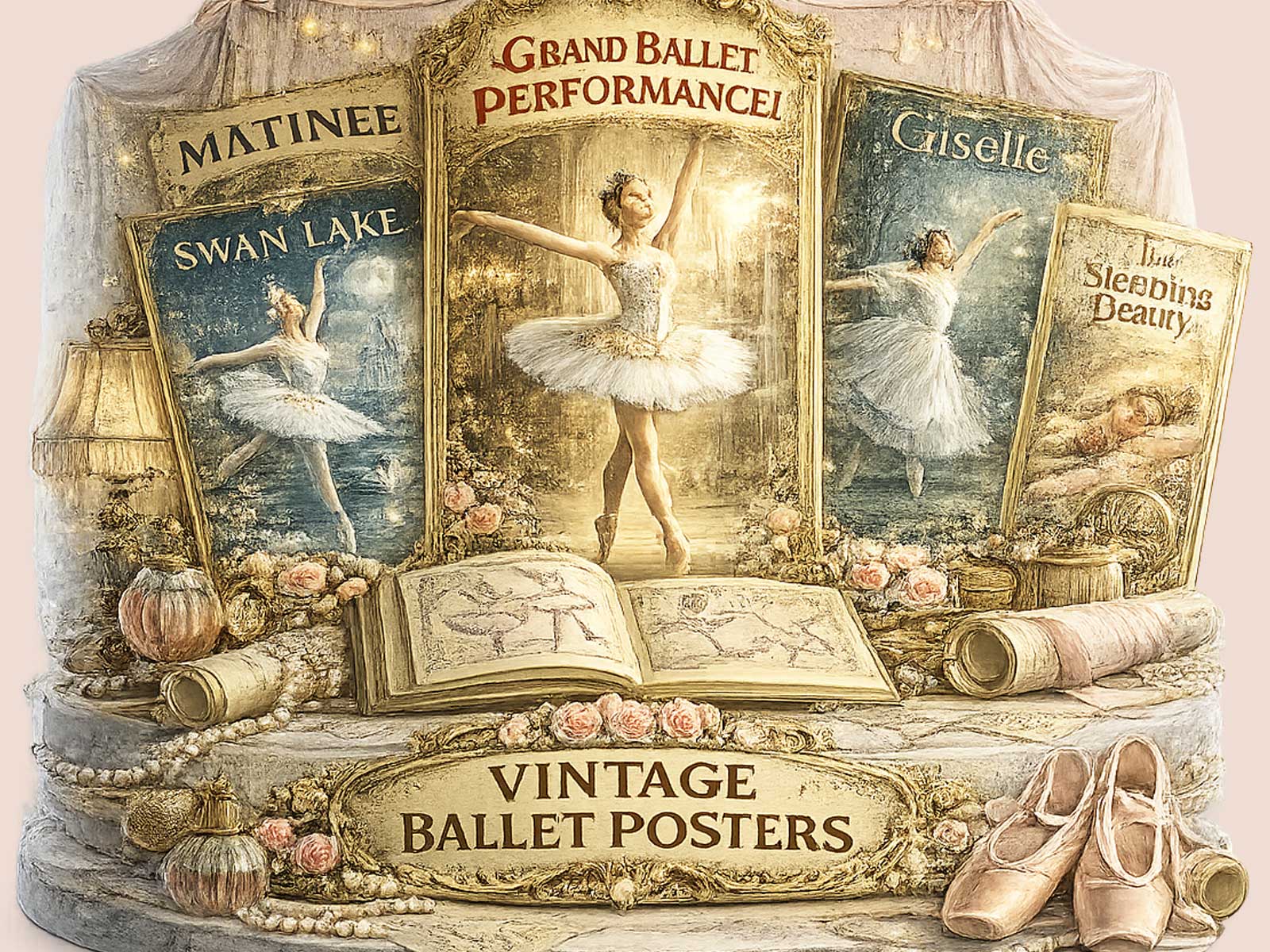
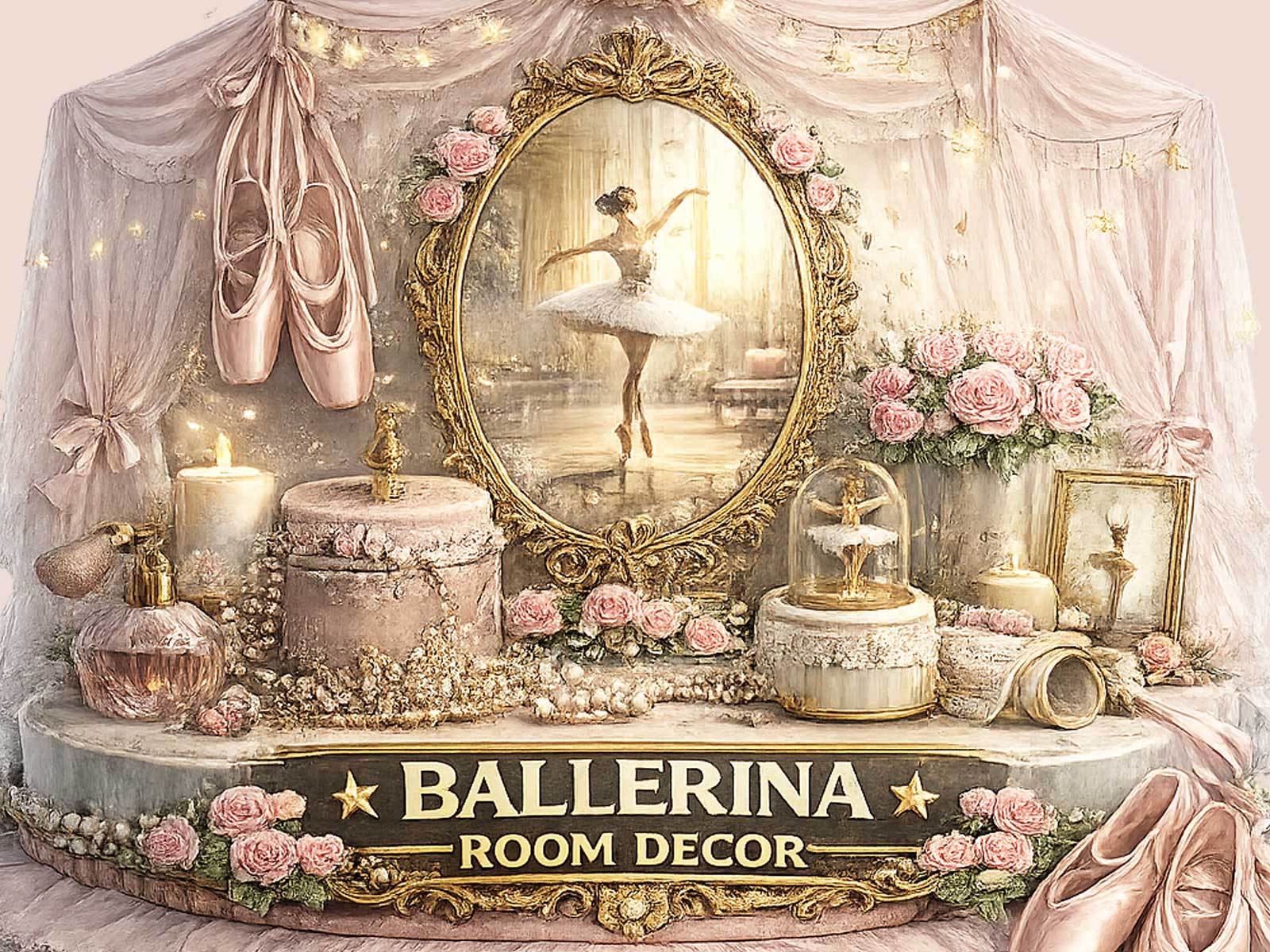
The first glance at a poster built around one ballerina is an immediate, almost inaudible declaration: restraint and beauty can coexist in the same frame. A single figure, composed with attention to line and poise, acts like an architectural element in a room — it draws the eye, organizes the space, and sets a mood without demanding noise. That economy of presence is what gives dancer-led ballet wall art its unique power: it is both statement and whisper.
Line and silhouette as decorative language
A ballerina’s silhouette is pure geometry in motion. The arc of an arm, the long extension of a leg, the soft tilt of the head — these precise gestures create visual rhythms that read clearly from across a room. When translated into wall art, those rhythms become a kind of visual grammar: verticals that lift the eye, diagonals that suggest momentum, and negative space that breathes. Against neutral walls or layered with textured décor, a single dancer’s lines introduce a harmony that feels deliberate and calm. The result is an ordered, elegant composition that complements rather than competes with a room’s furnishings.
[IMAGE_INSERT_ARTICLE_01]
Poise, balance and an almost timeless mood
There is a particular quiet in poise. The balanced carriage of a ballerina — her measured center, the intentional placement of weight and counterweight — projects a temperament of discipline without severity. This posture is translated visually as composure, and composure reads as serenity in an interior. Whether the poster shows a moment of stillness before movement or the apex of a line held gently, that captured control invites viewers to pause and inhale. Over time, that invitation becomes part of a room’s character: calm repeated, like a daily ceremony.
Expression in a dancer-centered image rarely needs to be explicit. A soft downward gaze, the slight curl of a hand, or the set of the shoulders conveys stories without words — resilience, focus, quiet joy. These subtle cues make the artwork feel personal; the viewer projects their own memory of practice halls, performances, or private resolve onto the figure, forging an emotional connection that makes the poster more than decoration.
Why a single dancer feels timeless
Stripped of busy backgrounds and multiple subjects, a solitary ballerina resists trends. Her lines and posture belong to an aesthetic language older than fashions: symmetry, proportion, and the pursuit of beautiful form. That resistance to the immediate fashions of décor gives such posters a longevity that pays off in interiors meant to age gracefully. A dancer-centered print integrates with changing palettes and furniture because it appeals to proportion and mood rather than motif.
Finally, choosing a ballerina-led piece is a choice for intentionality. It signals a preference for curated calm over visual clutter and for subtle narrative over loud statements. As a focal point, the dancer softens walls, refines corners, and lends a quietly authoritative elegance to any room. In short, the single ballerina is not merely an image on paper; she is an atmosphere-maker — disciplined, graceful, and endlessly inviting.