How Dame Margot Fonteyn Became a Symbol of British Ballet
Margot Fonteyn — born Margaret ('Peggy') Hookham — is widely remembered as the defining presence of mid-20th-century British ballet. Her long service with Sadler's Wells Ballet, later The Royal Ballet, and the honours she received made her a public emblem of the company's classical aesthetic.
This article explains how Fonteyn's artistic identity was built across training and repertory, how her reputation for classical clarity and stage authority shaped the Royal Ballet's image, and how a late-career partnership with Rudolf Nureyev transformed public perception of her artistry.
Quick answer
Fonteyn's identity formed through a lifetime with one company, public honours that codified her status, a style marked by technical clarity and classical restraint, and a celebrated late partnership with Rudolf Nureyev that revitalized her later years on stage.
What you will find here
- Her long association with Sadler's Wells Ballet / The Royal Ballet and how it shaped a single-company career.
- How classical restraint and stage authority became hallmarks of her style and of British ballet identity.
- Why the partnership with Rudolf Nureyev in the early 1960s altered the arc of her late career.
EARLY FORMATION
Margaret Hookham, known professionally as Margot Fonteyn, was born on 18 May 1919. Her career trajectory became unusual for its longevity and its close alignment with a single institutional home. From the beginning, her path led into the company that would later be known as The Royal Ballet, where she established the continuity and public presence that would define her career.
COMPANY AFFILIATION AND RISE
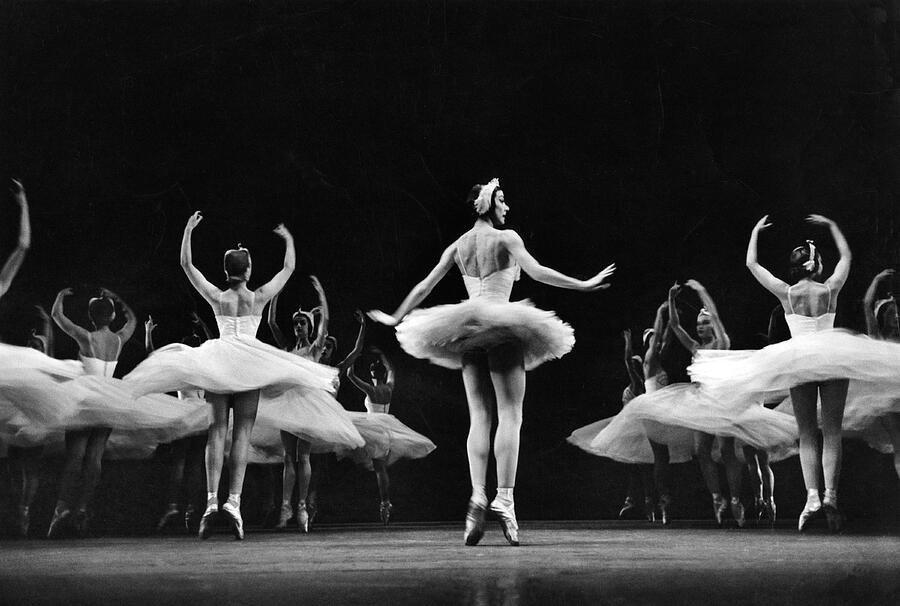
Fonteyn spent her entire professional dancing career with Sadler's Wells Ballet, which later became The Royal Ballet. That uninterrupted affiliation is central to understanding her role in British dance: she was not only a leading performer but also the public face of a company developing a distinct national repertory and aesthetic. Over decades she held the position of the company's leading ballerina and became the standard-bearer for its repertory choices and stage manner.
STYLE, CLASSICAL RESTRAINT, AND STAGE AUTHORITY
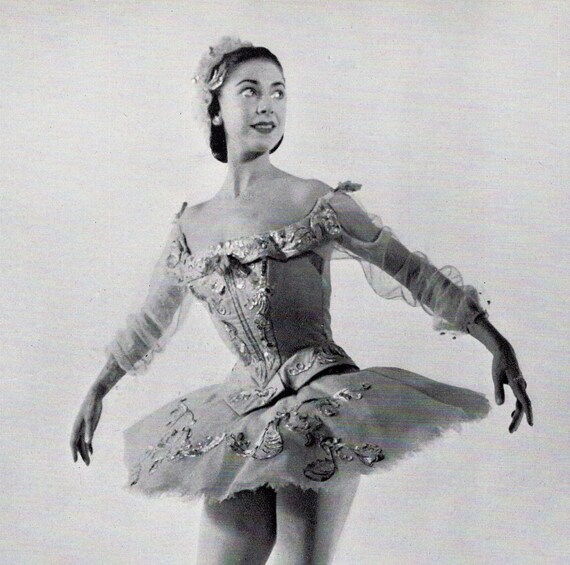
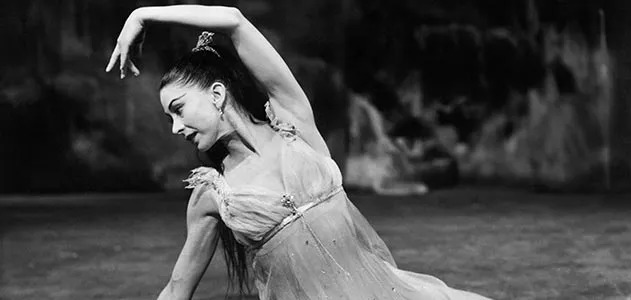
Critical accounts and obituaries repeatedly emphasise Fonteyn's technical clarity and classical restraint. Those qualities—clean line, disciplined musicality, and an economy of gesture—came to be read as emblematic of the Royal Ballet style. Equally important was her stage authority: reviewers and institutional profiles credit her with a commanding presence that made her roles feel inevitable rather than merely performed.
HONOURS AND INSTITUTIONAL STATUS
Public honours codified Fonteyn's stature. She was made a Dame Commander of the Order of the British Empire and was popularly styled "Dame Margot Fonteyn." Later institutional recognition used the title Prima Ballerina Assoluta of The Royal Ballet as a mark of lifetime achievement. These formal acknowledgements reinforced the link between her persona and the national company she represented.
THE TRANSFORMATIVE PARTNERSHIP WITH RUDOLF NUREYEV
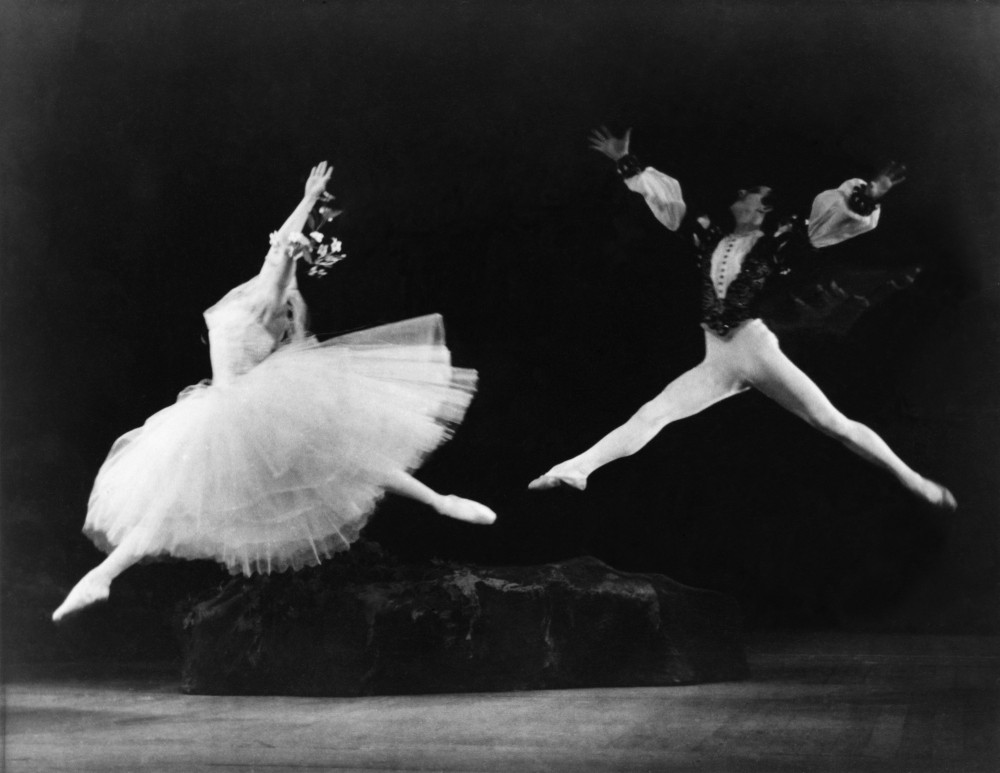
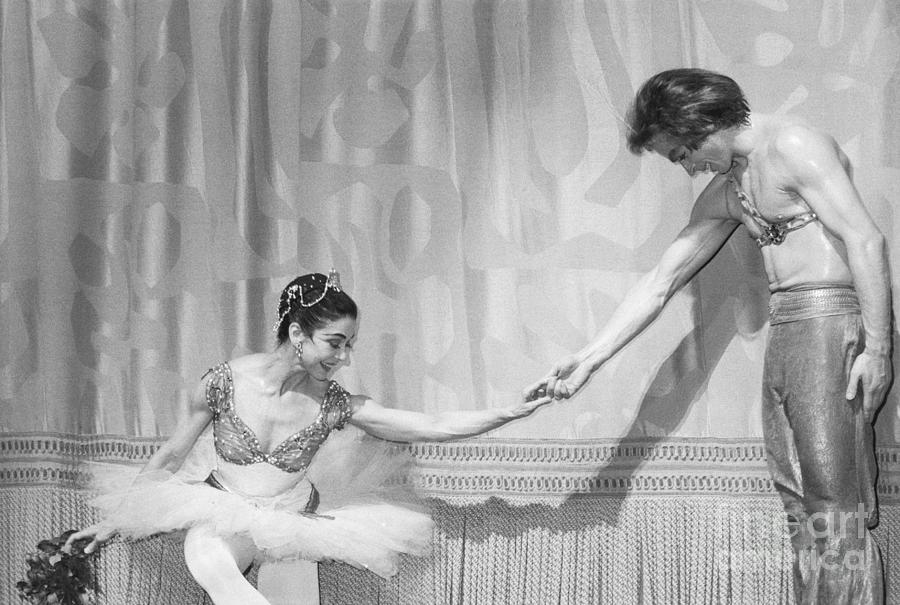
A decisive chapter in Fonteyn's career was her partnership with Rudolf Nureyev. Their public pairing, which began in the early 1960s and is often associated with performances of Giselle in 1962, attracted exceptional attention and effectively revitalized her late career. The juxtaposition of Fonteyn's cultivated classical restraint with Nureyev's dramatic presence created a pairing that captured public imagination and added a new dimension to her artistic profile.
A MATURE ARTISTIC IDENTITY
By mid- and late career Fonteyn embodied a specific, recognisable identity: a dancer whose authority and clarity made classical roles seem archetypal. Her long-running association with one institution allowed that identity to be consistently visible to audiences and critics. Rather than a catalogue of roles alone, Fonteyn's maturity was a fusion of disciplined technique, interpretive restraint, and institutional prominence.
WHY THE LEGACY ENDURES
Fonteyn died on 21 February 1991, but institutional memory — at The Royal Ballet, the Royal Ballet School and in major press accounts — continues to treat her as a defining figure in British ballet. Contemporary and retrospective profiles credit her with shaping the mid-20th-century British ballet identity: she became a reference point for classical purity and stage authority. The honours she received and the public fascination with her late partnership with Nureyev preserve her place in ballet history.
CLOSING INTERPRETATION
Margot Fonteyn's career matters because it demonstrates how an artist and an institution can grow together. Her long tenure with Sadler's Wells/The Royal Ballet, the public honours that framed her standing, and the late partnership with Nureyev all contributed to an artistic identity that was at once personal and emblematic. She remains an instructive example of how technical discipline, carefully cultivated stage presence, and strategic collaborations can shape both a career and a company's image.
Author: Eric M.