Galina Ulanova: From Lyric Classicism to Quiet Dramatic Power
Galina Ulanova remains a defining figure in 20th-century ballet: a dancer trained in the Vaganova tradition who fused crystalline classical line with an inward, theatrical intensity. Her artistry—rooted in Petrograd/Leningrad training, deepened on the stages of the Kirov and Bolshoi, and carried worldwide by celebrated tours—offers a model of how technique can serve psychological truth.
What defines this dancer
Ulanova is distinctive for blending lyric classical purity with a restrained but intense dramatic presence. Her interpretations—especially in roles such as Giselle, Odette/Odile, Romeo and Juliet, and Prokofiev's Cinderella—made psychological nuance central to ballet performance.
What this article explains
- How training under Agrippina Vaganova and early Kirov experience grounded her classical technique.
- Why her movement quality and port de bras created a specific lyric profile.
- Which roles and company contexts clarified her dramatic identity.
First visual and artistic impression
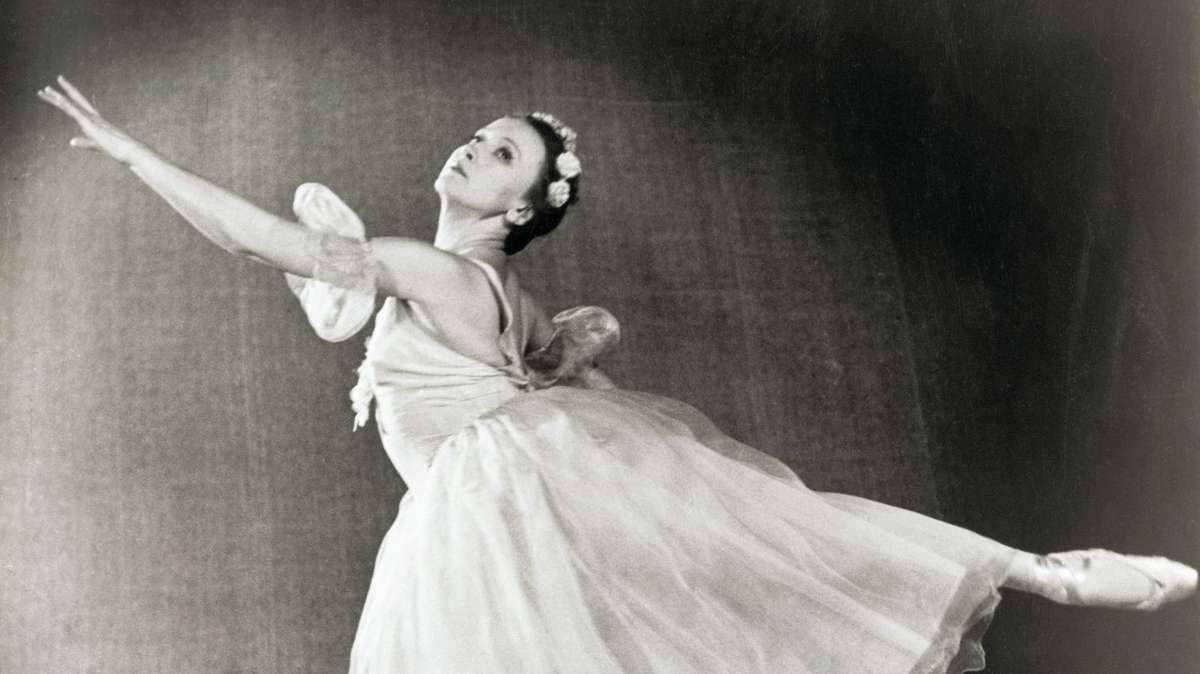
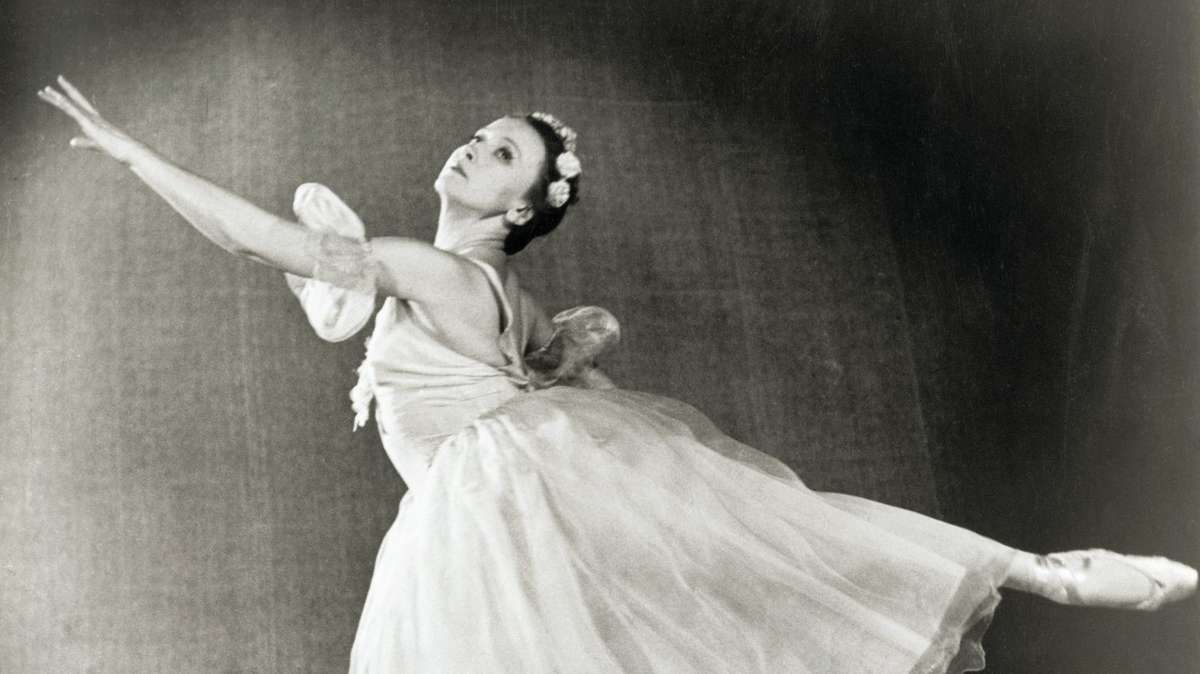
The first memory critics and audiences often cite is Ulanova's capacity to make a classical silhouette feel intimately expressive. Trained in Petrograd/Leningrad and schooled within the Vaganova method, she carried a line that read as both pure and human: cleanness of extension married to subtle shaping of the torso and arms. This combination made familiar poses—arabesque, cambré, épaulement—function as emotional punctuation rather than mere display.
Line, port de bras, and movement quality
Ulanova's technical base was reliably classical: the Vaganova lineage supplied clarity of footwork and disciplined épaulement. But what marked her movement was the way port de bras and phrasing softened strict virtuosity into lyrical speech. Her arms and upper body articulated inner life: gestures were never gratuitous but instead revealed psychological shading. That restraint—refined control rather than overt theatricality—became a signature quality.
Stage presence and dramatic power
Observers repeatedly described Ulanova as possessing a "quiet dramatic power." This phrase captures a central paradox of her stage identity: intensity without bombast. In part this came from an economy of gesture—she could concentrate attention through small shifts of focus and phrasing—and in part from musical attunement that allowed emotional content to grow organically from movement. Her performances suggested interior narrative, so that classical roles felt psychologically credible.
Roles and repertoire associations
Ulanova's repertoire tied her lyricism and dramatic sensibility to ballets that demand both purity of line and deep characterization. Her interpretations of Giselle and Odette/Odile aligned with the Romantic and classical tradition, while her portrayal of Prokofiev's Juliet and her participation in the Bolshoi premiere of Cinderella positioned her as a bridge between classicism and Soviet-era repertory. These roles showcased how she could render romantic pathos, tragic resignation, and comic warmth within a single expressive range.
Career turning points and artistic context
Ulanova's formation under Agrippina Vaganova and her start at the Kirov (Mariinsky) Theatre anchored her in the leading Russian technical school. Her transfer to the Bolshoi Theatre in 1944 and subsequent role there as prima ballerina placed her at the center of Soviet ballet life during a period when national repertory and new Soviet works were shaping international perceptions of Russian dance. International tours—most notably in the 1950s—brought her work to London and the United States and helped secure a global reputation.
What made Ulanova distinctive
Several converging factors explain her singularity. Technically, Vaganova training gave her the tools for secure classical line. Artistically, she preferred expressive restraint and musical intimacy to virtuosic exhibitionism. Institutionally, her movement from the Kirov to the Bolshoi and her presence in key Soviet premieres anchored her within a repertory that valued narrative and collective cultural aims. Together these elements produced a ballerina who exemplified lyric classicism refined into psychologically charged interpretation.
Why the legacy endures
Ulanova's legacy survives because she altered expectations of how classical roles can be inhabited. Rather than treating technique as an end in itself, she used it to reveal character. Her international acclaim—backed by major state honors and widely noted tours—made her an exemplar beyond Soviet borders. Her later activity as a teacher and the preservation of her Moscow apartment as a memorial underscore a continuing institutional memory. For dancers and audiences interested in the marriage of musicality, line, and inner life, Ulanova remains a touchstone.
Closing interpretation
Galina Ulanova matters because she showed that classical beauty and dramatic truth are not opposites but complements. Her work demonstrates how formal discipline can deepen psychological reading, and how repertory choices—Romantic Giselle, dual Odette/Odile, Prokofiev Juliet, Cinderella—allowed her nuanced voice to speak across styles. In the history of ballet she stands as a figure who translated lyric classicism into a kind of quiet moral force that continued to shape tastes, teaching, and performance long after her stage career ended.
Author: William L.