Natalia Makarova: From Vaganova Roots to a Western Repertory Legacy
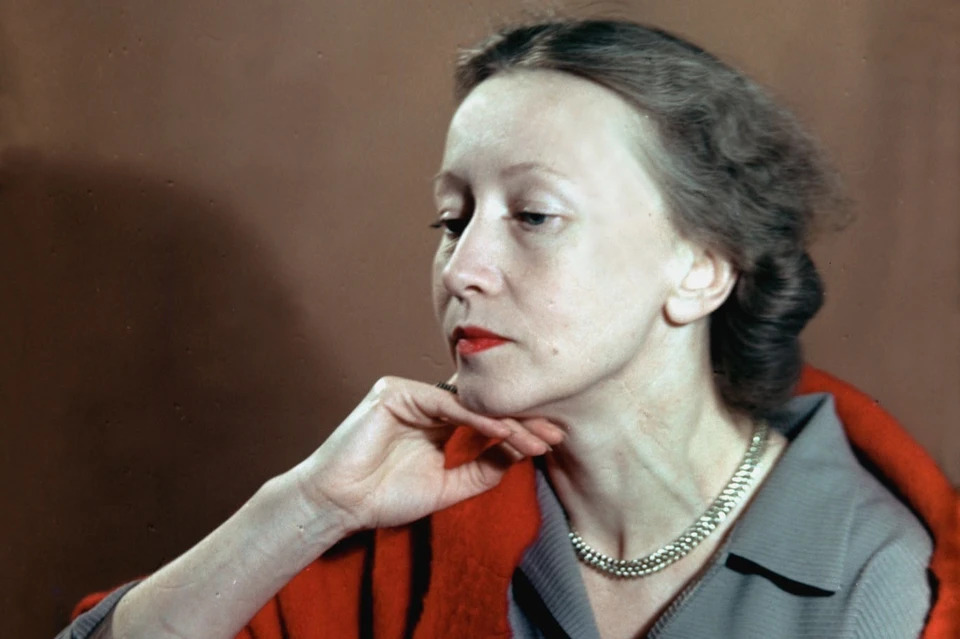
Natalia Makarova is a ballerina whose career traces a striking arc from rigorous Russian formation to international stardom in Western repertory. Born in Leningrad in 1940, she rose through the Vaganova/Kirov training tradition and became a leading Kirov ballerina in the 1960s. Her subsequent defection and work in the West allowed her to fuse the Russian school’s technical refinement with an increasingly dramatic and stylistically flexible repertory.
This article explains how Makarova’s artistic identity was built: the schooling that shaped her line, the professional context in which she first matured, the turning point of her defection, and the phases of her Western career that turned classical roles into interpretive signatures. It will show how training, repertory choices, partnerships, and later restagings together created a lasting legacy.
In short
Makarova’s career maps a clear progression: Vaganova schooling and Kirov prominence, a decisive defection in 1970 that opened a Western chapter, and a mature phase in which she became renowned for classical leads such as Giselle and Odette/Odile while also restaging and shaping repertory for Western companies.
What this article explains
- How Vaganova training and early Kirov experience provided technical and stylistic anchors.
- Why her 1970 defection in London was a turning point that shifted her career to the West.
- Which roles and collaborations in the West defined her public identity and influence.
Quick access
EARLY FORMATION
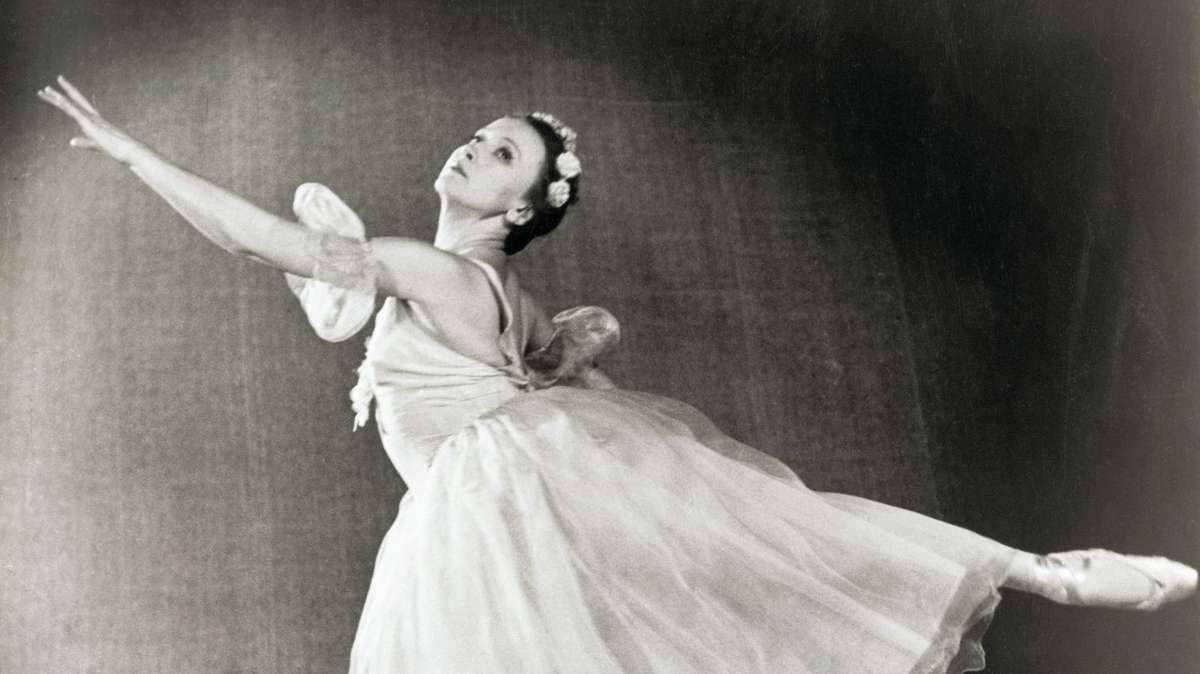
Makarova was born in Leningrad in 1940 and trained within the Vaganova tradition, the pedagogical lineage associated with the Imperial/Mariinsky/Kirov school. That system emphasises clean épaulement, expressive port de bras, and a classical line tied to rigorous technique—qualities that would remain visible throughout her career.
SCHOOL, METHOD, AND ARTISTIC ROOTS
The discipline of the Vaganova method and the Kirov environment formed Makarova’s early artistic identity. Her development within that Russian training culture provided the technical precision and refined line critics later noted, while the Kirov repertory offered early exposure to classicism and dramatic roles that reward expressive subtlety as much as virtuosity.
ENTERING THE PROFESSIONAL STAGE
During the 1960s Makarova rose to prominence as a leading ballerina at the Kirov Ballet (Mariinsky Theatre). It was in that institutional context—steeped in Russian classical tradition—that she became established as a company principal and a performer whose combination of technical clarity and dramatic intelligence attracted attention.
BREAKTHROUGH MOMENTS
The decisive turning point came while Makarova was on tour with the Kirov in London in 1970: she defected from the Soviet Union and requested political asylum in the West. That act altered her professional geography and opened opportunities to perform frequently with major Western companies, significantly changing the course of her public career.
ROLES, PARTNERSHIPS, AND DECISIVE ENCOUNTERS
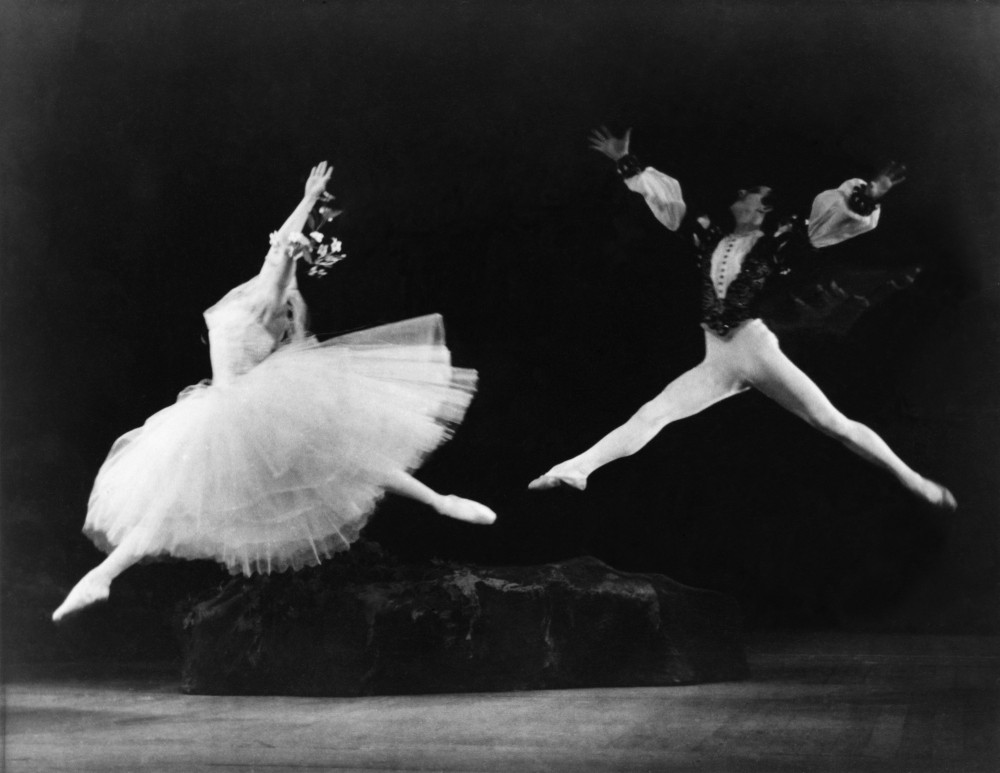
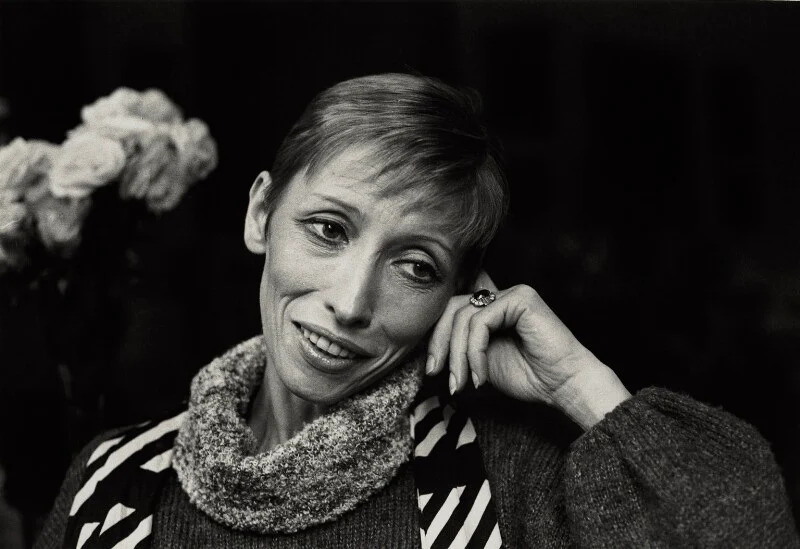
After her defection, Makarova danced often with the Royal Ballet in London and the American Ballet Theatre in New York, becoming a defining guest and company artist of her era. In the West she became especially associated with classical leads such as Giselle and Odette/Odile in Swan Lake. Critics and audiences praised how she combined the Vaganova line and precision with a sharpened dramatic intelligence suited to these demanding narrative roles.
Her collaborations with leading Western dancers and choreographers, and notable partnerships in performance, placed her at the centre of the international repertory conversation of the 1970s and 1980s. She also contributed to repertory preservation and transmission by staging or restaging sections for companies—work that helped bridge Russian choreographic tradition and Western performing contexts.
A MATURE ARTISTIC IDENTITY
Over time Makarova’s artistry settled into a recognisable synthesis: the technical refinement and classical line of her Vaganova training fused with an interpretive, dramaturgical approach honed on Western stages. That synthesis made her performances notable not simply for steps executed but for the way roles were shaped—classical heroines rendered with psychological nuance as well as luminous technique.
WHY THE LEGACY ENDURES
Makarova’s career matters because it exemplifies a specific mid‑twentieth-century crossing: a dancer formed in the Russian school who transplanted that lineage into Western repertory and performance culture. Her defection and subsequent prominence with major Western companies made her a conduit for stylistic exchange. Her signature roles and her restaging work helped keep particular classical sequences visible to new audiences and companies.
CLOSING INTERPRETATION
Natalia Makarova’s story is not only a biography of accomplishment but a portrait of artistic synthesis. From Vaganova discipline and Kirov polish to a Western repertory that rewarded interpretive depth, her career shows how training, institutional context, repertory choices, and public turning points combine to form a distinctive ballet identity. That identity—refined line, dramatic intelligence, and a willingness to shape repertory—keeps her presence alive in the history of twentieth‑century ballet.
Author: Alex R.