Coppélia: How a Comic Ballet Stayed Fresh While Changing Styles
Coppélia emerged in Paris in 1870 as a light, theatrical comedy whose charm depended as much on music and stagecraft as on steps. Studying its life from the original Saint-Léon production to the many nineteenth- and twentieth-century reworkings shows a distinct pattern: a concise dramatic design and an unusually vivid score allowed successive generations to reshape style while preserving the ballet’s core comic mechanics.
Quick answer
Coppélia’s longevity rests on the strong partnership between Arthur Saint-Léon’s choreography and Léo Delibes’ score, plus a libretto that lent itself to playful reinterpretation; later revivals—especially in the Russian tradition and twentieth-century stagings—recast its style without erasing the original comic framework.
What this article explains
- How Coppélia was created in Paris and why its original combination of choreographer, librettist, and composer mattered.
- Why Delibes’ music anchored the ballet’s theatrical identity and permitted stylistic change.
- Which types of revivals reshaped its look and performance practice, and how companies kept it in repertory.
How the ballet began
Coppélia premiered at the Théâtre Impérial de l'Opéra (Paris Opera) on 25 May 1870. From the outset it was presented as a comic, narrative ballet—often subtitled La Fille aux Yeux d'Émail—that relied on clear theatrical situations rather than grand Romantic tragedy. The original production emphasized character-driven pantomime and ensemble dance in service of a humorous, slightly uncanny story adapted from Romantic tales of automata.
The artists behind the ballet
The creative team combined Arthur Saint-Léon as choreographer and co-librettist with Charles-Louis-Étienne Nuitter as librettist, and a musical score by Léo Delibes. That trio established Coppélia’s mixed identity: a stage plot shaped by literary sources and a score that supplied strong rhythmic and melodic identities for scenes of comedy, flirtation, and spectacle. The premiere cast included Giuseppina Bozzacchi as Swanhilda, a role associated with the production’s youthful theatricality.
The score and its dramatic power
Léo Delibes’ score quickly became central to Coppélia’s afterlife. It is recognised as one of Delibes’ most successful ballet scores and an important moment in French ballet music. The score supplies memorable dances, clear tempi, and orchestral color that support both pantomime and virtuoso display—qualities that let choreographers accent comedy, lyricism, or spectacle as they saw fit. Because the music carries strong scene markers, later stagings could preserve Delibes’ orchestral architecture while altering steps and pacing.
What the ballet tells and how
The libretto by Nuitter and Saint-Léon draws on motifs from E.T.A. Hoffmann’s stories—notably the fascination with automata and the uncanny—filtered into a comic, village-set scenario. Rather than dwelling on psychological darkness, the ballet turns Hoffmannian ingredients toward playful confusion and social comedy. That dramatic core—romantic misunderstandings resolved through a mixture of pantomime and dance—created a flexible template that companies could reinterpret visually and choreographically without losing narrative intelligibility.
Revivals, revisions, and major productions
Coppélia’s survival in repertory rests on continual revival and adaptation. Over time the ballet was reshaped by stagings in different national traditions. Notably, versions associated with the Russian repertory—often reflecting Petipa-related revisions—brought a distinct technical polish and emphasis on classical variation. In the twentieth century further reinterpretations, including choreographic readings influenced by figures such as George Balanchine, demonstrated how the same score and libretto could support differing stylistic priorities. These revivals typically kept Delibes’ music while altering choreography, stage business, or dramatic emphasis to suit company identity and audience expectation.
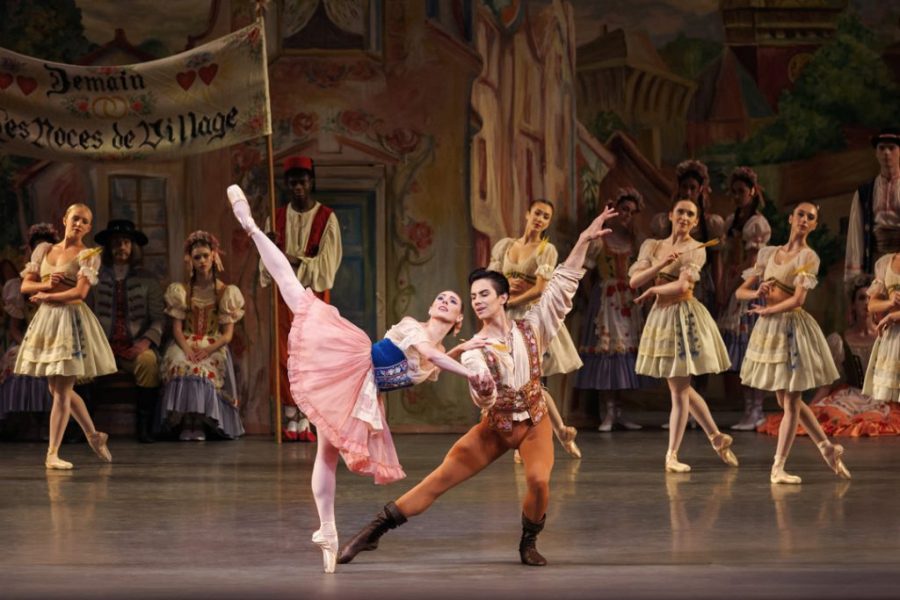
The visual life of Coppélia
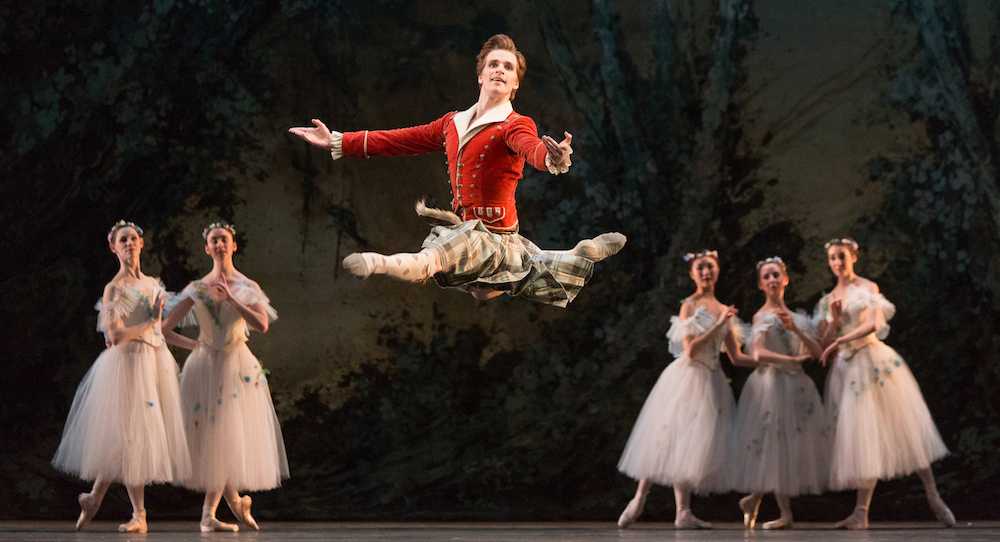
The ballet’s stage imagery—village square, Dr. Coppélius’ workshop, and the comic tableaux of masquerade—has produced instantly recognisable visual motifs. Because the story depends on theatrical misperception (an automaton mistaken for a living girl), designers and directors have found room to vary costuming and scenography: productions can favour rustic naturalism, fairy-tale simplicity, or a more stylised, classical look. Such visual variability contributed to the work’s adaptability across eras and companies.
The dancers and performances that shaped its legacy
From the premiere casting of Giuseppina Bozzacchi as Swanhilda onwards, leading dancers have defined Coppélia through comic timing, character acting, and technical ease. The role of Franz, historically sometimes danced en travesti in Parisian practice, points to the ballet’s fluid conventions of casting and theatrical tradition. Across companies, performers who combined dramatic clarity with classical finesse tended to set interpretive standards: the ballet rewards theatrical precision as much as bravura, and that balance is why particular interpreters helped fix audience expectations for scenes of comedy and pas de deux.
Companies, revival patterns, and repertory life
Coppélia has long been a staple for major companies worldwide. It appears regularly in the repertories of national and regional companies, including repeated stagings at the Paris Opera and in the Russian and international repertory circuits. The work’s combination of accessible story and musical distinction makes it suitable for diverse company needs—from gala performances to full-length seasonal programming—ensuring steady transmission and stylistic renewal.
Why Coppélia’s history matters
Coppélia’s long life shows a particular mechanism of repertory survival: a vivid, scene-driven libretto and an idiomatic, memorable score created a durable skeleton that choreographers and companies could dress differently across time. Rather than remaining static, Coppélia exemplifies a work whose identity is co-authored by music, theatrical tradition, and countless revivals. Its importance is therefore not a single original text frozen in amber but a sustained conversation between Delibes’ music, Saint-Léon’s theatrical instincts, and the rehearsal rooms and stages that reshaped style for new audiences.
Author: Eric M.