Roméo et Juliette: how Prokofiev’s score was reshaped into three balletic…
Prokofiev’s Romeo and Juliet began as a modern, richly orchestrated response to Shakespeare. Composed in 1935–36, the score quickly became the raw material for very different balletic interpretations. Studying those stagings reveals how a single musical text was translated into competing theatrical languages: grand stage-theatricality, intimate lyric character work, or a hard-edged psychological tragedy.
Quick answer
Prokofiev supplied a vivid, dramatic score; Lavrovsky’s 1940 Kirov staging established a large-scale theatrical model (despite altering the score), Cranko re-centred the work on lyrical character and duets in 1962, and MacMillan’s 1965 Royal Ballet version pushed the work toward psychological realism and social violence. Each turning point rebalanced how the ballet handles lovers’ lyricism, pantomime, and tragedy.
What this article explains
- The musical origins of the ballet and Prokofiev's role in shaping dramatic material.
- How Lavrovsky, Cranko and MacMillan redirected emphasis among duet lyricism, theatrical storytelling, and tragic intensity.
- Why these different stagings created distinct repertory lineages and interpretive expectations.
How the ballet began
Sergei Prokofiev composed Romeo and Juliet in 1935–36 (the commission dated to 1934), producing a full orchestral score from which he later fashioned suites and piano reductions. The music itself carried a modern harmonic language, memorable thematic writing for the lovers, and a clear sense of dramatic pacing — qualities that invited choreographers to build very different stage narratives around the same sonic material.
Lavrovsky and the first canonical stage language
The first widely influential full staging was Leonid Lavrovsky's 1940 production for the Kirov (Mariinsky) Ballet. That production imposed a grand, theatrical structure onto Prokofiev's score and made significant structural changes that even prompted protest from the composer. Lavrovsky’s approach favoured stage-theatrical expression: broad pantomime, sculpted crowd scenes, and a scale that foregrounded spectacle and clear storytelling over intimate lyricism.
Lavrovsky's compromises with the score and his expansive dramaturgy mattered because they created an early template: this ballet could be presented as epic tragedy rather than as a string of intimate dances. The Lavrovsky model helped the work enter Soviet repertory life as a large-scale theatrical event, shaping audiences’ earliest balletic impressions of Shakespeare's lovers.
Cranko: lyricism and character-driven storytelling
John Cranko's 1962 staging for the Stuttgart Ballet took a different path. Rather than privileging public spectacle, Cranko focused on flesh-and-blood characterisation and the lovers' duets. His version emphasises lyricism in the pas de deux and vivid, psychologically believable portraits of the principals, making the relationship between Romeo and Juliet the ballet's central engine.
Cranko's re-centering did more than alter choreography: it shifted which moments choreographers and audiences treasured. Where Lavrovsky elevated large set-pieces, Cranko allowed the lyrical intimacy of the duets to become the primary vehicle for dramatic truth, and his Romeo and Juliet became a repertory cornerstone for companies seeking a version that foregrounded tenderness and character nuance.
MacMillan and the turn to psychological intensity
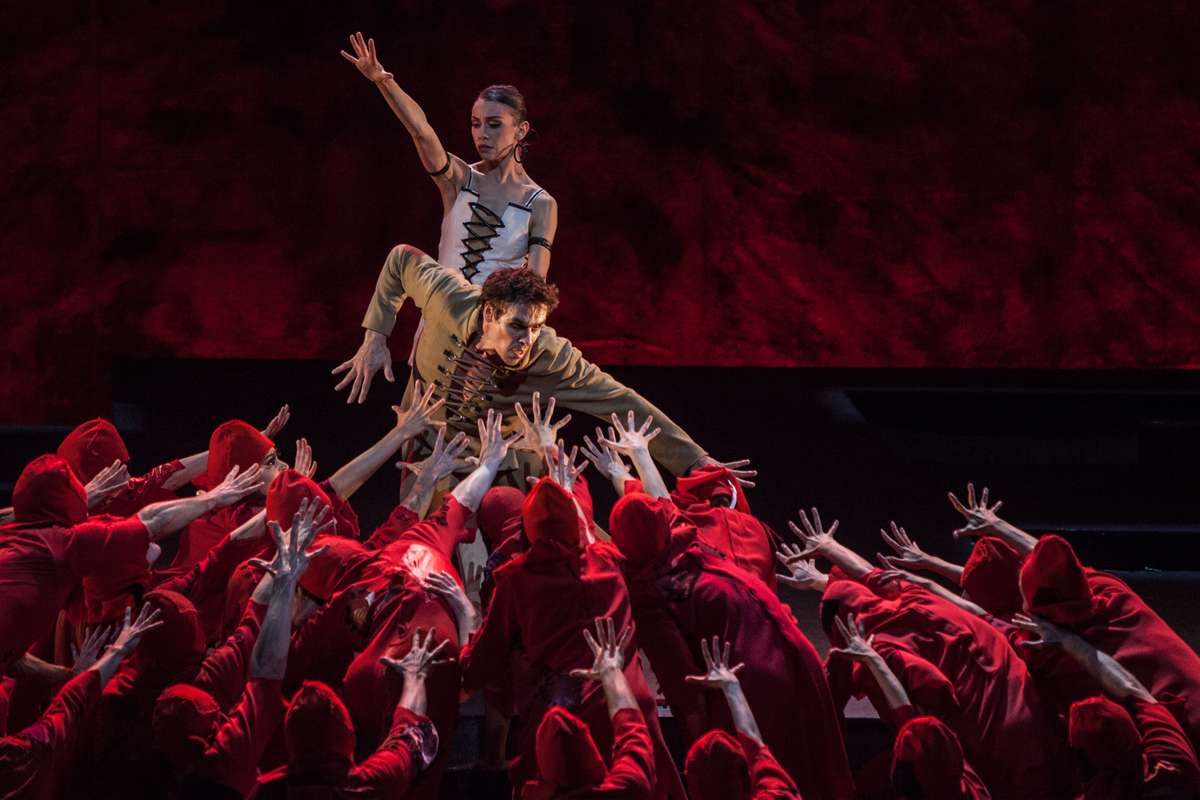
Kenneth MacMillan's production for The Royal Ballet, which premiered on 9 February 1965 at Covent Garden, represents a third temperament. MacMillan pursued a more contemporary, psychologically intense reading of the story: he amplified social violence, emphasized the emotional and physical consequences of Verona's feuding, and pushed the lovers toward rawer, more urgent dramatic states.
MacMillan’s handling of Prokofiev's score favoured moments of sharpened theatricality and visceral confrontation. As a result, his version quickly became an international reference point for companies seeking a Romeo and Juliet that did not merely romanticize the lovers but confronted the brutal social forces arrayed against them.
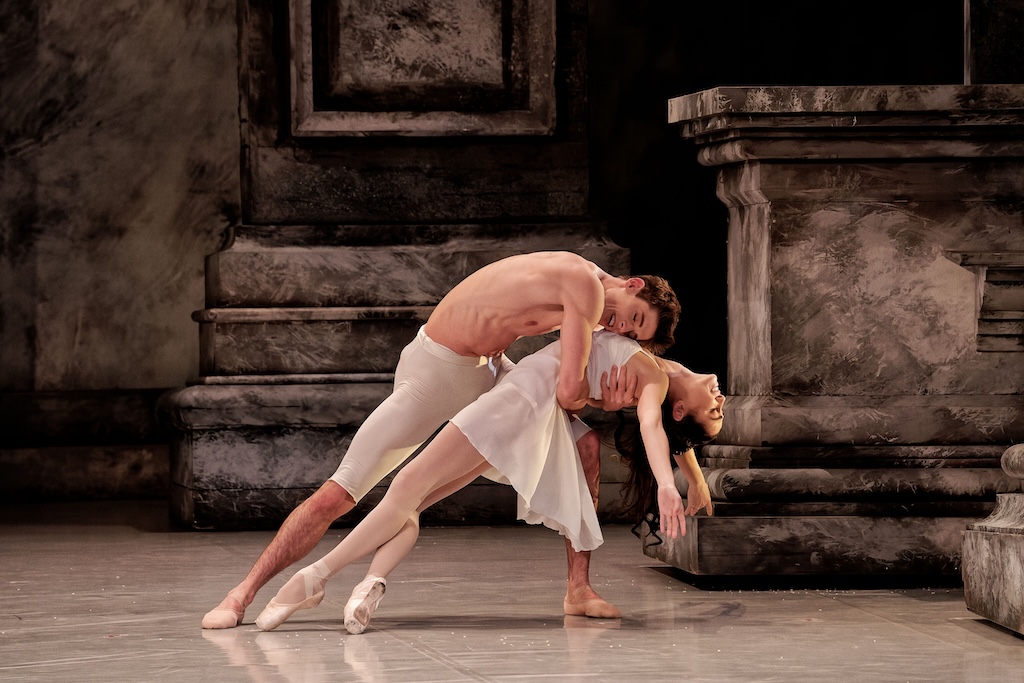
The score and its decisive role
Throughout these divergent stagings, Prokofiev's music remained the decisive element that choreographers negotiated. The score contains clear lyrical material for the lovers, sharply etched motifs for conflict, and a dramaturgical architecture that can support either intimate pas de deux or sweeping ensemble tableaux. Because choreographers could choose which dramatic contours to emphasise, the same musical episodes were repeatedly reinterpreted as duets, pantomime passages, or tragic climaxes.
Prokofiev's suites and reductions further propagated the music beyond any single production, allowing orchestras and companies to foreground particular instrumental colors and tempos that shaped audiences' memories of the work even when staging changed.
Performance traditions and interpreters who mattered
While this article does not catalogue every famous performer, the repertory life established by Lavrovsky, Cranko and MacMillan created different expectations for dancers. Lavrovsky's model demanded theatrical presence and the capacity to sell large pantomime; Cranko asked for heartfelt lyric partnering and expressive tenderness in the duets; MacMillan required physical realism and the stamina to enact social violence convincingly. These divergent technical and dramatic demands shaped casting choices and training emphases in companies that adopted each version.
Rudolf Nureyev also made his mark by creating stagings that combined dramatic intensity with virtuosic display; his productions (one notable premiere was at the London Coliseum on 2 June 1977) entered the repertory of major companies, adding another lineage that emphasised bravura and expressive force.
Revivals, reinterpretations and company lineages
The ballet's repertory life can be read as a conversation among companies over how to weight lyricism, theatrical pantomime, and tragic realism. Lavrovsky's 1940 production anchored an early, large-scale Soviet tradition. Cranko's 1962 Stuttgart version created a character-focused line that companies seeking intimate duets still follow. MacMillan's 1965 Royal Ballet production generated an international template for psychological realism and social choreography.
Because each staging emphasised different aspects of the score, companies choosing among them effectively choose a dramaturgical identity for the work: spectacle, lyric intimacy, or psychological modernity. Nureyev's stagings added yet another option by combining dramatic intensity with male virtuosity, reinforcing that Prokofiev's music can sustain multiple technical and expressive priorities.
Why this ballet's shifting life matters
The long-term interest in Romeo and Juliet as a ballet arises not from a single definitive staging but from the score's capacity to sustain competing theatrical logics. Prokofiev provided a musico-dramatic skeleton rich in lyric motifs and conflictual rhythm; Lavrovsky, Cranko, MacMillan and later interpreters treated that skeleton differently, each producing a distinct repertory lineage. Understanding this history clarifies why productions often feel like different ballets—because they are: the same music is repeatedly translated into new choreographic grammars that privilege either duet lyricism, pantomimic theatre, or heightened tragic realism.
That interpretive plurality is the work's most historically interesting feature. Rather than being fixed by an original choreography, Roméo et Juliette has become a living arena where companies and choreographers declare what the story should emphasise. The result is a repertory whose continuing vitality rests on multiplicity: listeners know Prokofiev's themes; spectators choose which temperament of Verona they want to see.
Author: William L.