Sleeping Beauty Ballet: Backstage Legends, Defining Interpretations and Stage…
The Sleeping Beauty is more than an opulent fairy tale onstage; it is a living archive of classical ballet technique, production craft and interpretive lineage. Its music, choreography and early production circumstances generated a repertoire full of stage moments — the Rose Adagio, the Lilac Fairy’s calm authority, Act III’s wedding divertissements — that companies and ballerinas have repeatedly revisited in search of fidelity, theatrical elegance, and renewed meaning.
In short
The Sleeping Beauty became a cornerstone of classical ballet because Tchaikovsky’s score, Marius Petipa’s choreography and the Imperial production apparatus combined to create a work whose signature scenes and technical demands — notably the Rose Adagio — continue to shape repertory, revivals and archival reconstruction efforts.
What this article uncovers
- How the original team (Tchaikovsky, Petipa, Ivan Vsevolozhsky) set an enduring template for full-length classical ballet.
- The premiere context at the Mariinsky Theatre and the production forces behind it.
- Why the Rose Adagio, Act III divertissements and archival reconstructions matter to modern stagings.
- Which revivals and interpreters shaped the 20th-century understanding of the work.
Jump to
How this ballet entered ballet memory
The Sleeping Beauty lodged in cultural memory because of a rare conjunction: Pyotr Ilyich Tchaikovsky produced a full-length score of singular warmth and formal clarity; Marius Petipa supplied choreography steeped in classical order and spectacle; and the Imperial theatres marshalled resources and artists to present the work as a showcase of corps de ballet precision, virtuoso variations and pageant-like theatricality. Together these elements made the ballet not merely a storybook entertainment but a template for what a classical full-length ballet could be.
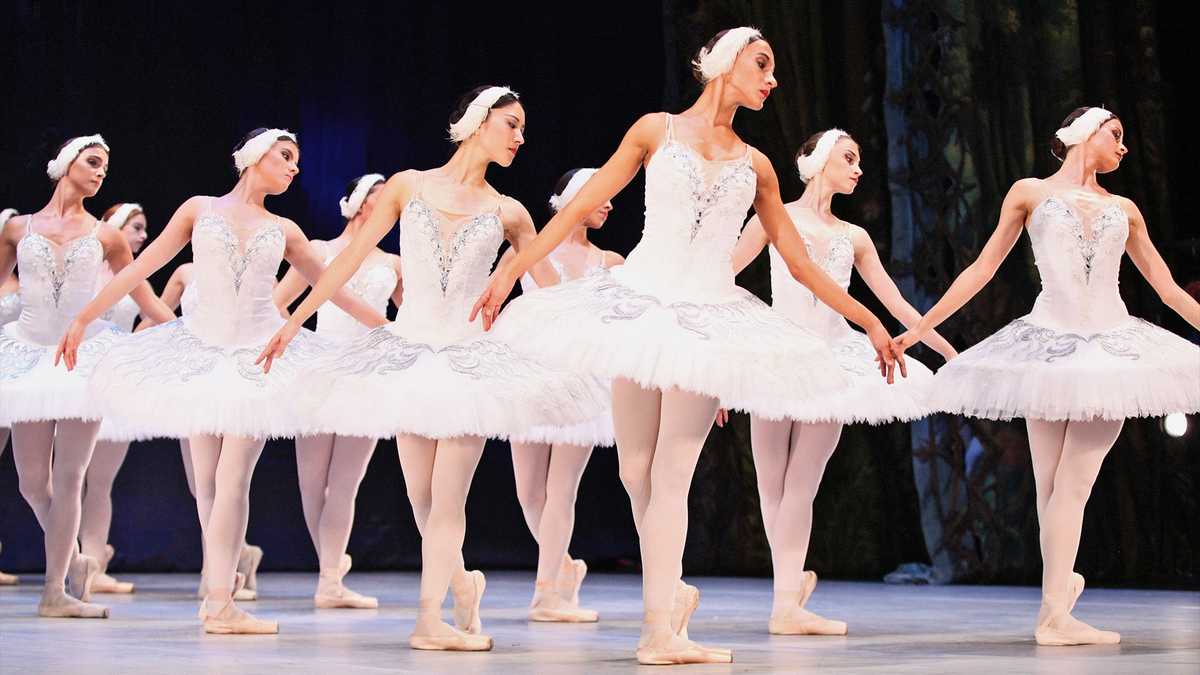
Certain set-pieces — the Prologue announcing Aurora and the Lilac Fairy, the Rose Adagio demanding pinpoint balance and poise, and the Act III wedding divertissements that assemble national variations and grand pas de deux — became shorthand for the ballet’s technical and theatrical demands. Those sequences persist in company repertoires because they encapsulate both the narrative high points and a conservatory of classical technique.
The creation story and premiere at the Mariinsky
The Sleeping Beauty was commissioned in the Imperial Russian context: Ivan Vsevolozhsky, Director of the Imperial Theatres, spearheaded a project that paired Tchaikovsky’s Op. 66 with a libretto drawn from Charles Perrault’s La Belle au bois dormant. Marius Petipa provided the original choreography.
Its premiere took place at the Mariinsky Theatre in Saint Petersburg on 3 January 1890 (Julian calendar) / 15 January 1890 (Gregorian calendar), conducted by Riccardo Drigo. Carlotta Brianza created the role of Aurora in that first production. From the start, the ballet was presented as a lavish, full-length spectacle — a prologue and three acts — intended to display the strengths of Imperial ballet: musical sophistication, choreographic refinement and stagecraft.
The story people keep telling: the Rose Adagio as a test and a symbol
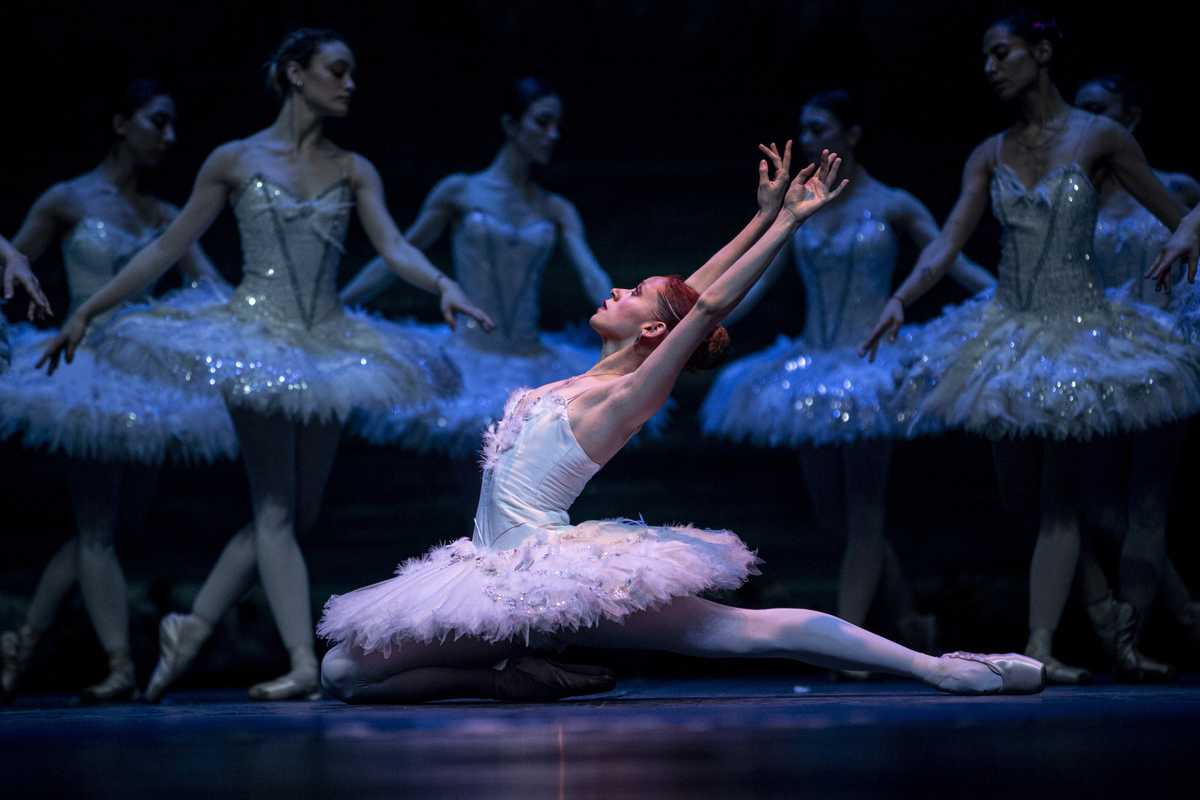
Among the ballet’s scenes, the Rose Adagio in Act I stands out as the emblematic moment that both thrills audiences and exposes a ballerina’s technical and theatrical mettle. It is often cited in program notes and critical memory as the test piece for Aurora: it requires sustained balances, controlled promenades and the illusion of ease under pressure. Because the scene concentrates technique, narrative charm and visible theatrical risk, it has become a touchstone for how companies and individual dancers are remembered in the role.
That concentration of meaning is part of why revivals repeatedly return to Petipa’s structure and to the Rose Adagio as a scene to honor, preserve and sometimes re-examine. The sequence functions less as isolated showmanship than as a keystone revealing how the ballet fuses character, musical phrasing and classical line.
Great interpreters, revivals and the archival impulse
Through the 20th century the ballet’s modern life was shaped by revivals and by reconstructions that sought to preserve Petipa’s choreography. Notable among these is the work tied to the Sergeyev Collection: not a single modern staging but a body of archival materials that influenced twentieth-century stagings and authenticist projects. Those materials allowed later choreographers and companies to draw on Petipa’s original designs rather than only on generations of adaptation.
The Royal Ballet lineage, tracing through the Vic-Wells tradition, mounted influential stagings in the mid-20th century: Nikolai Sergeyev’s 1939 stagings and the Royal Ballet re-opening production of 1946 (in a De Valois production) helped cement a western-European understanding of how The Sleeping Beauty should look and move onstage. Leading mid-century and later ballerinas and companies — across Russian and Western traditions — made the role of Aurora and other principal parts central to their repertory identities, each interpreters’ focus reinforcing the ballet’s canonical status.
What stage and studio reality reveals about performing The Sleeping Beauty
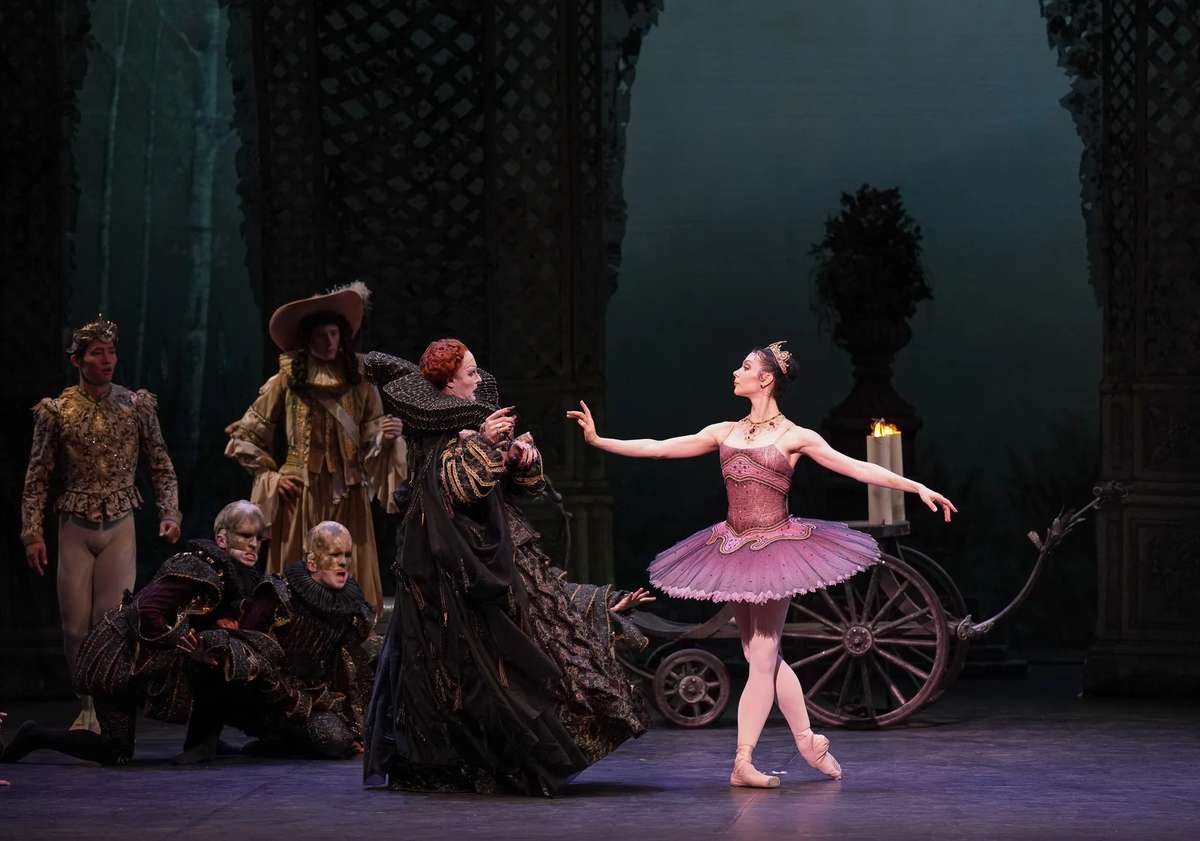
Performers and rehearsal rooms understand the ballet as a cumulative exercise in classical craft. The Prologue and Act I require lyrical phrasing and composure; the Rose Adagio demands controlled strength; Act III’s divertissements require stylistic variety as companies mount national variations and complexes of technique. These demands explain why the ballet functions as both repertory centerpiece and training benchmark: it tests endurance, partnering, corps precision and a company’s breadth of stylistic capability.
Because the work is full-length and formally structured, staging it is a production commitment. Companies that mount The Sleeping Beauty make a statement about their classical credentials and about their capacity to sustain long-form narrative choreography together with large-scale divertissements.
Why audiences keep returning
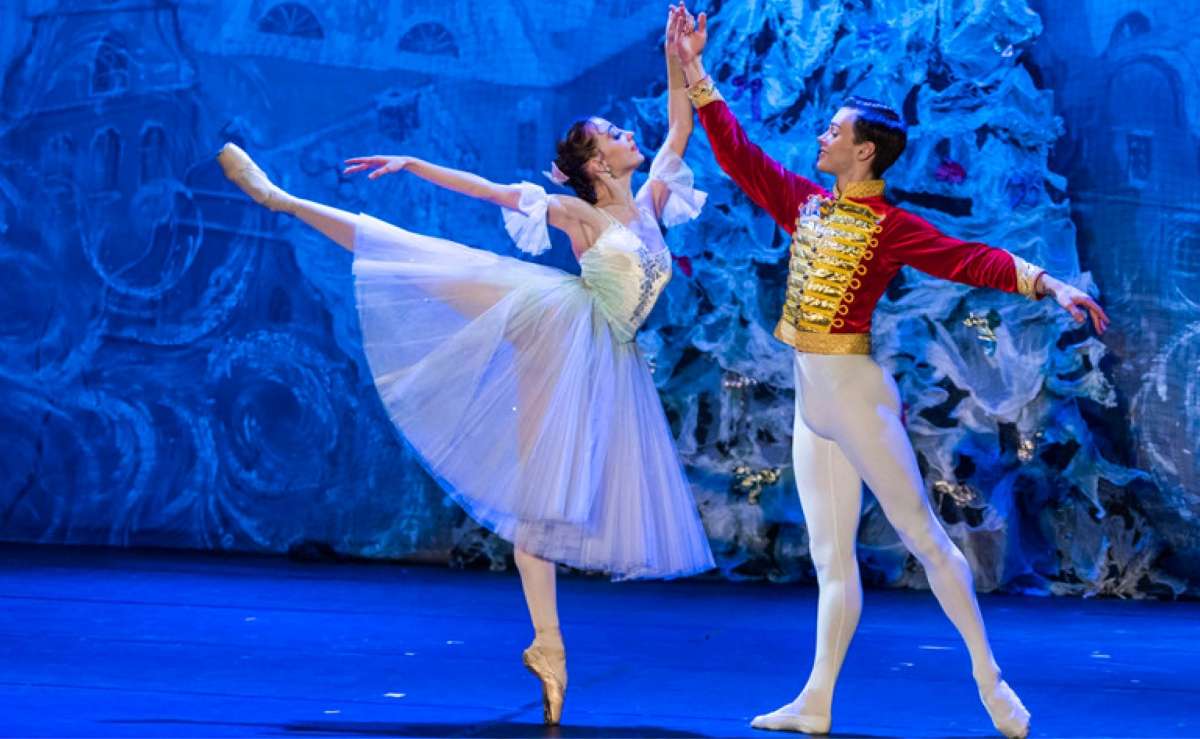
Audiences return to The Sleeping Beauty for a mixture of musical richness, choreographic clarity and theatrical pageantry. Tchaikovsky’s score supplies memorable leitmotifs and orchestral color; Petipa’s choreography offers both lyrical romance and virtuoso display. The wedding act’s sequence of divertissements provides variety and spectacle in a final affirming tableau. Collectively, these elements satisfy both the appetite for narrative fairy-tale and the appreciation of classical discipline.
In repertory terms, the ballet endures because it is both a tradition to be conserved and a stage on which generations of dancers demonstrate continuity with the past while adding their personal stamp.
Closing interpretation
The Sleeping Beauty remains a living memory of ballet because it encodes the art form’s founding promises: a composer’s elevated musical frame, a choreographer’s codified classical grammar, and a theatrical institution’s capacity to marshal spectacle. Whether through the Rose Adagio’s concentrated challenge, archival reconstructions that recover Petipa’s hand, or the mid-century revivals that carried the work westward, the ballet continues to return to stages precisely because it asks performers and audiences to witness classical ballet at its most formal, radiant and exacting.
Author: William L.