Swan Lake’s Swan: Backstage Stories, Defining Interpretations and the Stage…
Swan Lake’s swan—Odette and her mirror image Odile—has produced some of ballet’s most enduring stage memories. The reason is not only Tchaikovsky’s music but the way a single 1895 revival, a handful of signature dances, and a lineage of legendary interpreters turned a troubled nineteenth‑century score into a living international repertory.
In short
The modern memory of the Swan centres on the 1895 Mariinsky revival by Marius Petipa and Lev Ivanov, a set of unmistakable stage moments—lakeside ensemble, the Dance of the Little Swans, the Black Swan variation—and a succession of interpreters whose Odette/Odile choices fixed the role’s dramatic possibilities.
What this article uncovers
- How the 1895 Petipa/Ivanov revival reordered Swan Lake into the repertory staple we know.
- The specific stage moments that became signature highlights and why they matter.
- Which interpreters and stagings reshaped public perception across the 20th century.
Quick access
How this subject entered ballet memory
Pyotr Ilyich Tchaikovsky composed Swan Lake in 1875–1876 and the ballet first reached the stage in 1877, but the work that lodged in the international repertory is the 1895 Imperial Ballet revival produced at the Mariinsky Theatre. That staging, mounted by Marius Petipa and Lev Ivanov and premiered on January 15, 1895, reorganized the score and choreography into the dramatic architecture companies still use today.
Petipa’s hand set the structural scaffolding; Ivanov’s lakeside choreography gave the ballet its atmospheric soul. Together, they transformed Swan Lake from a one‑off composition into a performative template—one that foregrounds the white corps, the dual role of Odette/Odile, and a balance between court spectacle and uncanny lakeside lyricism.
Signature stage moments
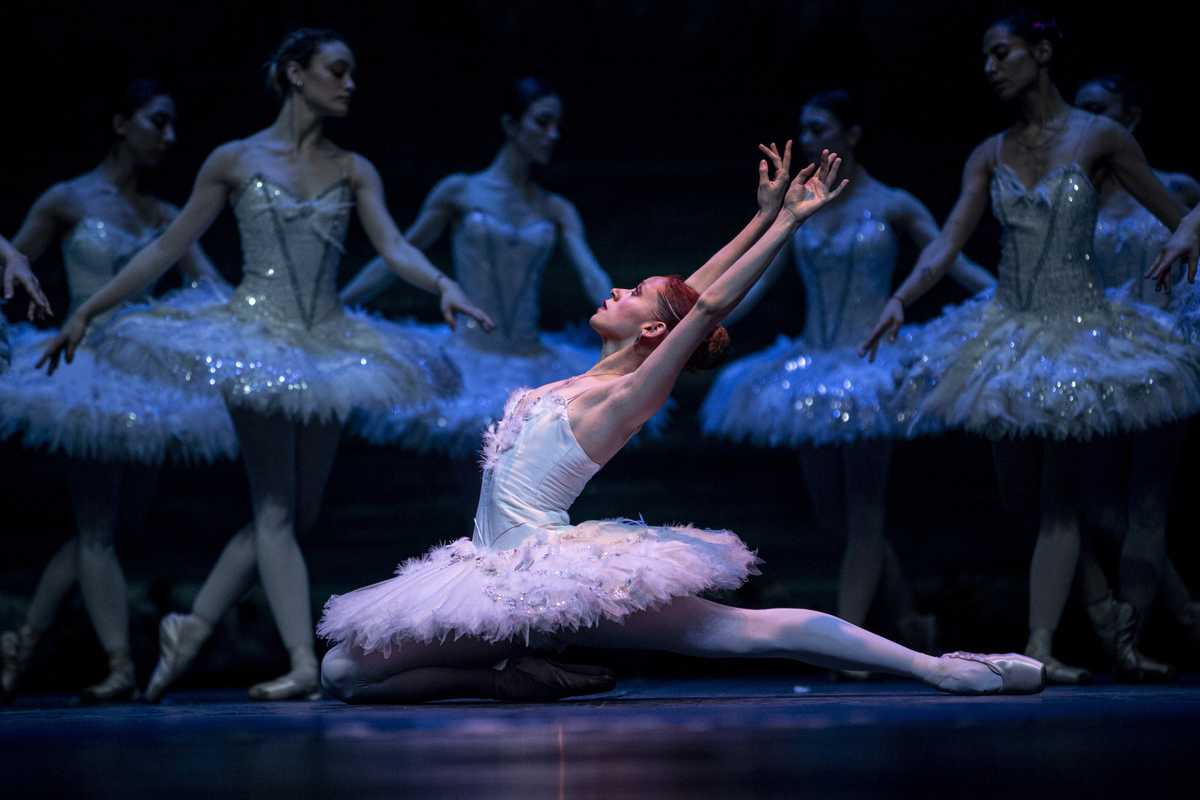
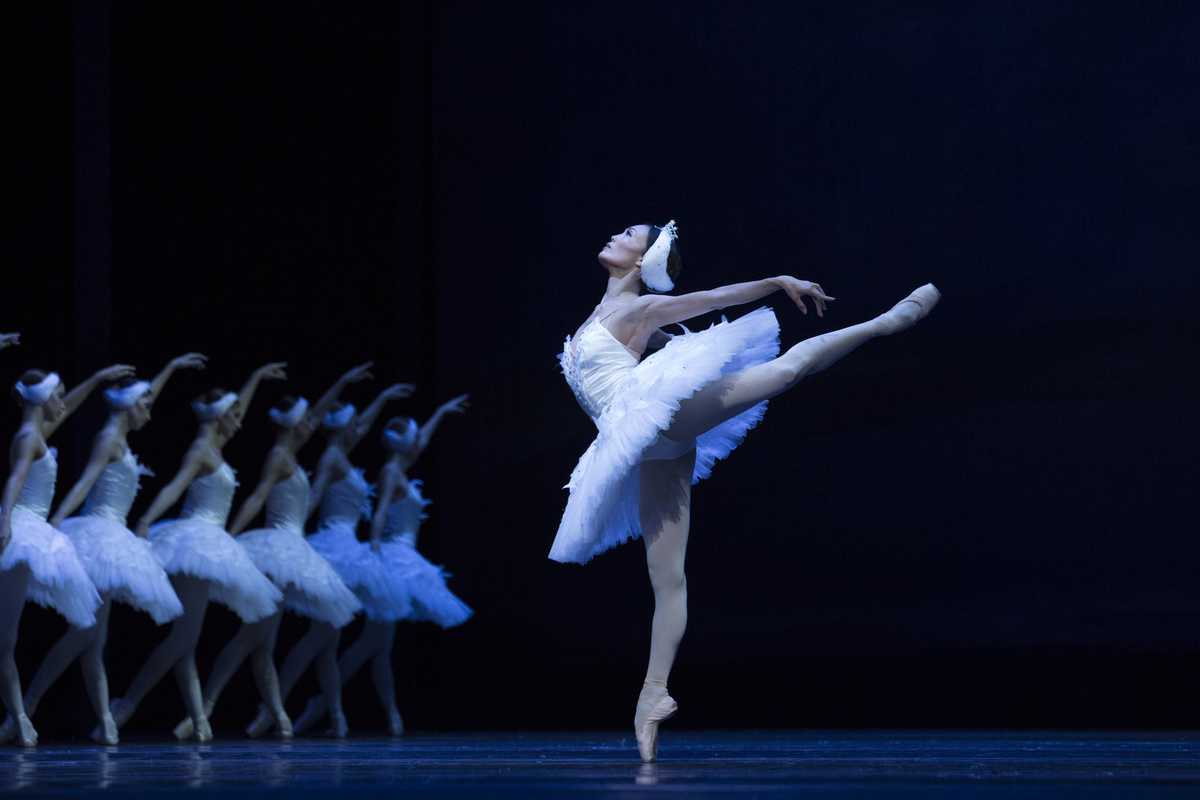
Certain dances from the Petipa/Ivanov staging became shorthand for the ballet’s meanings. Ivanov’s lakeside scenes codified the eerie, ensemble-driven image of the swans; their slow, unified arm work and corps patterns created an iconography that even new stagings reference.
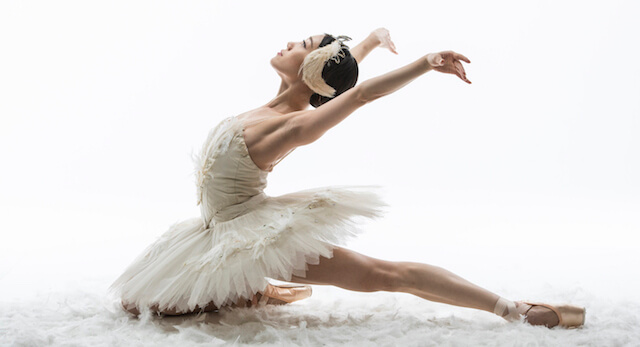
The Dance of the Little Swans (the pas de quatre) is a compact, technically demanding ensemble that arrested audiences with its precision and has become a gymnastic measure of company discipline. By contrast, the Black Swan pas de deux—often reduced in popular reference to Odile’s showpiece variations—provides the dramatic counterpoint, allowing Odile’s theatrical bravura to play against Odette’s lyrical vulnerability.
The creation story or origin point
The ballet’s musical origin lies with Tchaikovsky, whose score was composed in the mid-1870s. The creative turning point that made Swan Lake the repertory standard was not the 1877 premiere but the 1895 Mariinsky revival, where Petipa and Ivanov re-envisioned the choreography and scene order. This revival established both the structural outline and many of the choreographic moments—particularly the lakeside acts—that define most modern productions.
Seminal interpreters and partnerships
Across the twentieth century certain dancers became touchstones for how Odette/Odile could be performed. Pierina Legnani was present in the 1895 revival and is historically associated with that era’s technical standards. Later figures—Anna Pavlova, Maya Plisetskaya, Margot Fonteyn (notably in partnership with Rudolf Nureyev), and Natalia Makarova—each contributed distinctive technical and dramatic emphases to the dual role, shaping how audiences and companies understood the Swan’s emotional range.
Rudolf Nureyev’s stagings and his celebrated partnership with Margot Fonteyn in the 1960s played a decisive role in the ballet’s Western reception, bringing renewed dramatic focus and international attention to Swan Lake. Such high‑profile collaborations helped cement the work’s status as both a technical challenge and a vehicle for star artistry.
Reinterpretations and changing endings
Throughout the twentieth and twenty‑first centuries choreographers and companies have reinterpreted Swan Lake’s libretto and dramatic emphasis. Productions by directors such as Kenneth MacMillan and Yuri Grigorovich, among others, demonstrate how the ballet’s narrative can be reshaped: some stagings preserve a tragic conclusion, others favour a redemptive resolution, and many adjust staging and design to foreground different psychological or political readings.
These variations reveal Swan Lake’s adaptability. The Petipa/Ivanov template remains a reference point, but later reinterpretations show that the work’s emotional logic can be redirected without losing its core—Tchaikovsky’s music and the twin swan archetype.
What the stage and studio reality reveals
Onstage, the Swan demands contrasts: the corps must achieve unanimity in the lakeside ensemble while principal dancers negotiate the technical extremes of Odette’s lyrical phrasing and Odile’s pointed virtuosity. The role’s dualism—innocent victim and seductive impostor—requires not just technique but a disciplined capacity for rapid dramatic shift, which explains why Odette/Odile became a benchmark for both technical mastery and dramatic range.
Because the Petipa/Ivanov revival standardised many set pieces, companies today still rehearse those signature moments as touchstones of stylistic fidelity even when directors choose new narratives or designs. That tension—between inherited steps and contemporary storytelling—is part of what keeps the Swan alive on stage.
Why audiences kept returning
Audiences return to the Swan for recognisable, powerful images: the white lake at dawn, the corps moving as a single organism, the shock of Odile’s virtuosity. These moments are lodged in cultural memory precisely because the 1895 revival distilled them into clear, repeatable tableaux that balance spectacle and intimacy. The role’s history of great interpreters and high‑profile stagings—especially the Fonteyn–Nureyev collaboration—has also created a narrative of legacy that draws repeat attendance.
Closing interpretation
Swan Lake’s swan remains a living memory because the work combines an authoritative musical source, a defining 1895 revival that fixed stage grammar, and an evolving line of performers and productions who both honour and rework that grammar. The result is a ballet that keeps returning to the stage not as a museum piece but as a canvas: familiar motifs remain, yet each generation finds new drama in the same set of steps. That interplay—between repetition and reinvention—is the Swan’s enduring story.
Author: Eric M.