Darcey Bussell: From Training Rooms to The Royal Ballet’s Youngest Principal
Darcey Bussell is one of modern British ballet's most recognised figures: a dancer whose rapid ascent from student to star at The Royal Ballet transformed her into a defining presence on the Covent Garden stage. This article follows the clear arc of her career — how early training and a decisive casting led to a swift professional rise, and how successive seasons at The Royal Ballet built an unmistakable artistic identity.
Rather than a catalogue of dates, the portrait below explains how training, opportunity and repertory milestones combined to make a singular career. The emphasis is on process: how formation led to visibility, how a breakthrough role became a turning point, and how a sustained principalship shaped legacy.
The career in one view
From Arts Educational School and the Royal Ballet School to Sadler's Wells Royal Ballet and then The Royal Ballet, Bussell's early training and a pivotal MacMillan casting propelled her to promotion as Principal at age 20, setting the stage for a sustained principal career that concluded with a final full-length performance in 2007.
What this article explains
- Early formation and formal training that prepared Bussell for the professional stage.
- How a major casting while still a student accelerated her rise.
- The move into The Royal Ballet, promotion to Principal in 1989, and the arc to retirement in 2007.
EARLY FORMATION
Darcey Bussell was born in London on 27 April 1969. Her earliest formal preparation for a stage career came through established British dance schools that combined theatrical discipline with classical technique. Those formative environments provided the technical foundation and stage awareness that would become essential when professional opportunities arrived.
SCHOOL, METHOD, AND ARTISTIC ROOTS
Bussell's training included time at the Arts Educational School before progressing to the Royal Ballet School (Upper School). This combination of institutions is notable for its blend of theatrical training and focused classical instruction; together they shaped a dancer ready to move quickly from student performances to a professional company context.
ENTERING THE PROFESSIONAL STAGE
Her first professional affiliation was with Sadler's Wells Royal Ballet (later Birmingham Royal Ballet), a company that has long been an important first destination for dancers establishing their stage careers. From there she moved to The Royal Ballet in 1988, joining the company at a rank that allowed her to take on substantial repertory and higher-profile castings.
BREAKTHROUGH MOMENTS
A decisive moment arrived while Bussell was still a student: Kenneth MacMillan cast her in a leading role in The Prince of the Pagodas. That casting, and the subsequent association with the work, altered the immediate trajectory of her career by elevating her profile within the company and the wider ballet community. The momentum from that engagement culminated in a dramatic promotion.
PROMOTION TO PRINCIPAL AND THE ROYAL BALLET YEARS
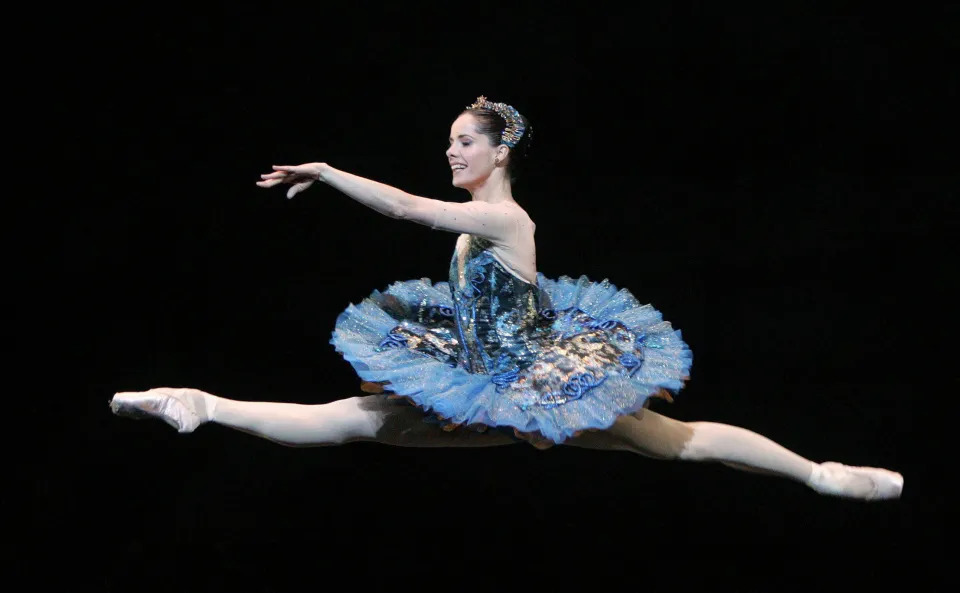
In December 1989, on the opening night of The Prince of the Pagodas, Darcey Bussell was promoted to Principal dancer of The Royal Ballet at age 20. At the time she was the youngest principal dancer in the company's history. This promotion marked a clear turning point: it transformed early promise into an institutional responsibility to lead full-length works, headline casts, and represent the company on major programmes.
MATURITY, FINAL SEASONS, AND RETIREMENT
Bussell remained a Principal dancer with The Royal Ballet through the remainder of her company career. Her final full-length performance with the company was Kenneth MacMillan's Song of the Earth on 8 June 2007 at the Royal Opera House, Covent Garden; that performance was broadcast on BBC Two. Concluding a principalship with a full-length, dramatic work underscored the continuity of her relationship with repertory that had shaped earlier turning points.
WHY THIS CAREER MATTERS
Darcey Bussell's trajectory matters because it demonstrates how institutional training, timely professional placements, and a single influential casting can combine to accelerate an artist’s ascent. The particular sequence — strong schools, a formative company experience, a high-profile MacMillan casting while still a student, and a rapid promotion to principal — illustrates a clear mechanism by which a dancer's public identity is constructed within a major company.
CLOSING INTERPRETATION
Seen as a narrative, Bussell's career is less a string of headlines than an intelligible progression: disciplined training created readiness; an exceptional casting supplied opportunity; and a swift elevation to principalship required adaptation to leadership and repertory responsibility. That pattern explains why her career remains a useful case study in how modern British ballet cultivates and accelerates talent within its institutional corridors.
Author: William L.