Maria Tallchief: America's Prima Ballerina and the Making of a Balanchine Muse
Maria Tallchief—born Elizabeth Marie Tall Chief in Fairfax, Oklahoma—became widely recognized as the first major American prima ballerina. Her career matters not only for the roles and honors attached to her name but because she helped shape what American ballet looked and felt like in the mid-20th century. This article traces how training, opportunity, repertory, and a central artistic partnership gradually built a distinctive stage persona and lasting legacy.
Quick answer
Maria Tallchief rose from an Oklahoma childhood to international prominence, became George Balanchine's leading ballerina, and anchored American ballet with signature performances—most notably in The Firebird and Balanchine's Nutcracker—before retiring to a life of teaching and institutional work in Chicago.
What this article explains
- How Tallchief's identity grew from her early life in Oklahoma to national prominence.
- Why her collaboration with George Balanchine was decisive for both artist and repertory.
- Which roles—most notably Firebird and the Sugar Plum Fairy—anchored her reputation and helped popularize ballet in America.
EARLY FORMATION
Born Elizabeth Marie Tall Chief on January 24, 1925, in Fairfax, Oklahoma, Tallchief carried an Osage heritage that later became an acknowledged part of her public identity. Her early life away from established European ballet centers meant that her emergence onto the national stage charted a different path from many of her contemporaries—one rooted in American soil yet quickly reaching international influence.
SCHOOL, METHOD, AND ARTISTIC ROOTS
Tallchief's technical and artistic foundations equipped her to meet a modernizing repertory. As American ballet matured in the mid-20th century, dancers who combined classical rigor with a readiness for neoclassical choreography were in demand. Tallchief fit that profile and became a figure capable of carrying both traditional story ballets and Balanchine's new vocabulary.
ENTERING THE PROFESSIONAL STAGE
The transition from student to professional placed Tallchief at the center of a rapidly changing ballet world. As companies in the United States began to crystallize their own identities, she quickly became a visible American presence onstage and attracted attention as a homegrown ballerina who could assume leading repertory responsibilities.
BREAKTHROUGH MOMENTS
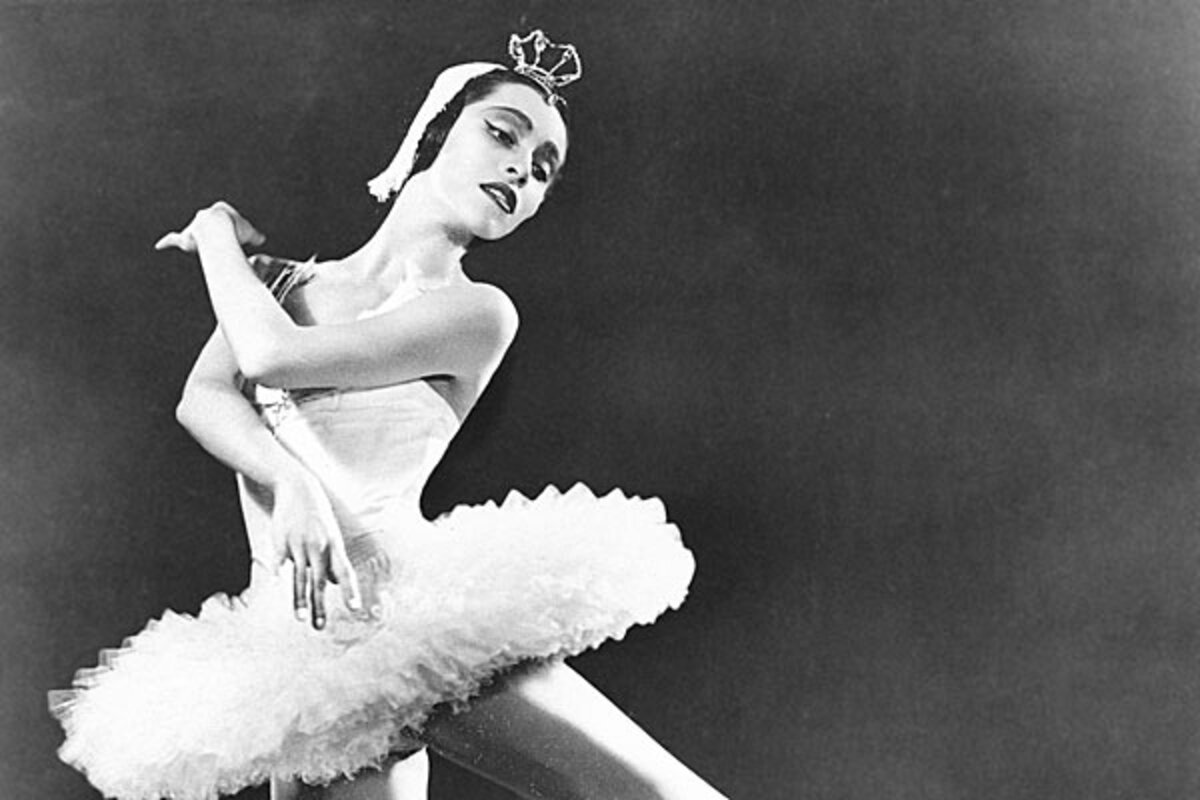
Tallchief's breakthrough came in close association with George Balanchine. In particular, her performance in Balanchine's 1949 revival of The Firebird established her as a major star and a leading interpreter of his work. That production served as a public turning point: it showcased how an American-born ballerina could define roles within the choreographer's emerging repertory and helped cement her status as a central figure in the company's artistic life.
ROLES, PARTNERSHIPS, AND DECISIVE ENCOUNTERS
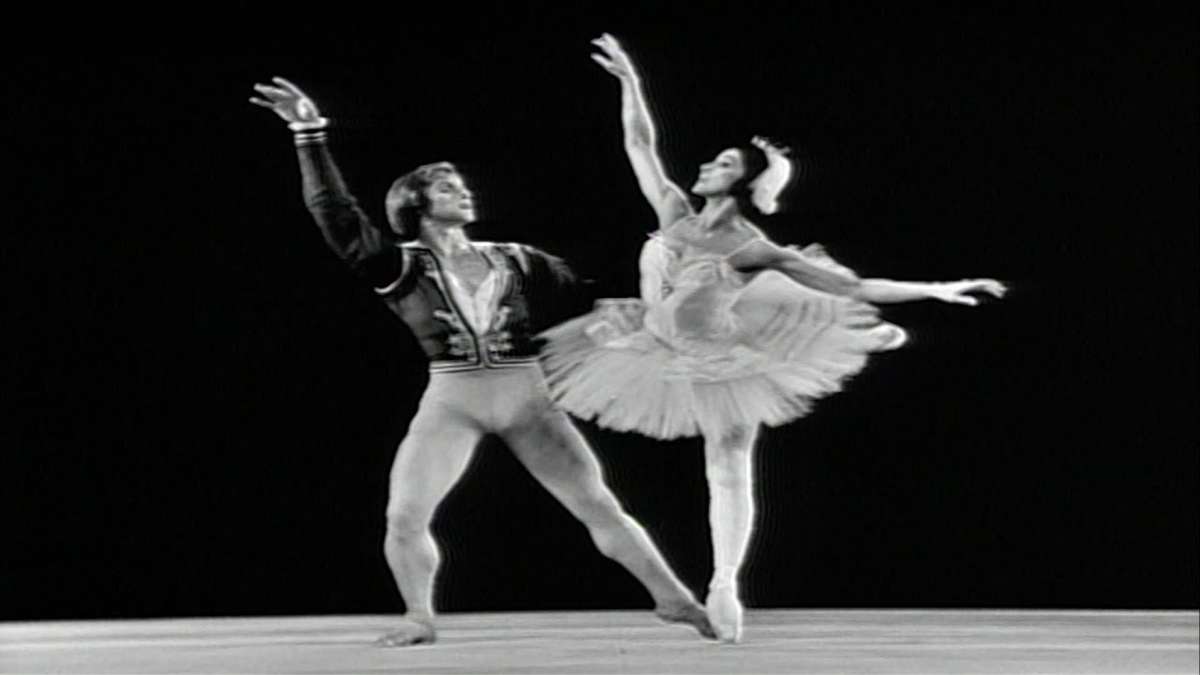
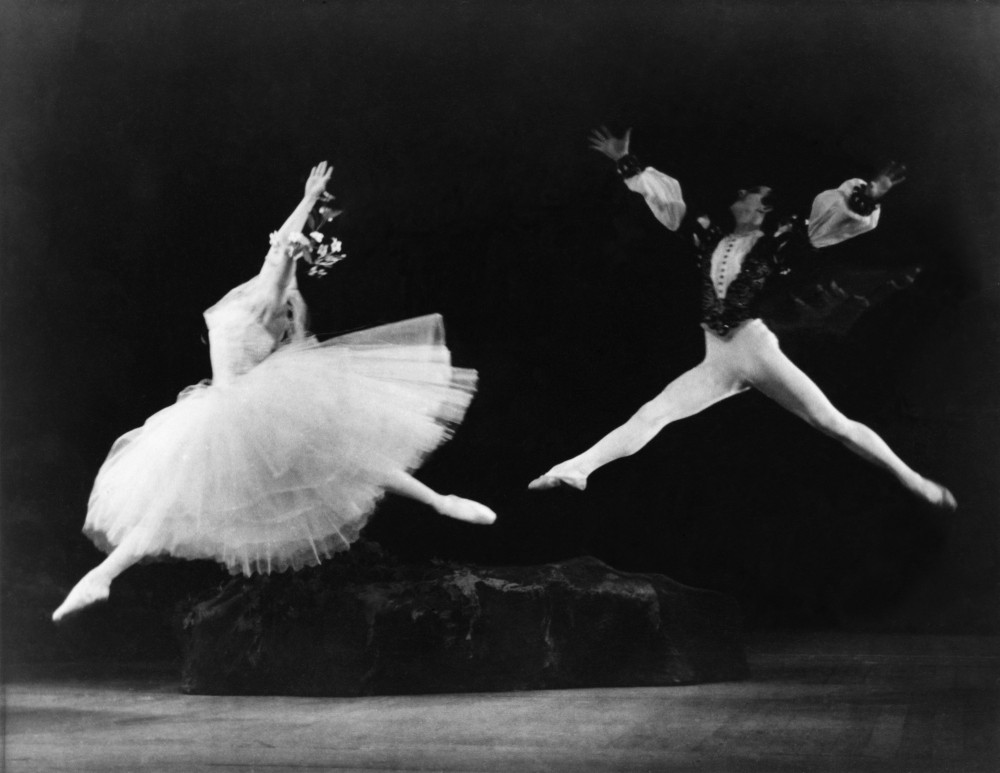
Throughout the late 1940s and 1950s, Tallchief was widely identified as Balanchine's muse and the company's leading ballerina. Balanchine cast her in prominent repertory and described her as the company's first star in many contemporary accounts. Beyond The Firebird, her appearance as the Sugar Plum Fairy in Balanchine's influential 1954 reworking of The Nutcracker played an important part in elevating that ballet's profile in America. These roles were not merely highlights on a résumé; they shaped how audiences and institutions understood both the choreographer's oeuvre and the possibilities of American ballet.
A MATURE ARTISTIC IDENTITY
By the 1950s and into the early 1960s, Tallchief had come to embody a specific fusion: the technical clarity and dramatic authority required by classical story ballets, combined with the neoclassical sensibilities Balanchine was building into American repertory. Critics and institutions recognized her as a defining presence during a formative moment for U.S. ballet companies, and she was frequently described as a prima ballerina whose authority onstage helped shape the tastes and practices of the era.
CHALLENGES, TRANSITIONS, OR REINVENTION
After a stage career that extended through the 1950s and into the early 1960s, Tallchief retired from performing and made a conscious transition into the institutional life of ballet. She settled in Chicago, where she focused on teaching and helping to found ballet organizations. This second phase of her life reflected a common arc for leading artists: moving from creation and interpretation onstage to stewardship and transmission offstage.
WHY THE LEGACY ENDURES
Tallchief's legacy rests on several verifiable pillars. She was an early, unmistakable American prima ballerina at a time when U.S. ballet was still defining itself. Her collaborations with George Balanchine—especially The Firebird revival and her Sugar Plum Fairy in Balanchine's Nutcracker—are concrete repertory landmarks. Institutional recognition followed: museums, the National Women's History Museum, the Smithsonian, and the U.S. Mint have all acknowledged her cultural and historical significance. Together, these affirmations show how one artist's career can alter perceptions of national ballet identity and leave a lasting imprint on repertory and institutional memory.
CLOSING INTERPRETATION
Maria Tallchief's story is not merely a list of firsts or famous roles. It is the account of how an American-born dancer became integral to a choreographer's vision and to the broader project of American ballet-making. Her presence in Balanchine's repertory, her authoritative interpretations of works such as The Firebird and Balanchine's Nutcracker, and her later commitment to teaching and organizational work in Chicago together map a coherent artistic trajectory. That trajectory explains why her name remains a meaningful reference point in ballet history: she helped define what an American prima ballerina could be.
Author: Eric M.