Anna Pavlova: From Imperial Training to a Touring Icon of Ballet
Anna Pavlova remains one of ballet's most recognizable figures: a dancer formed in the Russian Imperial system who carried a singular stage image around the world. This article follows how her early training, work at the Mariinsky, a defining solo, and her decision to tour with her own company together built an artistic identity that entered popular imagination.
Quick answer
Pavlova's trajectory moved from disciplined Imperial training at the St. Petersburg Imperial Ballet School and early success at the Mariinsky to a defining association with The Dying Swan and an international touring career that popularized classical ballet globally.
What this article explains
- How Pavlova's St. Petersburg training and Mariinsky apprenticeship formed her technique and stage craft.
- Why The Dying Swan became a central piece in her public identity.
- How founding a touring company and basing herself in London made her a worldwide ambassador for ballet.
EARLY FORMATION
Anna Pavlova was born in Saint Petersburg in 1881 and entered the Imperial Ballet School, the rigorous training ground attached to the Mariinsky. The Imperial School shaped generations of Russian dancers, and in Pavlova it established the technical foundation and stage discipline that would sustain a long professional life. She graduated in 1899 and immediately entered the world of the Imperial Ballet at the Mariinsky Theatre.
SCHOOL, METHOD, AND ARTISTIC ROOTS
The St. Petersburg Imperial Ballet School (later known as the Vaganova Academy) offered a codified, highly codified curriculum. Pavlova's formative years there and her early seasons at the Mariinsky placed her within that tradition: a blend of rigorous technique, theatrical presentation, and an emphasis on expressive nuance suitable for dramatic roles. This school-to-company pathway matters because it equipped Pavlova with both the technical reliability and the performative sensibility that critics and audiences could recognize when she later reinterpreted solos and classics for new contexts.
ENTERING THE PROFESSIONAL STAGE
After graduating in 1899 Pavlova joined the Mariinsky company and rose steadily through the ranks. By the first decade of the 1900s she had achieved top rank within the company and emerged as a leading ballerina. Those years at the Mariinsky were crucial: they gave her a platform in Saint Petersburg's major theatre culture and introduced her to the repertory, choreographers, and audiences that would shape her performance choices.
BREAKTHROUGH MOMENTS
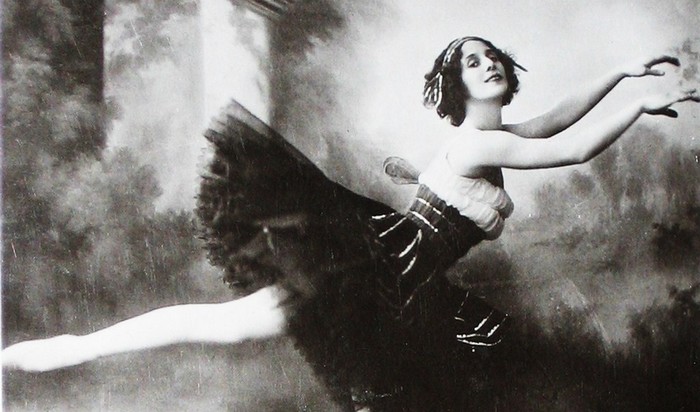
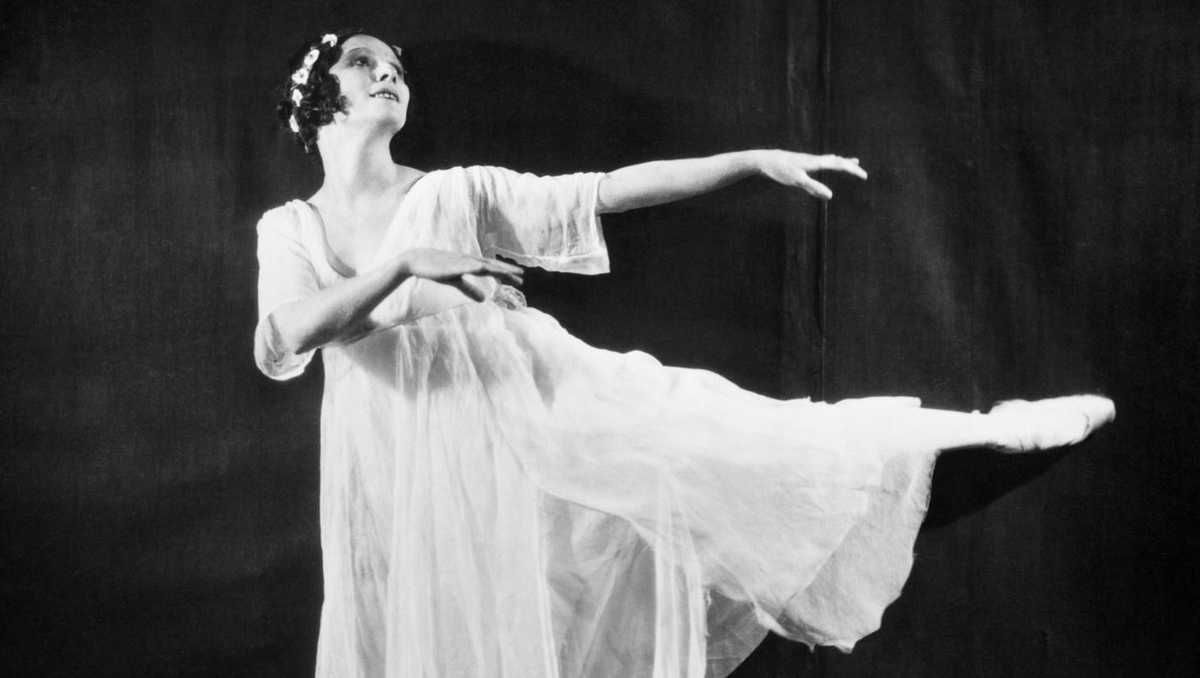
Pavlova's artistic profile shifted substantially with her association with a short, intense solo that became synonymous with her name: The Dying Swan. Choreographed by Mikhail (Michel) Fokine to Camille Saint-Saëns's Le Cygne around 1905–1907, the solo suited Pavlova's capacity for concentrated expressiveness. She performed the piece thousands of times, and its economy of gesture and theatrical focus helped fix a clear public image of Pavlova as an interpreter of lyrical, emotive miniature works.
ROLES, PARTNERSHIPS, AND DECISIVE ENCOUNTERS
Pavlova also danced with Sergei Diaghilev's Ballets Russes in Paris in 1909 and in London in 1911. Those appearances connected her with the early international modernism of Russian ballet and placed her alongside the new exchange between Russian companies and Western European audiences. The experience of working with Diaghilev and appearing on the Ballets Russes' stages exposed Pavlova to a broader theatrical milieu even as she remained grounded in the Mariinsky repertory.
FORMATION OF A TOURING CAREER
From around 1911–1913 Pavlova began touring regularly with her own company. Establishing Anna Pavlova's company and making London her base from about 1912, she took classical ballet to cities and countries that had limited prior exposure to the art form. Her tours across Europe, the Americas, Australia and Asia built a global visibility that few dancers of her generation achieved. Touring changed the nature of her repertory choices and presentation: works like The Dying Swan could travel easily and function as recognisable anchors for diverse audiences.
A MATURE ARTISTIC IDENTITY
As her career matured, Pavlova's public identity consolidated around a handful of qualities: the technical training and theatrical discipline of her Imperial formation, a carefully shaped stage persona centered on lyricism and pathos, and the mobility of a touring artist who adapted classical pieces for wide audiences. Her base in London allowed her to operate from a European cultural hub while continually reaching out to new provinces of the world.
WHY THE LEGACY ENDURES
Contemporary and later commentators credit Pavlova with popularising ballet globally. By carrying a recognisable repertoire and a singular stage persona into places that rarely saw classical dance, she made the form familiar to new publics and tied her name to what many people then understood as classical ballet. The combination of Imperial training, a signature solo like The Dying Swan, and a sustained international touring policy explains why her name became a shorthand for ballet in popular imagination.
CLOSING INTERPRETATION
Pavlova's career is a study in how institutional formation, a defining repertory choice, and entrepreneurial touring can create a durable artistic identity. She began within the exacting structures of the St. Petersburg Imperial Ballet School and the Mariinsky, found a concentrated expressive vehicle in The Dying Swan, and then converted that compact image into a global presence through her company. The result is not only a list of accomplishments but a clear example of how a dancer's public persona can be deliberately constructed and transmitted across cultures.
Author: Eric M.