Darcey Bussell’s Training World: From Royal Ballet Discipline to Rehearsal…
Darcey Bussell's career is often remembered for its striking clarity and stage confidence. This article examines the training world behind that image: the Royal Ballet School discipline, daily technique, and rehearsal practices that shaped her athletic control and performance presence. We move beyond the tidy idea of 'natural grace' to consider the studio structures, repetition and rehearsal culture that underpin a professional ballerina's clarity on stage.
Quick answer
Bussell's world combined formal Royal Ballet School training, rigorous daily class and conditioning habits, and an intensive rehearsal culture. Together these elements organised technique, musical timing and the psychological confidence visible on stage.
What this article explains
- How formal class structure and repetition create technical reliability.
- Why rehearsal differs from class and how repeated run-throughs shape performance memory.
- How discipline around body care, self-control and daily habits supports consistent stage presence.
Jump to
What ballet training really means
Darcey Bussell's training path included early vocational study and formal entrance to The Royal Ballet School, progressing into The Royal Ballet where she rose rapidly to principal. That institutional trajectory helps illustrate a broader point: ballet training is a craft built on repeatable technical tools and studio disciplines rather than a single natural gift.
At school and in company life, training organises movement through a steady sequence of practice: class establishes placement and control; rehearsal translates that placement into character and timing. For Bussell, as for many professional dancers, discipline extended beyond steps to include habits around sleep, diet and self-control that support reliable nightly performance.
Barre, centre, and technical repetition
Daily class is the technical backbone. Barre work is not merely a warm-up: it calibrates alignment, turnout, foot articulation and the coordination of arms and legs so that more complex steps can be repeated with precision. Centre work tests balance and transfers that controlled placement away from the support of the barre—adagio for sustained control, turns and petit allegro for spotting and clean timing, grand allegro for extension and propulsion.
Repetition in class produces reliable responses: the body learns to find the same placement under different rhythms and tempos. Teachers correct small details—placement of the pelvis, the length through the spine, the articulation of the foot—so that corrections become automatic. For a dancer who reaches company level, this automaticity is essential: on stage, there is little room for conscious technical thought, only the trained response.
Strength, mobility, and control
Technical refinement sits on organised strength and mobility. Ballet demands coordinated access to turnout, core stability, and foot strength without unnecessary tension. Conditioning and focused studio work help maintain that balance; in Bussell's case, attention to body care and conditioning was part of sustaining performance quality across a long career.
Control of line and foot articulation is as much about precise muscular coordination as it is about aesthetics. The daily habit of repeating specific exercises—single-leg balances, relevés, foot articulation sequences—creates the responsiveness needed for fast transitions and the long lines apparent in professional performance.
Pointe work and specific load
Pointe work introduces a distinct set of demands: alignment under load, strengthened intrinsic foot muscles and adjusted placement to protect ankles and knees. For dancers trained at The Royal Ballet School and in company, pointe practice is integrated into the technical progression so that timing, musical response and placement are consistent whether on demi-pointe or full pointe.
The discipline around pointe is practical—precise placement, careful rehearsal of steps en pointe, and repetition of the same phrasing until it can be delivered confidently in performance.
Rehearsal, memory, and artistic shaping
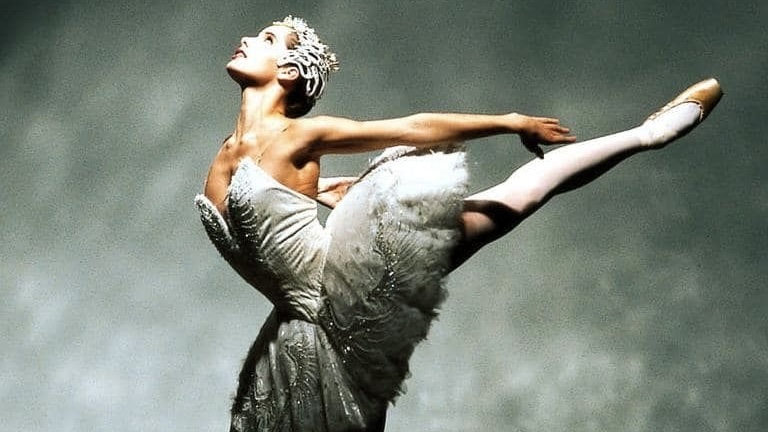
Rehearsal is where technical habits are formed into roles. Bussell has described rehearsals as spaces requiring vulnerability and honesty—working intensively with coaches and choreographers, doing repeated run-throughs to secure musical counts and physical memory. Rehearsal rehearses the brain as much as the body: repeated run-throughs build physical recall, timing with partners and corps, and the specific phrasing a role requires.
Artistic shaping emerges from many small corrections. A coach or choreographer adjusts a port de bras, refines an épaulement, or tightens a phrase's rhythm until the movement reads clearly to the audience. This iterative process is how expressive clarity is produced from technical repetition.
Recovery, fatigue, and longevity
Bussell's training world included attention to lifestyle factors—sleep, diet and measured self-control—that support sustained performance. Framed broadly, recovery and fatigue management are part of a professional approach: consistent habits and body care reduce variability and help maintain the physical and mental steadiness needed for demanding seasons.
Discussing longevity this way avoids romanticising hardship. The goal is sustainable discipline: creating routines that allow a dancer to present their best work repeatedly rather than in sporadic bursts.
The mental side of the studio
Studio discipline shapes psychological habits: concentration, receptiveness to correction, and the discipline of doing small technical tasks accurately until they become invisible. Bussell has spoken about the importance of self-control and the willingness to be vulnerable in rehearsal—traits that foster trust with partners and coaches and underpin confident stage presence.
Confidence on stage is less a sudden bloom than a consequence of predictable preparation: the knowledge that counts, phrasing and placement have been rehearsed until they can be delivered under pressure.
Why this discipline creates stage clarity
All these elements—class structure, repetition, conditioning, pointe work, rehearsal detail and lifestyle habits—combine to make effort invisible. The repeated technical work frees attention for musical response and expressive nuance. When training is organised in this way, athletic control and artistic intent arrive together: movement reads clearly, timing is trustworthy, and presence feels assured.
Darcey Bussell's path—from Royal Ballet School training to company principal—illustrates how institutional discipline and personal habits cohere into the clarity audiences remember. The finished image on stage is the visible end of a long, disciplined craft.
Author: Alex R.