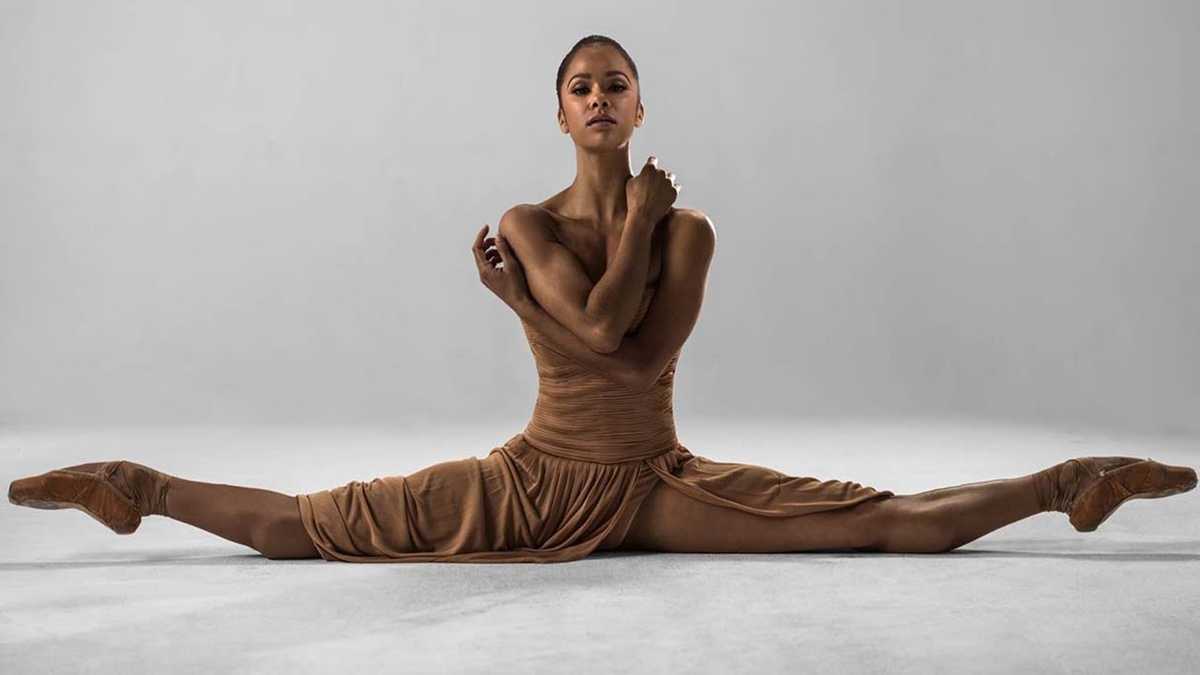
How Misty Copeland's Late Start Became a Study in Correction, Physical…
Misty Copeland's path — beginning formal ballet at age 13 and rising to principal dancer at American Ballet Theatre — reframes what classical training can require. This article explores the practical studio world behind that trajectory: the corrective work, physical organisation, rehearsal culture, and long-term persistence that shaped her development.
Quick answer
Copeland's story shows that starting late does not preclude professional success, provided training focuses on disciplined correction, organised physical work, role-specific rehearsal, and sustained persistence.
What this article explains
- How corrective technical work and physical reorganisation can accelerate progress after a late start.
- Which studio structures—class, studio company, and rehearsal—serve different training purposes.
- Why persistence, mentorship, and disciplined rehearsal matter as much as daily class repetition.
Jump to
WHAT BALLET TRAINING REALLY MEANS
The common image of ballet—an effortless line, a perfect pirouette—masks a specific, highly structured process. Misty Copeland's route, beginning formal lessons at 13 and later joining ABT's Studio Company before the main company, underscores that classical training is not only about starting young. It is about targeted, corrective work that organises the body and mind for the demands of the repertoire.
Training in this sense is craft: class builds technical grammar; rehearsal translates that grammar into roles, counts, and stage timing; and mentorship and persistence fill the gaps left by any delayed start. Copeland's path illustrates how consistent, deliberate studio practice can create a professional foundation even when a dancer's timeline differs from the typical route.
BARRE, CENTRE, AND TECHNICAL REPETITION
At its core, ballet training uses repetition to make refined actions reliable. Barre work organises placement, turnout, coordination, and foot articulation in small, repeatable patterns—pliés, tendus, rond de jambe—so the body learns accurate alignment before leaving the support of the barre. Centre work then tests that organisation: transfers of weight, adagio balance, turns, petit allegro and grand allegro sequences require the same placement under changing conditions.
For someone who began class later, focused corrective attention in these elements is essential. Teachers and coaches often prioritise repeating foundational exercises with precise feedback so that alignment and line become automatic. That repetition is not mindless drilling; it trains the nervous system to find the same position and coordination in different combinations, speeds, and musical counts.
STRENGTH, MOBILITY, AND CONTROL
Technical correction usually includes work to organise strength and mobility in service of classical line. Turnout, core support, foot articulation, and ankle stability are refined so extensions read cleanly and landings are controlled. Rather than abstract fitness goals, these aspects are shaped to serve steps: a clean développé, a stable fouetté, or a measured épaulement.
Physical reorganisation can mean re-teaching habitual patterns—how the ribcage stacks over the hips, how the hips rotate without collapsing the knee, or how the foot sequences through relevé. This detailed attention produces a coordination that supports musical phrasing and precise transitions onstage.
POINTE WORK AND SPECIFIC LOAD
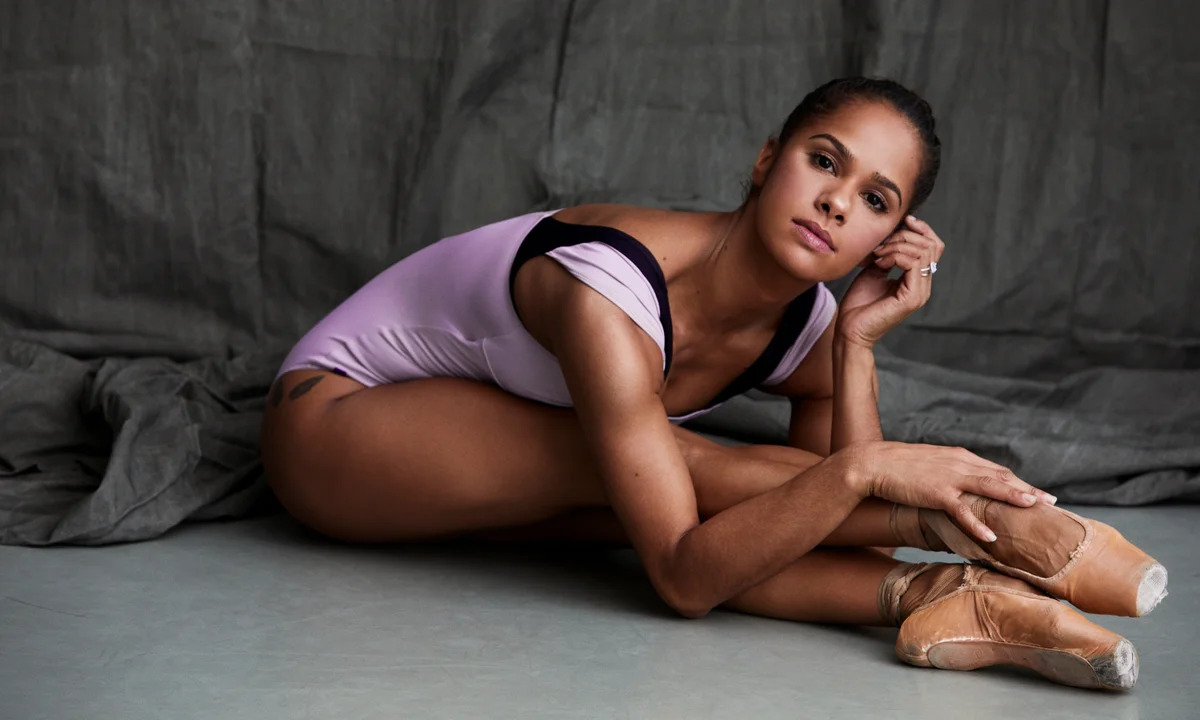
Pointe work introduces new technical demands: vertical alignment, metatarsal strength, and precise placement under the added constraint of the shoe. For dancers who transition to pointe later, teachers often stage that progress carefully, emphasising the same organisation learned at the barre and centre so the foot and ankle manage the new load safely.
Pointe is not an ornamental add‑on; it changes daily demands and requires repetition of tendu to relevé patterns, controlled balances, and intelligible phrasing so the leg line continues to read through the foot and toes.
REHEARSAL, MEMORY, AND ARTISTIC SHAPING
Class builds technical vocabulary; rehearsal turns vocabulary into role-specific work. Joining ABT's Studio Company and later the main company places dancers inside staged repertory, where counts, partnering, spatial patterns, and phrasing are learned under performance conditions. Rehearsal trains timing, ensemble awareness, and the stamina to deliver detail repeatedly to a director or repetiteur.
Artistic shaping grows through this cycle: corrections in rehearsal focus not only on steps but on musical response, transitions, and expressive nuance. Precise repetition of sections—counted and uncounted—builds the memory and consistency professional productions require. For Copeland, mentors and structured rehearsal settings provided the environment to translate technical correction into roles and stage presence.
RECOVERY, FATIGUE, AND LONGEVITY
Sustained professional work depends on habits that manage fatigue and support consistency over years. In practical terms this means pacing rehearsal loads, preserving technique under stress, and using recovery practices as maintenance rather than as a fix for accumulated damage. The goal is sustainable discipline: enough repetition to keep detail fluent without sacrificing the ability to perform reliably.
THE MENTAL SIDE OF THE STUDIO
Studio discipline requires concentration, receptiveness to correction, and the persistence to continue refining small details. Beginning later can demand particular psychological resilience: catching up technically, responding to critique, and maintaining focus through intensive study. Mentorship and role models provide not only technical guidance but also a model for navigating institutional barriers and professional expectations.
WHY THIS DISCIPLINE CREATES STAGE CLARITY
When correction, repetition, and rehearsal cohere, the result is clarity onstage. A practiced épaulement, an accurately counted sequence, or a reliably landed turn are not visible as effort; they read as line, timing, and presence. The apparent ease of a principal dancer is the archive of countless repetitions, targeted corrections, and rehearsals shaped by musical and dramatic intention.
Misty Copeland's progression—from formal training at 13 through ABT Studio Company to promotion as ABT's first Black female principal dancer on June 30, 2015—illustrates how disciplined corrective work, physical reorganisation, and persistent rehearsal can produce professional readiness even when a career starts later than usual.
CLOSING INTERPRETATION
Copeland's story reframes a simple lesson: ballet's surface elegance rests on a specific, organised process. Technical repetition, careful correction, role-focused rehearsal, and steady persistence combine into a craft. That craft makes line, timing, and expression look natural, and it allows dancers with varied beginnings to build professional lives when training is applied with purpose.
Author: Eric M.