Gillian Murphy: The Calm Technical Authority of an ABT Ballerina
Gillian Murphy is a principal dancer with American Ballet Theatre whose stage identity has long been defined by a composed, technically authoritative presence. Rather than theatrical flash, Murphy’s work registers as steady architecture: exact footwork, secure pointe technique, and repertory intelligence that serves both story ballets and classical virtuoso pieces.
Understanding Murphy matters because her artistic model emphasizes sustained control over bravura; she demonstrates how steadiness and clarity can shape an entire repertory career. This portrait examines the traces of that approach—how line and pointe assurance translate into stage persona, which roles reveal her strengths, and why her steadiness has mattered to audiences and companies.
What defines this dancer
Murphy’s reputation at American Ballet Theatre rests on composed technique—steely balance, meticulous footwork, and confident pointe work—that consistently serves both full-length classics and varied repertory.
What this portrait explains
- How Murphy’s technical steadiness creates a distinct stage identity.
- Which roles and repertory contexts best reveal her strengths.
- How her career at American Ballet Theatre frames a particular model of classical artistry.
First visual and artistic impression
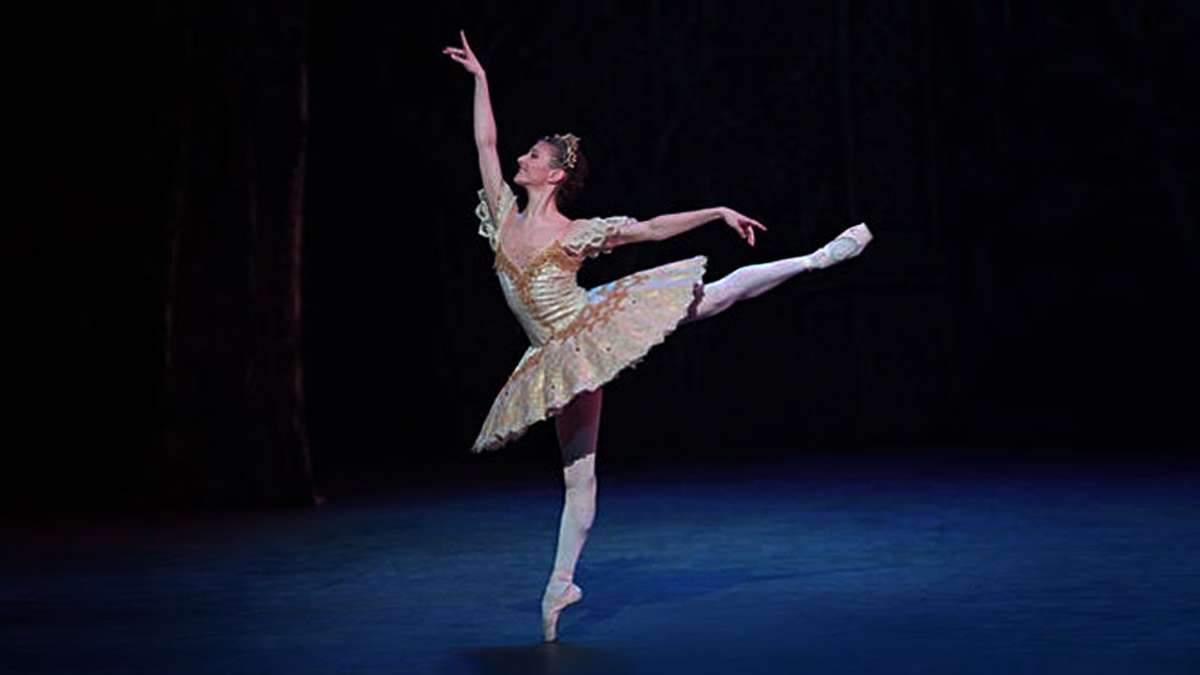
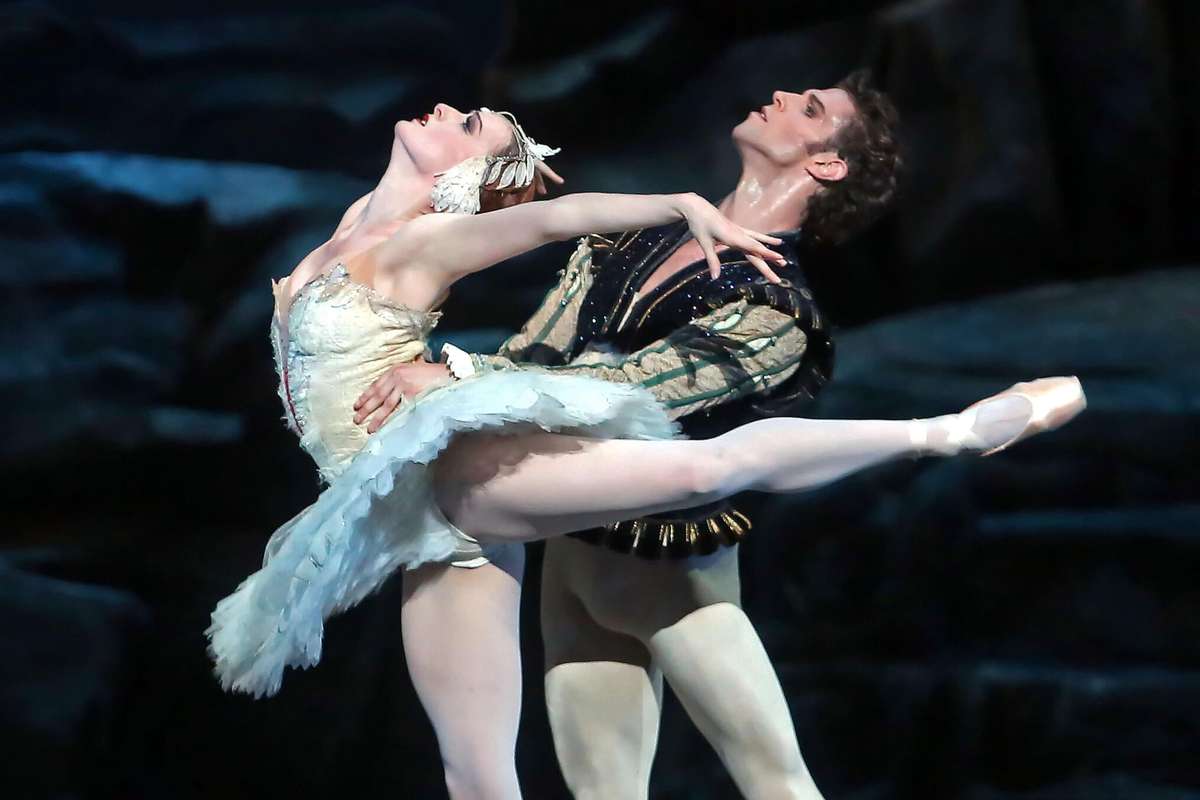
On first view, Murphy’s dancing often reads as controlled and purposeful rather than mercurial. Critics and program notes have repeatedly emphasized a composed charisma: an impression of someone who maps each phrase precisely, letting technical security create dramatic ease. This immediacy—balance without strain, port de bras that supports rather than overwhelms—helps audiences trust the narrative in story ballets and appreciate the refinement in pure classical pages.
Line, port de bras, and movement quality
Murphy’s movement quality is anchored in technical clarity. Reviews cite meticulous footwork and strong pointe technique as consistent features of her work. That combination—clean, reliable steps with assured pointe—shapes a silhouette that reads well at distance and in close inspection. Her port de bras and phrasing are deployed with an economy that emphasizes musical structure over showy embellishment, letting line and placement carry expressive weight.
Stage presence and dramatic identity
Rather than relying solely on explosive theatricality, Murphy’s stage presence is the effect of steadiness translated into character. In full-length roles her composure becomes a dramatic tool: steadied balance and secure technique let volatile moments appear earned instead of purely demonstrative. Observers note that this composed authority makes both tragic and regal parts believable—audiences accept emotional extremes because the dancer’s technique never distracts from the role.
Roles and repertoire associations
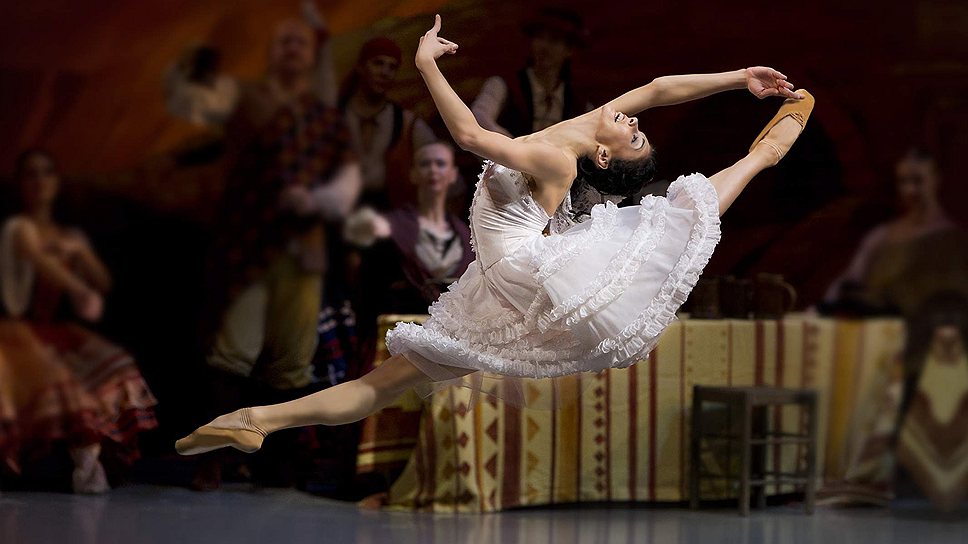
Murphy’s repertory at American Ballet Theatre includes many of ballet’s great classical and full-length roles. Her work has encompassed Odette/Odile in Swan Lake, Aurora in The Sleeping Beauty, Giselle, the dual roles in La Bayadère such as Nikiya and Gamzatti, Cinderella, Juliet in Romeo and Juliet, and varied parts in Le Corsaire and La Fille mal gardée. These roles demand a mix of narrative clarity and technical polish; Murphy’s steadiness and pointe assurance align naturally with that repertoire, allowing her to inhabit both lyrical and virtuoso passages credibly.
Career turning points and artistic context
Murphy joined American Ballet Theatre in 1996, was promoted to soloist in 1999, and became a principal dancer in 2002. Those milestones place her career firmly within ABT’s repertory culture at a time when the company balanced a broad classical canon with occasional contemporary works. Her long tenure and promotions reflect how her particular technical reliability and repertory intelligence fit ABT’s needs: a dancer who could be entrusted with demanding full-length leads and varied contracts, including guest performances with other companies such as Royal New Zealand Ballet.
What made Gillian Murphy distinctive
What separates Murphy from peers is less a singular flashy attribute than an integrated professional temperament: steadiness as aesthetic. Her steely balance and meticulous feet are not ornamental; they become the interpretive lens through which roles are built. In repertoire that prizes both classical line and narrative clarity, that temperament creates consistency—audiences and companies come to rely on a performer whose technical control reliably supports dramatic shape.
Why the legacy endures
Murphy’s artistic example endures because it models an alternative to visible bravura: a career formed by dependable technique and repertory intelligence. For companies and future dancers, that approach underlines the value of technical assurance as a form of dramatic generosity—when the feet are secure, the storytelling can be more honest. Her documented roles across ABT’s classical core and international appearances provide a verifiable record of a performer whose steadiness mattered practically (for casting and role stewardship) and artistically (for credible interpretation).
Closing interpretation
Seen in context, Gillian Murphy’s artistry reframes a familiar question in ballet: must brilliance contradict composure? Her career suggests not. By privileging technical steadiness—steely balance, assured pointe work, and repertory intelligence—Murphy carved a distinct stage identity that has practical value for large repertory companies and aesthetic value for audiences. That blend of control and musical intelligence is why her work continues to matter in conversations about classical performance and the stewardship of ballet’s major roles.
Author: William L.