Margot Fonteyn: From Royal Ballet Classicism to an Iconic Stage Partnership
Margot Fonteyn (born Margaret Evelyn Hookham, 18 May 1919–21 February 1991) stands among the twentieth century's most recognizable classical ballerinas. As the leading figure of Sadler's Wells and the Royal Ballet, her career is notable not only for repertoire and honours but for the way an artistic identity was assembled across decades of performance.
This article traces Fonteyn's development from the disciplined classical tradition associated with the Royal Ballet to the late-career resurgence and global visibility brought by her partnership with Rudolf Nureyev. The promise here is to explain how training, repertory, choreographic collaborations and a defining on‑stage partnership combined to create a lasting legacy in ballet culture.
Quick answer
Fonteyn's career maps a sustained commitment to classical repertory within the Royal Ballet tradition, then a dramatic renewal through the partnership with Rudolf Nureyev and roles created by major choreographers that underlined her interpretive range.
What this article explains
- How Fonteyn's career centred on classical repertory at the Sadler's Wells / Royal Ballet.
- Why the Fonteyn–Nureyev partnership became a decisive artistic chapter after 1962.
- Which choreographers and ballets cemented her later-stage legacy.
Quick access
EARLY FORMATION
Margot Fonteyn's life began as Margaret Evelyn Hookham in 1919. From those beginnings grew a career closely identified with the British classical tradition. Her early years set the groundwork for the technical clarity and stylised lyricism that would mark her stage persona: a focus on classical repertory and theatrical storytelling that matched the evolving identity of Sadler's Wells and the Royal Ballet.
SCHOOL, METHOD, AND ARTISTIC ROOTS
Fonteyn became the leading ballerina of Sadler's Wells and the Royal Ballet, a positioning that shaped her technique and repertory choices. This institutional context privileged the large classical works and narrative ballets that suited Fonteyn's strengths and provided the choreographic frameworks in which she would be cast repeatedly. Her artistic roots lay within that company culture, which emphasized classical purity alongside expressive theatricality.
ENTERING THE PROFESSIONAL STAGE
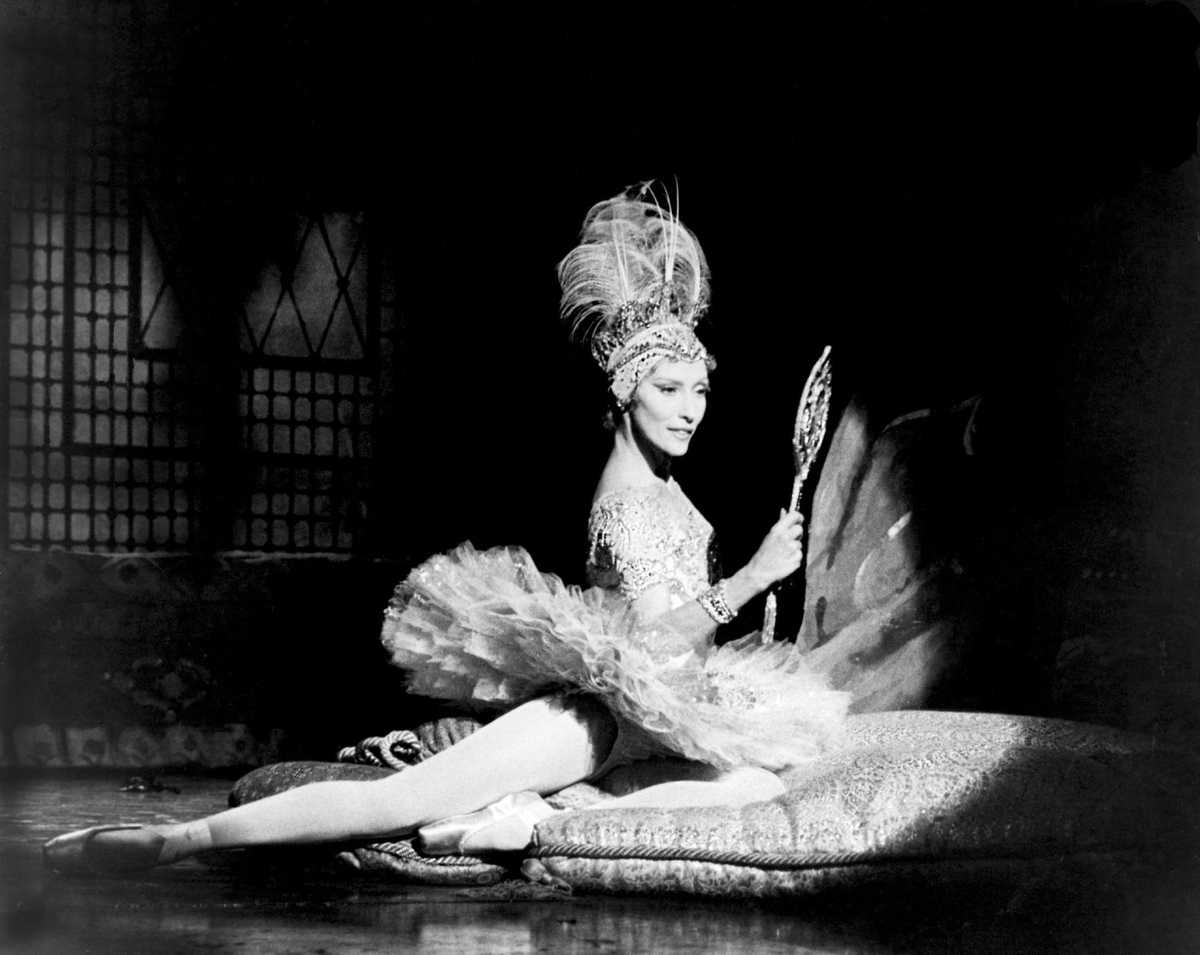
Within the Sadler's Wells / Royal Ballet company Fonteyn established herself as a principal figure in the company's classical repertory. Her name became associated with canonical works—Giselle, Swan Lake and Sleeping Beauty among them—roles that reinforced her image as an embodiment of British classical style and theatrical seriousness.
BREAKTHROUGH MOMENTS
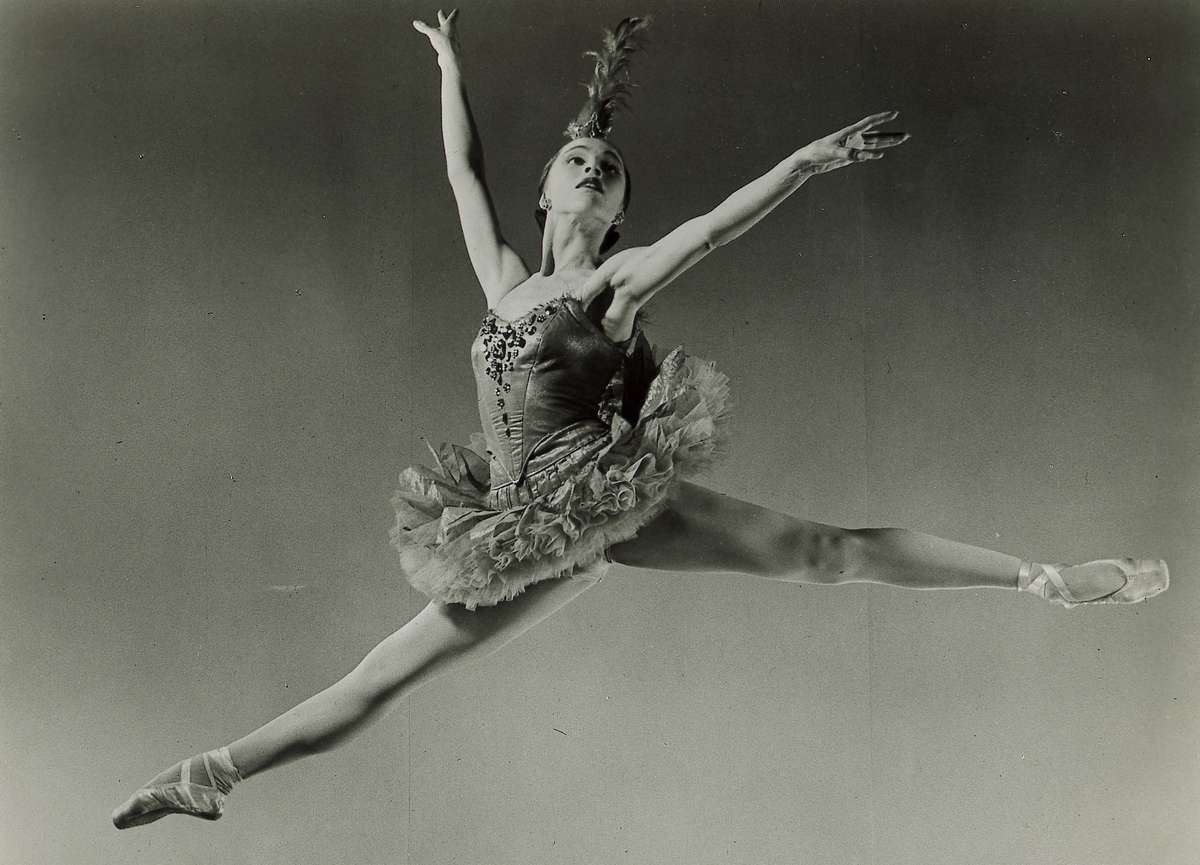
Fonteyn's prominence within the Royal Ballet was consolidated through performances in major classical titles and by creating roles in new works by important choreographers. This combination of steady repertory authority and active engagement with contemporary creations kept her profile both rooted in tradition and responsive to evolving choreographic voices within the company.
ROLES, PARTNERSHIPS, AND DECISIVE ENCOUNTERS
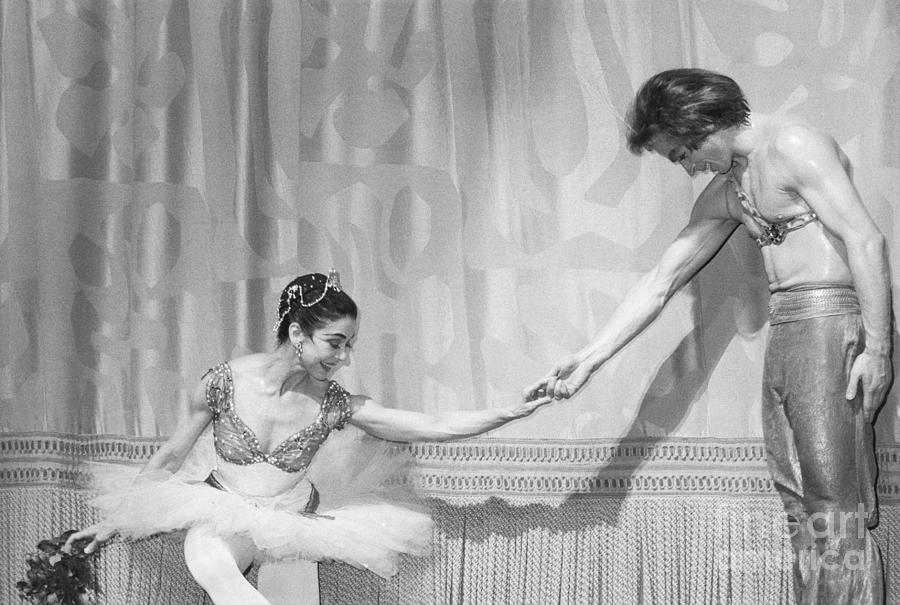
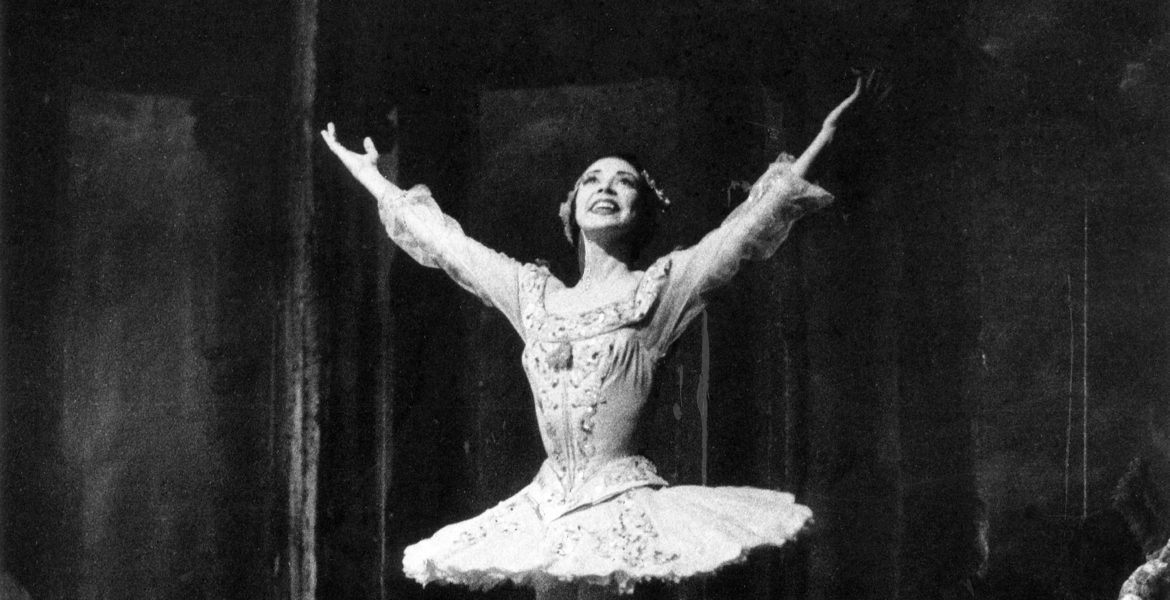
The artistic partnership that most reshaped Fonteyn's later career was with Rudolf Nureyev. Their first major performance together in Giselle on 21 February 1962 became a turning point: the pairing captured international attention and reintroduced Fonteyn to wider audiences at a stage in her career when the collaboration offered new dramatic possibilities.
Among the most visible fruits of that creative chemistry was Marguerite and Armand, the one‑act ballet Frederick Ashton created in 1963 specifically for the Fonteyn–Nureyev partnership. That work, closely associated with the two dancers, exemplifies how choreographic invention combined with their on‑stage rapport to produce performances that were widely celebrated and repeatedly revived.
A MATURE ARTISTIC IDENTITY
Fonteyn extended her performance life well beyond the norms of her generation, dancing into her late 50s and formally retiring in 1979. This longevity allowed her to inhabit a range of roles—both classical and newly created—that showcased an interpretive maturity. Her later-stage work with Nureyev and with choreographers who created roles for her emphasized dramatic nuance as much as technical command, giving her an artistic identity that combined classical lineage with theatrical intensity.
WHY THE LEGACY ENDURES
Fonteyn's lasting presence in ballet history rests on several connected facts: a central position within the Royal Ballet's classical repertory; performances in signature story ballets such as Giselle, Swan Lake and Sleeping Beauty; the high-profile partnership with Rudolf Nureyev that renewed and internationalised her career; and new works created for her by leading choreographers, notably Frederick Ashton.
Her recognition as a cultural figure was also formalised through honours, including being named a Dame Commander of the Order of the British Empire (DBE) for services to ballet. Taken together, these elements explain why Fonteyn remains a reference point for discussions of classical style, performance longevity and the power of a defining stage partnership to reshape an artist's public identity.
CLOSING INTERPRETATION
Margot Fonteyn's career is instructive because it shows how an artist's identity can be both rooted and adaptive: rooted in a company tradition and classical repertory, adaptive through collaborations and role creation that opened new expressive registers late in life. The Fonteyn–Nureyev partnership and works like Marguerite and Armand crystallised a later chapter that ensured her name would remain prominent in ballet memory long after her formal retirement in 1979.
Author: Alex R.