Margot Fonteyn: Royal Ballet Identity and the Two Phases That Defined a Long…
Margot Fonteyn was the defining ballerina of the company that became The Royal Ballet. Her career matters not merely for its length but for the way a particular artistic identity was constructed: an early phase in which she became the company's central classical interpreter and muse for its choreographers, and a later, revitalized public life that reshaped her reputation through a high-profile partnership.
This article explains how Fonteyn's identity was built through training and company loyalty, which repertory anchored her reputation, and how a decisive partnership after 1962 created a clear before-and-after in critical and public perception.
Quick answer
Fonteyn's career splits into two readable phases: the formative decades in which she established herself as The Royal Ballet's leading classical interpreter and muse for Frederick Ashton and company repertory, and a later international renaissance that followed her stage partnership with Rudolf Nureyev, first publicly partnered in Giselle in 1962.
What this article explains
- How Fonteyn's long service to the company that became The Royal Ballet shaped a consistent artistic identity.
- The signature roles and choreographies that anchored her reputation, from Giselle to Ashton creations.
- Why the Fonteyn–Nureyev partnership produced a recognizable transformation in her late career and public image.
Navigate this biography
EARLY FORMATION
Margot Fonteyn was born Margaret Evelyn Hookham on May 18, 1919, in Reigate, Surrey, England. From her earliest years she trained and moved into the professional world that would become Sadler's Wells Ballet and later The Royal Ballet. Her biography is rooted in that domestic trajectory: early training, followed by a lifetime spent with one company, created a continuity between formation and professional life that is central to understanding her artistic identity.
SCHOOL, METHOD, AND ARTISTIC ROOTS
Fonteyn's technique and style were cultivated within the institutional culture that fed into The Royal Ballet. Her early and sustained connection to the company's training and repertory meant she became, over years, the embodiment of a particular British classical aesthetic. This grounding allowed choreographers within the company to create roles specifically for her and to develop repertory around her strengths.
ENTERING AND SHAPING THE ROYAL BALLET IDENTITY
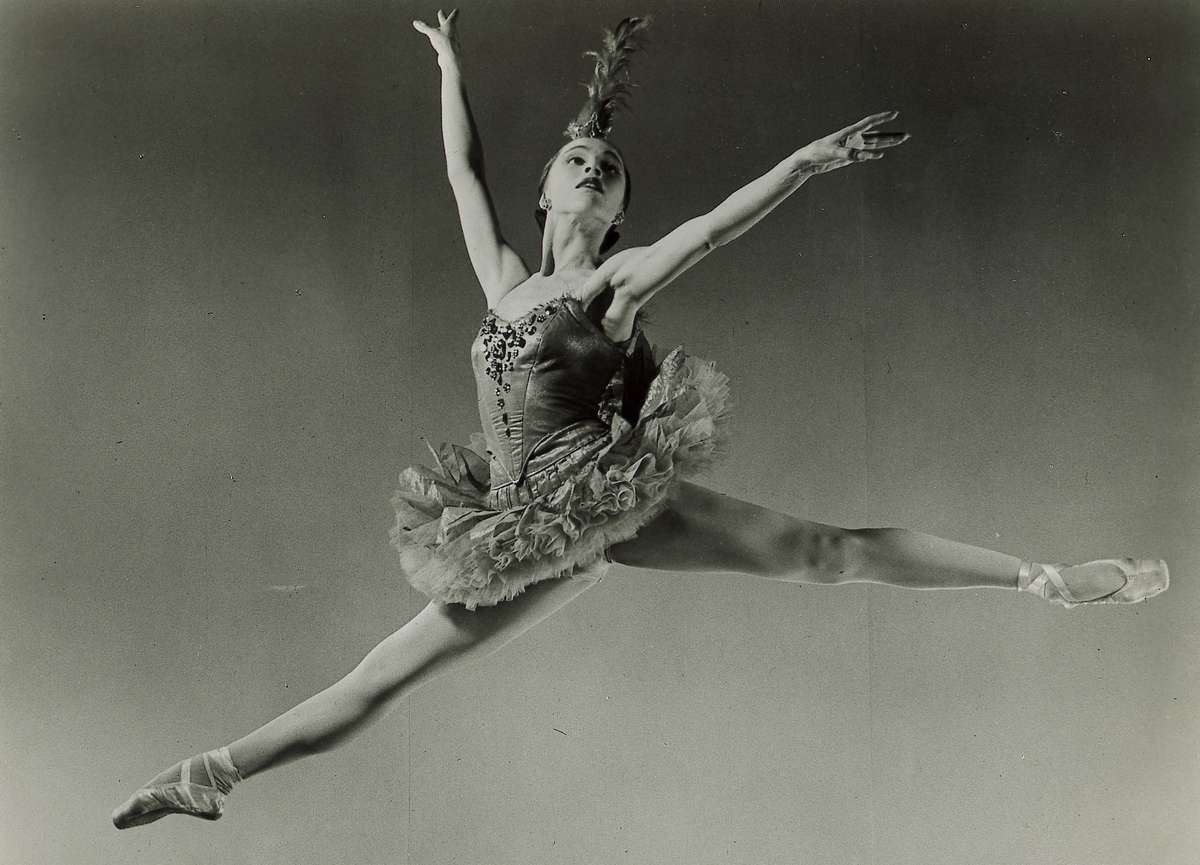
Fonteyn spent her entire professional career with the company that became The Royal Ballet. That loyalty matters: rather than moving between institutions, she became the company's leading ballerina and a stable interpretive centre for its repertory. Frederick Ashton and other in-house choreographers treated her as a muse; roles were made for her, and her presence helped define the company's public face.
BREAKTHROUGH MOMENTS AND SIGNATURE ROLES
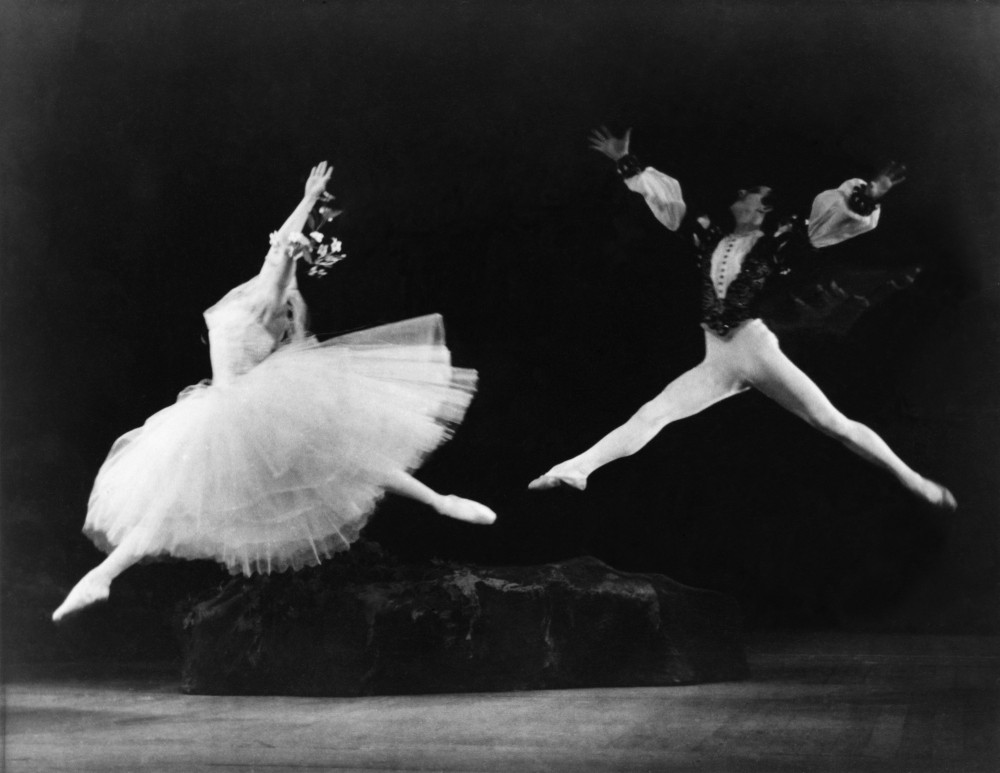
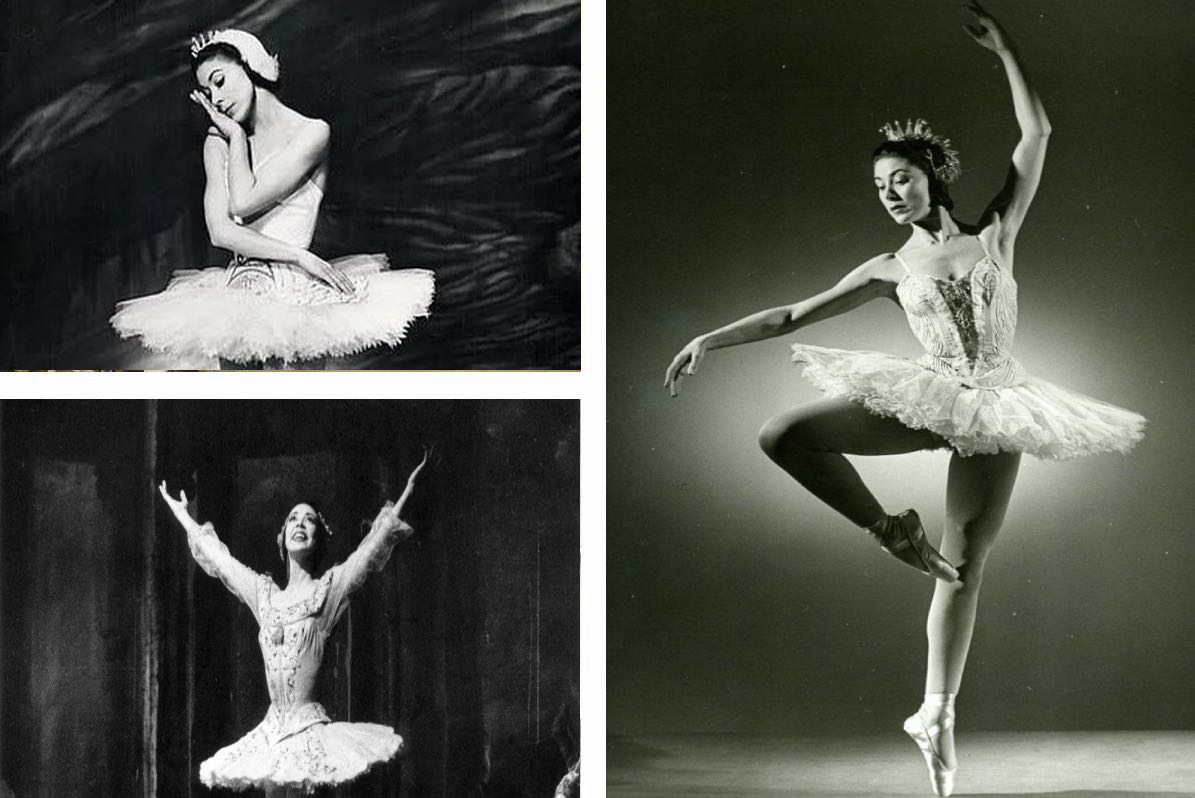
Fonteyn's public reputation rests on several signature roles that repeatedly returned in reviews and repertory lists. Among the parts most closely associated with her are Giselle; Odette/Odile in Swan Lake; Aurora in The Sleeping Beauty; the title role in Ondine; Marguerite in Ashton's Marguerite and Armand; and Juliet in Kenneth MacMillan's Romeo and Juliet. These roles give a clear map of the kind of dancer she became: a classical technician able to carry dramatic and choreographic complexity, and a recognized interpreter of both 19th-century classics and 20th-century works created for her.
THE NUREYEV PARTNERSHIP: THE ARTISTIC 'AFTER'
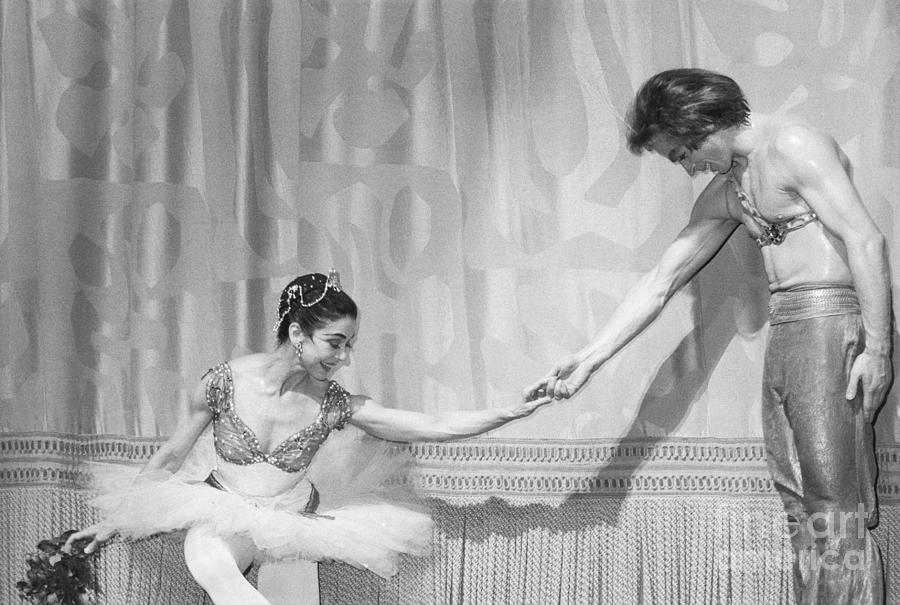
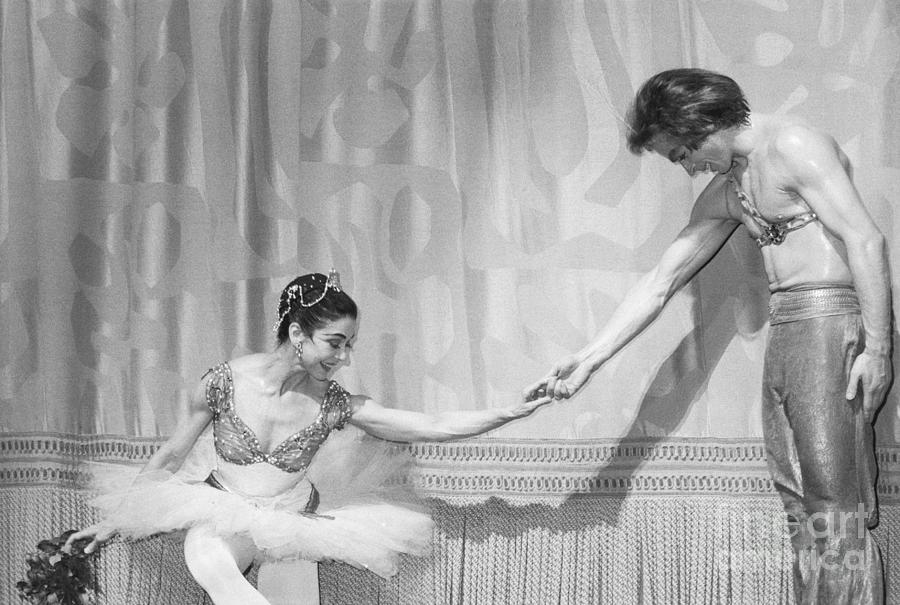
A distinct turning point in Fonteyn's public career was her partnership with Rudolf Nureyev. Their first public pairing in Giselle on February 21, 1962, marked the beginning of a collaboration that critics and institutions later credited with extending and reshaping Fonteyn's performing life. The partnership produced new repertory—most notably Frederick Ashton’s Marguerite and Armand—and brought renewed international attention to both Fonteyn and the company.
CHALLENGES, TRANSITIONS, AND REINVENTION
Rather than a single dramatic reinvention, Fonteyn's late-career renaissance reads as a coherent extension of her earlier identity. The collaboration with Nureyev reframed how audiences and critics perceived her strengths: the classical technician who had been the company's anchor now appeared as a continuing creative force on the international stage. That reframing transformed public perception without erasing the artistic foundations laid in earlier decades.
A MATURE ARTISTIC IDENTITY
At full maturity Fonteyn was recognised as The Royal Ballet's central interpreter of a broad classical repertory and as a dancer for whom choreographers within the company would craft work. In 1979 she received the rare honor of being acknowledged as Prima Ballerina Assoluta of The Royal Ballet, a formal recognition of the stature she had long occupied within the company and within British ballet life.
WHY THE LEGACY ENDURES
Fonteyn's legacy survives because the arc of her career is legible: an artist formed within a single company who became its defining classical interpreter, then experienced a public recasting through a partnership that extended her reach. Her repertory choices, the roles created for her, and the institutional continuity of The Royal Ballet together explain why she remains a reference point in discussions of 20th-century ballet.
CLOSING INTERPRETATION
Margot Fonteyn's life in ballet is instructive because it shows how artistic identity accumulates. Training and company culture supplied the technical and theatrical materials; choreographers and repertory turned those materials into signature roles; and a later artistic partnership reframed public perception, creating a clear before-and-after in her career. The result is a portrait of a dancer whose authority emerged slowly and who, through sustained association with one company and a decisive collaboration, left an imprint on ballet history.
Author: Eric M.