Why Margot Fonteyn Remains Shorthand for Classical Ballet Elegance
Margot Fonteyn was a singular presence in 20th‑century British ballet: a lifelong figure of The Royal Ballet whose name has come to signify classical refinement. Understanding Fonteyn is not only a matter of dates and roles but of an artistic identity shaped by exceptional musical phrasing, a refined line and poise, and the institutional authority she accrued within the Royal Ballet tradition.
The short version
Fonteyn’s lasting significance rests on three interlocking realities: a reputation for unusually expressive musical phrasing, a visual and technical refinement aligned with the Royal Ballet’s aesthetic, and a long institutional life with the company that made her an exemplar of classical elegance.
What this portrait explains
- How musical phrasing and movement quality shaped Fonteyn’s public identity.
- Why her long association with The Royal Ballet anchored her as a standard-bearer of classical style.
- Which aspects of stage poise and repertory associations made her an enduring reference point.
First visual and artistic impression
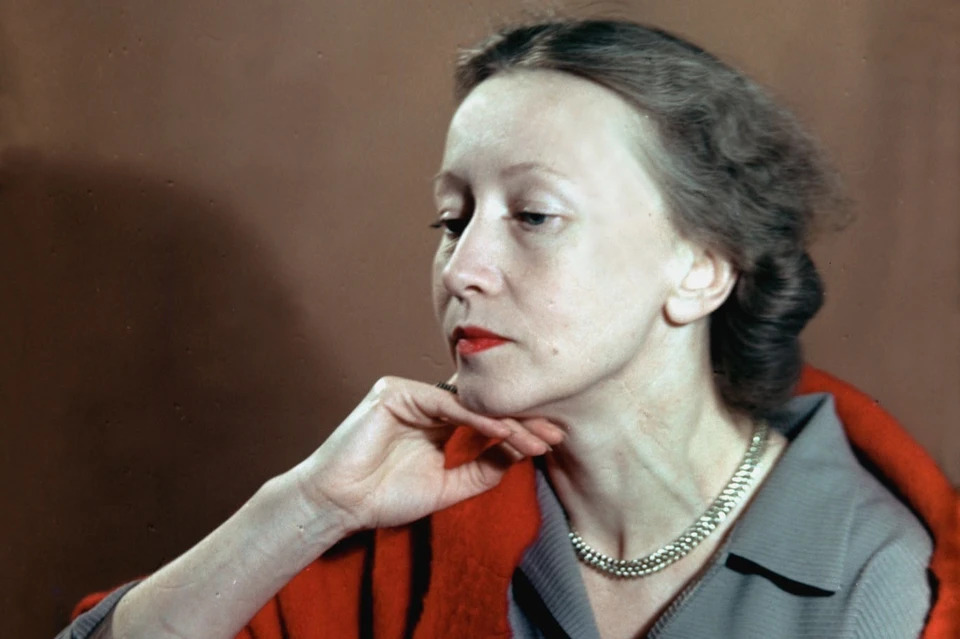
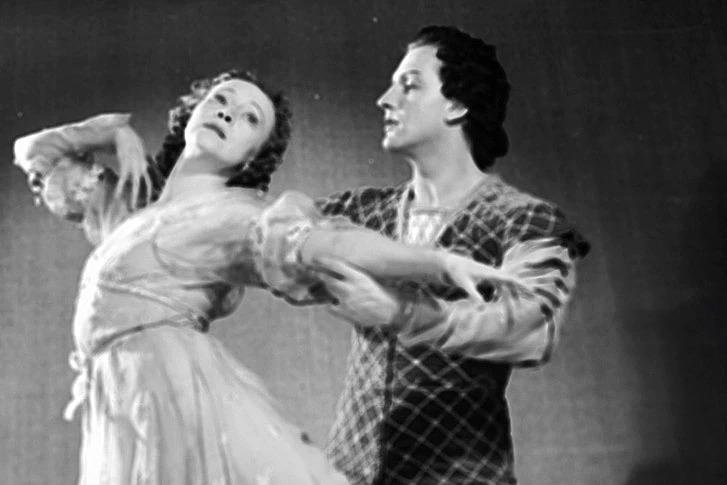
When critics and institutions describe Fonteyn they repeatedly point to an immediacy of classical poise. That first visual impression — a carefully modeled silhouette and an economy of expressive gesture — became shorthand for an ideal in British ballet. Rather than a flamboyant bravura, her presence suggested a controlled elegance that foregrounded musical line and phrasing.
Line, port de bras, and movement quality
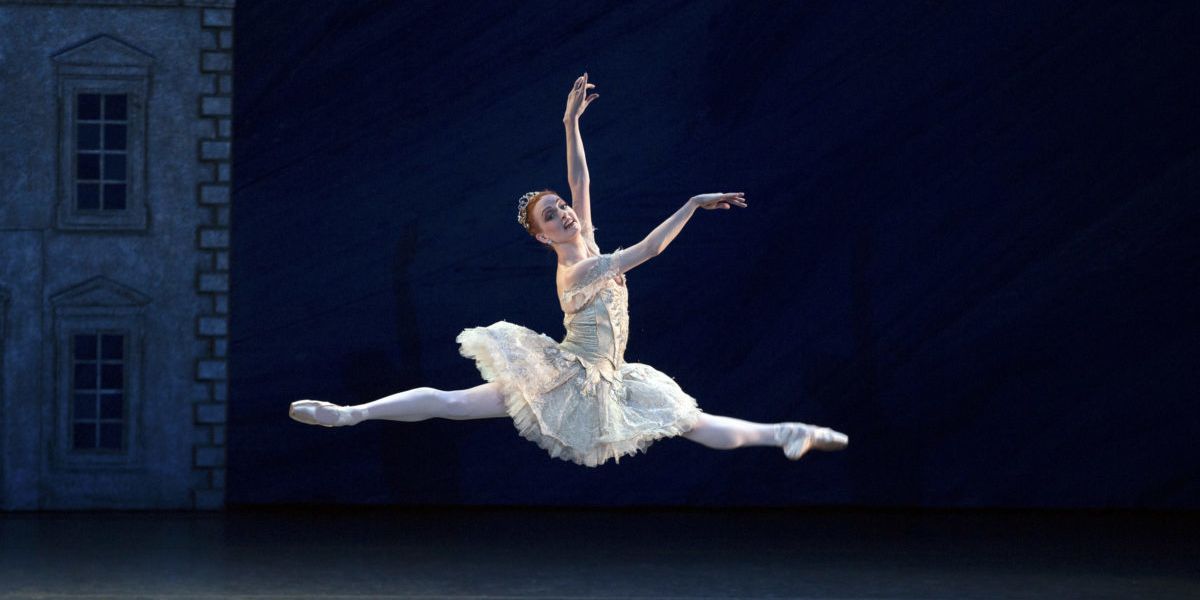
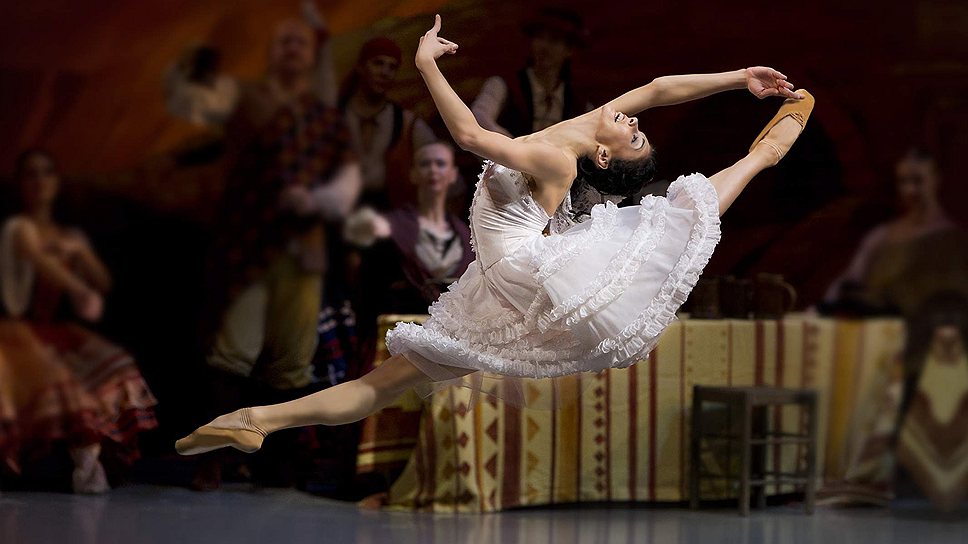
Sources consistently emphasize Fonteyn’s refined line and musical sensitivity. Her dancing was often framed in terms of exceptional musicality: she phrased with the music in a way that made phrasing itself a visible element of technique. This union of refinement and rhythmic sensitivity helped her embody the classical ideal valued by institutions like The Royal Ballet and the Royal Academy of Dance.
Stage presence and dramatic poise
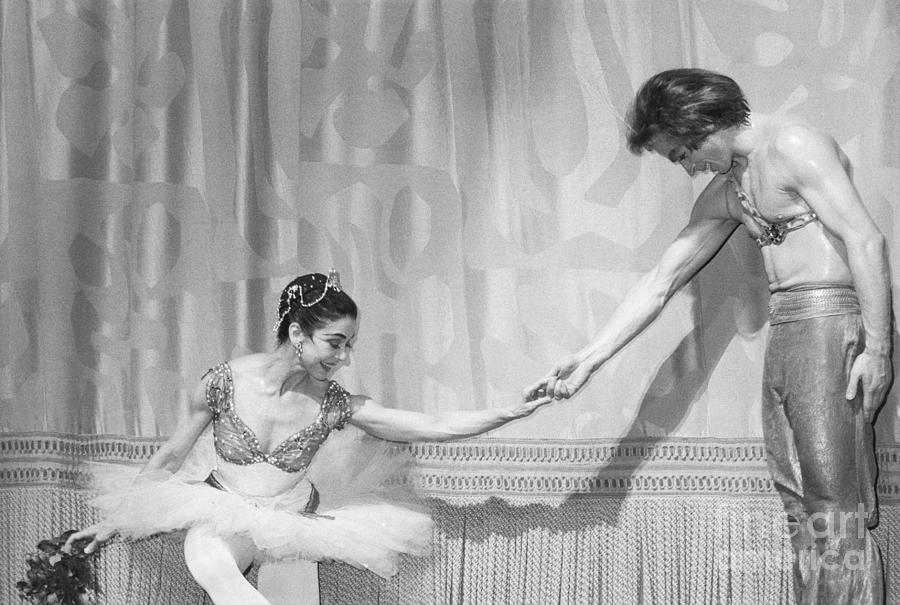
Beyond technique, Fonteyn’s authority on stage came from a particular kind of poise. Descriptions of her work point to an authoritative stage presence rather than mere virtuosic display. That presence made her a figure who could carry both lyrical roles and the weight of institutional representation for British ballet.
Roles and repertoire associations
Fonteyn’s artistic identity is inseparable from The Royal Ballet’s repertory and its choreographers. Her collaborations with leading company choreographers and her long service with the company tied her image to the repertoire that defined mid‑century British ballet. Those repertory associations helped fix her as a model of the company’s classical and stylistic priorities.
Career turning points and institutional context
Rather than moving between multiple companies, Fonteyn spent her entire professional career with The Royal Ballet (which developed from the Vic‑Wells/Sadler’s Wells company). That continuity matters: a life spent within one company allowed her style to be both shaped by and to shape the institution’s standards. Her later appointment as prima ballerina assoluta by Queen Elizabeth II—an honourific recognition tied to her long service with the company—underscores the degree to which her authority was institutional as well as artistic.
What made Fonteyn distinctive
Three linked qualities made Fonteyn distinctive. First, an exceptional musical sensibility turned phrase into meaning; observers repeatedly cite her musical phrasing as essential to her identity. Second, a refined classical line and controlled port de bras created a visual grammar of elegance. Third, her role as a public and institutional figure—anchored by a career spent at The Royal Ballet and her later formal recognition—gave that aesthetic an authoritative platform. Together, these elements produced a fully formed artistic identity rather than a collection of standout performances.
Why the legacy endures
Fonteyn’s continued resonance rests on visible and verifiable anchors. Institutions that shaped British ballet — The Royal Ballet and the Royal Academy of Dance among them — remember her for the precise qualities that made her exemplary: musicality, poise, and a committed company life. Her name functions as a cultural shorthand because it ties an aesthetic ideal to institutional history; when people speak of Fonteyn they invoke a particular classical standard that survives in schools, repertory choices, and dance memory.
Closing interpretation
Margot Fonteyn remains more than a celebrated career: she is a compact statement about what classical ballet values when it seeks elegance with authority. Her musical phrasing and controlled line made her performances legible in an aesthetic language that both reflected and shaped The Royal Ballet’s identity. Because she spent her professional life within that company and later received an honorific title recognizing her status, her artistic profile became institutionalized. Today, Fonteyn’s name still carries a technical and cultural shorthand — a reminder that a dancer’s legacy can be both an expression of individual artistry and a living element of a company’s stylistic inheritance.
Author: Eric M.