Dame Margot: the making of a lasting image of classical elegance
Dame Margot — born Margaret Evelyn Hookham on 18 May 1919 and known to the world as Margot Fonteyn — remains one of ballet's most recognizable embodiments of classical elegance. Her long career with Sadler's Wells Ballet (which evolved into The Royal Ballet), her appointment as prima ballerina assoluta, and her DBE honour in 1956 anchored a public image built on refined line, exacting taste, and an unusually vocal musical sensitivity.
Understanding why Fonteyn still matters requires attention to how stage poise, musical phrasing, and repertory choices combined to create an artistic identity that shaped both British ballet and international perceptions of the classical tradition.
What defines this dancer
Fonteyn's image rests on three interlocking strengths: a cultivated classical line associated with the Royal Ballet, a nuanced sensitivity to musical phrasing often described as songlike, and a stage presence that critics consistently singled out as exemplary of refined, classical taste.
What this article explains
- How her movement qualities and musicality created a distinctive stage identity.
- Which repertory context and partnerships amplified that identity—most notably her later collaboration with Rudolf Nureyev.
- Why her standing in the Royal Ballet and public honours helped shape lasting perceptions of British classical ballet.
First visual and artistic impression
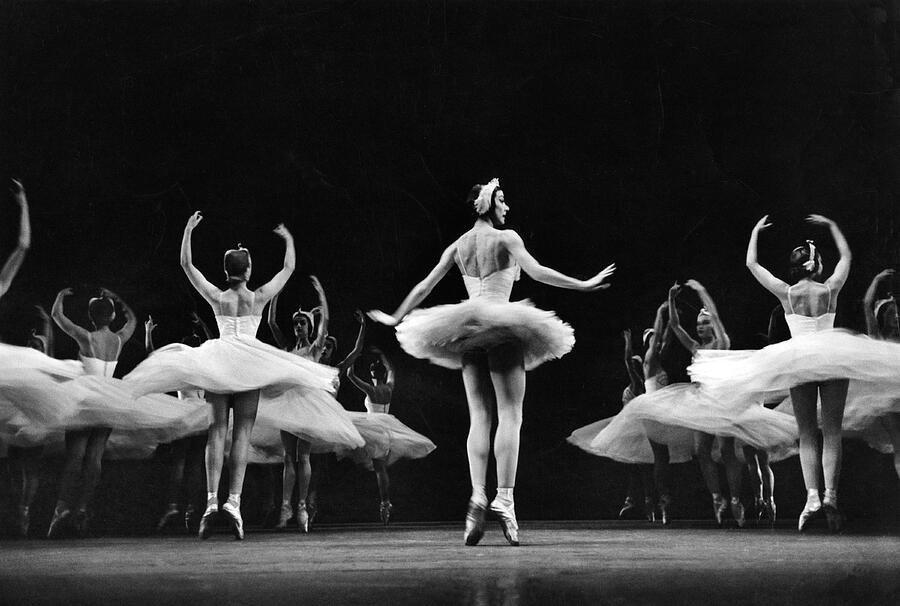
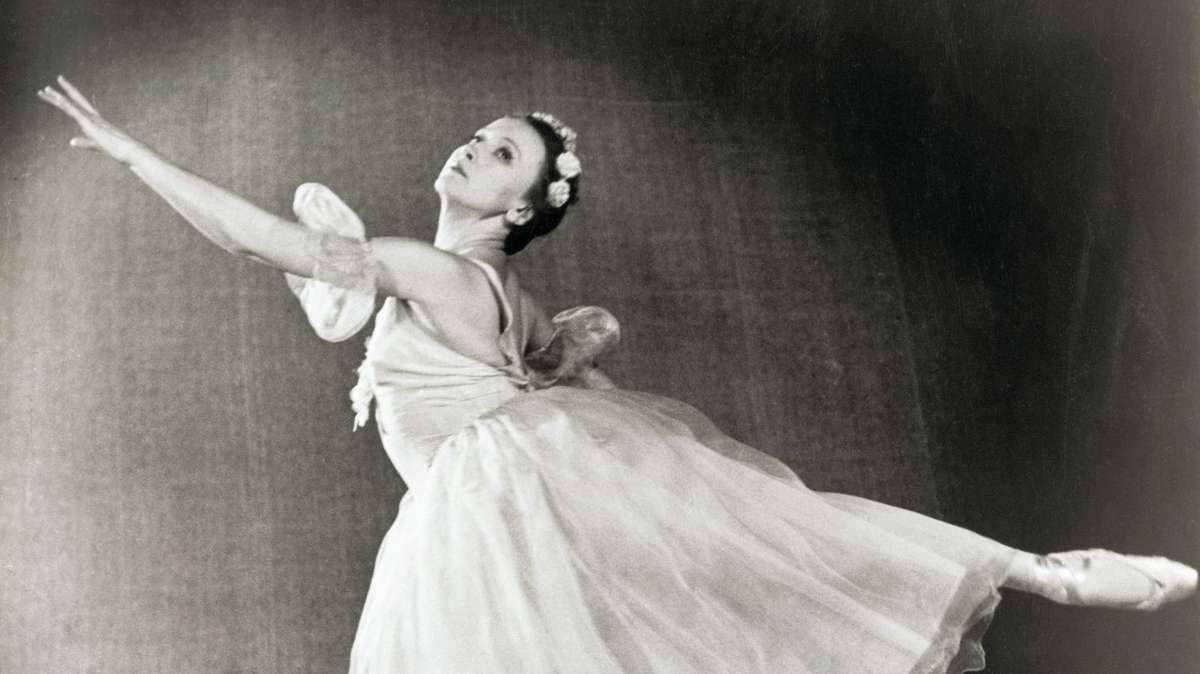
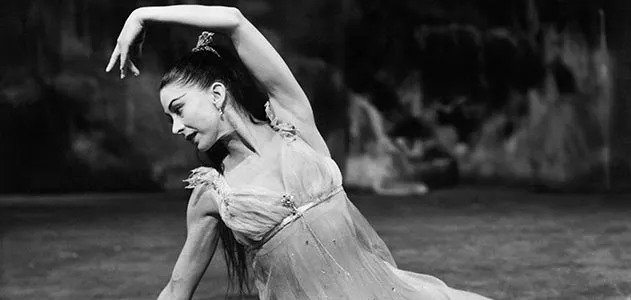
From first glance, Fonteyn projected a disciplined, classical silhouette that critics linked to the Royal Ballet's aesthetic. Her control of line and poised carriage made simple poses read as statements of taste: a port de bras or an arabesque was less about athletic display than an assertion of formal clarity. Contemporary profiles and obituaries repeatedly noted this immediate recognizability—her presence posed as an exemplar of a particular, cultivated classicism.
Line, port de bras, and movement quality
Observers and critics emphasised Fonteyn's refined lines and the musical phrasing that shaped her phrasing onstage. Descriptions in major appreciations characterise her as having a "songbird" musicality: phrasing that felt vocal and shaped by an ear for the score. Her port de bras and upper-body refinement complemented a technically secure base, producing an effect where control and expression were inseparable. This balance—technical refinement serving expressive shaping rather than bravura alone—became a defining trait.
Stage presence and dramatic force
Critical accounts stress that Fonteyn's stage power was not theatrical excess but concentrated poise. When she entered a stage the focus shifted toward tonal and stylistic coherence: the audience perceived not only steps but the shaping of time and phrase. Practically, this made her particularly suited to roles and productions that prized lyrical continuity and classical restraint, and it helped her become the public face of a British classical tradition.
Roles and repertoire associations
While broader repertory details are part of her documented career with Sadler's Wells Ballet and The Royal Ballet, it is her association with the company's classical tradition that matters here. Her performances were widely read as emblematic of the Royal Ballet's repertory values: clarity of line, fidelity to musical phrasing, and an elegance of manner. These repertory associations shaped how audiences and institutions remembered both her and the company's style.
Career turning points and artistic context
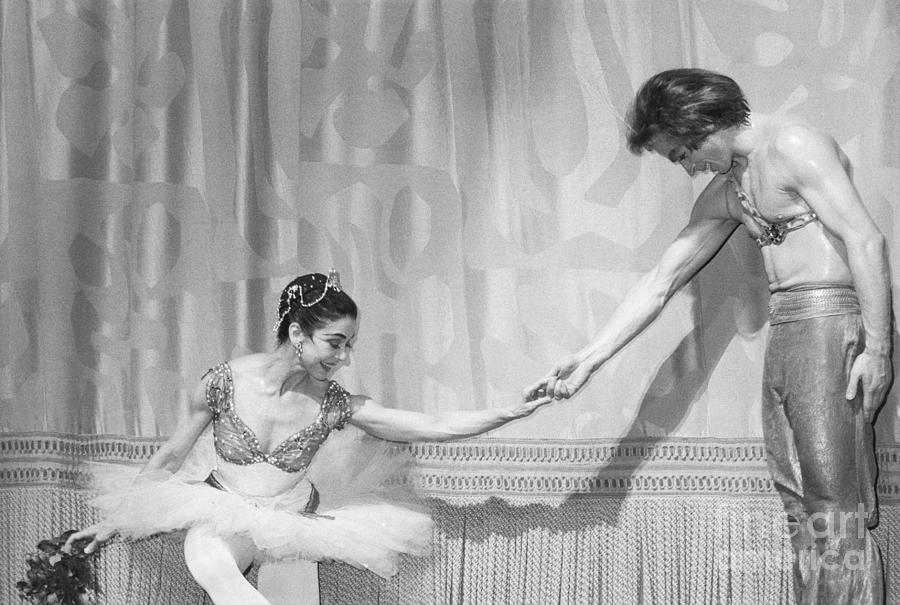
Key factual anchors of Fonteyn's career include her long tenure with Sadler's Wells Ballet / The Royal Ballet and her formal recognition as a Dame (DBE) in 1956. Her later and highly visible partnership with Rudolf Nureyev in the 1960s renewed and broadened interest in her work; that collaboration is repeatedly credited with expanding public and critical attention to her artistry at a point when her reputation was already secure. Together these moments—company association, national honours, and prominent partnerships—help explain how her image was institutionalised in British and international ballet culture.
What made Fonteyn distinctive
Fonteyn's distinctiveness lies in an integrative aesthetic: technical poise used in the service of musical and stylistic refinement. Unlike dancers whose fame rests primarily on technical fireworks or modernist experimentation, Fonteyn represented a cultivated classical ideal. Critics and historians have repeatedly pointed to her musical sensitivity and stage taste as separable qualities; the combination made her more than a star of her company—it made her a template for a particular way of being a ballerina.
Why the legacy endures
Her continued presence in exhibitions, retrospectives, and critical memory rests on several verifiable facts: the longevity of her career with The Royal Ballet, her national honours, and the revitalising partnership with Nureyev. More conceptually, the endurance owes to the clarity of the artistic identity she modelled—a poised classical silhouette married to musical phrasing and refined stage taste. That identity continues to serve as a reference point for how audiences and institutions imagine classical elegance.
Closing interpretation
Dame Margot's significance is not only historical but diagnostic: she helps us see how a dancer's manner of shaping music, line, and theatrical focus can become a cultural symbol. Her image as a quintessentially classical ballerina emerged from concrete institutional and artistic circumstances—her long association with the Royal Ballet, official honours, and a transformative artistic partnership—yet it survives because of the particular, recognisable qualities she embodied onstage. Reassessing Fonteyn today is less about nostalgia and more about understanding how performance identity becomes the measure and memory of an era in ballet.
Author: Cynthia D.