Misty Copeland: From Late Start to ABT Principal and a New Public Image of the…
Misty Copeland is a singular figure in contemporary ballet: a dancer who began formal training around age 13 and rose to become a principal dancer at American Ballet Theatre (ABT). Her career matters not only for the roles she danced but for how that trajectory reframed public conversations about who can belong on the classical stage.
This article traces how Copeland's artistic identity was constructed through an unusual entry into training, steady company advancement, landmark promotions, and a broadening of influence beyond performance. It explains how training, repertory experience at ABT, and public-facing projects combined to make her career culturally significant.
Quick answer
Misty Copeland built an uncommon professional arc: she started formal ballet training at about 13, joined ABT’s Studio Company in 2000, entered ABT’s corps de ballet in 2001, was promoted to Soloist in 2007, and became ABT’s first African American female principal dancer in 2015. Her rise shifted public attention toward representation in classical ballet.
What this article explains
- How a late introduction to ballet initiated a rapid and disciplined professional path.
- Which institutional milestones at American Ballet Theatre shaped her ascent.
- How her promotion to principal in 2015 widened mainstream discussion about diversity and the ballerina image.
EARLY FORMATION
Misty Copeland's formal engagement with ballet began unusually late by classical standards. She attended a free class at a Boys & Girls Club and began formal training at about age 13. That late start is a durable fact of her story: it became the narrative spine for how observers described her rise, since most professional dancers begin training much earlier.
Beginning at that age required rapid acquisition of technique and an intense focus on the fundamentals of classical training. In the public record, this phase is often cited to underline both the atypical entry point and the disciplined work that followed.
SCHOOL, METHOD, AND ARTISTIC ROOTS
While available verified sources do not catalog every teacher or studio in Copeland's early years, they emphasize the significance of her late formal start and the concentrated training that followed. That intensive catch-up period is central to understanding how her technical and artistic foundations were formed: it shaped the practical urgency of the next career phases and the public interest that accompanied them.
ENTERING THE PROFESSIONAL STAGE
Copeland joined American Ballet Theatre’s Studio Company in September 2000. Less than a year later she became a member of ABT's corps de ballet in April 2001. Those moves mark a rapid transition from student to professional company life and placed her inside one of the United States’ most prominent repertory institutions.
Once inside ABT, Copeland worked within the company’s repertory structure and seasonal rhythm—experience that provided the performing opportunities and repertory exposure crucial to a dancer’s artistic development within a major company.
BREAKTHROUGH MOMENTS
Institutional promotion is a clear measurable turning point. In August 2007 Copeland was promoted to Soloist with American Ballet Theatre. This promotion represented recognition of her growing artistic maturity inside the company and widened the range of featured roles and visibility available to her.
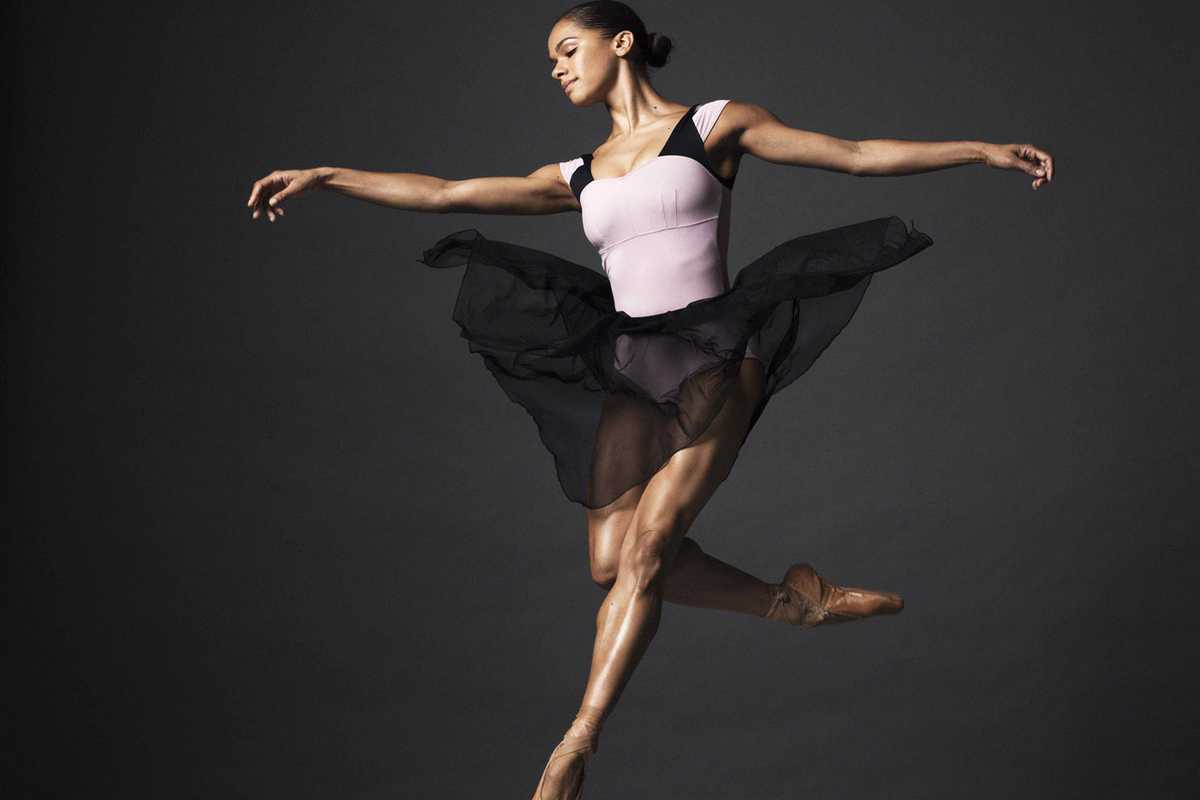
The defining breakthrough in public terms came on June 30, 2015, when Copeland was promoted to principal dancer at ABT. The promotion was widely reported because it made her the first African American woman to reach ABT’s principal rank in the company’s 75-year history at that time. The announcement crystallized her position within the company and amplified her profile in mainstream media.
ROLES, PARTNERSHIPS, AND DECISIVE ENCOUNTERS
Verified public material emphasizes institutional milestones more than an exhaustive catalogue of every role. What is clear from the record is that the progression through Studio Company, corps, soloist, and principal at ABT provided the repertory and stage partnerships that shape a dancer’s interpretive range. Each promotion expanded opportunities to dance signature parts and collaborate with the choreographers and partners who define a company’s seasons.
Within ABT’s repertory ecosystem, such progress typically translates into increasingly prominent casting and the chance to inhabit both classical and contemporary works—experiences that consolidate a dancer’s artistic identity.

PUBLIC-FACING WORK AND BROADER IMPACT
Copeland's influence extended beyond the footlights. She published memoirs and books and engaged in public-facing projects—speaking, endorsements, and foundation work—that broadened her reach. These activities transformed her profile from company artist to cultural figure and amplified conversations about representation in classical ballet.
Media coverage around her 2015 promotion—appearing in outlets such as Time, The Washington Post, and the Los Angeles Times—helped carry those conversations to broader audiences. In that sense, Copeland's career contributed to a visible public reappraisal of who is seen as a ballerina in contemporary culture.
A MATURE ARTISTIC IDENTITY
Over time, Copeland’s artistic identity became inseparable from both her achievements on the ABT stage and her public role in conversations about ballet and access. The verified record ties her maturity to institutional advancement: each promotion at ABT signaled a new phase in the kinds of repertoire and visibility she could command, while public projects extended her influence beyond traditional performance contexts.
That dual presence—artistic inside the company and cultural outside it—helped define the distinctive contour of her career.
WHY THE LEGACY ENDURES
Copeland's story endures because it combines an uncommon entry point with institutional ascent and public resonance. Starting formal training at about 13, joining ABT’s Studio Company in 2000, entering the corps in 2001, becoming Soloist in 2007, and being promoted to principal in 2015 are verifiable anchors that map a clear, disciplined trajectory.
Her promotion in 2015 particularly reframed public attention: it was a visible moment that invited broader discussion about representation in ballet and about the social meanings attached to the title "principal dancer." The subsequent memoirs, books, and public projects further extended that influence, making her career a touchstone for conversations about access and visibility in the dance world.
Career highlights
Formal training began at ~13; ABT Studio Company (Sept 2000); ABT corps de ballet (Apr 2001); Soloist (Aug 2007); Principal dancer (June 30, 2015).
CLOSING INTERPRETATION
Misty Copeland’s career matters because it demonstrates how an artistic identity can be assembled through late but intense formation, steady institutional advancement, and a public presence that goes beyond performance. The verifiable milestones—each promotion at American Ballet Theatre and her broader public work—explain why her name has become linked not only to achievement onstage but to changing perceptions of the ballerina in contemporary culture.
Author: Eric M.