Why Anna Pavlova Became the Archetype of the Ballerina
Anna Pavlova is not merely a celebrated dancer in history; she is the figure through whom modern audiences first recognised a particular idea of the ballerina. Trained at the Imperial Mariinsky school and rising to prima ballerina, Pavlova combined a distinct theatrical persona with a single, defining solo—The Dying Swan—that crystallised a visual and emotional shorthand for ballet.
Quick answer
Pavlova became the archetype through three converging facts: her Mariinsky grounding as a prima ballerina, her signature performance of Michel Fokine's The Dying Swan, and decades of global touring and reproduced imagery that spread a reproducible swan/waif image of the ballerina.
What this portrait covers
- How The Dying Swan shaped Pavlova's public identity.
- The performance qualities associated with her 'frail' stage persona.
- Why touring and reproductions made that image durable and widely recognisable.
First visual and artistic impression
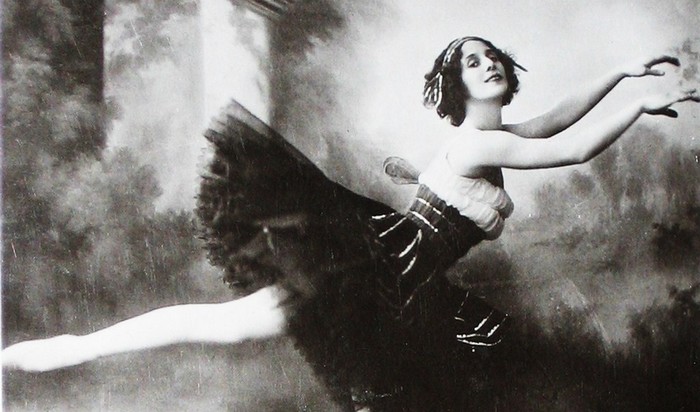
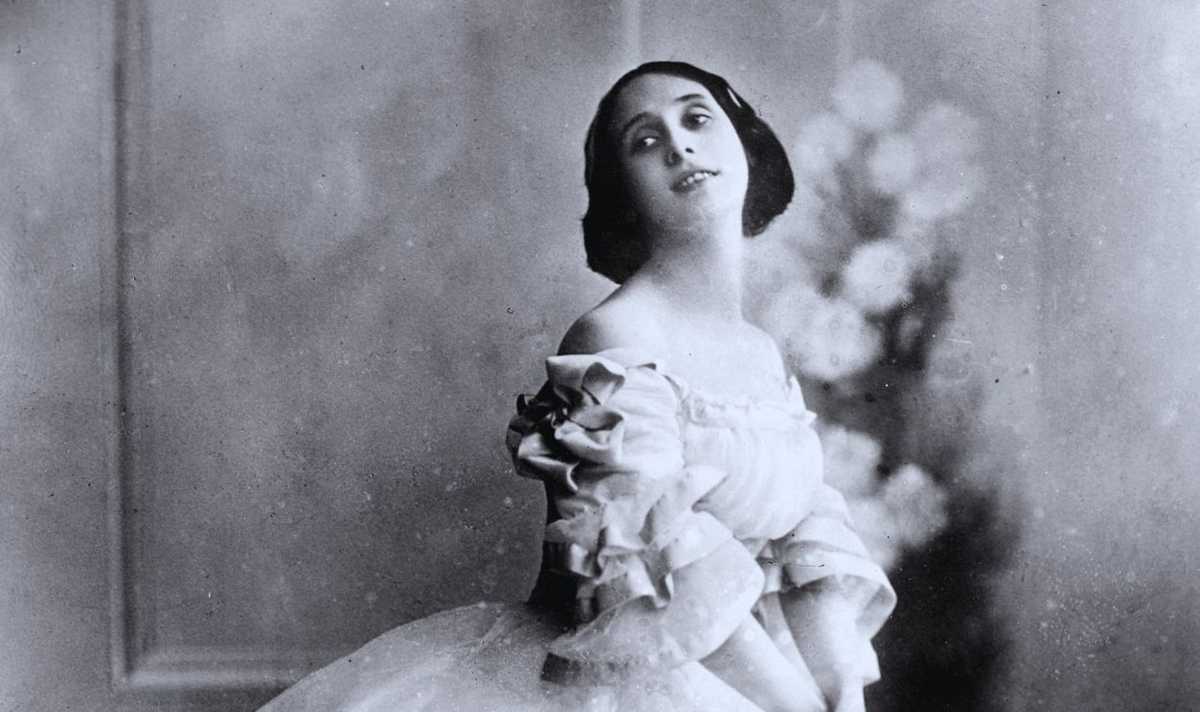
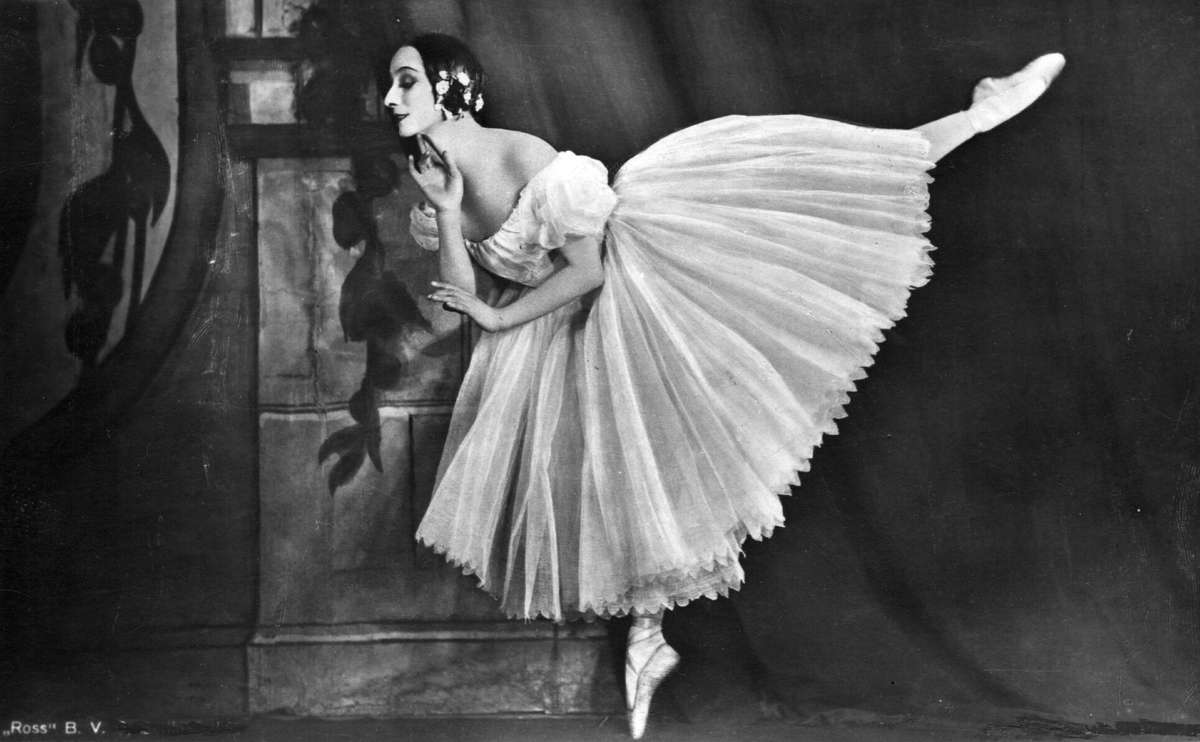
Pavlova entered the stage world already linked to the prestige of the Imperial Mariinsky school. Her silhouette—slender, elongated, and often described as ethereal—became the visual shorthand audiences remembered. That immediate impression was less about virtuoso bravura and more about a fragile theatrical presence that read easily in photographs and early film.
Line, port de bras, and movement quality
Contemporary commentary and later historians emphasise Pavlova's delicate movement quality: curved port de bras, a vulnerable carriage, and an expressive focus that favoured poetic suggestion over demonstrative athleticism. These traits suited the Dying Swan choreography and produced an image of the ballerina as otherworldly rather than aggressively technical.
Stage presence, the swan image, and The Dying Swan
Michel Fokine choreographed The Dying Swan for Pavlova in 1905, setting Saint-Saëns's Le cygne to a solo that immediately became central to her stage persona. The solo cast Pavlova not just as a performer of a famous piece but as an embodiment of the swan motif itself. Critics and audiences equated her frail theatricality with the swan’s fragility, making the image both literal and symbolic.
Roles and repertoire associations
Although The Dying Swan was the defining vehicle, Pavlova’s identity was rooted in the Mariinsky classical tradition; her title as prima ballerina in 1906 anchored her image in that institutional prestige. The combination of classical training and a single iconic solo meant that the swan motif came to stand for a wider idea of the ballerina's expressive range.
Career turning points and historical context
Two factual anchors shape Pavlova’s historical profile: the 1905 creation of The Dying Swan and her recognition as prima ballerina in 1906. After establishing herself within the Mariinsky tradition, Pavlova spent much of her career touring with her own company. Those tours exported a consistent visual and dramatic type of ballet to audiences around the world, at a moment when photographic and film media also began to fix and circulate performer images.
What made Pavlova distinctive
Pavlova was distinctive because her performing identity relied on reproducible elements: a particular fragile stage persona, a canonical solo tied to a clear image (the swan), and an institutional pedigree that granted cultural legitimacy. Together, these elements created an archetype that could be photographed, filmed, sculpted, and described to distant audiences with relatively little loss of meaning.
Why the legacy endures
Later commentators and dance historians have argued that Pavlova’s iconography—The Dying Swan, her slender silhouette, and widespread reproductions—helped codify what the public expects of a ballerina even as technique and styles evolved. Her decades of touring meant the image travelled beyond the theatres of St. Petersburg and was anchored in popular imagination across continents. Film, photography, and sculpture preserved that persona after her death on 23 January 1931, allowing the archetype to outlast the specifics of any single performance or era.
Closing interpretation
Anna Pavlova matters because she turned a specific performance and a nuanced stage temperament into a global visual and cultural shorthand. The Dying Swan gave her an emblem; Mariinsky training gave that emblem authority; touring and reproduction made it portable. The result is a durable archetype—a ballerina whose fragile theatrical presence and swan imagery continue to shape how audiences imagine classical dance.
Author: Alex R.