Svetlana Zakharova: Extreme Line and Commanding Stage Control
Svetlana Zakharova is a ballerina whose public identity has consistently returned to two linked impressions: a sweeping, extreme line and an unambiguous command of the stage. Trained at Kyiv and the Vaganova Academy, she rose at the Mariinsky before becoming a prima ballerina at the Bolshoi; those institutions and the classical roles she favoured help explain why her placement and extension read as more than mere technique.
Quick answer
Zakharova matters because her long, luxurious line and disciplined classical technique paired with principal roles at the Mariinsky and Bolshoi created a distinctive, authoritative stage persona—one that critics repeatedly noted for its extension and clarity.
What this article explains
- How Zakharova’s training and company affiliations framed her classical image.
- What critics and repertory choices reveal about her line, placement and stage control.
- Why specific canonical roles sharpened her artistic identity.
First visual and artistic impression
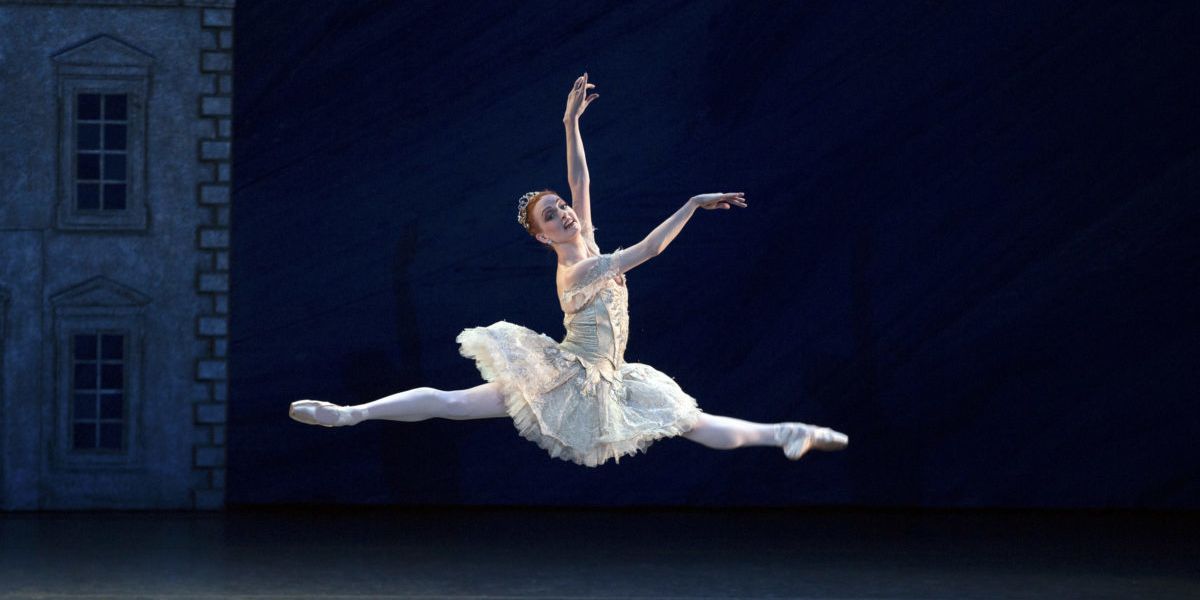
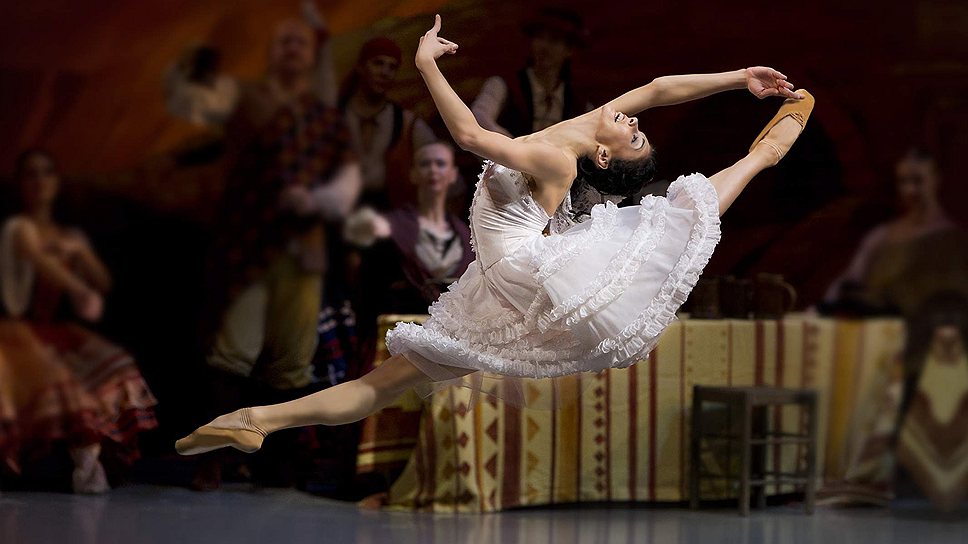
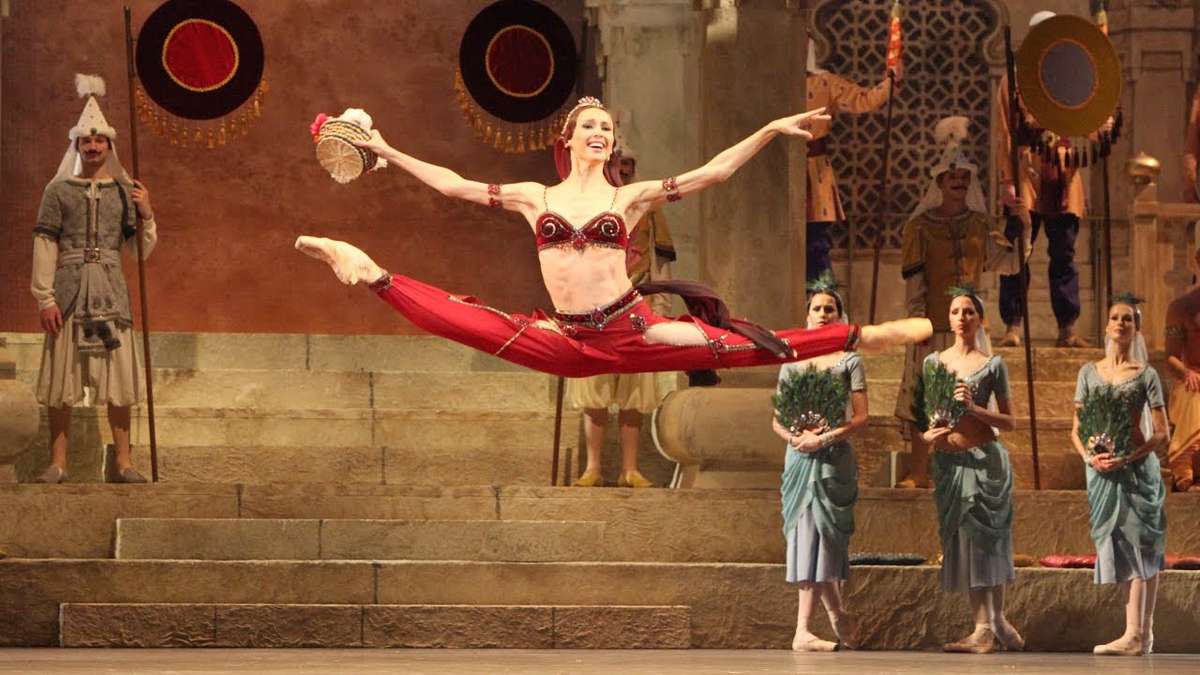
Zakharova’s first impression rests in large part on visible silhouette: critics and program notes commonly point to very long lines and striking extension. That initial visual register—long limbs, extended arabesques, a vertical clarity in lifts and poses—becomes the shorthand for her artistry. It is the immediate cue audiences use to recognise her onstage and to set expectations for classical purity and technical refinement.
Training and institutional context
Her formation at the Kyiv Choreographic School followed by the Vaganova Academy in St. Petersburg provided the technical scaffolding associated with Russian classical training: an emphasis on clean épaulement, precise placement and a strong port de bras that supports long lines. Joining the Mariinsky in 1996 and then transferring to the Bolshoi in 2003 placed her within two contrasting yet authoritative performance cultures, each of which amplified different facets of her technique and image.
Line, port de bras, and movement quality
Observers consistently note Zakharova’s ‘‘luxurious line’’ and ‘‘gorgeous extension’’—phrases that index both anatomical length and a cultivated use of that length. Her port de bras tends toward a classical clarity that frames long limbs without decorative excess. That control—how far the leg can extend while the torso and arms remain coordinated—turns extension into an expressive device rather than merely a virtuoso display.
Roles and repertoire associations
Zakharova’s principal roles are drawn from the classical canon: Odette/Odile in Swan Lake, Aurora in The Sleeping Beauty, Giselle, Nikiya in La Bayadère and Raymonda among them. These parts require not only technical command but a particular aesthetic: sustained line in adagio passages, sharply articulated batterie and the ability to switch from lyrical purity to virtuoso attack. The repertoire both suited and reinforced her strengths: large, scenically iconic roles that make line and placement legible to audiences and critics alike.
Stage presence and dramatic control
Beyond extension, Zakharova’s stage identity is defined by control—an authority that critics have linked to her ability to carry full-length classical roles at major houses. That control shows itself in pacing, in the way she builds sustain in adagio phrases, and in transitions where clean placement keeps the eye on silhouette rather than on effort. In repertory terms, this kind of control makes her a reliable interpreter of both the lyrical lead and technically demanding dual roles such as Odette/Odile.
Career turning points and international presence
Key factual anchors clarify how her image developed in public: she joined the Mariinsky in 1996, then transferred to the Bolshoi in 2003 and became a prima ballerina there. Those institutional moves are significant because they placed her consistently in leading repertory and on international stages. She has also appeared as a guest star at major houses—including La Scala, Paris Opera, New York City Ballet and American Ballet Theatre—exposing her particular classical aesthetic to varied audiences and critical cultures.
What made Zakharova distinctive
What separates her from many peers is not line alone but the combination of extraordinary extension with a disciplined, classical placement that keeps movement readable. Critics’ repeated emphasis on her ‘‘long legs’’ and ‘‘classical purity’’ points to a unity of form and technique: extension that is both impressive and formally integrated into port de bras and épaulement. That fusion—long physical line allied to controlled placement—produces a stage identity that reads as inevitably classical, even when she adapts to different houses or choreographers.
Why the legacy endures
Zakharova’s legacy endures because her defining traits are legible across time and companies. The combination of Kyiv and Vaganova training, early prominence at the Mariinsky, and later status as a Bolshoi prima created a clear through-line: a dancer whose image is anchored in classical purity, extended line and interpretive authority. For students, critics and audiences interested in how classical technique becomes a personal stage language, her career provides a compact, well-documented example.
Closing interpretation
Rather than a catalogue of successes, Zakharova’s artistic identity is best read as a study in consistency: training, repertory choices and institutional stages worked together to make line and control the central vocabulary of her performances. That clarity of artistic voice—rarely ambiguous and immediately recognisable—is why she continues to matter in discussions of late-20th and early-21st-century classical ballet.
Author: Cynthia D.