How Cranko’s Onegin Became a 20th‑Century Classic: Literature, Drama and…
John Cranko’s full‑length ballet Onegin—premiered for the Stuttgart Ballet on 13 April 1965—transformed Alexander Pushkin’s verse novel Eugene Onegin into a sustained, character‑driven ballet. Its canonical status rests less on spectacle than on Cranko’s ability to translate literary psychology into choreographic drama and on performers able to inhabit the emotional undercurrents of the story.
Quick answer
Onegin became a 20th‑century ballet classic because Cranko fused Pushkin’s psychological subtlety with a dramatic choreographic shape, used Tchaikovsky’s music via Kurt‑Heinz Stolze’s arrangements, and relied on interpreters who could reveal the work’s hidden emotions.
What this article explains
- How Cranko adapted Pushkin into a continuous balletic narrative.
- Why Stolze’s Tchaikovsky arrangements shape the ballet’s tone.
- Which early casting and performer practice mattered for the ballet’s reception.
- How the work’s reputation evolved through company repertory and later stagings.
How the ballet began
John Cranko conceived Onegin as a full‑length narrative ballet based on Alexander Pushkin’s Eugene Onegin. The work premiered for the Stuttgart Ballet on 13 April 1965 and quickly moved beyond a single company into the international repertory. From the outset Cranko’s aim was not to reproduce Pushkin’s novel page for page but to render its psychological texture in continuous stage drama.
The artists behind the ballet
Cranko was the creative force who fashioned the choreographic narrative. For musical material he avoided borrowing directly from the opera score and instead relied on Pyotr Ilyich Tchaikovsky’s piano works and less familiar compositions, arranged and orchestrated principally by Kurt‑Heinz Stolze. That choice gave the ballet a Tchaikovskian flavor without invoking the opera’s vocal lineage, allowing Cranko to control pacing, leitmotif and atmosphere through danceable orchestral textures.
The score and its dramatic power
Kurt‑Heinz Stolze’s arrangements of Tchaikovsky material are central to the ballet’s identity. Using piano pieces and other works allowed a flexible soundtrack that supports psychological shading rather than operatic declamation. The music underpins Cranko’s dramatic pacing: moments of intimate confession, social display, and sudden rupture are shaped by orchestral choices that highlight interiority rather than spectacle.
The dramatic core of the work
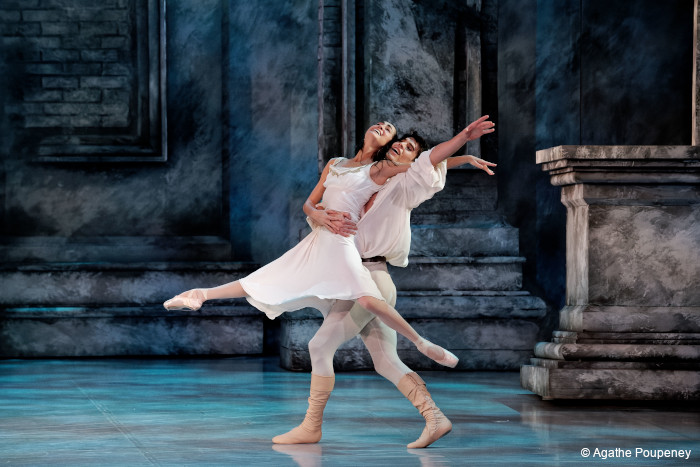
Cranko translated Pushkin’s narrative architecture into a stageable dramatic trajectory: the slow burn of unspoken feeling, the social pressures of salon life, and the catastrophic clarity of belated recognition. Critics and program notes emphasize that the ballet’s power comes from this translation of literary subtlety into choreographic situations—scenes in which small gestures, timing and duet work carry a weight of unspoken subtext.
The dancers who shaped its legacy
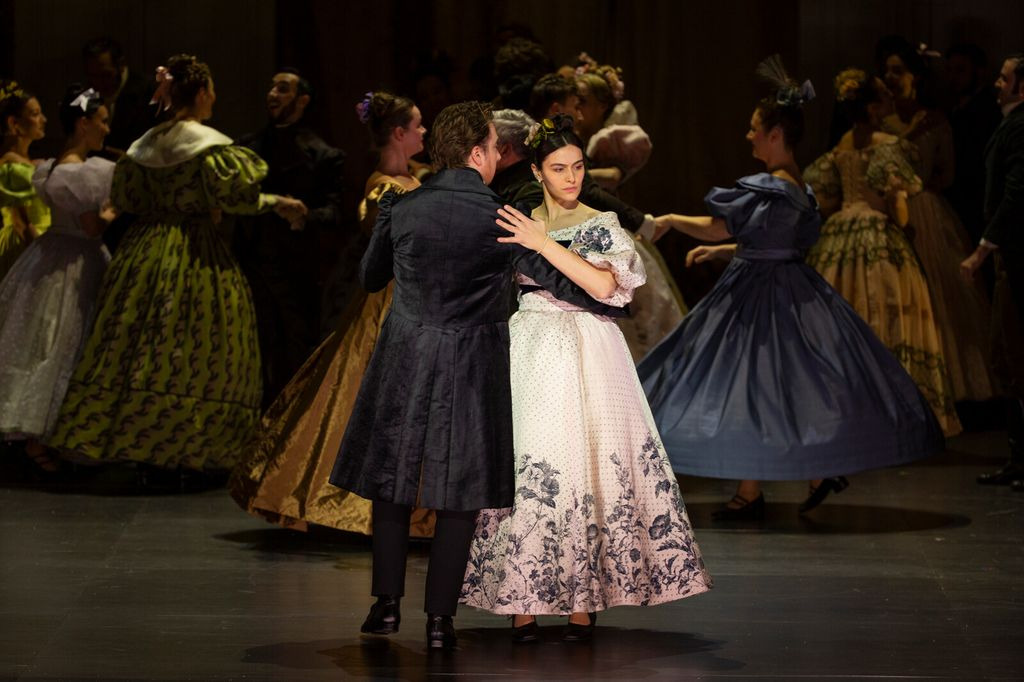
The original Stuttgart premiere cast—most notably Marcia Haydée as Tatiana and Ray Barra as Onegin—helped define the work’s early profile. From those beginnings the ballet’s reputation depended on interpreters capable of conveying psychological nuance: reviewers and program notes frequently attribute Onegin’s emotional force to performers who can inhabit subtext and sustain narrative credibility across long, non‑verbal stretches. That demand for actor‑dancers made casting and company tradition decisive for the piece’s ongoing success.
Revivals, company life and ongoing reinterpretation
After its Stuttgart premiere Onegin entered repertories worldwide. The ballet’s adaptability—its reliance on narrative clarity and performer psychology rather than elaborate scenographic tricks—meant companies could re‑stage it while preserving Cranko’s dramatic intentions. Subsequent stagings and alternative treatments of the Pushkin story (including different choreographic approaches and new adaptations) show sustained interest in the material and the willingness of the ballet form to re‑interpret Pushkin and Tchaikovsky for new audiences.
Why Onegin matters today
Onegin’s endurance is not an accident of name recognition but the result of a specific artistic synthesis. Historically, it demonstrates how a choreographer can make a canonical literary text legible in dance without reducing it to summary. Musically, Stolze’s use of Tchaikovsky provides the tonal resources to register inner life. Practically, the ballet demands performers who are as much actors as they are dancers; its repertory life depends on companies that value psychological realism in partnering and mime.
Closing interpretation
Viewed as a living work, Cranko’s Onegin shows how ballet can absorb a literary masterpiece and rematerialize it as stage psychology. The turning point was Cranko’s decision to pair a Tchaikovskian but not operatic score with a dramaturgy that privileges character over spectacle, and the subsequent commitment of interpreters who could reveal the subtext. That three‑way alliance—Pushkin’s source, Cranko’s dramatic sense, and performers’ psychological interpretation—is the precise mechanism of the ballet’s lasting 20th‑century classic status.
Author: Alex R.