English National Ballet: staging accessibility with artistic rigour
English National Ballet is a touring company whose public self-definition ties two sometimes competing ambitions: to take world‑class ballet to the widest possible audience, and to sustain the artistic rigour of a repertory that ranges from classical masterpieces to major contemporary commissions. This article examines how that institutional mission has been realised in programming, outreach and leadership choices, and why the company's name continues to matter in Britain’s dance ecology.
Quick answer
English National Ballet defines itself by a dual commitment: wide accessibility and inclusive audience building on the one hand; commissioning, touring and a repertory strategy that preserves artistic standards on the other.
What this article explains
- How ENB frames accessibility as part of its artistic mission.
- Which repertory and commissioning choices embody that mission.
- How touring and Sadler's Wells association support reach and energy on stage.
FIRST READING OF THE COMPANY
At first glance, English National Ballet presents itself as a company that speaks to many audiences rather than a narrow elite. Its public mission — to bring world‑class ballet to the widest possible audience and to “move more people in more ways” — sets accessibility and inclusion alongside artistic excellence. That positioning shapes not only marketing but practical programming choices: family projects, participation initiatives and a visible commissioning programme aimed at keeping the repertory vital.
HOW THE INSTITUTION TOOK SHAPE
The company’s institutional logic has long combined metropolitan seasons with a touring remit. ENB’s working relationship as an associate company of Sadler's Wells Theatre underlines that hybrid identity: rooted in the capital but purposeful about reaching audiences across the UK. This structural choice frames the company as one designed to carry a standard-bearing repertory beyond a single theatre, which in turn affects casting, repertoire durability and production scale.
STYLE, SCHOOL, AND ARTISTIC TEMPERAMENT
ENB’s public materials emphasise an artistic temperament that must satisfy high technical and dramatic standards while remaining communicative and accessible. That temperament is visible in how the company programs: clear presentations of classical works alongside contemporary pieces that expand the vocabulary of narrative and movement. The aim is not to dilute formal rigour but to translate it for broader audiences through programming choices and outreach activity.
REPERTOIRE AND STAGE CULTURE
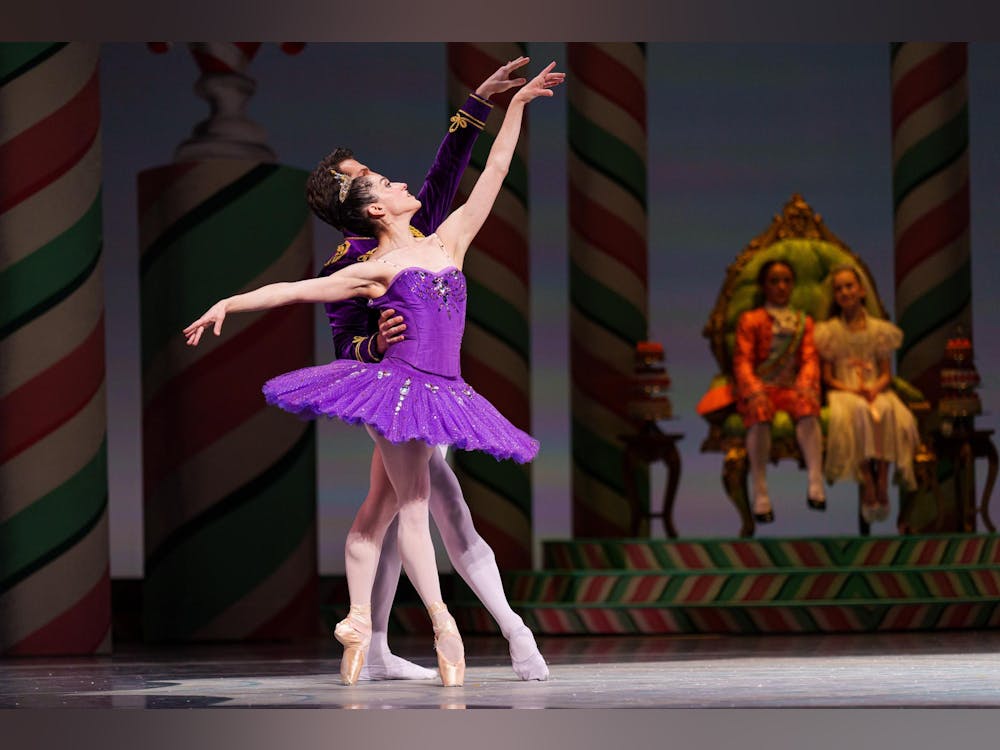
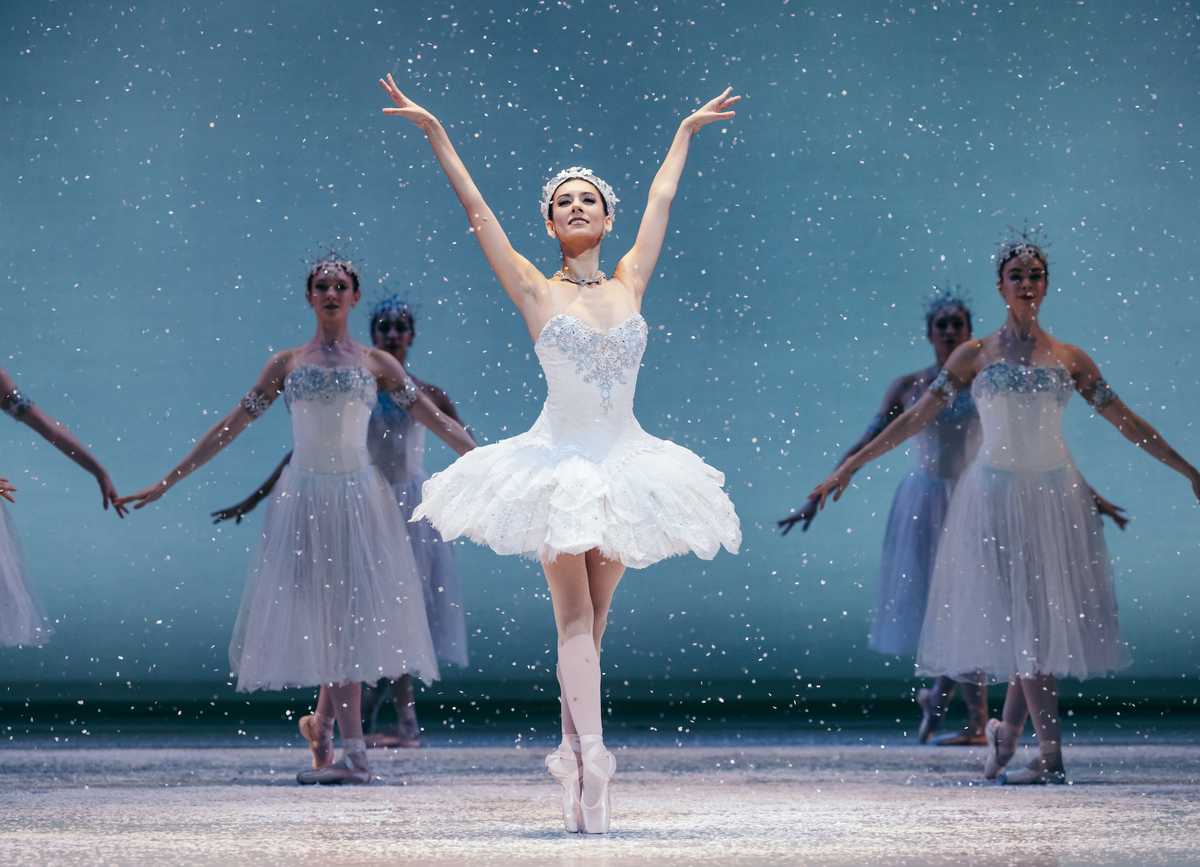
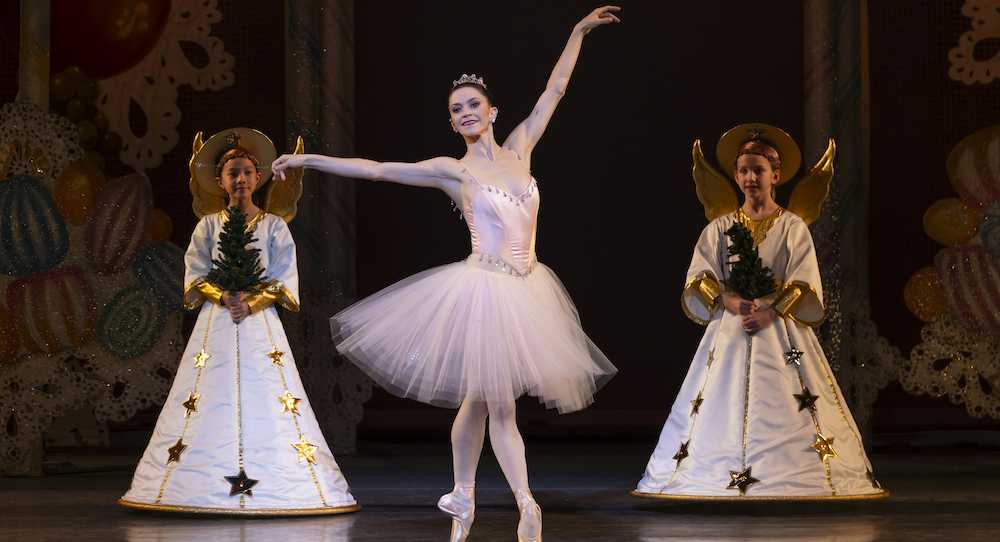
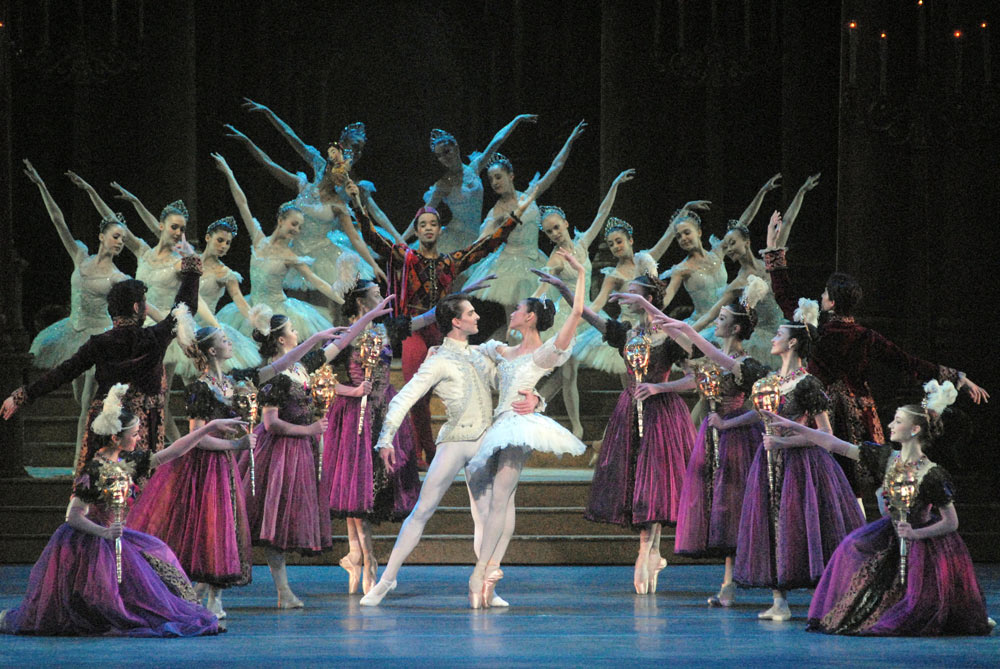
English National Ballet balances canonical titles with contemporary commissions. The company cites major contemporary collaborations—Akram Khan’s Giselle and related projects such as Dust—as evidence of a repertory strategy that both honours tradition and invests in new work. Deliberate commissioning underpins this balance: ENB runs programmes and series that commission choreographers and present new creations, which keeps the repertory shifting while preserving standards for classical pieces.
ARTISTS, DIRECTORS, AND PROGRAMMES THAT MATTER
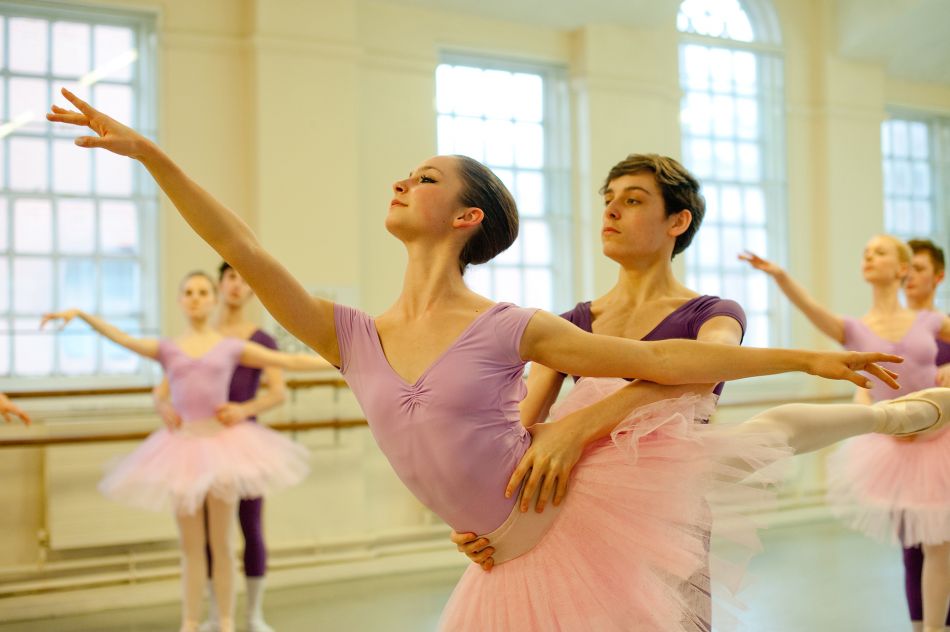
The artistic direction of the company shapes how mission translates into seasons. ENB’s current artistic leadership steers repertoire choices and outreach priorities, aligning commissioning activity and touring plans with the stated goal of widening access. Alongside season programming, ENB runs named initiatives — for example, My First Ballet, Ballet Futures and the She Said / She Persisted projects — which link learning, early‑years engagement and development of diverse choreographic voices to the company’s overall mission.
TURNING POINTS AND COMMISSIONING STRATEGY
Rather than single‑season revolutions, ENB’s distinguishing shifts have come through strategic commissioning and focused participatory programmes. The company has made sustained commitments to new work and to projects that foreground diverse voices. Initiatives such as She Said and She Persisted, together with large‑scale contemporary collaborations, show an institution that uses commissions to renew its repertory while signalling that accessibility and artistic ambition are complementary aims.
WHY THE COMPANY FEELS DISTINCT
What makes English National Ballet recognisable is the deliberate intertwining of reach and rigor. Its identity is neither purely pedagogical nor purely experimental; it is institutional and programmatic. Touring and the Sadler's Wells association make accessibility operational rather than rhetorical, while commissioning work and an explicit artistic vision keep standards high. The company therefore functions as a model for how a national‑scale troupe can present canonical ballet while evolving the form through new voices and audience development.
CLOSING INTERPRETATION
English National Ballet matters because it treats accessibility as an artistic priority rather than a marketing addendum. By combining touring, outreach programmes and a commissioning strategy that includes high‑profile contemporary collaborations, it preserves the discipline required for classical performance while widening the social and aesthetic range of ballet. Seen this way, the company’s name signifies not a stylistic homogeneity but an institutional experiment: Can a company be both widely accessible and genuinely artistically ambitious? ENB answers that question through seasons, learning work and commissions that keep the repertoire in active conversation with diverse audiences.
Author: William L.