The Bolshoi: the theatre, the company and the idea of the great ballet
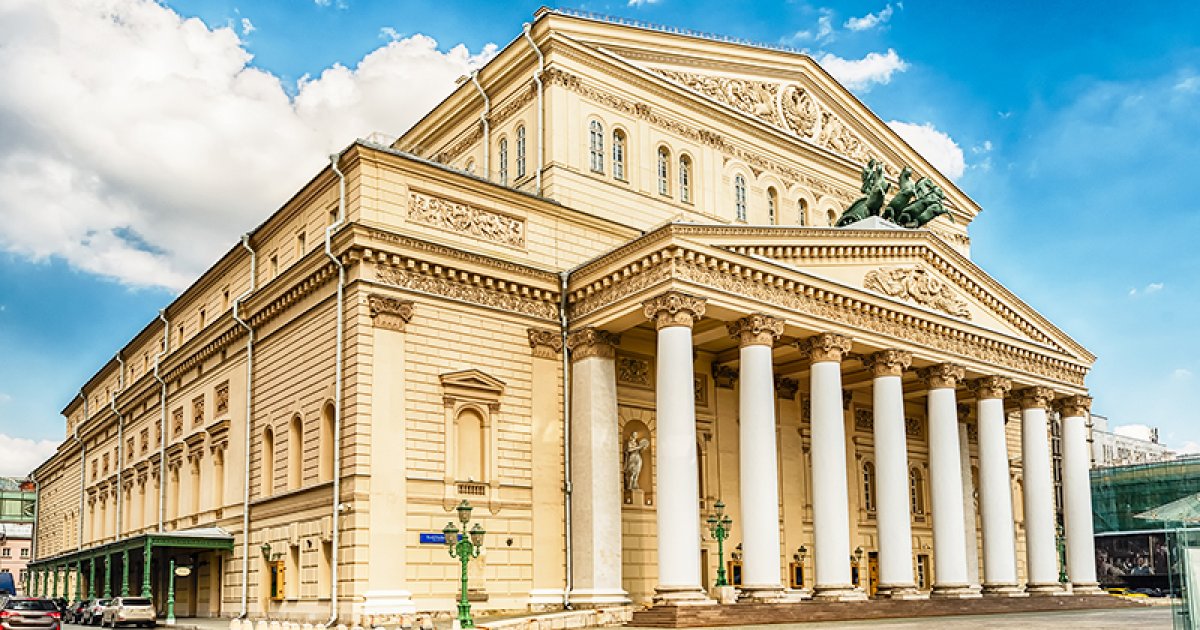
The name Bolshoi does not point to a single thing so much as to a tightly interwoven cultural organism: a neoclassical theatre on Theatre Square in Moscow, resident companies of opera and ballet, an historic academy and the production workshops that have sustained a specific image of the "great ballet." This article treats the Bolshoi as a total institution—one where building, company, school and national role are difficult to separate—and asks how that entanglement produced a recognisable artistic identity.
Quick answer
The Bolshoi functions as a single institutional complex: a historic theatre building, resident Bolshoi Ballet and Opera, an academy that feeds performers into the house, and workshops that produce the physical world of large-scale classical ballet. This union shapes the Bolshoi's artistic identity as much as any single director or choreographer.
What this article explains
- How the theatre, company and academy form an interdependent unit.
- Which institutional features produce the Bolshoi's image of "great ballet."
- Why the building and its state role matter to the company's repertory and public meaning.
First reading of the company
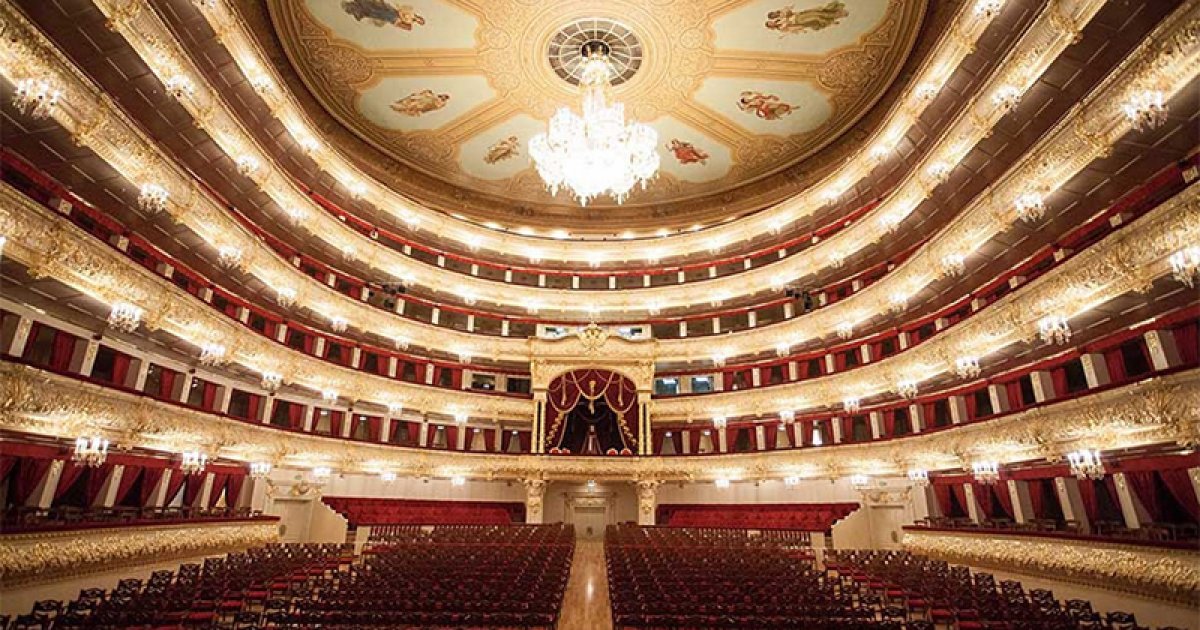
At first mention, Bolshoi conjures a single, recognisable cultural object: the Bolshoi Theatre, its broad portico and neoclassical façade on Theatre Square in Moscow. But the name also denotes resident ensembles—Bolshoi Ballet and Bolshoi Opera—and an educational and production apparatus closely tied to the house. Understanding the Bolshoi requires holding these elements together: the building is not a neutral container but a symbol and operational centre for repertory choices and institutional practices.
How the institution took shape
Theatre records and public histories locate the Bolshoi's institutional origins in the late 18th century. Over time the theatre building, the resident companies and an associated academy developed into a single cultural complex: a performance home, an educational pipeline and the workshops that stage productions. Rebuildings and renovations of the neoclassical building consolidated its status as a visible civic landmark on Theatre Square, while the academy supplied trained performers to the house, forging an organisational continuity between education and stage.
Style, school and artistic temperament
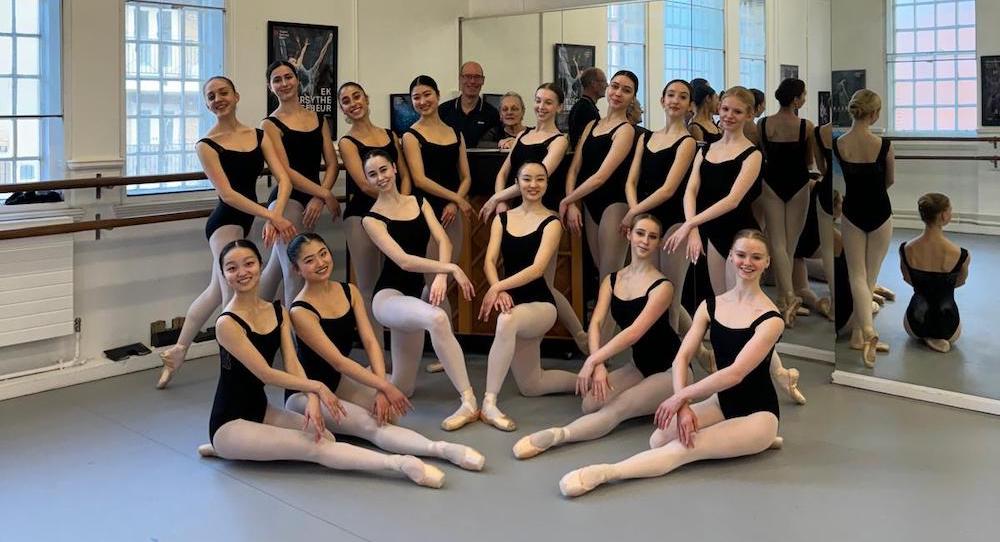
The Bolshoi's artistic identity is inseparable from its pedagogical link to the Bolshoi Ballet Academy and the long tradition of Russian classical ballet. The academy's historical roots—traced back to curriculum additions in the 1760s–1770s and institutional links to early Moscow educational initiatives—create a steady supply of performers schooled to meet the house's technical and dramatic demands. That school-to-stage pipeline helps explain why large-scale classical repertory and a clearly articulated house style have been sustainable over long periods: training, production and performance operate within the same institutional logic.
Repertoire and stage culture
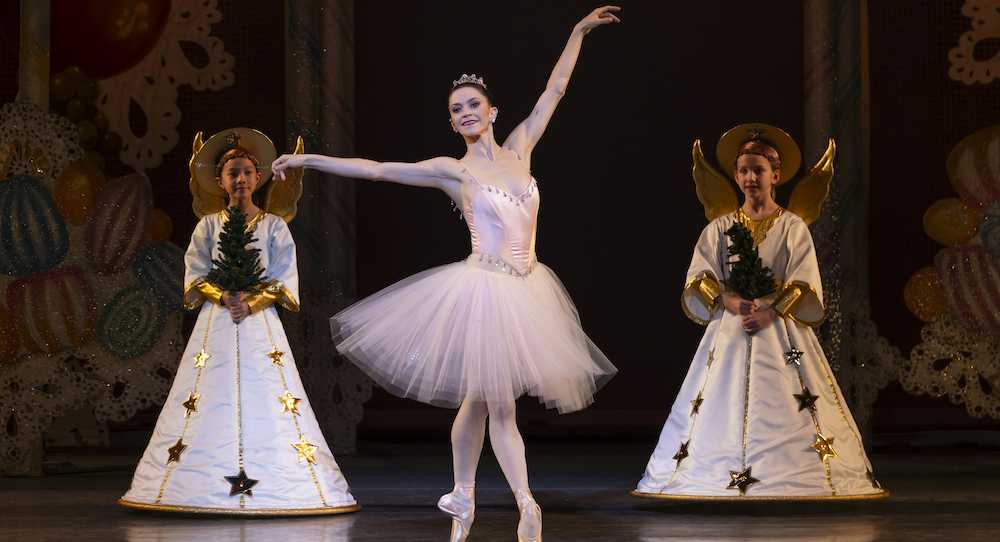
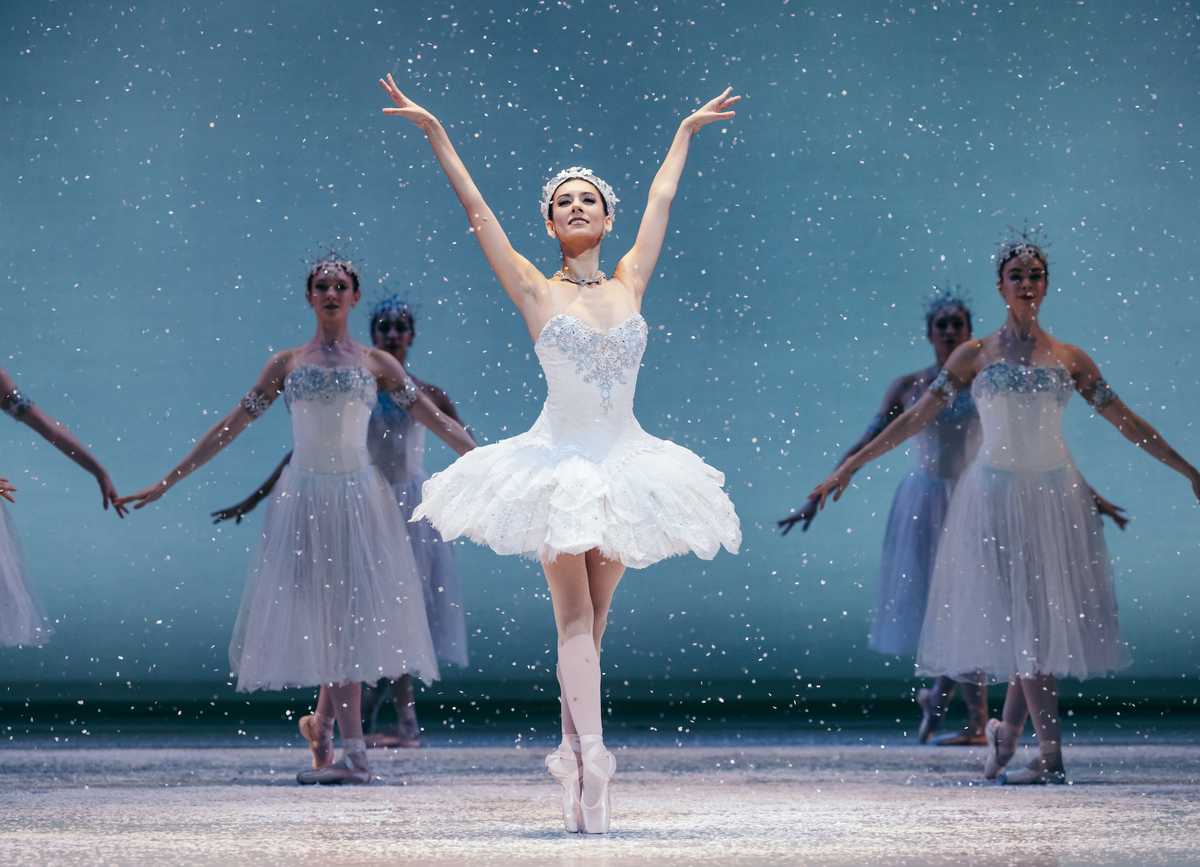
The Bolshoi's repertory habits are best read through its combined institutional role. As both theatre and company, it has long carried responsibility for staging large-scale works that fit the physical and symbolic scale of its building and production resources. The Bolshoi's identity as a site for the "great ballet" reflects this marriage of repertory ambition and the practical capacity of workshops and stagecraft associated with a major theatre complex. The theatre's history across imperial, Soviet and post‑Soviet periods has also meant that repertory choices were often framed by broader cultural and state expectations for national representation.
Dancers, directors and legacy figures
Because the Bolshoi functions as an institutional whole, individual artists and directors are meaningful not only for their personal artistry but for how they operated within that structure. The academy, the company and the theatre have together shaped career trajectories: education prepared dancers for the demands of the stage, while the theatre and its workshops enabled grand productions. This institutional circulation—academy into company, company into the national and international image of Russian ballet—creates a legacy in which people and place co-define one another.
Why the company feels distinct
The Bolshoi's distinctiveness lies less in a single stylistic trait than in the scale and coherence of its institutional architecture. The combination of a landmark neoclassical building, resident ballet and opera companies, an academy with deep historical roots, and production workshops produces a specific cultural effect: the Bolshoi is read as a repository and performative stage for the concept of "great ballet." That meaning persists because the institution bundles symbolic weight (the theatre façade, Theatre Square) with practical capacity (trained dancers, production resources) and a national cultural role that spans historical periods.
Cultural position and enduring meaning
Across imperial, Soviet and contemporary histories, the Bolshoi has operated as a state-level cultural institution and symbol. That public role has amplified the theatre's repertory choices and the international reputation of the Bolshoi Ballet. The institution's endurance depends on this alignment of physical presence, pedagogical continuity and an organisational willingness to present large-scale classical work: together these elements sustain the Bolshoi's status as a touchstone for the idea of the "great ballet."
Closing interpretation
To call the Bolshoi a single institution is to insist on a relational view: building, resident companies, academy and workshops are not separate appendages but mutually constitutive parts of an artistic organism. Its identity is historically produced—rooted in 18th-century origins, visible in the neoclassical landmark on Theatre Square, and reinforced by a steady educational pipeline—and remains significant because that institutional coherence continues to shape what audiences and artists alike mean by the great Russian ballet.
Author: Cynthia D.