San Francisco Ballet: How classical heritage, contemporary curiosity and…
San Francisco Ballet is a company rooted in an institutional history that reaches back to 1933. As a theatre-connected company with its own affiliated school, its profile today rests on a sustained classical foundation and an institutional willingness to commission and present contemporary work. This article explains what kind of ballet name San Francisco Ballet is, how that identity formed, and why the company’s blend of heritage and curiosity matters in the U.S. dance landscape.
Quick answer
San Francisco Ballet is a long‑running company born from an opera house school in 1933 whose identity is defined by a twin commitment: conserving classical full‑length works while commissioning contemporary choreographers and presenting world premieres.
What this article explains
- How the company’s origins and the Christensen brothers anchored a classical repertory habit.
- How the San Francisco Ballet School supplies a classical technique that supports repertory breadth.
- How extended leadership and commissioning activity cultivated a modern, curious public image.
First reading of the company
The name San Francisco Ballet immediately signals a company that occupies a dual role: it is both a custodian of classical stage works and an active commissioner of new choreography. Its institutional origin within an opera house school gives it a theatre-linked character rather than a purely independent, studio-born identity. That blend—classical repertory presented from a theatre frame, plus regular new commissions—shapes how audiences and critics perceive the company.
How the institution took shape
San Francisco Ballet traces its institutional origins to 1933, when the San Francisco Opera established a permanent ballet school and company. This theatre-linked beginning matters: the company’s earliest professional life was embedded in a performing-arts ecology that valued full productions staged for opera and theatre audiences. Crucially, the Christensen brothers—Willam, Lew, and Harold—played a central role in the company’s early development. Willam Christensen produced some of the first full‑length American stagings of classical ballets, including early U.S. productions of Swan Lake and The Nutcracker, and thereby anchored a repertory habit focused on the large, theatrical classics.
Style, school, and artistic temperament
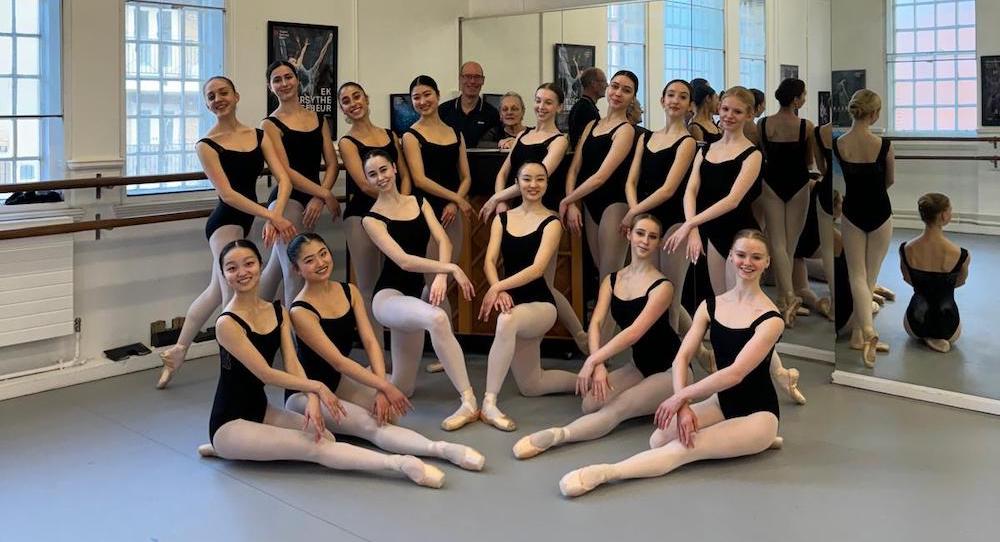
San Francisco Ballet operates an affiliated San Francisco Ballet School that trains dancers in classical technique and feeds the company. That formal training pipeline helps explain why the company can sustain full‑length classics alongside demanding contemporary premieres: a sustained classical technique provides the necessary technical base. At the same time, institutional materials and programming emphasise forward-thinking repertoire choices, so the company’s temperament is not purely archival. The coexistence of rigorous classical training and openness to contemporary choreographic work defines the company’s practical performance culture.
Repertoire and stage culture
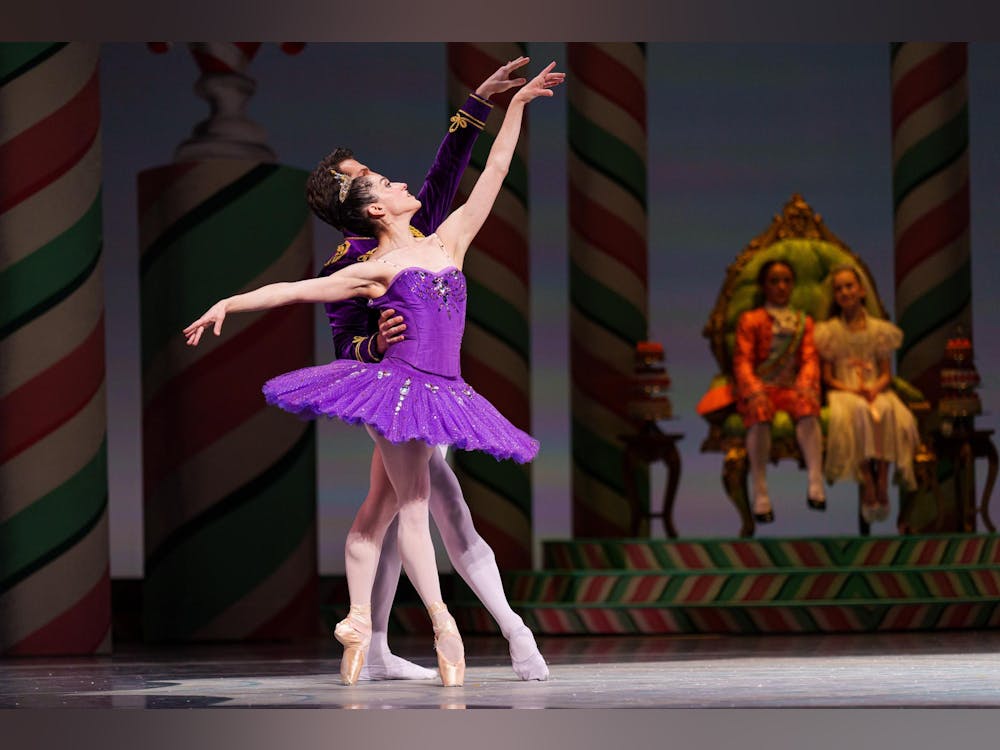
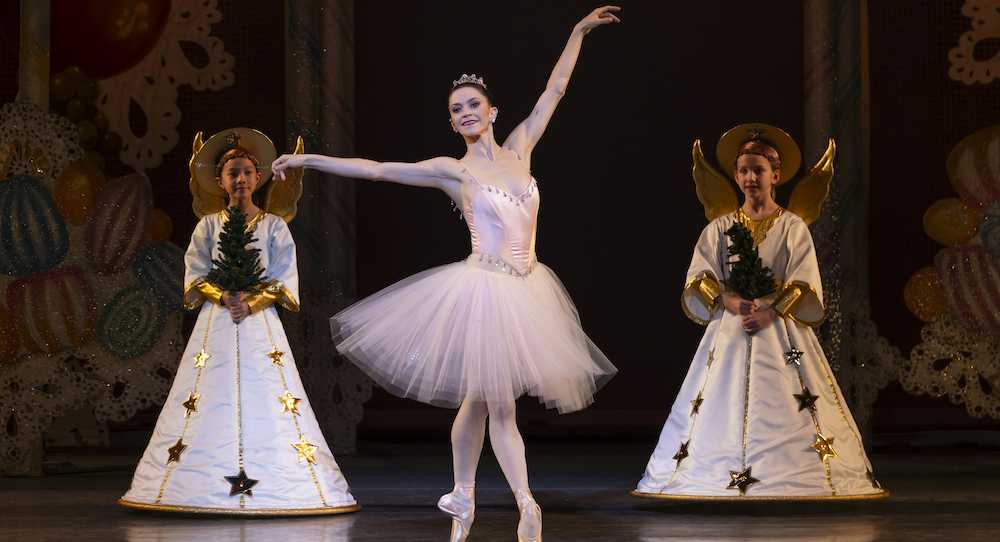
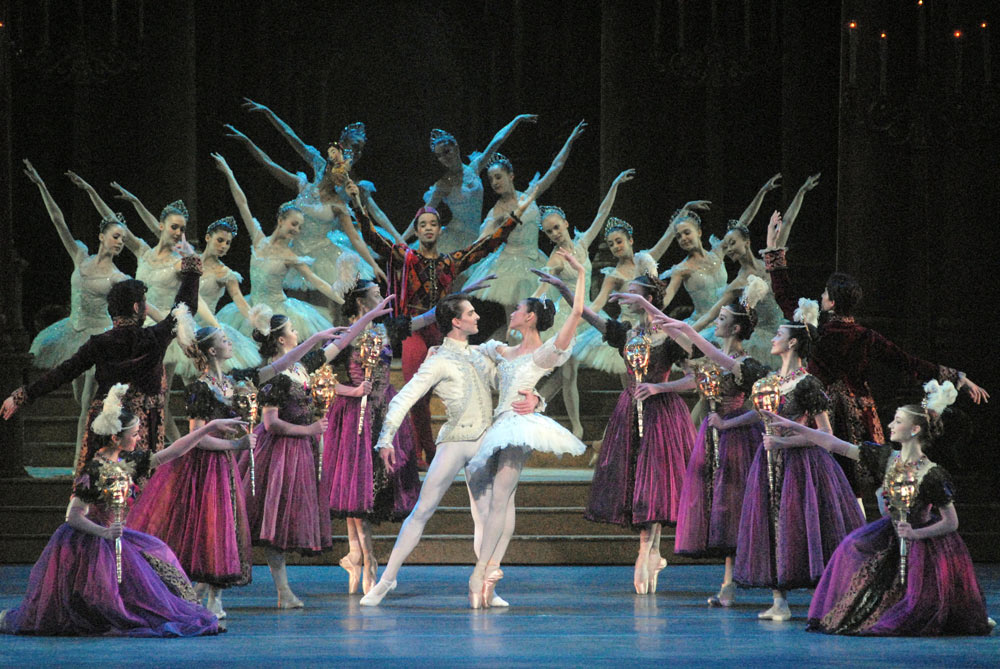
The company’s repertory life deliberately mixes canonical narrative ballets with mixed bills and world premieres. Historical practice—establishing Nutcracker, Swan Lake and similar full‑length works early on—created a repertory backbone that audiences associate with the name. In parallel, the company has a documented history of commissioning works by major contemporary choreographers and presenting new‑works initiatives and festivals. This repertory policy signals a twofold institutional logic: preserve and present classical stage spectacles while actively cultivating new choreography to keep the season programmatically dynamic.
Artists, directors and legacy figures
Several human anchors clarify the company’s identity. The Christensen brothers established the early classical repertory habit, with Willam Christensen notable for mounting early American productions of full‑length classics. More recently, long‑time Artistic Director Helgi Tomasson led the company through decades in which commissioning activity and international visibility expanded; under his leadership the company increased world premieres and presented focused new‑works projects. The transition announced in 2022 placed Tamara Rojo as the company’s next Artistic Director; her appointment is notable both because she is the first woman to lead San Francisco Ballet and because the announced programming emphasis continues the company’s balance of beloved classical ballets and contemporary creation.
Turning points, reforms, or reinterpretaions
Several institutional moments mark shifts without erasing continuity. The company’s founding within the San Francisco Opera system set a theatre-based model early on. Willam Christensen’s early full‑length stagings established a repertory foundation that persisted. More recently, Helgi Tomasson’s long tenure altered the company’s outward profile by intensifying commissioning and festival activity, broadening the company’s contemporary reach. The appointment of Tamara Rojo represents another turning point in leadership and public perception while explicitly continuing the dual commitment to classical and contemporary repertory.
Why the company feels distinct
San Francisco Ballet’s distinctiveness rests on the specific shape of its dual commitments rather than on vague claims of innovation. It is a theatre-born company with an embedded school that sustains full‑length classical works; simultaneously it has institutionalised commissioning and new‑works programming at a scale that signals curiosity and leadership. That pairing—structural roots in classical theatre productions plus a systematic appetite for premieres—creates a recognizable institutional profile: a company that presents the classics as living repertory while treating contemporary choreography as an equal responsibility.
Cultural position and enduring meaning
Within the American ballet landscape, San Francisco Ballet matters because it models a possible synthesis of preservation and invention anchored in an institutional school and theatre context. Its long history, stretching to 1933, gives the company weight as a repository of staged classical works; its commissioning record and festival initiatives give it credibility as a site where new choreography is tested and presented. That combination helps explain why the name continues to carry meaning: it signifies both a lineage of classical production and an institutional commitment to keeping repertory alive through contemporary creation.
Closing interpretation
San Francisco Ballet is not easily reduced to a single label because its identity was built as a deliberate fusion: classical technique and full‑length repertory anchored by an affiliated school, plus an organisational appetite for commissioning. The Christensen brothers provided the early repertory logic; later leadership expanded the company’s contemporary commitments. Today the company’s standing rests on that double promise—respect for the past and a concrete institutional pathway for new work—which keeps the company recognisable and relevant in American ballet culture.
Author: Eric M.