Why Tiler Peck Became Synonymous with Balanchine Clarity, Musical Rebound and…
Tiler Peck is a principal dancer with the New York City Ballet whose public image has become closely identified with the clarity, rebound and exactitude of the Balanchine-derived school. Trained at the School of American Ballet before joining NYCB and rising to principal in 2009, Peck's career and repertoire make her a clear contemporary exemplar of the stylistic demands Balanchine rehearsed into American technique: speed of foot, crisp articulation and heightened rhythmic responsiveness.
Quick answer
Peck’s SAB training, her long tenure as an NYCB principal and a repertoire that often pairs Balanchine works with contemporary pieces create a consistent context in which critics, peers and program notes credit her with the clarity, musical rebound and precision associated with the Balanchine style.
What this portrait explains
- How institutional lineage (SAB → NYCB) anchors an artistic profile.
- Which observable movement qualities invite descriptions of clarity and musical rebound.
- Why repertoire choice and public programming reinforce a stylistic association over time.
First visual and artistic impression
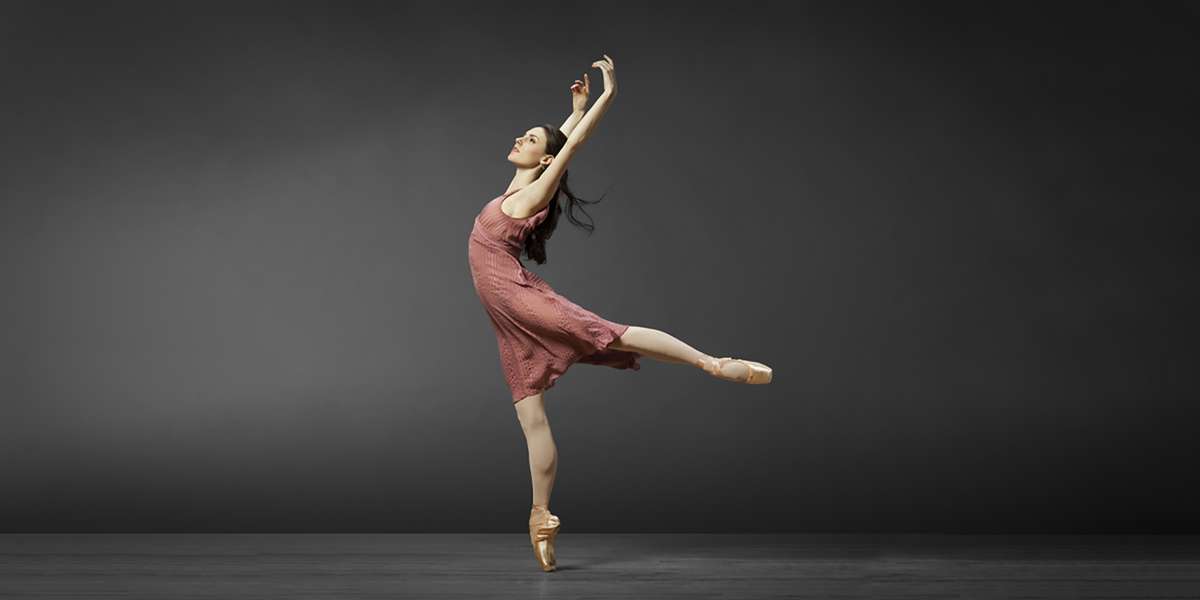
When viewers describe Tiler Peck’s stage presence in the context of Balanchine repertory, they are naming an immediate visual effect: an economy of gesture allied to sharply defined musical punctuation. That impression is not merely biographical window dressing. It follows directly from her training at the School of American Ballet—the school George Balanchine founded to cultivate a particular approach to line, phrasing and speed—and from her long service with the New York City Ballet, the institution where those aesthetic priorities are rehearsed and sustained.
Line, port de bras, and movement quality
Descriptions of Peck emphasize rhythmic clarity and precise articulation—qualities central to Balanchine technique. In practice this shows as quick, articulate footwork, economical port de bras that serve musical shape rather than theatrical ornament, and a sense of rebound: weight transferred and returned with musical intent. These are the technical affinities reviewers, program notes and peers consistently point to when aligning her with the Balanchine aesthetic.
Stage presence and repertoire associations
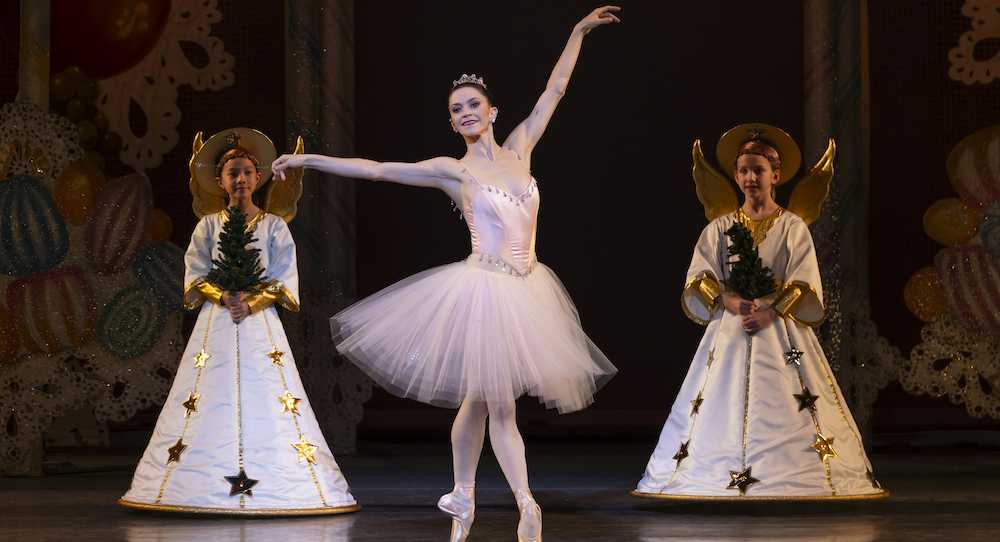
Peck’s profile at NYCB places her repeatedly in Balanchine works and in mixed bills that juxtapose Balanchine with contemporary choreography. That programming creates repeated opportunities for audiences and critics to see how her musical responsiveness and technical crispness function within Balanchine’s idiom—speed, clarity and the demand for rhythmic exactness. Over time, such repertory patterns produce the stronger cultural shorthand that associates a dancer with a particular school.
Career turning points and artistic context
Two verifiable anchors shape this portrait: Peck’s training at the School of American Ballet and her promotion to principal at New York City Ballet in 2009. Those facts matter because they place her inside an institutional lineage that intentionally preserves Balanchine technique. Institutional profiles, festival biographies and major press coverage consistently frame her work through that lineage, which both explains and amplifies the connection between her individual qualities and the broader Balanchine tradition.

What made Tiler Peck distinctive within that tradition
Distinction here is relational. Peck is not presented as a generic Balanchine specialist but as a performer whose musicality and technical finesse make her especially serviceable to the school’s demands. Critics and program notes single out her rhythmic intelligence and the clarity of execution—traits that matter in ballets where the choreography exposes every phrase. Her ability to move with pronounced musical rebound while maintaining polished line and crisp ensemble placement is what separates an effective Balanchine dancer from an exceptional one.
Why this association endures
The association between Tiler Peck and the Balanchine aesthetic persists because three reinforcing factors converge: training (SAB), institutional embodiment (NYCB principal) and repertoire that repeatedly demonstrates the fit. Independent festival profiles and major press accounts reinforce this reading, creating a consistent public narrative. Additionally, Peck’s expanding activity—choreographing and curating projects noted in institutional materials—shows she engages with musical and stylistic choices beyond performance, further cementing her visibility as a contemporary carrier of that lineage.
Closing interpretation
Peck matters as an interpretive figure because she illustrates how technique, institutional context and repertoire combine to shape a dancer’s artistic identity. Her case shows that being “Balanchine” is not solely a matter of steps; it is a habit of musical response, a disciplined clarity of execution and a repertory context that repeatedly tests those habits. Understanding Tiler Peck helps readers see how modern American ballet transmits stylistic values across generations: through training, casting and performance practice, not merely through reputation.
Author: Alex R.