Tiler Peck: musical speed, clarity of phrasing and a neoclassical signature
Tiler Peck is a Principal Dancer with New York City Ballet whose stage identity is repeatedly defined by an unusually musical approach: speed that reads as precision, phrasing that is both clear and articulate, and transitional intelligence that makes complex choreography feel conversational. This portrait examines the technical and stylistic habits that make her immediately recognisable within the neoclassical repertoire she often performs.
What defines this dancer
Tiler Peck’s artistic signature rests on three interlocking qualities: brisk musical speed, crystalline phrasing, and smart, readable transitions—an aesthetic that aligns naturally with Balanchine-influenced neoclassicism and that critics and program notes repeatedly single out.
What this portrait explains
- How critics and profiles characterise Peck’s musicality and speed.
- Why clarity of phrasing and transitions matter in neoclassical works.
- How Peck’s choreographic interest reflects her performance style.
First visual and artistic impression
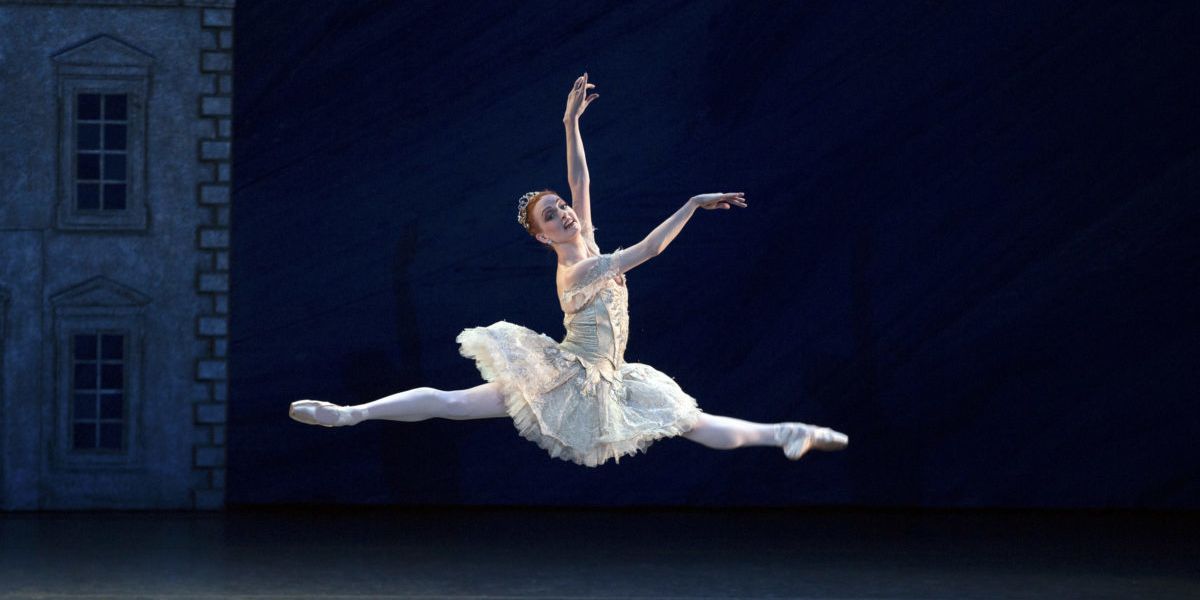
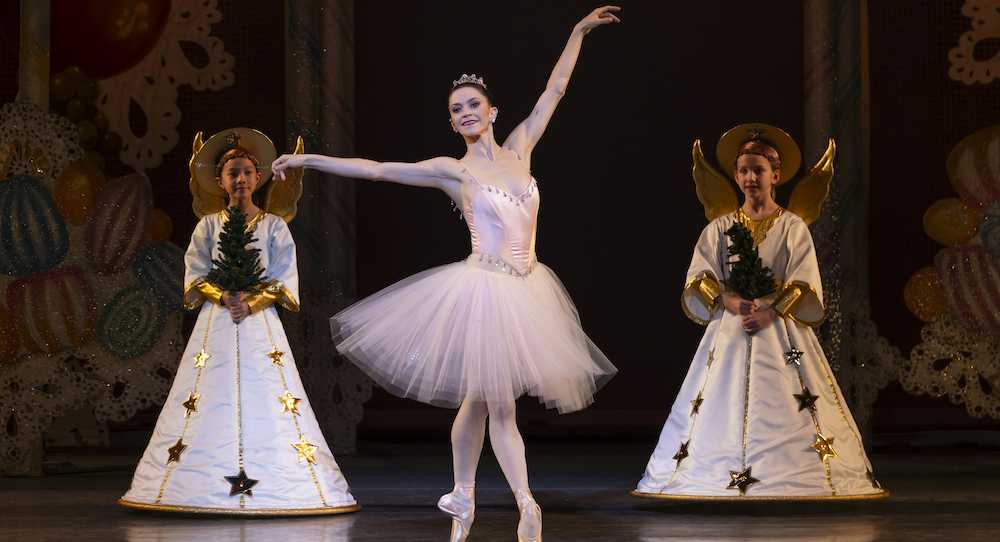
Audiences who see Tiler Peck often remember not only steps but timing: the rapid, crisp articulation of movement that seems to answer the music instantly. Reviews and profiles emphasise her extraordinary musical responsiveness and the way her phrasing can sound like a singer shaping a fast, intricate line. That immediate sense of musical dialogue is what makes her entrance and initial gestures so memorable.
Line, port de bras and movement quality
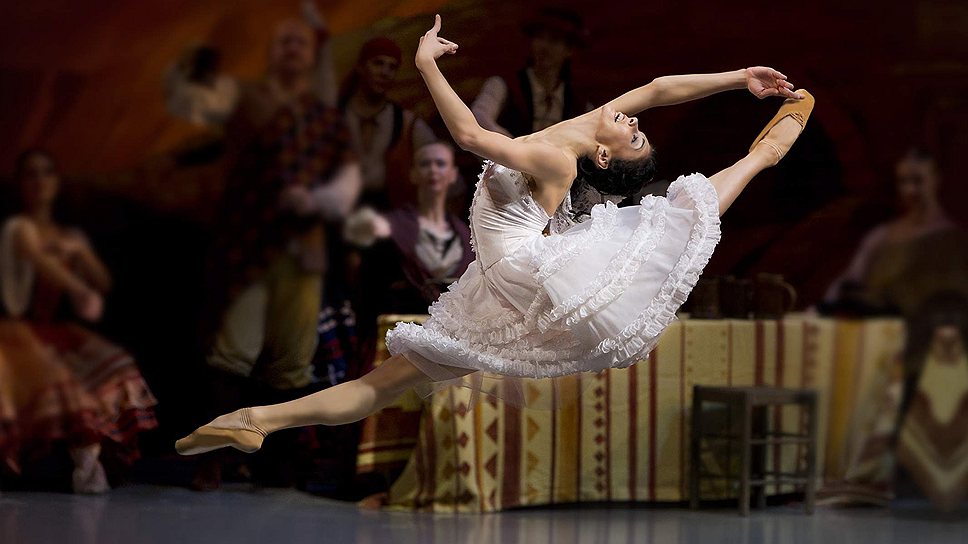
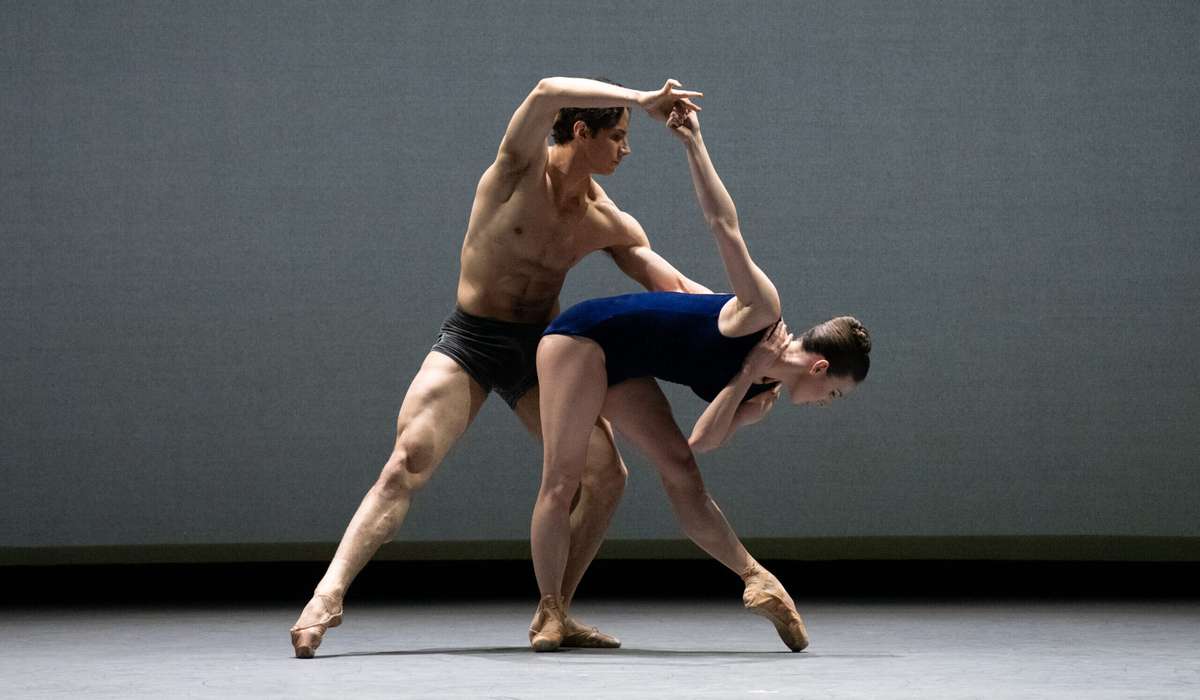
Commentators note that Peck combines legible, precise technique with an economy of gesture that favours musical punctuation over florid excess. Her phrasing is described as both legato when the music calls for it and brisk where clarity is required—qualities that produce a readable, sharply drawn silhouette in fast passages. This attention to musical accents and clean articulation contributes directly to a neoclassical aesthetic of speed and clarity.
Stage presence and dramatic reading
Peck’s presence is often framed by reviewers as an extension of her musicality: the intelligence in transitions and phrasing translates into a dramatic clarity on stage. Rather than theatrical gesture divorced from structure, her choices feel driven by the score and the choreography’s demands. That alignment between musical intention and stage action gives her performances a coherently shaped dramatic arc, even in short, abstract works.
Roles and repertoire associations
As a principal with New York City Ballet, Peck’s profile is tied to repertory where speed, articulation, and musical responsiveness are prized—Balanchine and the neoclassical tradition being the primary context mentioned in reviews and program notes. Critics have singled out specific performances that highlight her coloratura-like phrasing in fast, virtuosic solos and her legato in slower adagio passages, underscoring why certain works expose her strengths more distinctly.
Career turning points and choreographic voice
Verified sources confirm Peck’s standing as a New York City Ballet principal and note that she also works as a choreographer. Reviews link her choreographic voice to the same Balanchinean and neoclassical ideals evident in her dancing: formal clarity, brisk solo passages, and a strong emphasis on musical structure. Her movement as choreographer and performer thus appears consistent—a single aesthetic sensibility expressed in both interpretation and creation.
What made Tiler Peck distinctive
The distinction lies less in a single flashy attribute than in a constellation: exceptional musicality, consistent speed with clarity, and transitions that read as intelligent musical decisions. Critics repeatedly use terms like "extraordinary musicality," "speed and clarity," and praise for "readable phrasing." Together these traits create a performance identity that fits naturally in neoclassical repertory but remains recognisably her own.
Why this profile still matters
Peck’s combination of musical reflexes and technical polish offers a contemporary example of how Balanchine-derived neoclassicism continues to shape dancer identity at major companies. Her approach—valued both in reviews of her performances and in commentary on her choreography—demonstrates how disciplined musical sensitivity can be a defining artistic strategy rather than a mere technical virtue. For dancers, programmers and audiences interested in how choreography and music interact, Peck remains a useful and observable case.
Closing interpretation
Tiler Peck’s significance is not solely institutional: it is stylistic. Verified commentary consistently frames her as a dancer whose timing, phrasing and transitional intelligence make music visible and choreography intelligible. In that sense, she illustrates a durable truth about neoclassical ballet—speed without clarity is spectacle; speed with musical intelligence becomes communicative art.
Author: Eric M.