First Position Ballet Explained: Feet, Turnout and Why It Matters
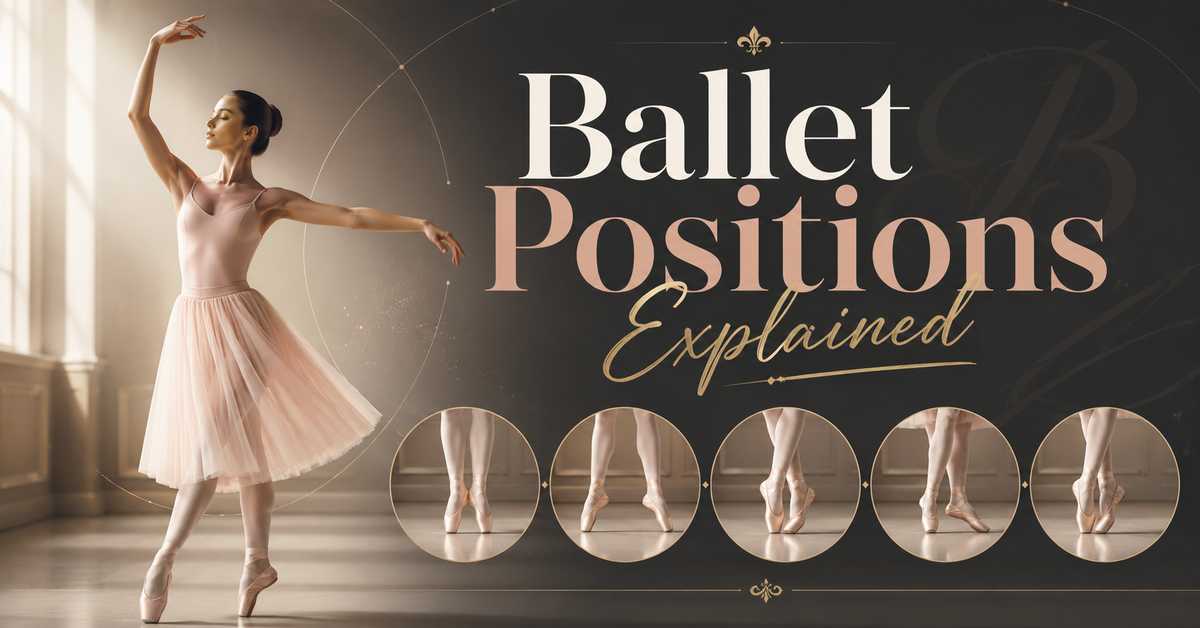
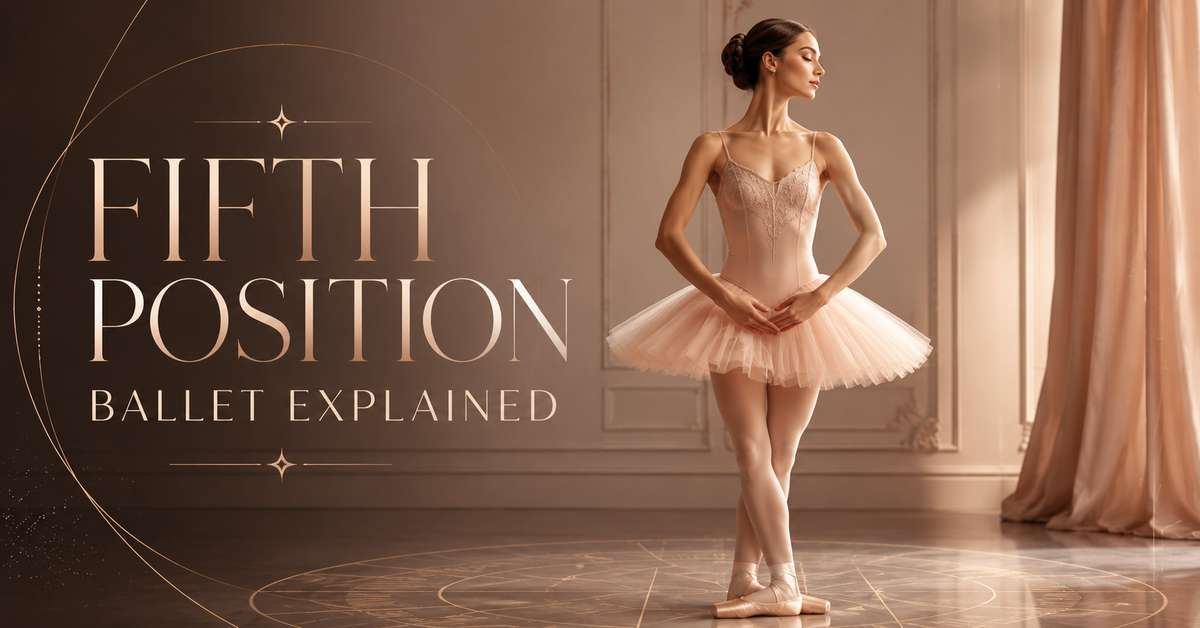
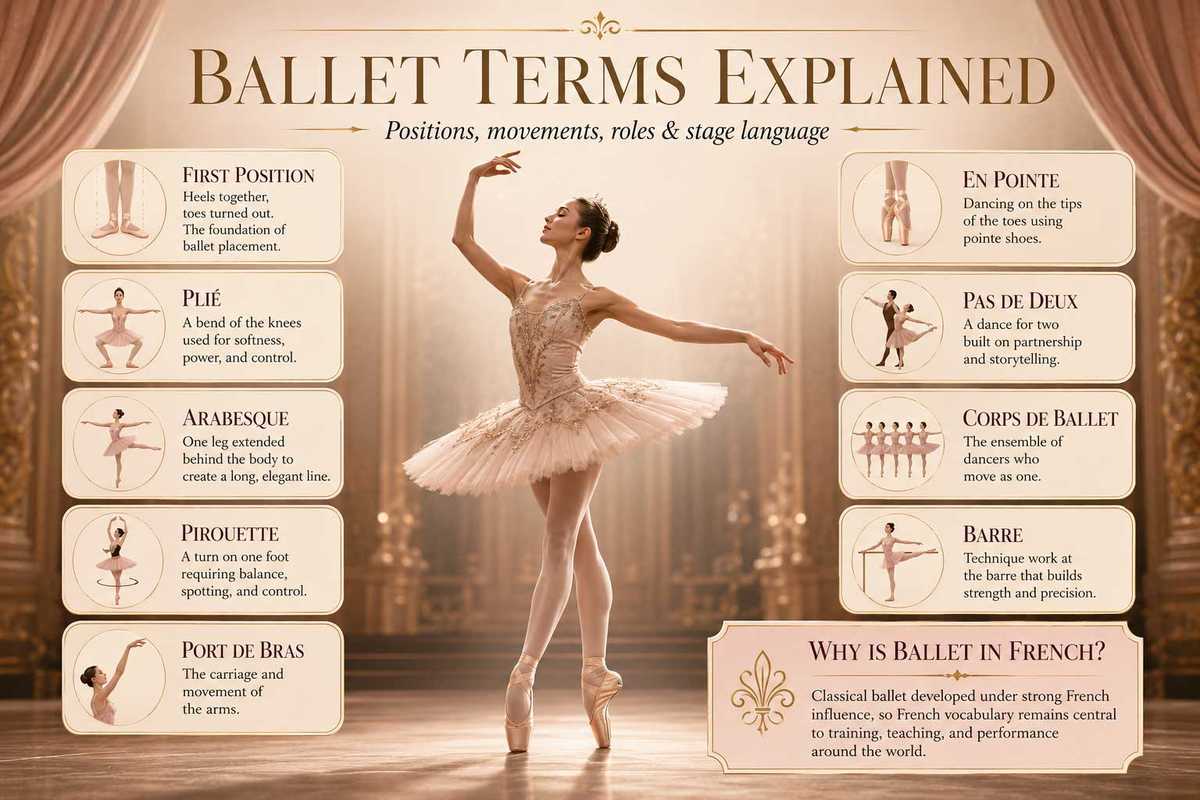
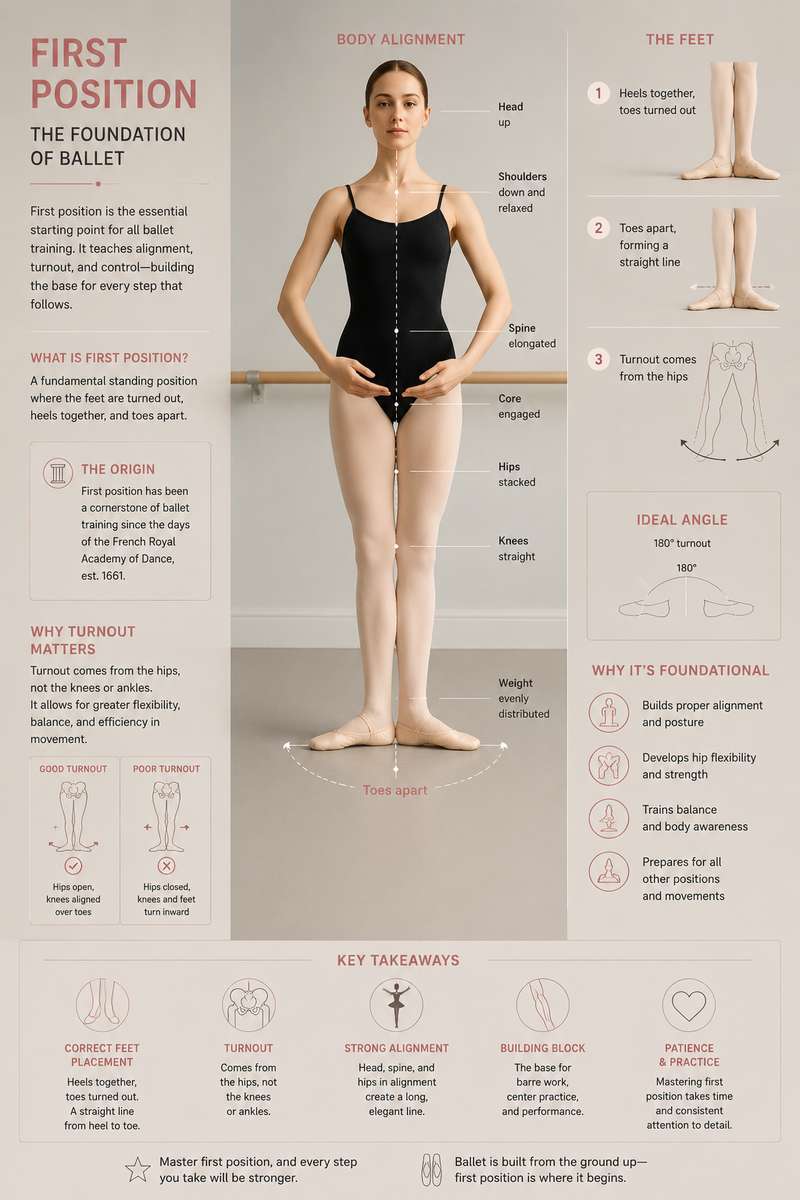
First position is one of the five foundational foot positions in classical ballet. At its simplest it places the heels together with the toes turned outward so the feet form a straight line. For beginners this small shape is the starting point for barre work, port de bras, centre exercises and many basic steps; for teachers it is the first lesson in how turnout, alignment and safe technique connect.
First position = heels together, feet turned out from the hips. Emphasise hip-driven turnout, flat supported feet, knees aligned, and core engagement. Taught early and used throughout class and choreography.
CLEAR DEFINITION
First position of the feet places the heels together with the toes turned outward so the feet form a straight line. This is a classical description used across major methods: the heels touch and the feet are externally rotated. The outward rotation is known as turnout and is central to the identity of classical ballet.
WHAT THE VIEWER SEES
On stage first position reads as a simple, symmetrical base: two straight feet with heels together and toes pointing away from the midline. Even when the dancer moves, first position often appears in entrances, beginnings of phrases and as the neutral setting for port de bras (carriage of the arms). To an audience it signals classical line and readiness rather than a static posture.
TECHNIQUE AND BODY MECHANICS
The technical essentials are turnout produced from the hip joints rather than rotation at the knees or ankles, feet flat with arches supported, knees aligned over the toes (patella tracking over the second toe), and engagement of the core and gluteal muscles. Teachers emphasise that forcing extra turnout from the ankles or knees risks stress on joints; anatomically sourced turnout from the hips is the safe, effective approach.
TRAINING AND DISCIPLINE
First position is among the first technical skills introduced to beginners and underpins much of barre work and centre practice. Teachers use repetition to reinforce hip-driven turnout, foot articulation and alignment. Because dancers vary anatomically, a student’s comfortable, safe turnout is often less than an idealized maximal angle; instructors encourage working within that safe range to reduce injury risk.
STAGECRAFT AND PERFORMANCE
Choreographically, first position functions as a neutral or starting place for steps and as a clear moment of stillness in phrasework. In groups, consistent first positions help corps de ballet formations read cleanly under stage light; inconsistencies in turnout or alignment can break the visual line that directors and choreographers rely on.
COSTUME AND VISUAL LANGUAGE
First position interacts with costume and imagery. Tights and shoes reveal the line from hip through ankle and make turnout visible; in photography and posters the simple silhouette of heels together and outward toes communicates classical technique. For wall art and prints, the clean geometry of first position—two parallel feet turned away—translates well into compositions that celebrate balance and discipline without needing movement to be shown.
COMMON MISUNDERSTANDINGS
Beginners often try to create turnout by twisting the feet or bending the knees outward. The correct action is rotation from the hips with feet remaining flat and arches supported. Another common error is assuming more turnout is always better; teachers caution against forcing turnout beyond a dancer’s anatomical capacity because that can increase injury risk.
READER VIEWING GUIDE
When you watch a class or a performance, notice whether turnout appears to come from the hips (a smooth line through the leg) and whether knees sit over toes in first position. In photographs or posters, look for the relationship between the feet and the rest of the pose: a confident first position frames the torso and arms and makes the whole figure read as prepared and composed.
CLOSING INTERPRETATION
First position is deceptively simple. It is a compact technical lesson—how to source turnout from the hips, support the foot, and align the knee—that informs everything a dancer does next. For beginners it is a building block in class; for audiences and for visual art it provides a recognizable classical line that carries the grammar of ballet across training rooms, stages and printed images.
Author: Alex R.