Ballet Positions Explained: The Five Foot Positions, Turnout, and Alignment
Classical ballet is built around five basic positions of the feet. These canonical shapes—first through fifth—serve as starting points, finishing places, and reference frames for nearly every step, exercise, and pose in the classical repertoire. Understanding these positions, and the principles of turnout and alignment that support them, makes it easier to read choreography, appreciate a dancer’s technique, and see why ballet imagery on posters and wall art looks so disciplined and intentional.
Quick summary: The five foot positions are first to fifth; turnout is outward rotation from the hips; correct alignment and progressive training keep turnout safe and effective.
Quick access: Definition • Technique & mechanics • Wall art & imagery
CLEAR DEFINITION
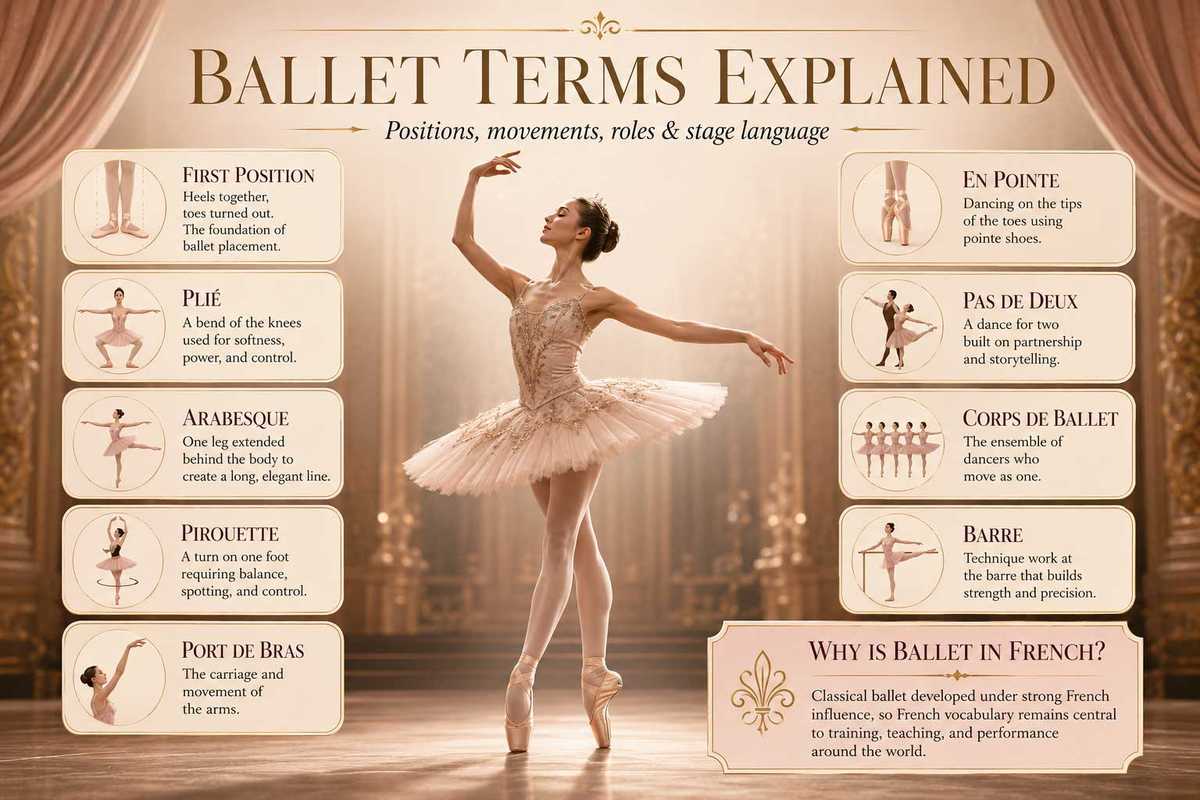
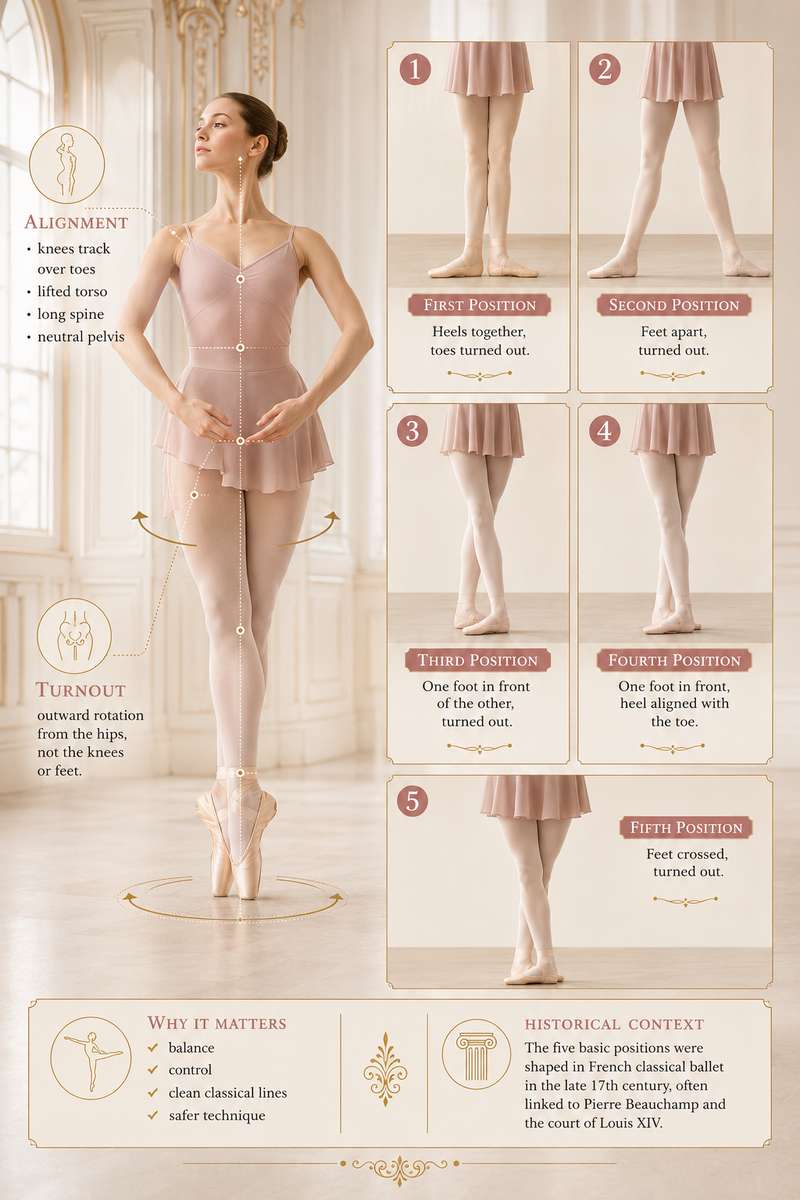
In classical ballet vocabulary the five positions of the feet—first, second, third, fourth and fifth—are standardized shapes used as starting and ending points for steps and exercises. These positions were codified historically within the French school of ballet and remain the foundational reference around which barre work, centre exercises, adagio, and allegro are organized.
WHAT THE VIEWER SEES
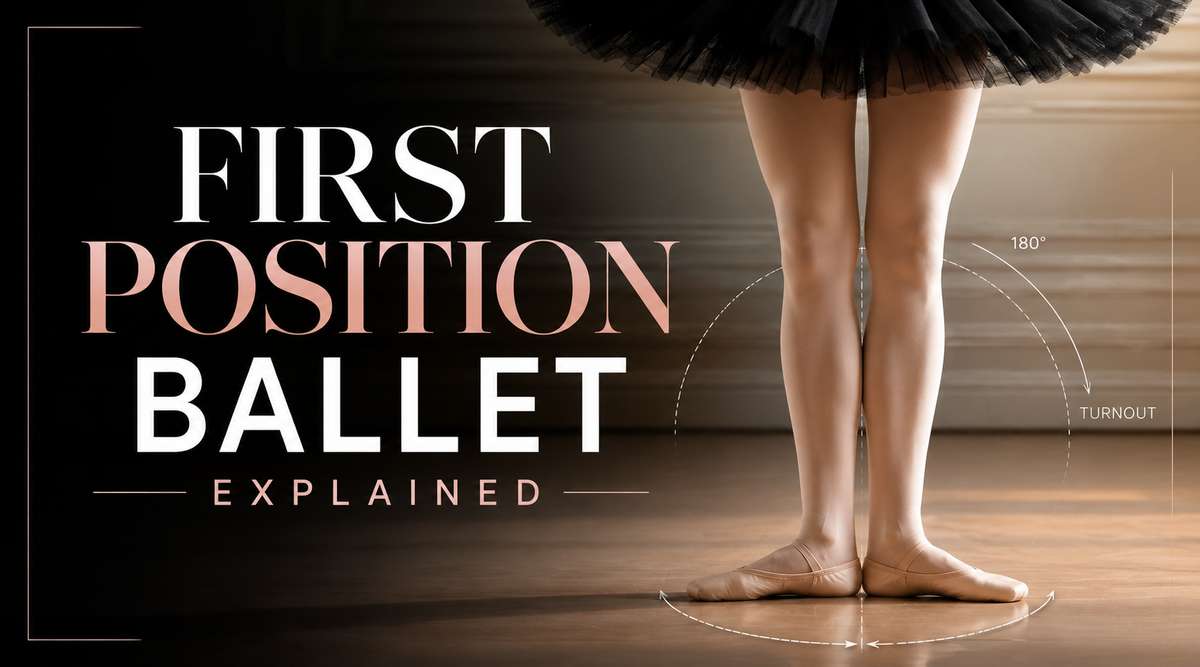
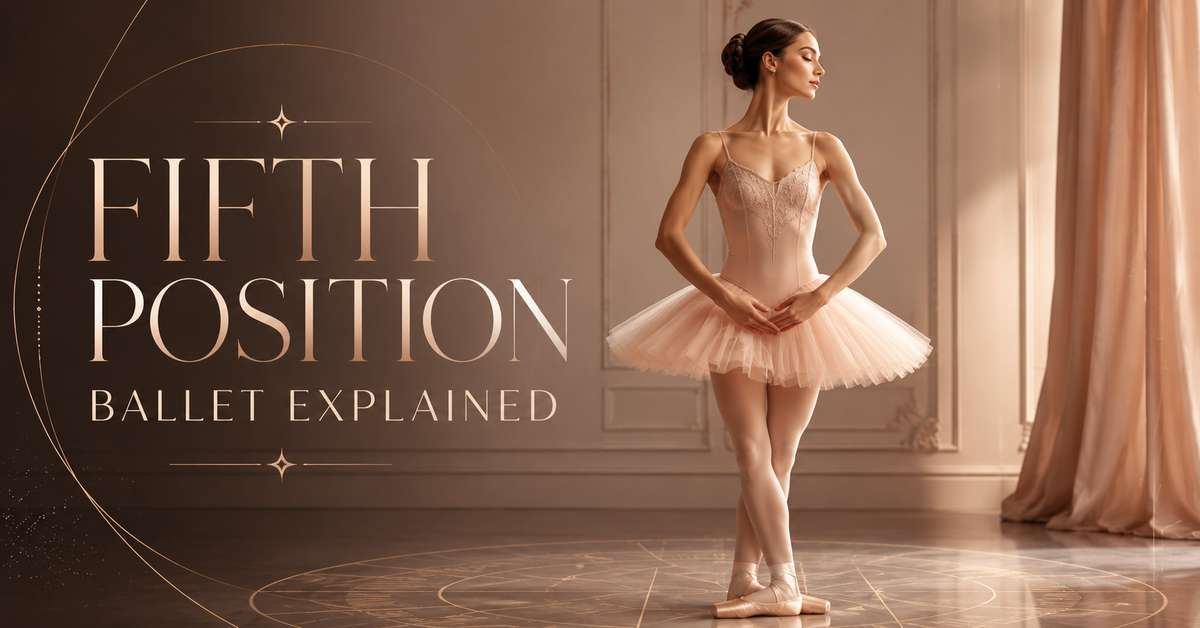
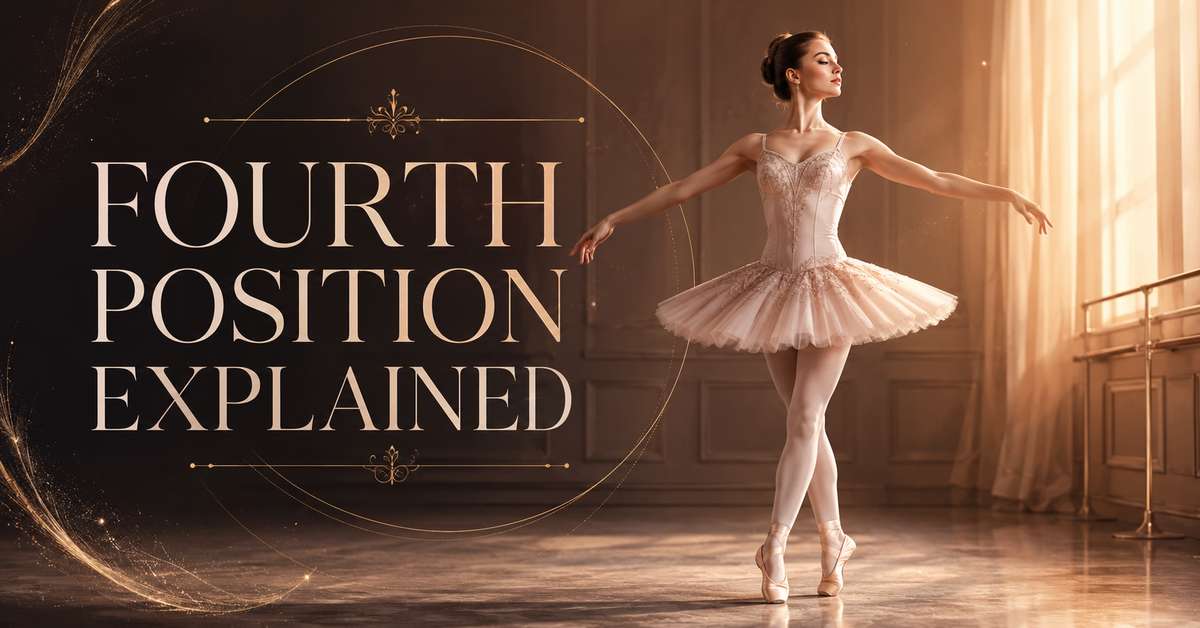
On stage the five positions create clear silhouettes and consistent lines. Audiences recognise them as restful, prepared moments between movements: heels together and turned out in first; feet apart and turned out in second; one foot placed in front against the other’s instep in third; a separated front-and-back placement in fourth; and the fully crossed alignment of fifth. These static shapes help make turning, jumping, and phrasing visually coherent.
TECHNIQUE AND BODY MECHANICS
Turnout—the outward rotation of the legs from the hip sockets—is central to the five positions. The angle between the feet in first position, for example, reflects a dancer’s turnout. Turnout depends primarily on hip external rotation, with contributions from the tibia, ankle, and foot. Teachers emphasise activation of core and gluteal muscles and vertical alignment—stacking head over shoulders over hips over knees over feet—to maintain balance and protect the joints while working in turned-out positions.
TRAINING AND DISCIPLINE
In class the five positions are drilled at the barre and in centre work so that movement can begin and end in safe, repeatable shapes. Pedagogy and dance medicine literature advise developing turnout progressively and within a dancer’s anatomical limits. Strength, flexibility, and corrective guidance are used to avoid forcing turnout beyond what the hip joint and supporting muscles can safely sustain.
COMMON MISUNDERSTANDINGS
Beginners often think turnout is only a foot or ankle problem. In truth, true turnout originates at the hip; trying to achieve extra rotation through the knees or feet risks strain. Another frequent misconception is that more turnout always equals better technique—dance science cautions that turnout should be increased gradually with attention to strength and alignment to reduce injury risk.
COSTUME, STAGECRAFT, AND WALL-ART LANGUAGE
The five positions shape how costumes and lighting read on stage and in photographs. Clean foot placement and consistent turnout produce the long vertical and diagonal lines favoured in ballet photography and posters. Tights, pointe shoes, and tutu silhouettes all accentuate the geometry of the positions: crossed fifths look compact and formal, while open second shows lateral breadth—choices choreographers and designers use to shape the stage picture and the mood of printed images or wall art.
HISTORY AND REPERTORY CONTEXT
The five positions are a long-standing element of classical technique, historically tied to the codification of ballet technique in the French tradition. Because they function as the basic vocabulary, the same set of positions underlies exercises and steps found across the classical repertory, from barre work to large-scale corps de ballet formations.
READER VIEWING GUIDE
When you watch a ballet or study a poster, notice how dancers return to the basic positions to organise movement. Look for the placement of heels and toes, the degree of turnout, and whether the spine and hips remain stacked. These small details reveal training, strength, and musical response: a clean fifth position suggests precise preparation for a turn, while a well-defined second position can communicate openness and breadth in a group tableau.
CLOSING INTERPRETATION
The five positions of the feet, supported by turnout and correct alignment, are more than static poses: they are the structural grammar of classical ballet. Understanding them helps beginners follow class, helps fans read performance technique, and helps anyone appreciate why ballet imagery—on stage, in photographs, or as wall art—feels both disciplined and visually purposeful.
Author: Cynthia D.