Ballet Terms Explained: A Beginner’s Glossary of Positions, Steps, Roles, and…
Ballet terminology can feel like a new language. This glossary explains essential ballet terms for beginners—what you see on stage, what the dancer must do technically, and why so many words are in French. Understanding these basics makes performances and ballet imagery, from posters to studio prints, easier to read and appreciate.
Quick summary: Classical ballet vocabulary is largely French because the technique and terms were formalized in France. Beginners learn five foot positions and elementary movements such as plié, tendu, relevé, arabesque, and battement. Companies use ranks like corps de ballet and principal, and stage directions also use French terms for consistent placement.
Quick access: Definition • Five positions • Common movements
Clear definition
"Ballet terms explained" means describing the basic words dancers and teachers use to name positions, steps, roles, and stage directions. These terms form a shared vocabulary that links classroom training to choreography and performance. Because much of classical ballet technique was codified in France, many standard terms are French; that historical origin gives companies and schools an international language for instruction and staging.
The five positions of the feet
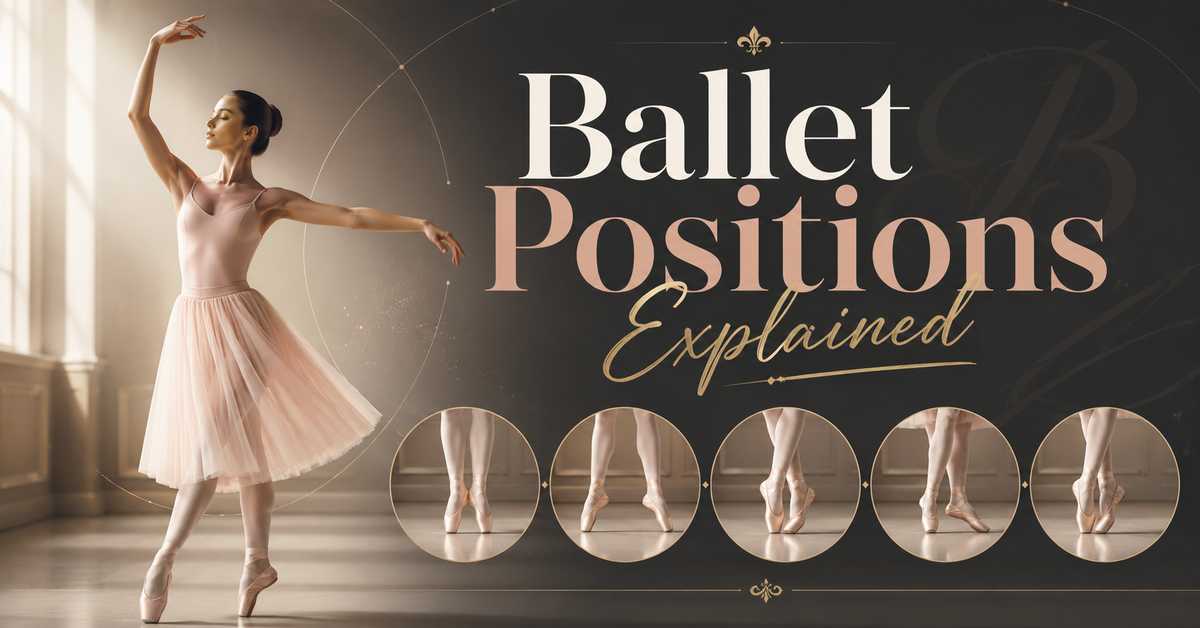
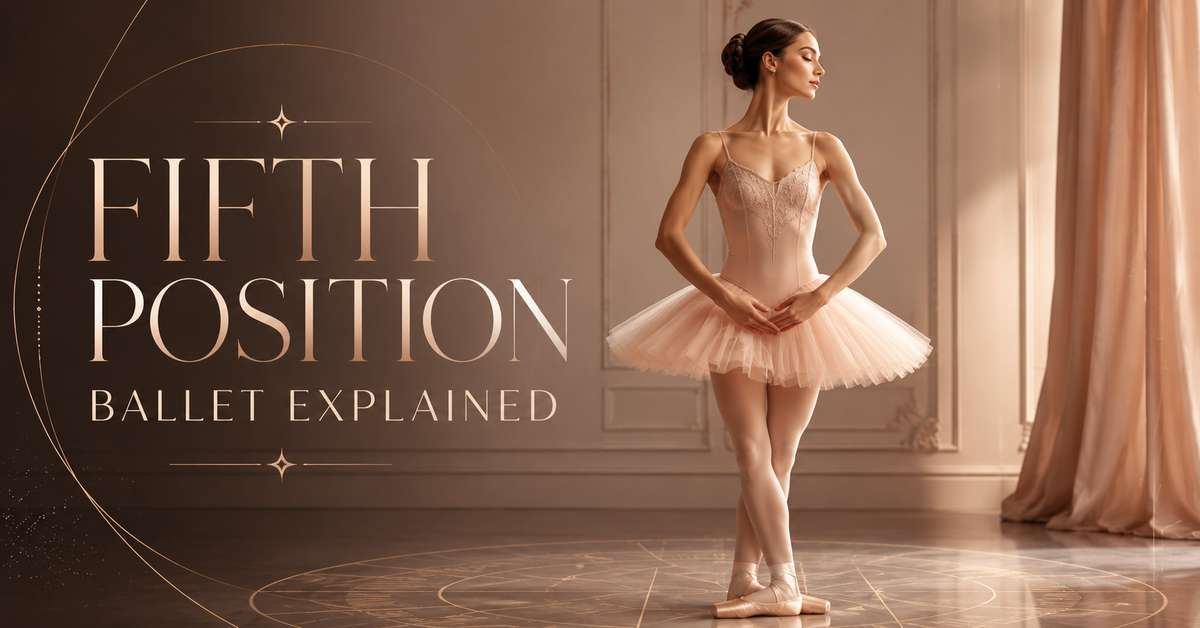
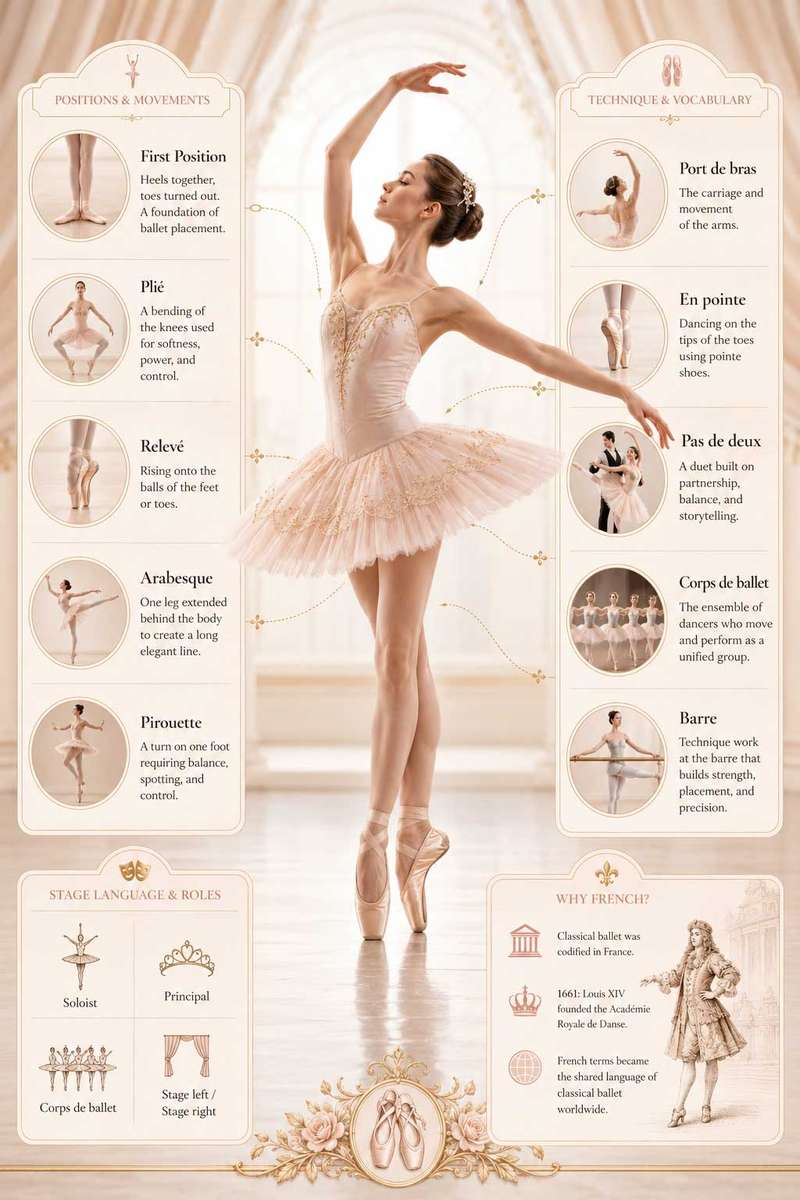
One of the most stable anchors in classical training is the five positions of the feet. Pierre Beauchamp is credited historically with codifying these positions in the 17th century. They are taught to beginners across most major training systems and serve as starting points for movement: first, second, third, fourth, and fifth position. Each position arranges the feet and turnout in specific places to create lines and to prepare for steps. Photographs and posters that emphasize the dancer's line often reference these foundational shapes.
Common movements beginners learn
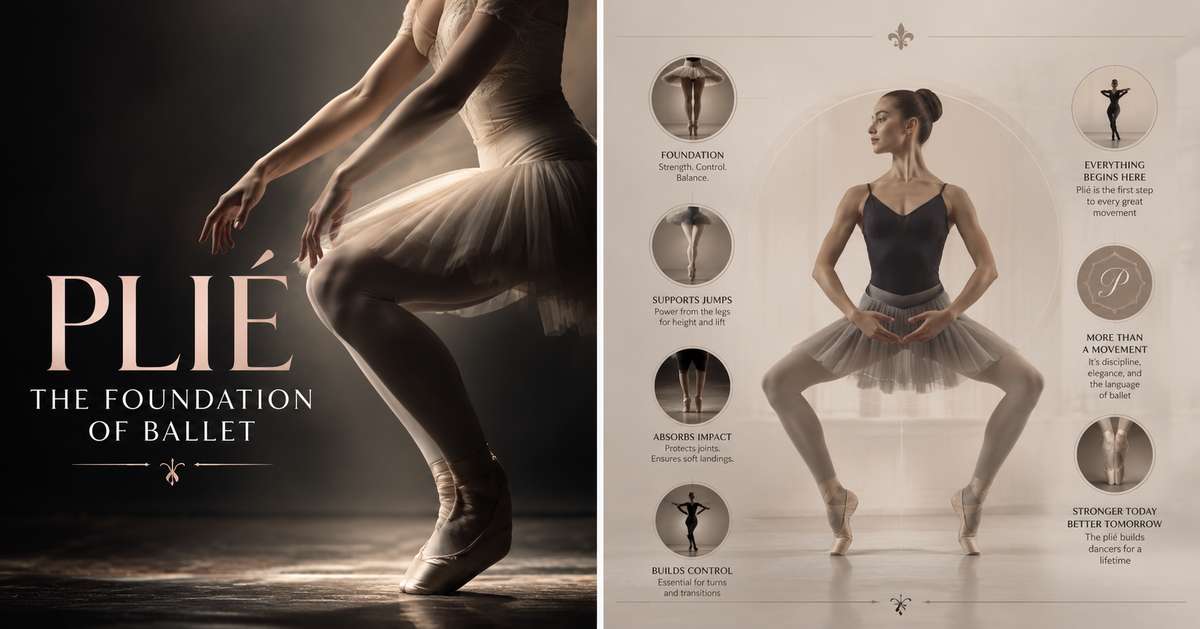
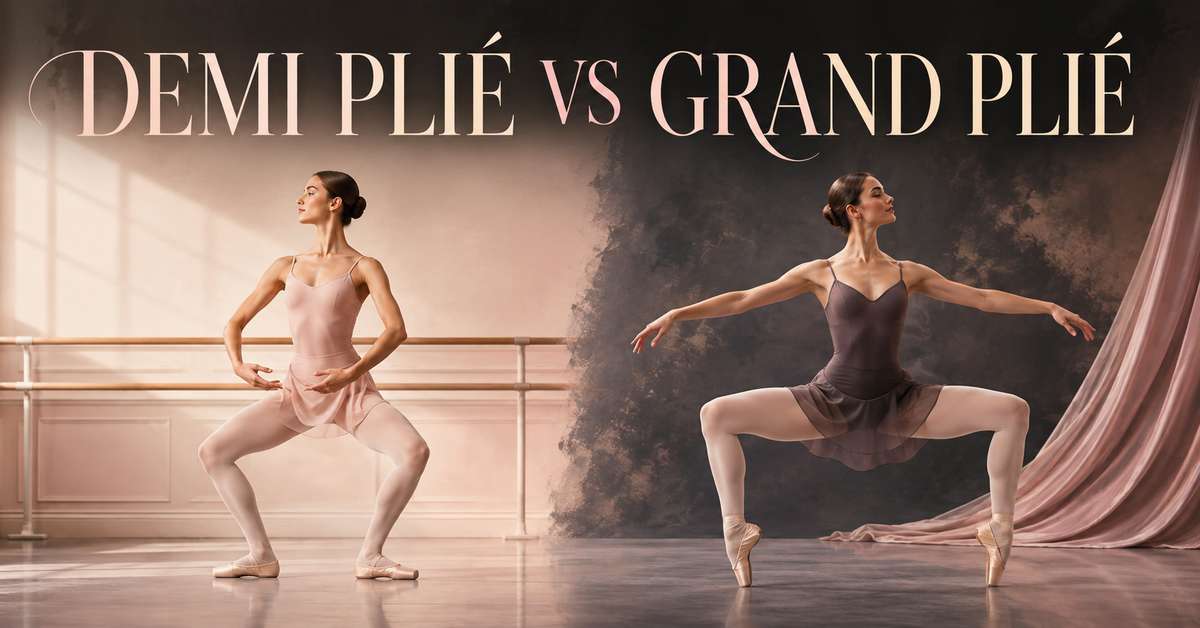
Elementary terms appear in almost every class. Plié means "bend" and prepares the body for jumps, balance, and safe landings. Tendu means "stretch"—the foot slides along the floor to create a clean line. Relevé means "rise" onto the balls of the feet or demi‑pointe; en pointe indicates rising onto the tips of the toes with pointe shoes. Arabesque names a position where one leg is extended behind the body to create a long line. Battement refers to a beating action of the leg. These words describe both the shape the audience sees and the physical action the dancer executes.
Technique and body mechanics
Each term implies technical details: turnout (the outward rotation from the hips) underpins foot positions and extensions; alignment and core strength protect the spine and allow balance; plié absorbs shock for jumps and facilitates deep movements. Pointe work requires strength in the ankles, feet, and core and is usually introduced after years of foundational training. Understanding the mechanics helps viewers notice why a seemingly simple pose demands precise control and conditioning.
Stage language and directions
Stage orientation in ballet commonly uses French prepositions and directional phrases. Terms such as devant (in front), derrière or arrière (behind), à la seconde (to second), en face (facing front), and en arrière (backward) are used to describe placement and movement across the stage. This consistent vocabulary enables dancers from different schools or countries to follow choreography and blocking with clarity.
Roles and company ranks
Company structure uses standardized ranks—examples include the corps de ballet (the ensemble), soloists, and principals—though exact titles and hierarchies vary by company. These ranks indicate a dancer's typical stage responsibilities: corps members provide group formations and visual texture, soloists take featured steps, and principals often dance leading roles. The visual hierarchy shows up in costume, placement, and photographic focus used in posters or promotional art.
Training and reliable glossaries
Beginners learn terms through repetition at the barre and centre work. Institutional glossaries from major companies and schools provide trustworthy definitions and often include short demonstrations; authoritative resources such as American Ballet Theatre's dictionary and the Royal Opera House glossary are widely used educational references. Using these materials helps align classroom vocabulary with what audiences see in performance and in dance photography.
Reader viewing guide: what to notice
When you watch a performance or study a ballerina poster, look for how positions create line, how plié informs the depth of movement, how arms and head complete a pose, and how turnout and extension reveal training. Notice corps formations and how stage directions shape entrances. In visual art, lighting, costume silhouette (tutu or romantic skirt), and the chosen moment—an arabesque, a relevé, or a dramatic pose—communicate both technique and mood.
Closing interpretation
Knowing these essentials—why French terms persist, the five foot positions, common movements, stage language, and company ranks—turns unfamiliar gestures into readable elements of choreography and imagery. This vocabulary links the studio to the stage and the living performance to posters and prints, helping beginners, fans, and collectors appreciate both the technical craft and the visual poetry of classical ballet.
Author: Eric M.