Second Position Ballet Explained: Footwork, Balance, and Stage Line
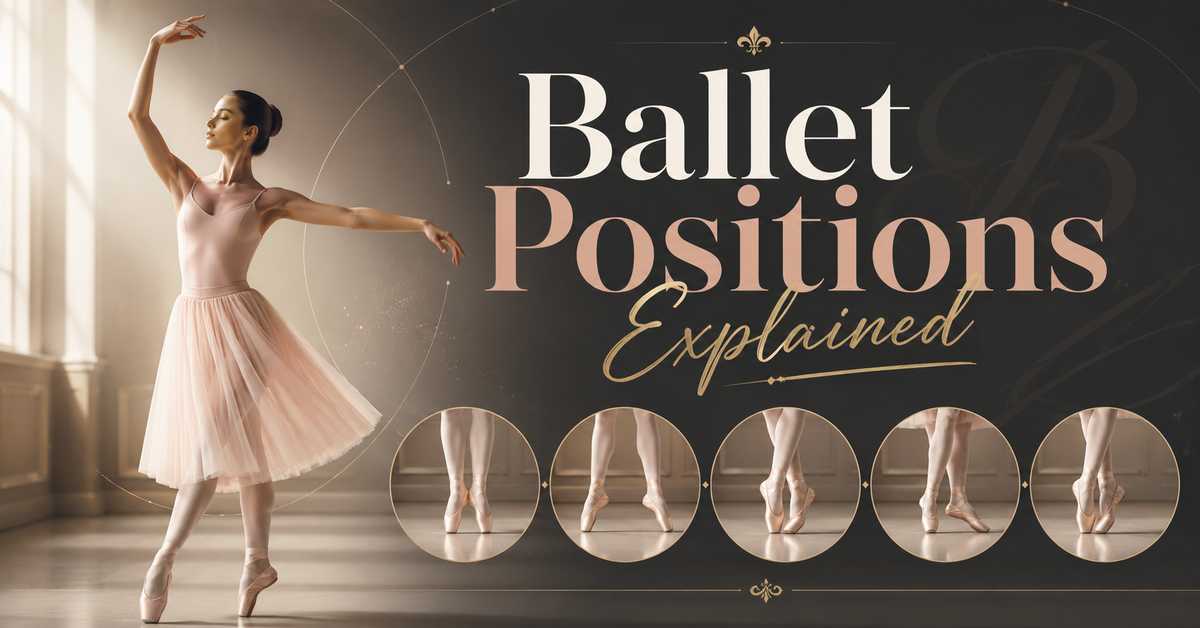
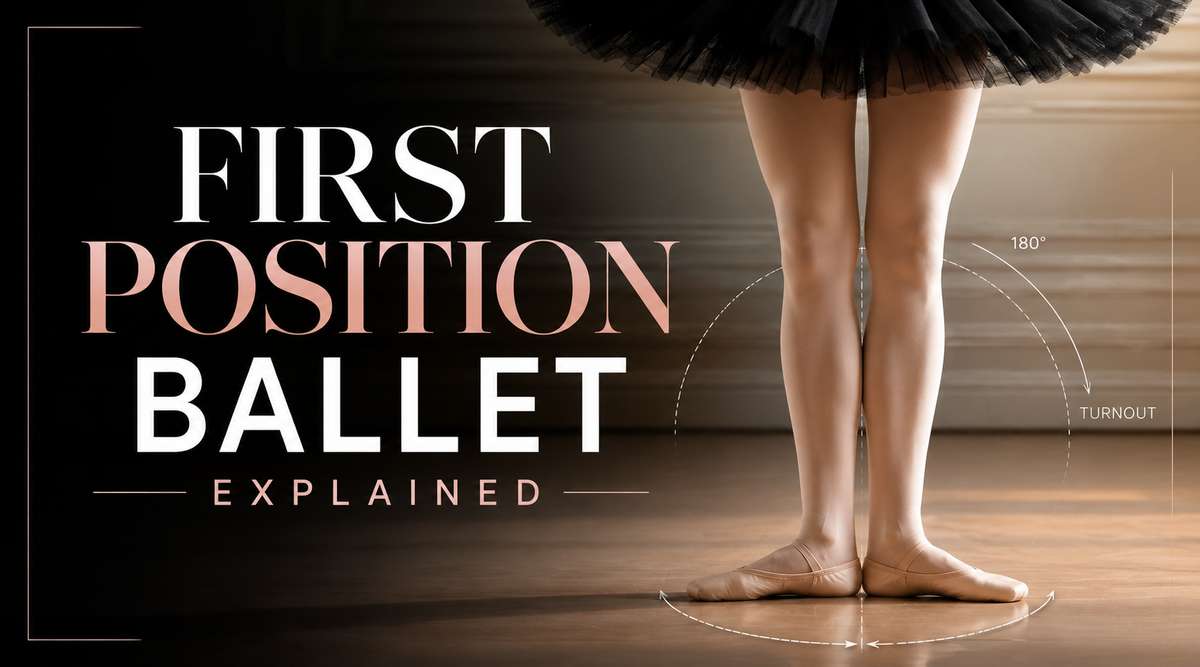
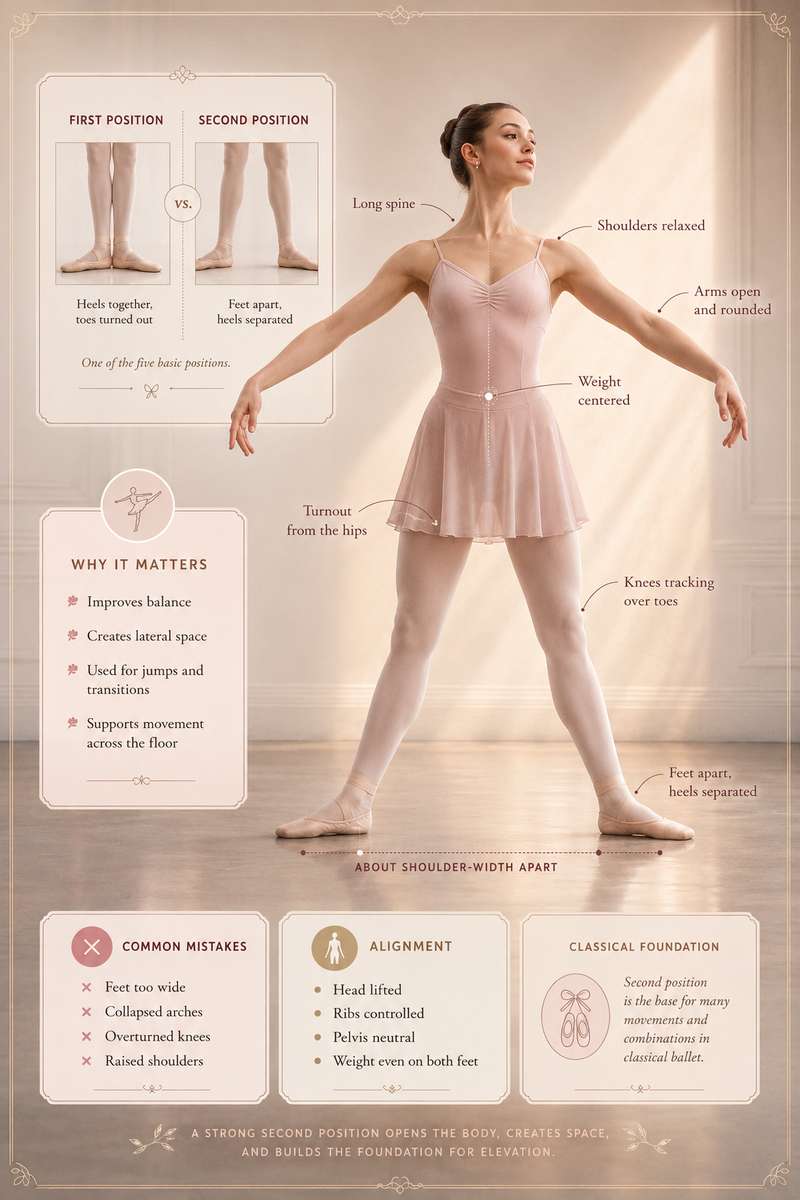
Second position is one of the five basic classical ballet foot positions. It looks like an “open” first position: the feet remain turned out from the hips but the heels are separated laterally—often about shoulder-width or roughly the length of a foot apart. Understanding second position helps beginners see how dancers prepare for lateral movement and how spacing and alignment shape classical line on stage.
Quick summary: Second position is a wider version of first position with turnout and arms usually extended to the sides; it provides a stable base for sideward steps and shapes classical line when spacing and alignment are correct.
Quick access: Definition · What the viewer sees · Technique & alignment
CLEAR DEFINITION
Second position of the feet is one of the five classical positions. The feet are turned out from the hips and separated laterally, forming a wider stance than first position. Teaching guides commonly describe the spacing as roughly shoulder-width or about one foot's length between the heels, adjusted to the individual dancer.
WHAT THE VIEWER SEES
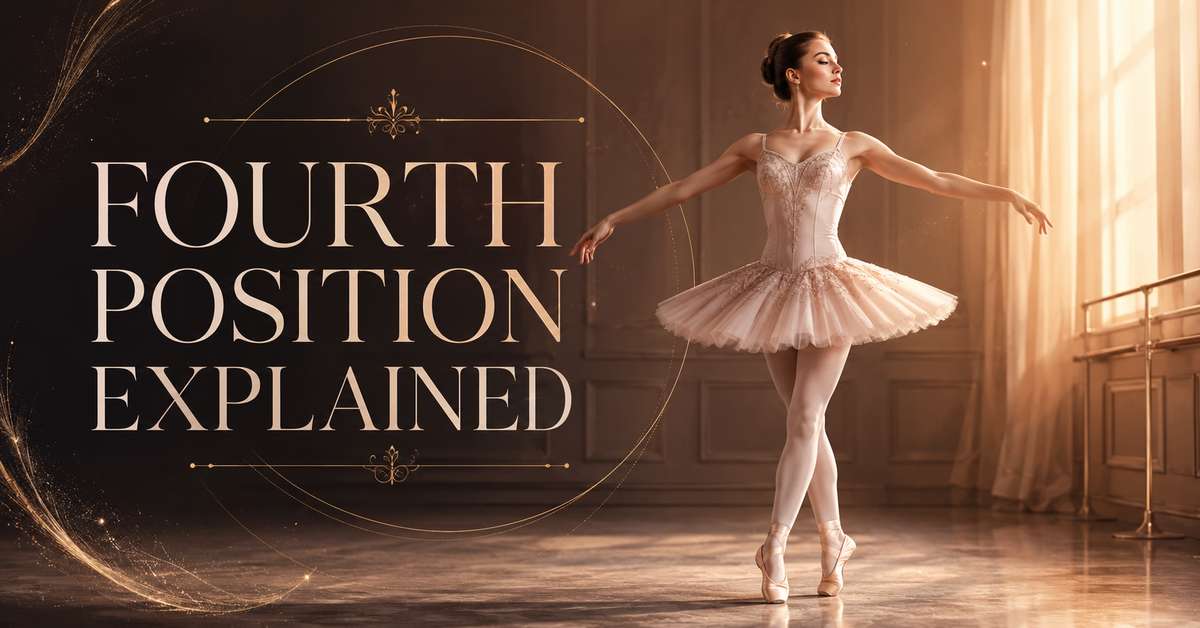
On stage, second position reads as an open horizontal line. Dancers often hold the arms extended to the sides in a slightly rounded shape, which visually complements the feet and creates a balanced silhouette. Because it is wider than first position, second position suggests readiness to move laterally and reads clearly under stage light and from the house.
TECHNIQUE AND BODY MECHANICS
Technically, second position requires turnout from the hips while maintaining alignment through the knees and pelvis. Knees should track over the toes and the torso stays lifted; the wider base offers stability but demands disciplined turnout to avoid placing strain on the knees and hips. The arms in second position are usually extended to the sides in a slightly rounded line, providing counterbalance and finishing the classical line.
HOW DANCERS USE SECOND POSITION FOR BALANCE AND MOVEMENT
Teachers and choreographers use second position as a preparatory or passing placement for lateral vocabulary: battements to the side, glissades, pas de côté and other movements that travel horizontally often move through or toward second. The wider stance gives a clearer pathway for the working leg and a stable base for transfers of weight, which helps with control and direction in sideward steps.
TRAINING AND DISCIPLINE
In class, second position is drilled like the other basic positions: teachers emphasize consistent turnout, even weight distribution, and appropriate spacing between the heels. The guideline of shoulder-width or about one foot’s length is frequently used, but instructors adapt spacing to each dancer’s body. Repetition at the barre and in centre work builds the balance and alignment needed to use second position safely in combinations.
COMMON MISUNDERSTANDINGS
Beginners often think second position is simply a relaxed or wider stance. In reality it must preserve turnout and alignment to form the correct classical line and to protect joints. Another frequent error is letting the knees collapse inward, which signals a loss of turnout and can place strain on the knees and hips.
COSTUME, VISUAL LANGUAGE, AND POSTER COMPOSITION
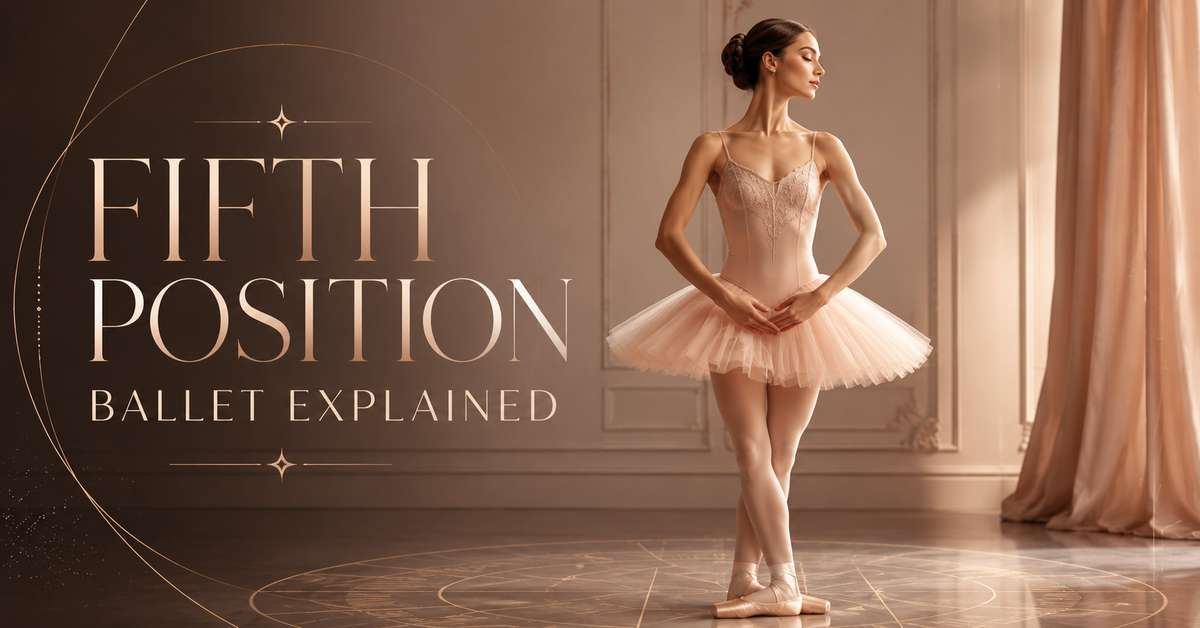
Visually, second position's horizontal line works well in photography and wall art because it emphasizes breadth and stage presence. Tutus, skirts, and the extended arms accentuate the lateral gesture, making second position a strong compositional device in ballet posters and prints. When lighting and costume create clean silhouettes, the openness of second position reads clearly at a distance and makes a striking graphic element for dancer imagery.
CLOSING INTERPRETATION
Second position may look simple, but it is a foundational posture that links classical technique with practical stage movement. As an open version of first position, it combines turnout, precise spacing, and arm placement to create stability and lateral intent. Noticing spacing, alignment, and the relationship between feet and arms will deepen your appreciation of how dancers move across the stage and why this basic position appears so often in class, choreography, and dance imagery.
Author: William L.