Alina Cojocaru: the ballerina of lyrical precision and quiet dramatic depth
Alina Cojocaru is widely recognised as a dancer whose art privileges small, exacting details as much as sweep and line. Critics across major outlets have repeatedly described her work in terms of lyricism, refined technique and an intimate relationship to the music—qualities that together produced a stage identity built on delicacy rather than spectacle.
Understanding Cojocaru matters because she models an alternative ideal of greatness in ballet: not the loud, arena-filling virtuoso, but the artist whose economy of gesture, precise phrasing and quietly charged acting register leave a lasting impression. This portrait examines how musical sensitivity, technical finesse and restrained dramatic impulses combined to make her singular.
What defines this dancer
Coherent across reviews and profiles is a consistent picture: a dancer whose lyricism and musical instincts inform every choice on stage—clean technique used to shape nuance, not merely to astonish.
What this article explains
- How Cojocaru’s musical sensitivity shaped her phrasing and timing.
- Why delicacy and restraint became a dramatic strategy in key roles.
- Which repertory contexts best revealed her particular strengths.
Navigate this portrait
First visual and artistic impression
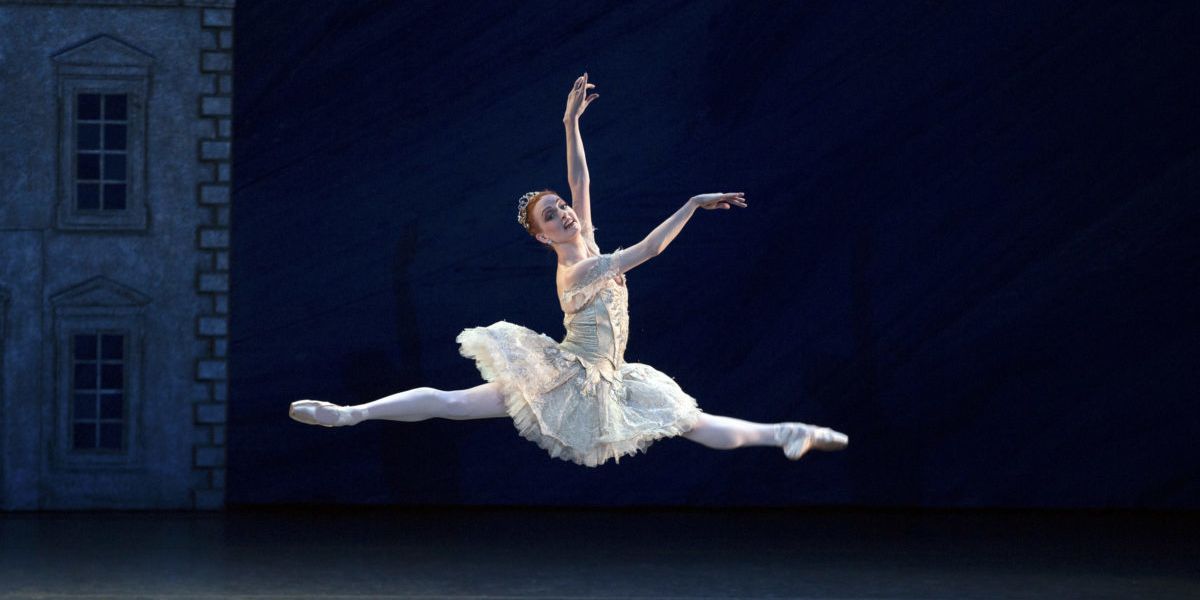
Critics who first encountered Cojocaru quickly singled out a particular sensibility: an impression of lithe lyricism moderated by restraint. Early and later reviews alike emphasize a dancer who creates attention through the integrity of small gestures—an articulation of port de bras, the precise placement of a balance, the inhale before a phrase—rather than through bombastic display. This first impression matters because it frames how audiences read everything that follows: a focus on musical detail and controlled expression becomes the lens through which her technique and dramatic choices are judged.
Line, port de bras and movement quality
Across informed commentary, Cojocaru’s technical gifts are described not as raw bravura but as tools for shaping nuance. Reviewers consistently note her musical instincts and phrasing, and they connect those traits to the way she uses line and port de bras. Her movements register as carefully weighted: extensions that feel effortless because they are precisely timed, arms that phrase like musical cadences, balances that sustain tension without theatrical exaggeration. The result is a movement quality that reads as refined and intimate—exactitude in the small things, as one critic put it—which made even familiar steps feel freshly expressive.
Stage presence and quiet dramatic power
Coherent critical accounts describe her dramatic presence as understated rather than theatrical. Where some stars define themselves through expansive projection, her strength lay in a subtler register: moments of inward focus, a controlled stillness, and a capacity to let musical detail carry emotional weight. Reviews of her performances note that this restraint did not equate to passivity; instead, it produced a concentrated dramatic truth. In roles that require emotional subtlety, that inwardness often read as more affecting than louder alternatives.
Roles and repertoire associations
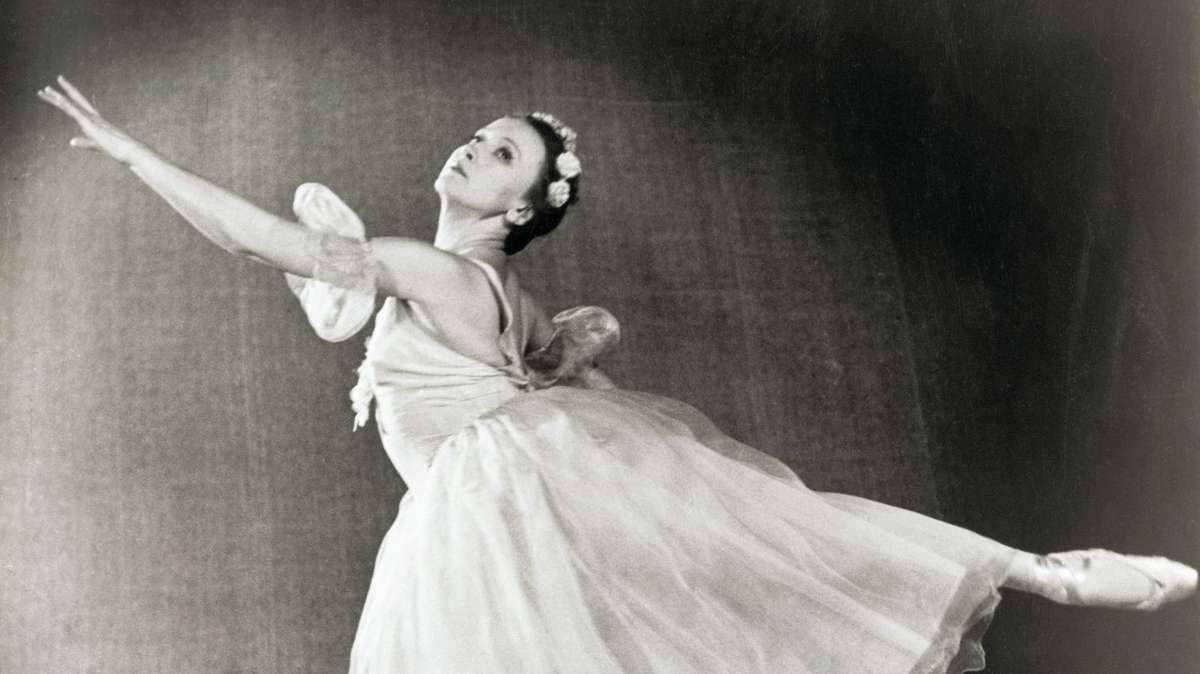
Observers have pointed to classical roles such as Aurora in The Sleeping Beauty and Giselle as particularly revealing of Cojocaru’s gifts. In those repertory contexts—where purity of line, phrasing and a capacity for lyrical repose are prized—critics found a natural fit between dancer and role. The Sleeping Beauty, with its long phrases and contrapuntal music, rewards exact musical timing; Giselle rewards the ability to convey inner life through small gestures. That critics repeatedly highlight these parts underscores how her style aligned with repertory that privileges refinement and emotional restraint.
Career turning points and artistic context
Across the span of coverage, major cultural outlets and specialist journals tracked Cojocaru’s development and performances, repeatedly noting the same stylistic through-line: lyricism, musical sensitivity and expressive subtlety. This critical consistency is itself a useful anchor. Rather than attributing the dancer’s identity to a single breakthrough, the pattern in reviews suggests an artist whose core strengths remained recognizable across companies, programmes and years—an artistic profile durable enough to invite ongoing discussion and reassessment.
What made Cojocaru distinctive
The distinctive combination is not any one trait but the way several interlock: precise technique used for interpretive shaping, an almost chamber-music approach to timing and phrasing, and a restrained dramatic mode that favours internal charge over external gesture. Critics repeatedly highlight her "wonderfully musical" phrasing and "perfect delicacy," phrasing that explains why her presence could feel both technically assured and emotionally intimate. That particular mix—exactitude in small things coupled with a quiet dramatic logic—separates her from dancers whose identities rest primarily on bravura or grand theatricality.
Why the legacy endures
Cojocaru’s example endures because it models a persistent interpretive possibility in ballet: that refinement, musical partnership and subtle acting can be as compelling as overt display. The sustained critical attention—from The Guardian to The Independent, Arts Journal and specialist platforms—charts a consistent appreciation for these qualities. For contemporary audiences and dancers, her work offers a reminder that technical mastery has deeper value when it serves musical intelligence and emotional specificity.
Closing interpretation
Seen through the verified critical record, Alina Cojocaru presents a persuasive artistic argument: that lyricism and precision, allied to a quiet dramatic center, constitute a fully formed stage identity. In a repertory and performance culture that often celebrates the spectacular, her career is a case study in the power of restraint—an elegant counterpoint that continues to shape how we think about musicality, phrasing and expressive economy in ballet.
Author: Eric M.