Galina Ulanova: the ballerina of poetic drama — restraint, line, and emotional…
Galina Ulanova remains a touchstone for anyone seeking how classical purity and emotional truth can coexist on stage. Trained at the Leningrad Choreographic School and a leading soloist at the Bolshoi after early years with the Kirov, Ulanova built a reputation not for bravura excess but for a lyric, restrained dramatic voice.
Understanding Ulanova matters because she crystallized a mid-20th-century ideal: a dancer who made technique serve character, whose economy of gesture and clarity of line produced what critics and historians have called a "poetic drama." This portrait explains how that particular balance—line, control, and emotional clarity—shaped her most lasting roles and her place in ballet history.
What defines this dancer
Ulanova is defined by a poetic dramatic approach: classical line and technical refinement directed toward coherent characterization rather than showy virtuosity. Her work exemplifies the lyric, acting-centred school of ballet in the Soviet era.
What this portrait explains
- Why restraint and line were central to Ulanova’s stage identity.
- Which roles revealed her poetic dramatic method—Giselle, Juliet, Odette/Odile, Aurora.
- How training and company context (Leningrad school, Kirov, Bolshoi) shaped her artistic priorities.
First visual and artistic impression
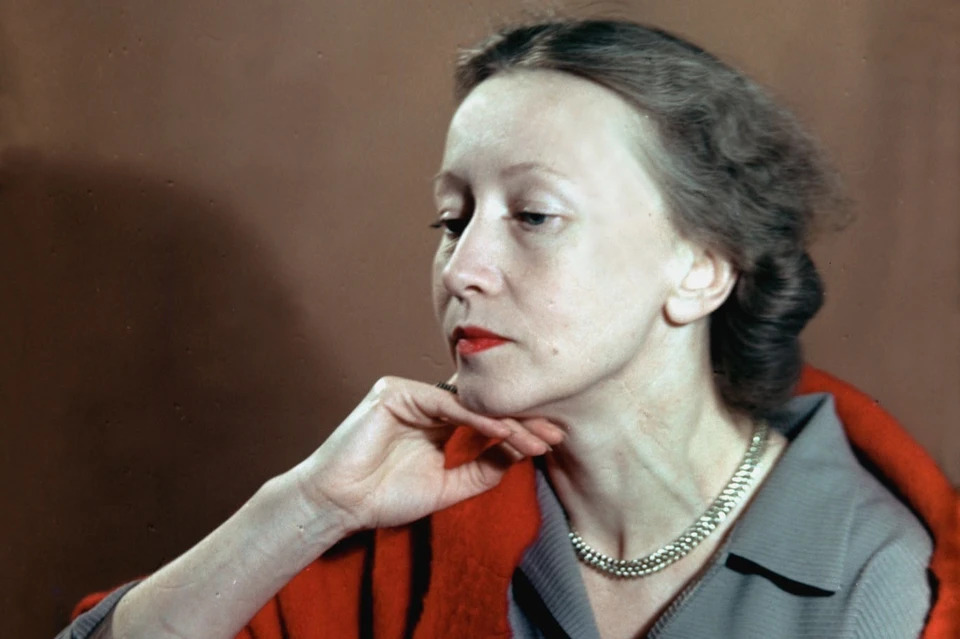
On first sight, accounts of Ulanova emphasize a controlled silhouette and an inward intensity. Her stage presence was often described as lyrical rather than flamboyant: an economy of movement that made each line and gesture count. That initial impression—calm, focused, unmistakably classical—prepared audiences to receive dramatic nuance rather than technical fireworks.
Line, port de bras, and movement quality
Ulanova's training at the Leningrad Choreographic School, the school associated with Agrippina Vaganova's method, gave her a foundation of clean, expressive épaulement and disciplined port de bras. Critics and historians highlight how she combined "classical purity of line" with a trembling, lyrical phrasing that softened formal geometry into expressive nuance. Movement quality for her meant sustained musical phrasing and a focus on the inner life of the step rather than maximal extension for its own sake.
Stage presence and dramatic power
Her dramatic method is frequently called "poetic drama"—an approach that privileges emotional clarity and coherent characterization. When Ulanova entered a scene, reviewers noted a concentrated dramatic focus: gestures and epaulément that conveyed psychological truth. This presence made narrative moments sing without resorting to overt theatricality, so that tragedy or tenderness felt inevitable and earned.
Roles and repertoire associations
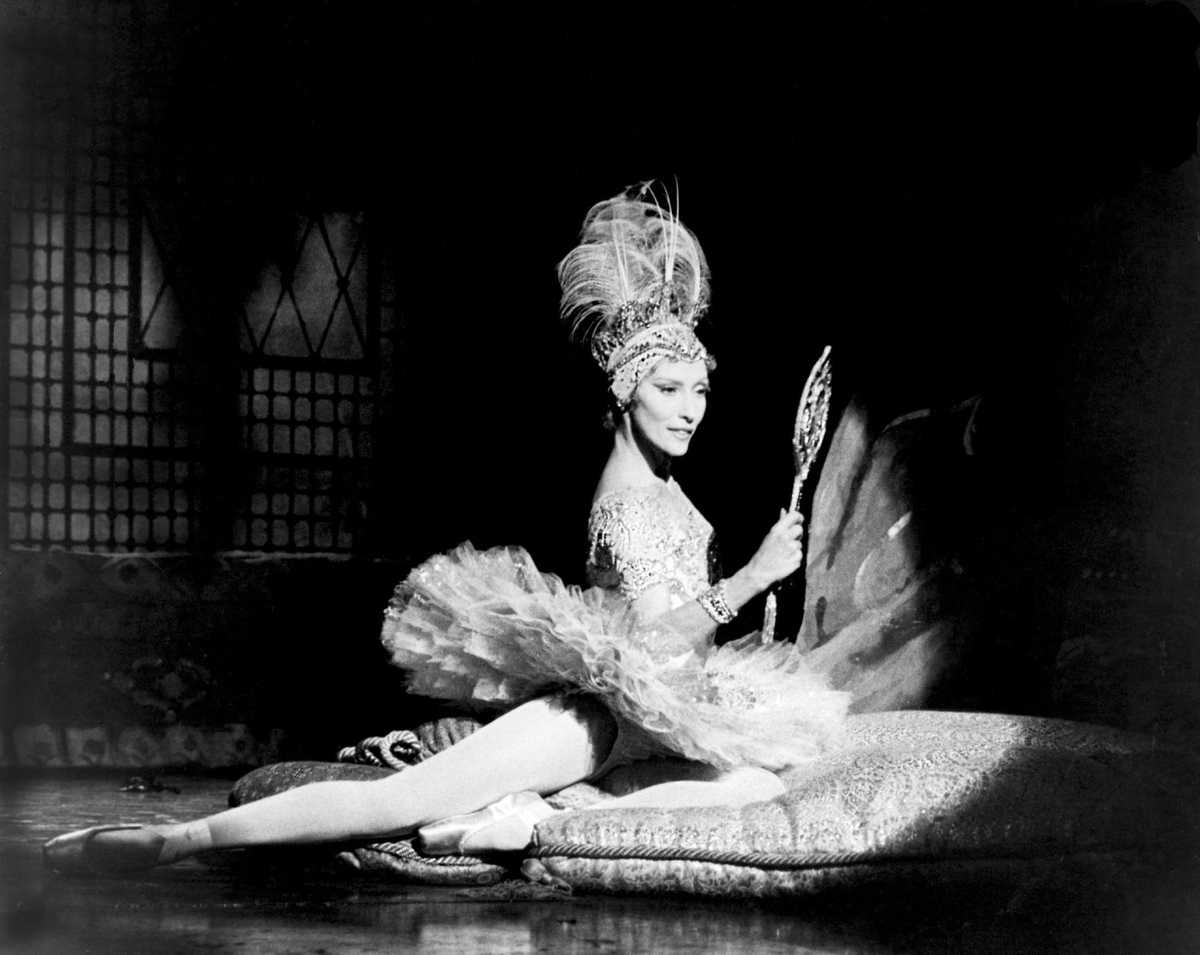
Ulanova's signature parts—Giselle, Juliet in Romeo and Juliet, Odette/Odile in Swan Lake, and Aurora in The Sleeping Beauty—are telling. Each role calls for a union of technical refinement and dramatic subtlety: Giselle’s fragile interiority, Juliet’s youthful emotional arc, Odette’s lyrical nobility contrasted with Odile’s dramatic cunning, and Aurora’s regal clarity. Critics have repeatedly pointed to these roles as the clearest demonstrations of her ability to translate classical technique into sustained character work.
Career turning points and artistic context
Ulanova’s professional path—training at the Leningrad Choreographic School, joining the Kirov (Mariinsky) company in 1928, and later becoming a leading soloist at the Bolshoi from 1944 to 1960—situates her within the major Soviet institutions that shaped mid-century ballet. Her prominence was reinforced by international exposure: Bolshoi tours to the West, including performances in London and the United States in the 1950s, introduced Western critics to her particular blend of lyricism and dramatic restraint. These tours helped cement her reputation alongside earlier icons of the art form.
What made Ulanova distinctive
Several interlocking qualities set Ulanova apart. First, a refusal of bravura spectacle: she used virtuosity when it served the role, not as an end. Second, a synthesis of the Vaganova technical heritage with a temperament attuned to acting, phrasing, and inner life. Third, a repertory fit: the great romantic and classical heroine roles provided the exact canvas for her poetic drama. Together, these elements produced performances that critics judged as unified—where technical means and dramatic ends were in visible agreement.
Why the legacy endures
Ulanova’s legacy persists because she modeled an approach to ballet that still speaks to dancers and audiences seeking expressive depth within classical form. Her recognition—People's Artist of the USSR, Lenin Prize, multiple Stalin Prizes, and two Hero of Socialist Labour honours—documents contemporary esteem, while critical memory emphasizes her interpretive choices over ephemeral virtuosity. For historians and practitioners, she remains an exemplar of how restraint and line can heighten theatrical truth.
Closing interpretation
Galina Ulanova matters as a lesson in priorities: technical mastery redirected toward emotional clarity and characterization. In an era when spectacle and technical display can dominate discussion, her work reminds us that clarity of line, disciplined port de bras, and a poetic sense of phrasing can produce performances that continue to resonate across generations. Her career—rooted in Leningrad training, developed at the Kirov and Bolshoi, and witnessed internationally—offers a defensible and influential model of the lyric, acting-centered ballerina of the 20th century.
Author: Cynthia D.