Fonteyn the Ballerina: Line, Musical Phrasing and Stage Intelligence
Margot Fonteyn remains one of ballet's defining figures: a dancer whose impeccable line and musical sensitivity shaped both roles and company identity. This article examines the artistic through-line that made Fonteyn more than a technician—how her phrasing, disciplined stage intelligence and repertory choices created a distinct performance identity for the Royal Ballet era.
What defines this dancer
Fonteyn combined what critics called "perfect line" with acute musical sensitivity and a composed stage intelligence, qualities that informed signature performances and roles created for her.
What this portrait explains
- How line and musical phrasing shaped Fonteyn's stage identity.
- Which roles and choreographers helped define her repertory.
- Why her disciplined theatricality secured an enduring place in ballet history.
First visual and artistic impression
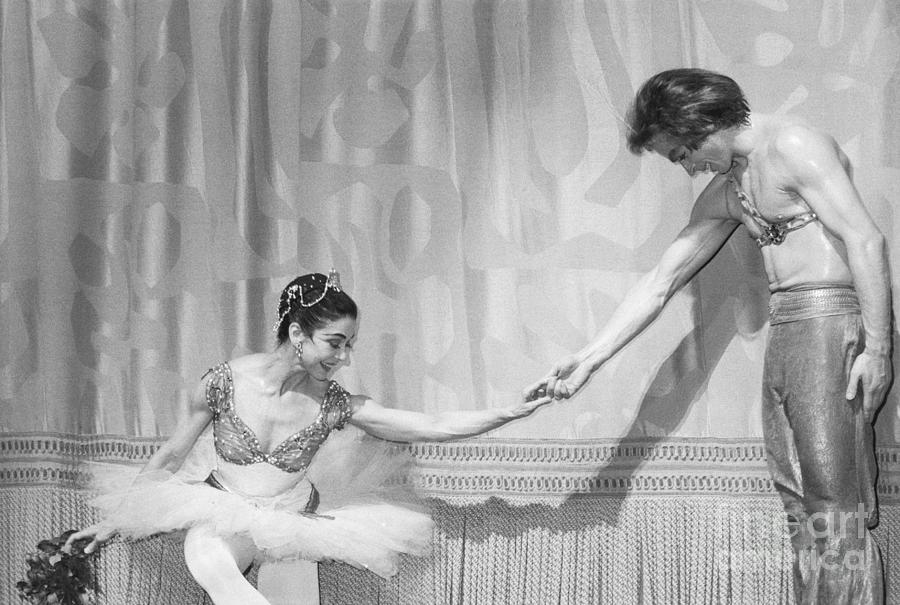
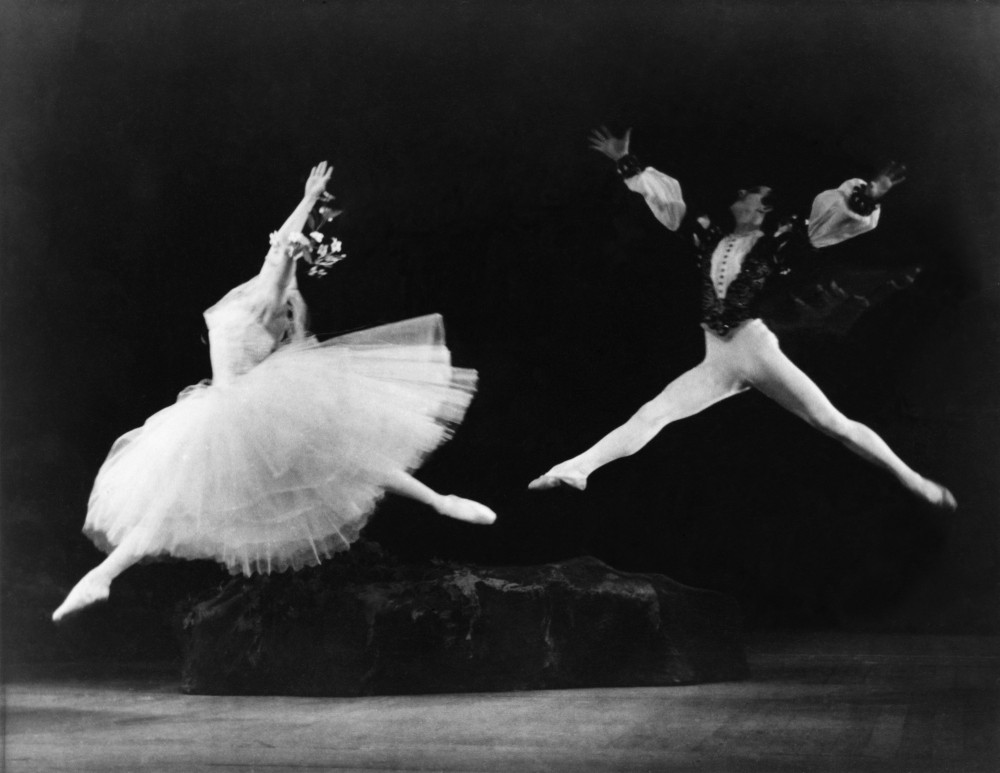
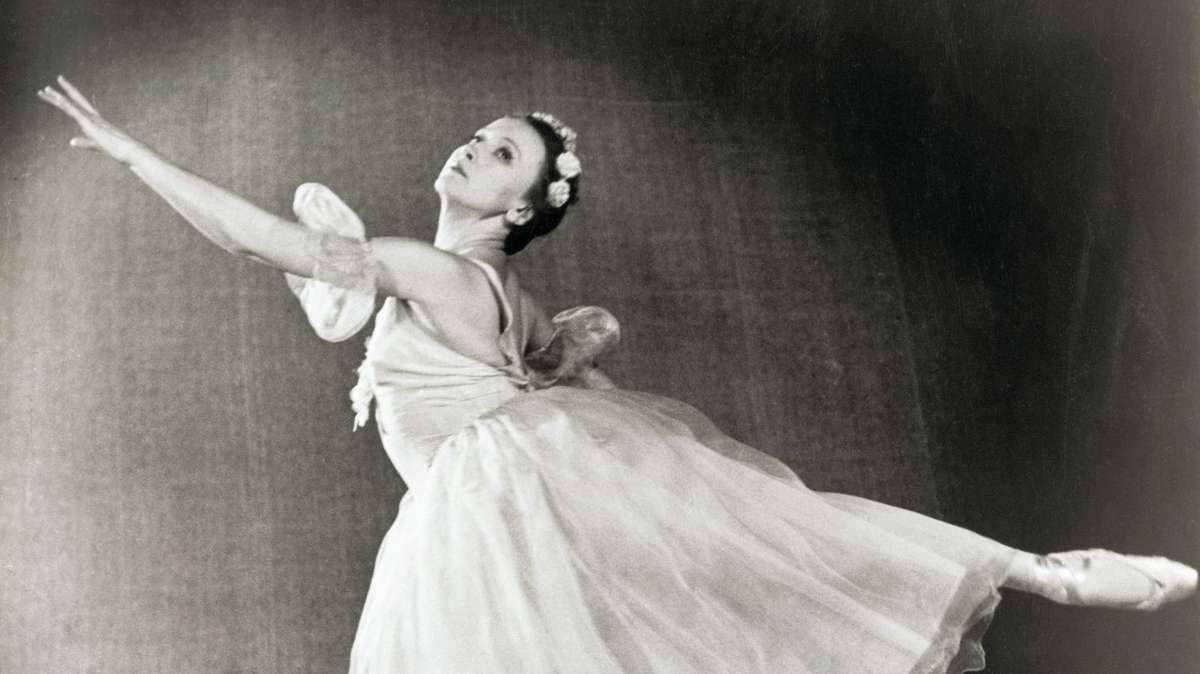
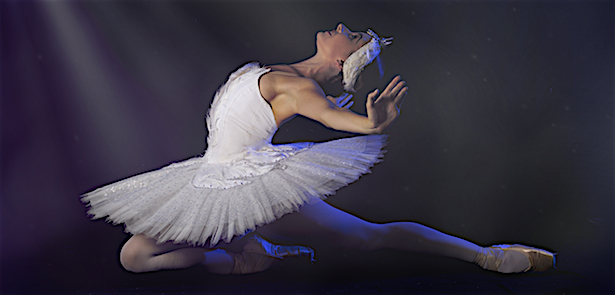
Observers repeatedly noted Fonteyn's striking silhouette and an immediately recognizable lyrical clarity. Her dancing was described by critics and colleagues as distinguished by "perfect line" and "exquisite lyricism," phrases that point to a controlled extension and a seamless continuity of movement. From a first glance on stage, Fonteyn presented a unified aesthetic: clean architecture of the body allied to a restrained, expressive musical sensibility.
Line, port de bras and movement quality
Fonteyn's line was more than a set of aesthetic measurements; it functioned as a vehicle for musical phrasing. Reports from reputable sources emphasize her refinement of port de bras and a legato quality that rarely interrupted the musical pulse. This approach allowed her to inhabit long phrasing and lyrical passages with apparent effortlessness, making contour and breath central to her artistic vocabulary.
Stage presence and disciplined dramatic power
What differentiated Fonteyn was a disciplined stage intelligence: an ability to shape dramatic arc without theatrical excess. Critics associated her work with consummate stagecraft—an economy of gesture that nevertheless read powerfully in large houses. This poise enabled Fonteyn to carry both classical narrative roles and abstract ballets with a consistent theatrical authority grounded in technical control and musical sensitivity.
Roles and repertoire associations
Fonteyn's repertory anchored her reputation. She was central to the Sadler's Wells/Royal Ballet and performed leading parts across the classical and British repertory. Notably, choreographer Frederick Ashton created important roles for her in works such as Symphonic Variations, Cinderella, Daphnis and Chloe, Ondine and Sylvia—pieces that both exploited and shaped her particular gifts. Her principal performances in The Sleeping Beauty, Swan Lake, Giselle and Les Sylphides further tied her name to the great classical canvases of ballet.
Career turning points and artistic context
Fondly identified with the Royal Ballet's development, Fonteyn spent her career with Sadler's Wells/Royal Ballet and was widely regarded as the company's leading ballerina. Her status was formally recognised when she was made a Dame Commander of the Order of the British Empire in 1956. A major later turning point was her celebrated partnership with Rudolf Nureyev from 1962 onward, which revitalized a later phase of her stage life and brought renewed attention to roles such as Swan Lake and dramatic pairings like Marguerite and Armand and Romeo and Juliet.
What made Fonteyn distinctive
Fonteyn's distinctiveness lies in the synthesis of technical purity, musical intelligence and theatrical restraint. Unlike performers whose individuality rests on virtuosic display alone, her artistry was notable for how refined technique served expressive ends. The roles created for her by Ashton and her central place at the Royal Ballet mean her aesthetic helped shape a national repertory: the dancer and the choreography informed one another.
Why Fonteyn's legacy endures
Fonteyn remains a touchstone for dancers and audiences because her strengths are teachable and visible in performance: precise line, exacting musical phrasing and disciplined stagecraft. These qualities are repeatedly cited in authoritative sources and reviews as the basis for her lasting reputation. Her long association with the Royal Ballet, her work with Ashton, and a high-profile later partnership with Nureyev kept her artistic identity in public view across decades, preserving her influence on repertory standards and interpretive tradition.
Closing interpretation
Margot Fonteyn's importance is not reducible to star status. She matters because she modelled a manner of classical excellence in which line, music and theatrical intelligence are inseparable. That synthesis—visible onstage in both created roles and canonical classics—explains why critics, colleagues and institutions remember her as a defining ballerina of the twentieth century.
Author: Alex R.