Mathilde Kschessinska and the Imperial Ballerina: Virtuosity, Court Culture…
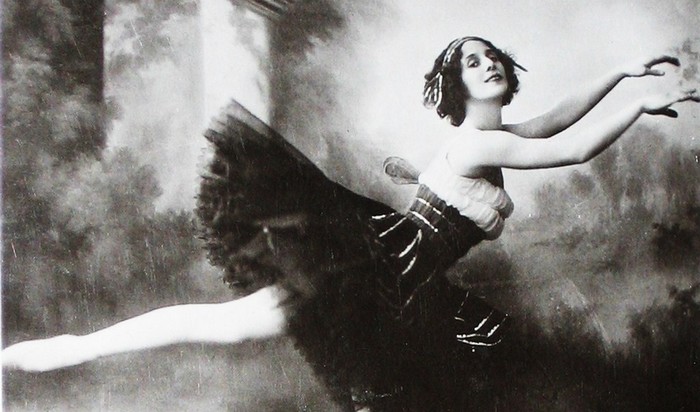
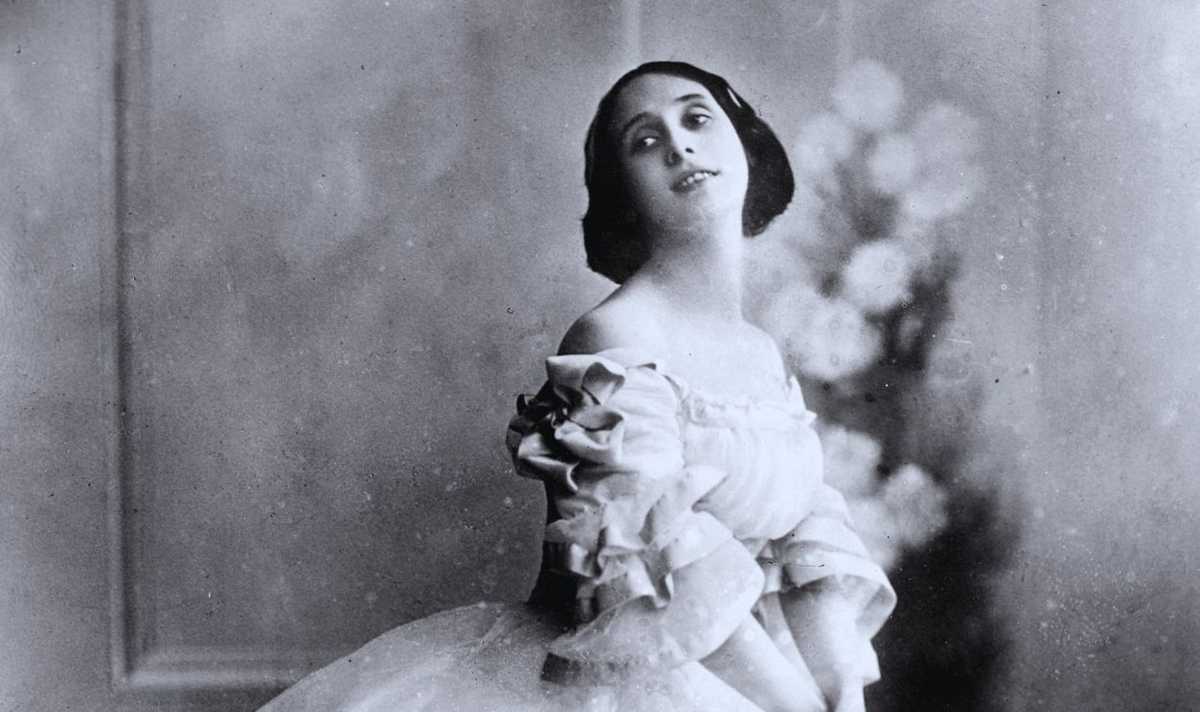
Mathilde (Matilda) Kshesinskaya stands as one of the most emblematic figures of the Imperial (Mariinsky) Ballet at the turn of the twentieth century. More than a catalogue of roles and honors, her career illustrates how virtuosity, institutional power, and close ties to the Imperial court combined to produce a singular image of the prima ballerina in late nineteenth-century Russia.
This article traces the formation and public identity of Kshesinskaya: from her training at the Imperial Ballet School and rise through the Mariinsky company to the special status she attained as prima ballerina assoluta, her influence within court and theatre circles, and the final chapters of her life when she left Russia and taught in exile. The goal is to show how technique, repertory control, and social position together made her career distinctive.
Quick answer
Mathilde Kshesinskaya’s career maps the intersection of exceptional technique and court influence at the Imperial (Mariinsky) Theatre: trained at the Imperial Ballet School, elevated to prima ballerina assoluta in the 1890s, and later a teacher in exile whose memoirs and archives inform histories of the period.
What this article explains
- How early Imperial training shaped a virtuoso technique suited to Mariinsky stage demands.
- The significance of her rise to prima ballerina and the ways court connections amplified her authority at the theatre.
- Why her memoirs, archival material, and later teaching sustain her presence in ballet history.
Jump to
EARLY FORMATION
Mathilde Feliksovna Kshesinskaya was born in 1872 and trained at the Imperial Ballet School in St. Petersburg. That institutional training provided the technical foundation and repertory discipline expected of dancers destined for the Imperial (Mariinsky) Theatre. The school’s method and the Mariinsky stage were the primary contexts in which her early skills were formed and first displayed.
ENTERING THE PROFESSIONAL STAGE
After completing her education at the Imperial Ballet School, Kshesinskaya entered the Mariinsky company and made her debut with the company in 1890. Her early company years were the critical bridge from student to professional: the theatre’s repertory demands and the expectations of Imperial audiences shaped how she developed both classical technique and stage persona.
BREAKTHROUGH AND STATUS
By the mid-1890s Kshesinskaya’s combination of technical brilliance and stage presence led to rapid elevation within the Mariinsky hierarchy. She rose to prima ballerina and is commonly dated as receiving the special distinction of prima ballerina assoluta around 1895. That rank was not simply an honorific: it reflected real control over leading roles and a public identity as the company’s foremost virtuoso.
ROLES, PARTNERSHIPS, AND COURT CULTURE
Kshesinskaya’s career must be read against the Imperial context in which it unfolded. Contemporary accounts and later scholarship emphasize her celebrated virtuosity and the extent to which she guarded leading repertory roles at the Mariinsky. Crucially, her intimate relationships with members of the Romanov family—most notably the future Tsar Nicholas II in the 1890s—gave her influence beyond the stage. Those connections amplified her ability to shape repertory and secured a social position that reinforced her theatrical authority.
CHRONICLING AND ARCHIVAL LEGACY
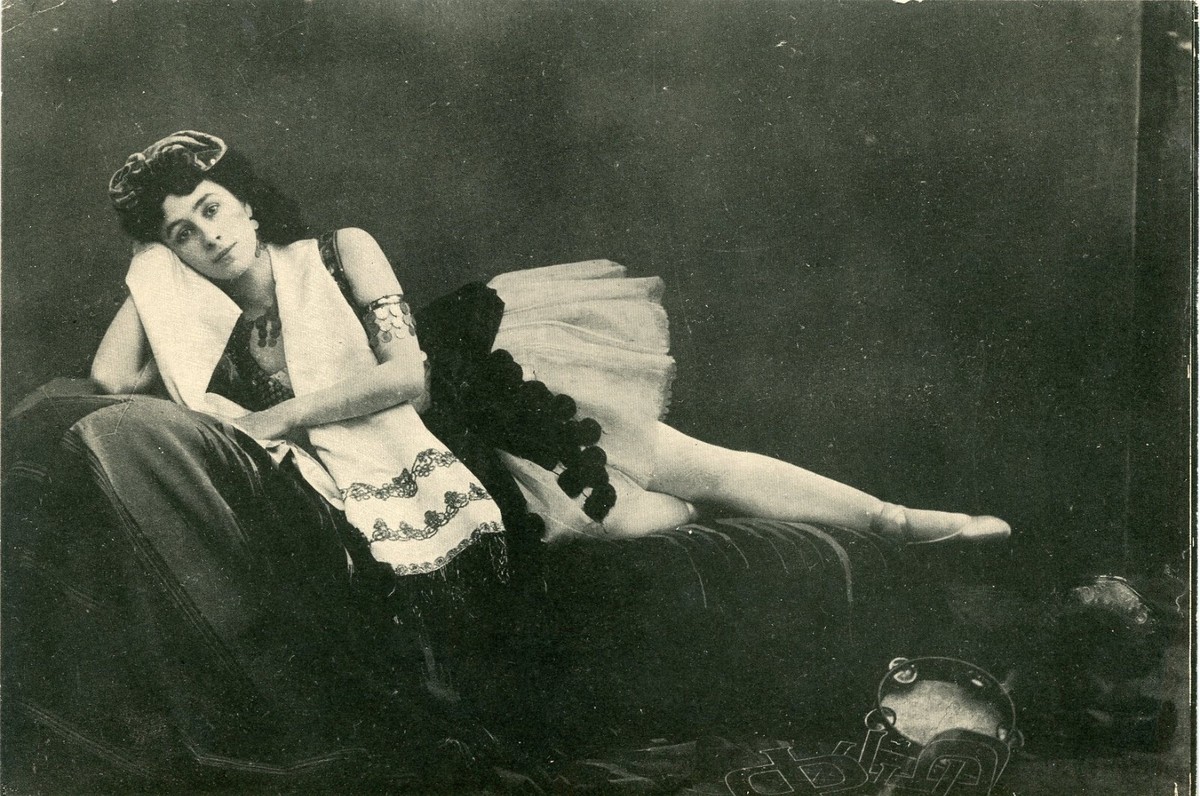
Kshesinskaya preserved her experience in memoirs and left a substantial archival footprint—photographs, letters, and other material now cited by historians. Her writings and the archival collections that carry her name are vital sources for scholars examining the Imperial ballerina image: they allow researchers to interrogate how technique, court patronage, and institutional power produced a model of stardom at the Mariinsky.
EXILE AND TEACHING
After the 1917 Revolution Kshesinskaya left Russia. She lived for periods near Monte Carlo and later settled in Paris, where she continued to teach ballet well into the mid-20th century. Her post‑revolutionary life shifted her role from marquee performer to guardian of a tradition: as a teacher in exile she transmitted elements of Imperial technique and repertory culture to new generations.
A MATURE ARTISTIC IDENTITY
Viewed across decades, Kshesinskaya’s artistic identity fused dazzling technique with the privileges and responsibilities of a court-backed prima ballerina. Her career illustrates a particular model of the Imperial ballerina: a performer whose technical gifts were reinforced by institutional rank and social capital, producing a powerful, sometimes contested, presence on stage and in society.
WHY THE LEGACY ENDURES
Her memoirs and archival materials continue to be used by historians, and scholarly studies repeatedly invoke her as central to discussions of virtuosity, role-guarding, and court influence in late nineteenth-century Russian ballet. Kshesinskaya’s life thus remains an essential case study for understanding how the Mariinsky stage and Imperial patronage together shaped the image of the prima ballerina.
CLOSING INTERPRETATION
Mathilde Kshesinskaya’s career offers a focused lesson: ballet at the Imperial theatre was not only an art of steps but an ecosystem of training, institutional rank, and social networks. Her trajectory—from Imperial Ballet School student to prima ballerina assoluta, from court figure to exile and teacher—reveals how personal technique and public power combined to produce a durable model of ballet stardom in the late nineteenth and early twentieth centuries.
Author: William L.