Maya Plisetskaya: The Ballerina of Intensity and Freedom
Maya Plisetskaya remains one of the twentieth century's most electrifying ballet figures: a Bolshoi prima ballerina whose stage presence married technical brilliance with a striking theatrical imagination. Understanding Plisetskaya means looking beyond mere virtuosity to the vivid dramatic freedom and physical intensity that made performances such as Carmen Suite and her interpretations of Swan Lake unforgettable.
In short
Maya Plisetskaya was the Bolshoi's defining ballerina whose blend of dramatic daring and technical command reshaped expectations for solo theatricality. Her commissioning and embodiment of works like Carmen Suite made her an artist who actively shaped repertoire as well as interpreted it.
What this portrait explains
- How Plisetskaya's stage intensity differed from standard notions of classical elegance.
- Why Carmen Suite and Swan Lake stand at the center of her artistic identity.
- The role of the Bolshoi and her collaborations—especially with Rodion Shchedrin and Alberto Alonso—in defining her legacy.
First visual and artistic impression
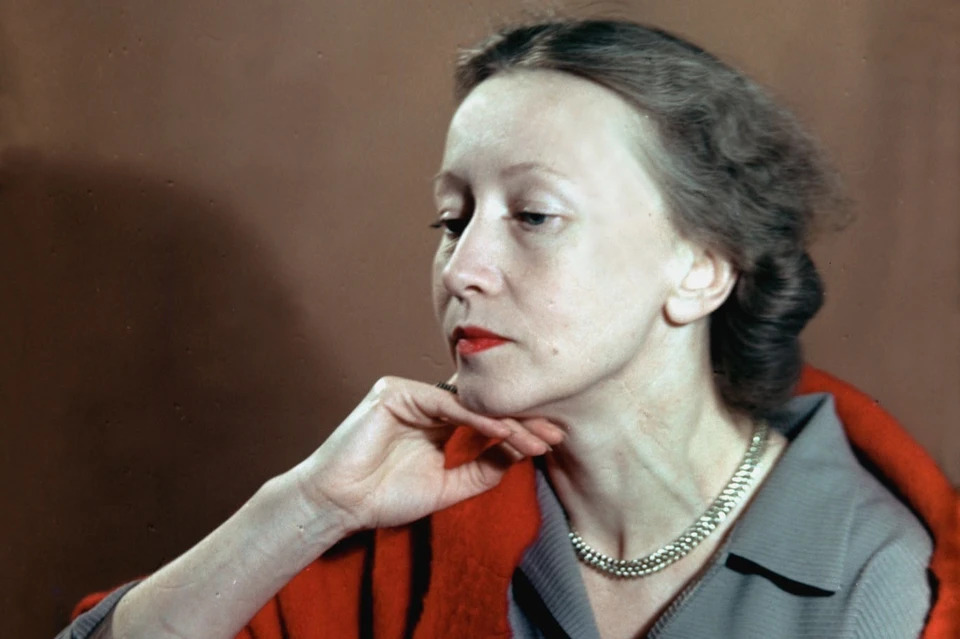
Plisetskaya's first impact on audiences was rarely neutral: she arrived as a force. Observers and critics associated her with an immediacy of expression that registered as both physical and psychological intensity. At the Bolshoi, where she became the leading ballerina, that force complemented the theatre's larger-than-life dramaturgical tradition; Plisetskaya's presence carried the rhetorical weight of that stage culture while remaining unmistakably her own.
Line, port de bras, and movement quality
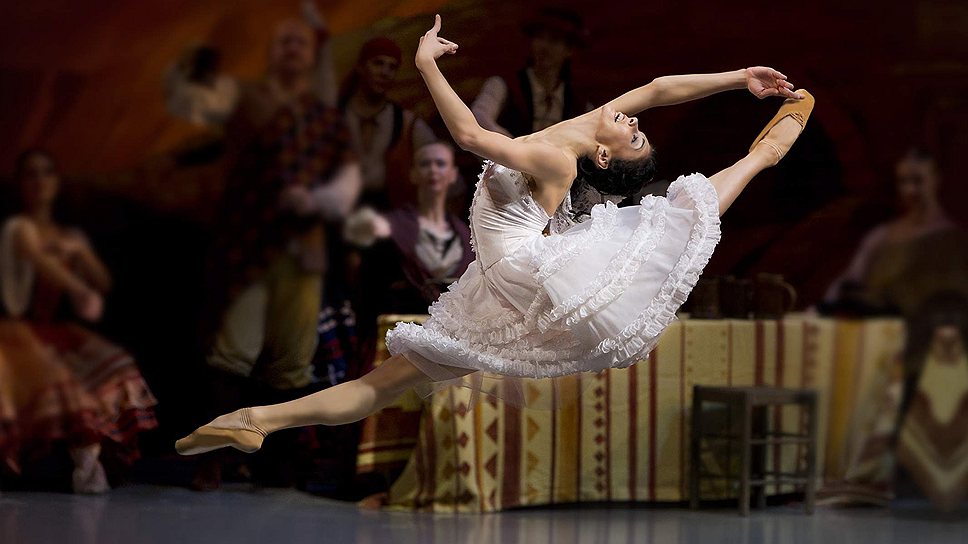
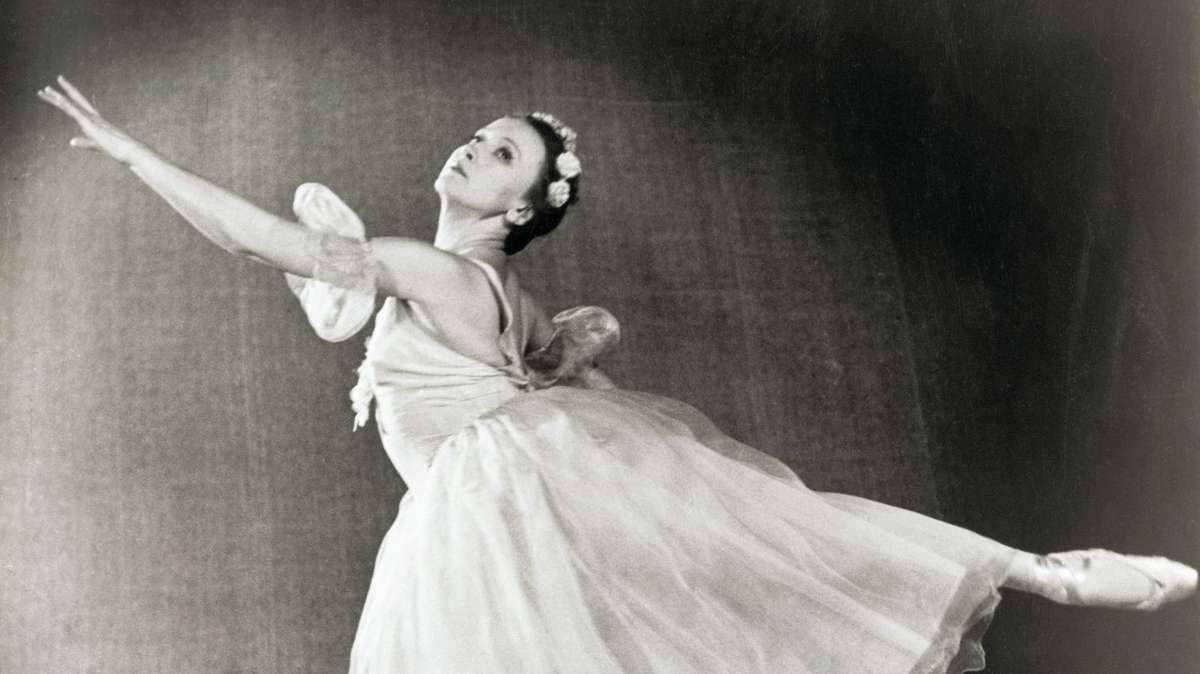
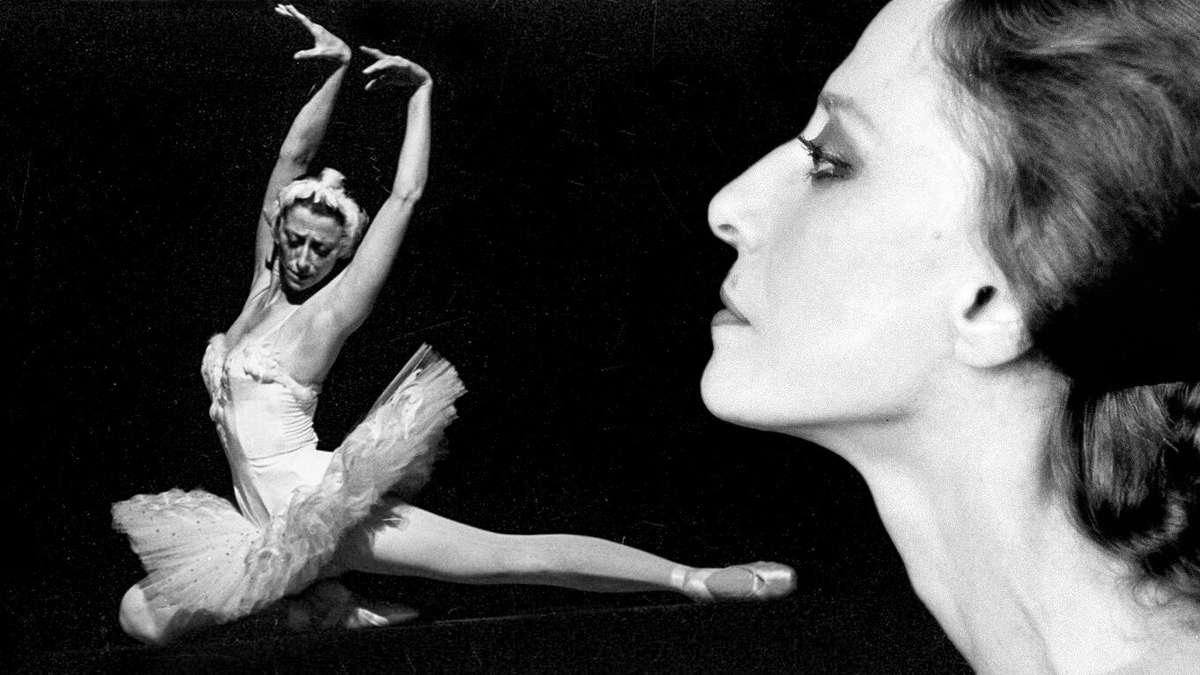
Her movement combined refined classical technique with a taut muscularity and expressive port de bras that read like punctuation. Rather than dissolving personality into idealized purity, her articulation—through the spine, arms, and carriage—often emphasized clarity and intent. That approach made her extensions and ninth-eighths of extensions feel like statements, not mere displays of line, giving technical feats a dramatic purpose.
Stage presence and dramatic power
Plisetskaya's dramatic identity is a consistent thread in critical accounts: she conveyed emotional immediacy and a sense of theatrical risk. When she danced, the audience encountered a performer who treated gesture and beat placement as dramaturgical choices rather than neutral technique. This cultivated sense of freedom—of taking interpretive chances onstage—helped her transform familiar roles into personal statements.
Roles and repertoire associations
Two repertory anchors stand out as decisive for how Plisetskaya is remembered. Carmen Suite, created for her in 1967 by choreographer Alberto Alonso with a score adapted by her husband Rodion Shchedrin, became a signature vehicle that matched her magnetism to a bespoke musical and choreographic environment. Equally important was her association with Swan Lake; critics and historians routinely link her name with the Odette–Odile archetype, where her dramatic shading and technical polish brought new dramatic edges to a canonical role.
Career turning points and artistic context
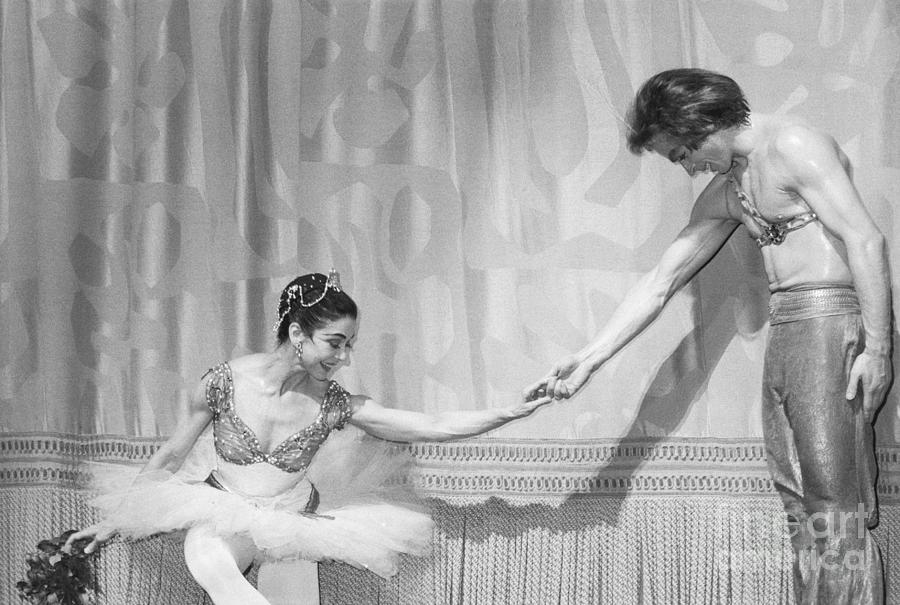
Born in Moscow in 1925, Plisetskaya rose to become the Bolshoi's leading ballerina and a global figure through touring and international recognition. Her collaborations—most notably the partnership with composer Rodion Shchedrin, whom she married in 1958, and choreographer Alberto Alonso for Carmen Suite—show an artist who commissioned and inspired new work as well as interpreted existing repertoire. Within Soviet cultural institutions, those collaborations and honors underscored her dual role as an interpreter and a creative catalyst.
What made Plisetskaya distinctive
Plisetskaya's distinction lies in a particular synthesis: a Bolshoi scale of theatricality married to a dancer's insistence on personal interpretive freedom. She was not merely a prima ballerina in the company's roster; she actively shaped the roles that defined her. Her technical gifts were notable, but they mattered most because she used them to extend character and psychological depth—turning virtuosic sequence into expressive argument.
Why the legacy endures
Her legacy persists because Plisetskaya modeled a way of being onstage that balanced institutionally mediated grandeur with an unmistakable individual voice. Works created for her—most famously Carmen Suite with music arranged by Rodion Shchedrin and choreography by Alberto Alonso—are living proof of the mutual shaping between artist and repertory. Moreover, historical accounts and tributes from major institutions consistently link her name to the idea of the Bolshoi's dramatic ballerina, preserving the image of a performer who broadened the emotional palette available to classical dancers.
Closing interpretation
Maya Plisetskaya matters because she reoriented what a prima ballerina could be: not only an exemplar of technique and line, but a theatrical protagonist who used movement as argument and gesture as character. Her work with composers and choreographers produced repertoire that bears her imprint; her presence at the Bolshoi made her both a company symbol and an independent artistic force. That combination—technical command, dramatic audacity, and active repertory shaping—keeps her image vivid for dancers, historians, and audiences today.
Author: Alex R.