Darcey Bussell: The Ballet Dancer of Power and Line
Darcey Bussell arrived in the British ballet scene as a distinctive combination of tall athleticism and refined classical line. Trained at the Royal Ballet School and rising quickly to The Royal Ballet, she became notable not simply for technique but for the way power and poetic line merged in performance.
This portrait considers why Bussell matters: how her physical silhouette, trained refinement, and capacity for projection shaped signature roles at the Royal Ballet and why her artistic identity continues to register in repertory memory.
What defines this dancer
Darcey Bussell combined a tall, athletic physique with clear classical line and a capacity for dramatic projection, a profile that helped her become the Royal Ballet's youngest principal at age 20 and a definitive interpreter of several major classical and modern roles.
What this portrait explains
- How Bussell's line and movement quality informed her stage identity.
- Which roles and repertory revealed her strengths.
- How key career anchors at the Royal Ballet shaped her public presence and later institutional influence.
First visual and artistic impression
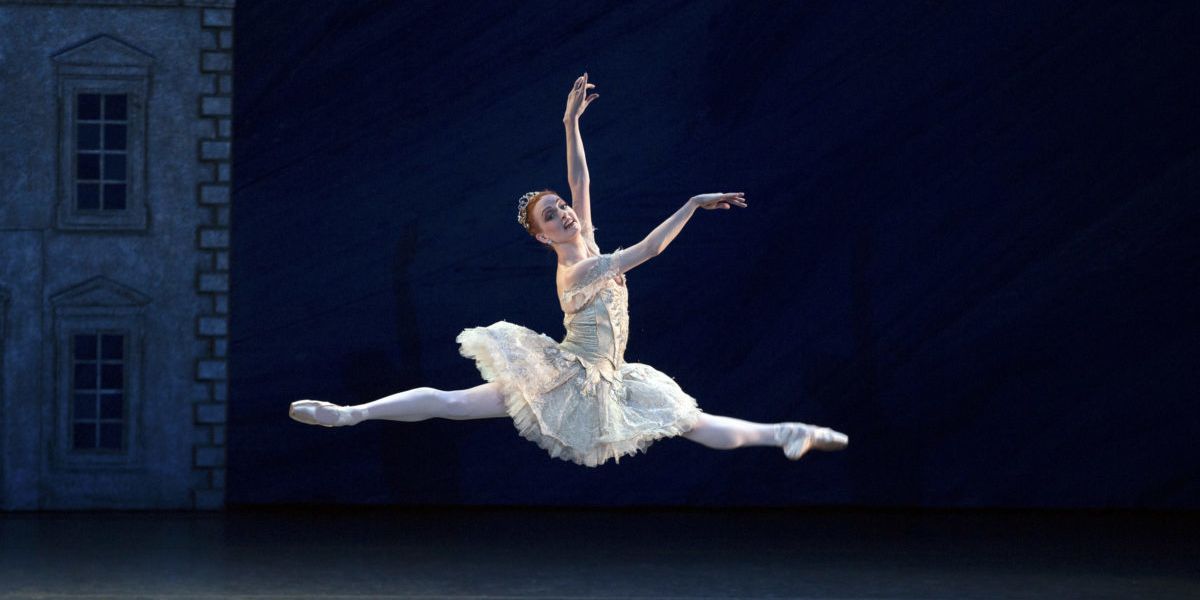
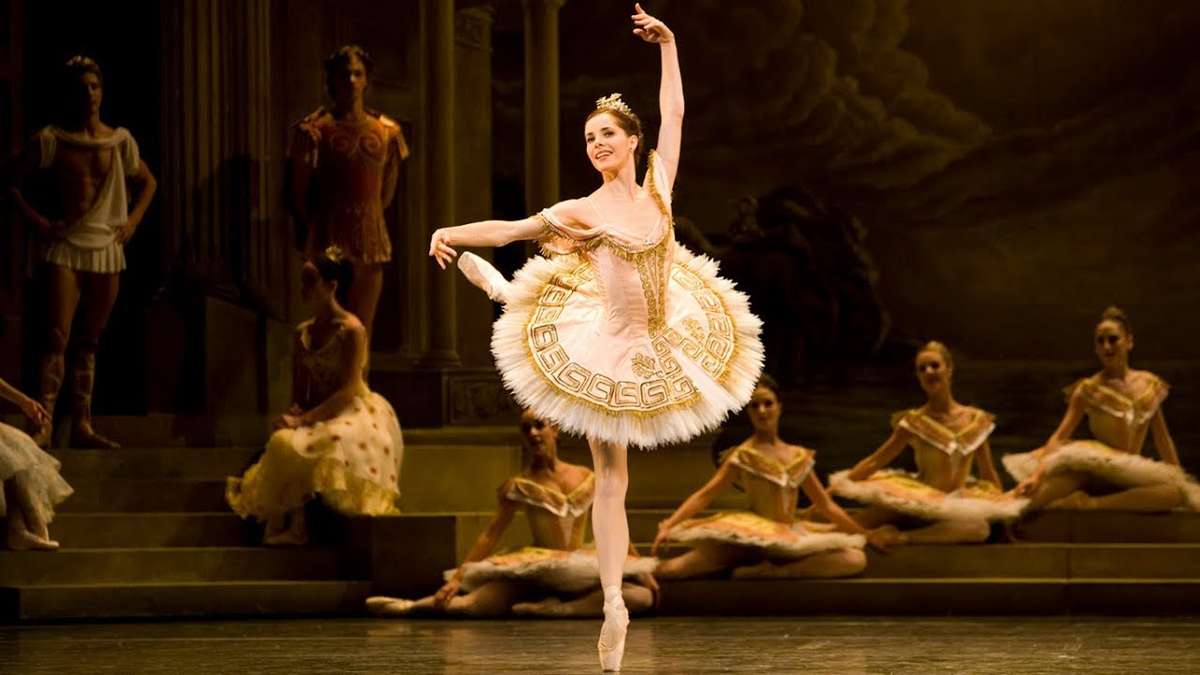
On first sight Bussell registered as an imposing silhouette: tall and athletic, with long lines that translated into an immediately recognisable stage presence. Critical descriptions from her career consistently note an oblique, high line and an ability to make clean geometry of classical positions. That visual identity mattered because it created a readable, modern classical heroine — one whose technical brightness did not dilute dramatic clarity.
Line, port de bras, and movement quality
Bussell’s movement quality balanced extension with refinement. Her training at the Royal Ballet School and early professional work prepared her to combine the length of limb with clarity of port de bras and an economy of gesture. Reviewers and profiles repeatedly emphasised her musicality and lyricism alongside muscular precision: the result was a line that read well in both slow adagios and faster allegro passages.
Stage presence and dramatic power
Power here is not raw aggression but sustained projection. Bussell’s presence was repeatedly described as able to carry both classical poise and theatrical intensity, allowing her to inhabit narrative roles without losing sculptural clarity of form. That capacity for projection helped her command large houses and major productions, where sheer visibility and expressive directness are as important as flawless steps.
Roles and repertoire associations
At The Royal Ballet Bussell performed a wide repertory range that showcased different aspects of her profile. She danced major classical leads — Aurora in The Sleeping Beauty, Odette/Odile in Swan Lake, Nikiya and Gamzatti in La Bayadère — alongside dramatic and narrative parts such as Manon and Giselle. She also created roles by leading choreographers and performed in works where both line and theatrical focus were essential. These role choices made visible the marriage of lyrical line and stage technique that became her hallmark.
Career turning points and artistic context
Bussell trained at the Royal Ballet School, began professionally with Sadler's Wells Royal Ballet, and joined The Royal Ballet in 1988. Her rapid promotion to Principal in 1989 at age 20 marked a decisive institutional endorsement: it placed her at the centre of British ballet during an era when the Royal Ballet needed clearly defined leading women for both classical revivals and contemporary creations. She remained a Principal until her retirement, concluding her company career with a final performance of Kenneth MacMillan's Song of the Earth at the Royal Opera House on 8 June 2007.
What made this dancer distinctive
What separates Bussell from many celebrated peers is the particular blend of physical and theatrical assets: a notably tall, athletic carriage allied to a polished classical vocabulary and a clear capacity to project character. Instead of assimilating entirely to a single stylistic school, she translated classical technique into a contemporary stage silhouette, which made her roles visually arresting and dramatically accessible.
Why the legacy endures
Bussell’s legacy persists for a few practical reasons. First, the combination of physical line and stage projection remains a template for dancers who must read well both in large houses and on camera. Second, her record of major classical roles and the fact that she created parts for notable choreographers anchor her presence in repertory history. Finally, her later institutional roles — including leadership and public-facing positions — have extended her influence beyond performance, shaping how a generation remembers a particular blend of power and poise in British ballet.
Closing interpretation
Darcey Bussell matters because she made classical line feel contemporary without sacrificing its formal demands. Her career at The Royal Ballet, rapid rise to principal, signature parts, and public roles after retirement form a coherent artistic trajectory: one where clarity of silhouette, disciplined musicality, and theatrical projection together created a durable performance identity. Reassessing her work helps us see how physical presence and technical refinement can combine to define an era of company style.
Author: Eric M.