Demi-plié vs Grand-plié: How Depth, Control and Turnout Build Classical…
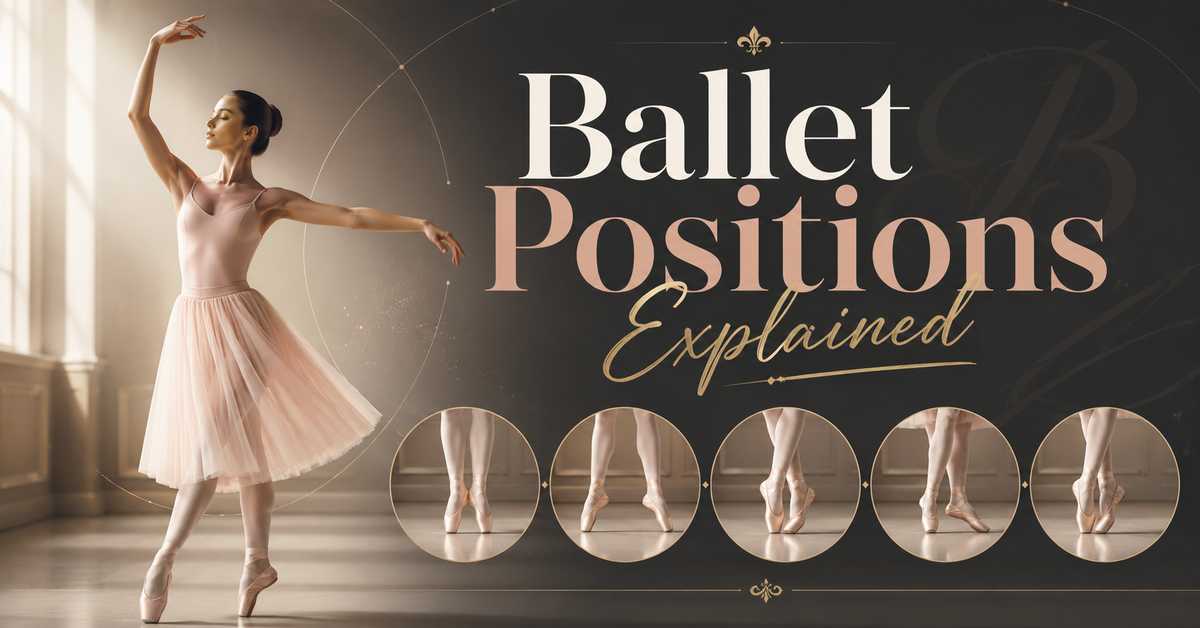
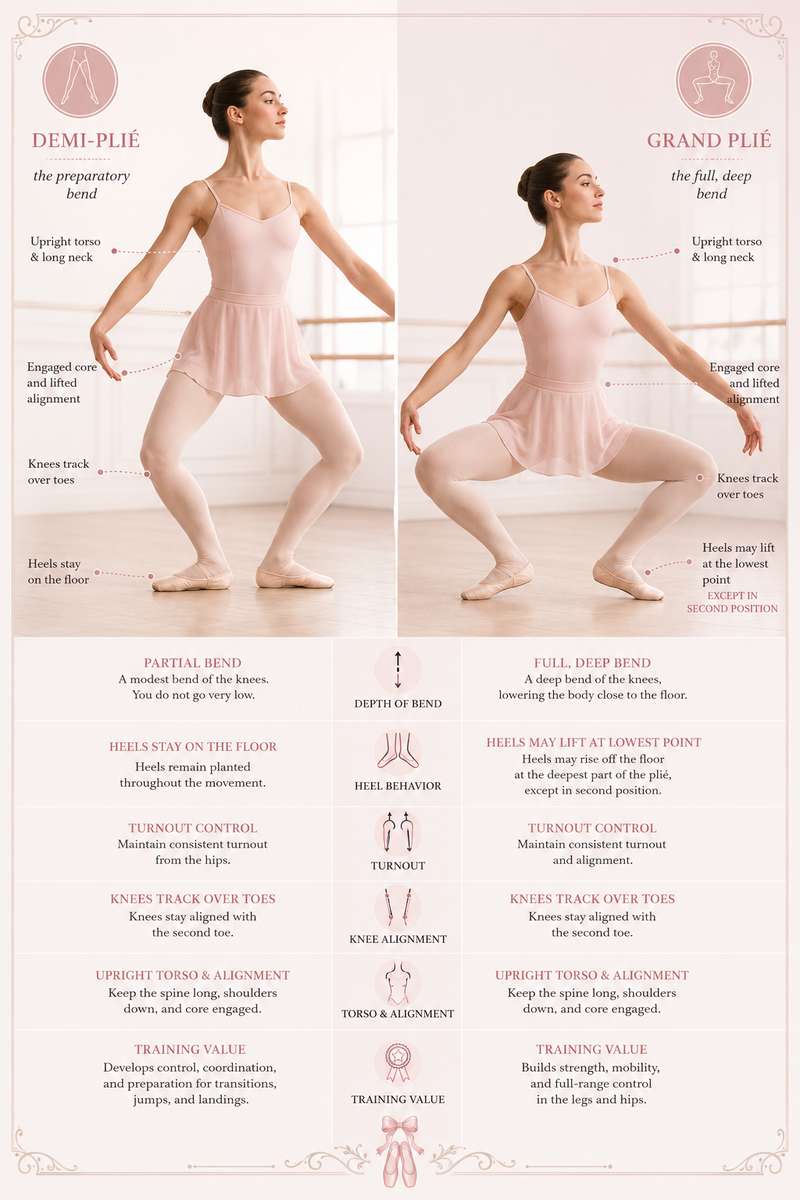
The demi-plié and grand-plié are two essential versions of the plié—knee bends that form the backbone of classical ballet training. In simple terms, a demi-plié is a half bend with the heels remaining on the floor, while a grand-plié is a full bend where the thighs approach horizontal and, except in second position, the heels lift at the deepest point. Both shapes teach alignment, turnout and control and prepare the body for jumps, turns and safe movement on stage.
Quick summary: Demi-plié = controlled half-bend, heels stay down; Grand-plié = full-bend, heels lift in deep second. Both develop mobility, strength, turnout and reveal alignment issues.
Quick access: Definition • Technique & body mechanics • Training & progression
CLEAR DEFINITION
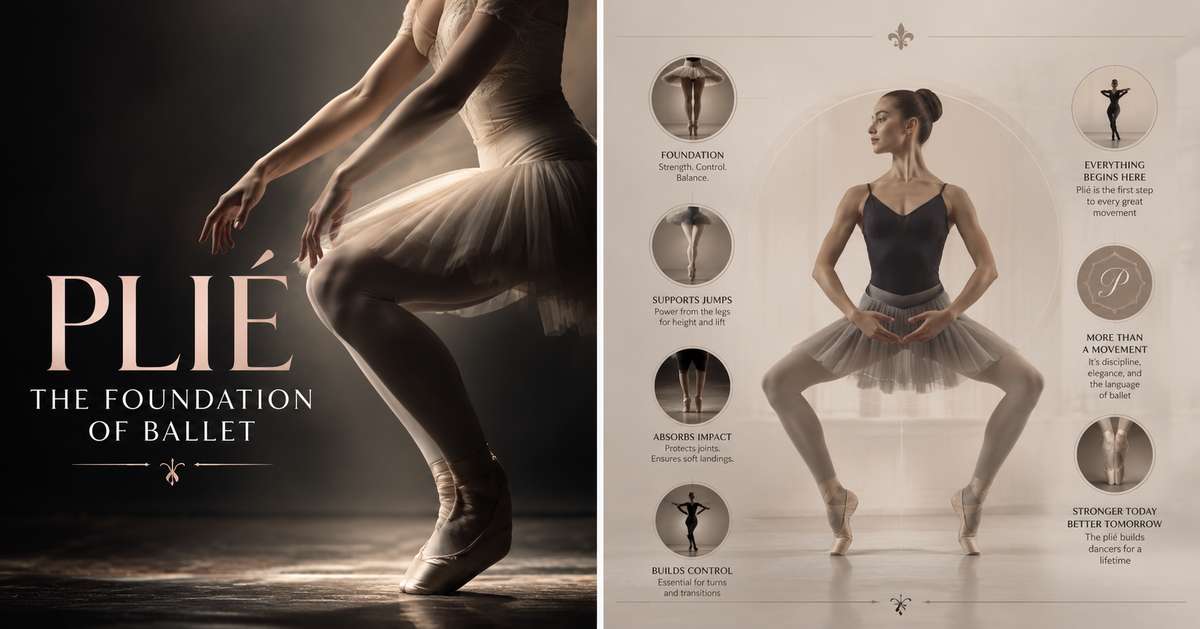
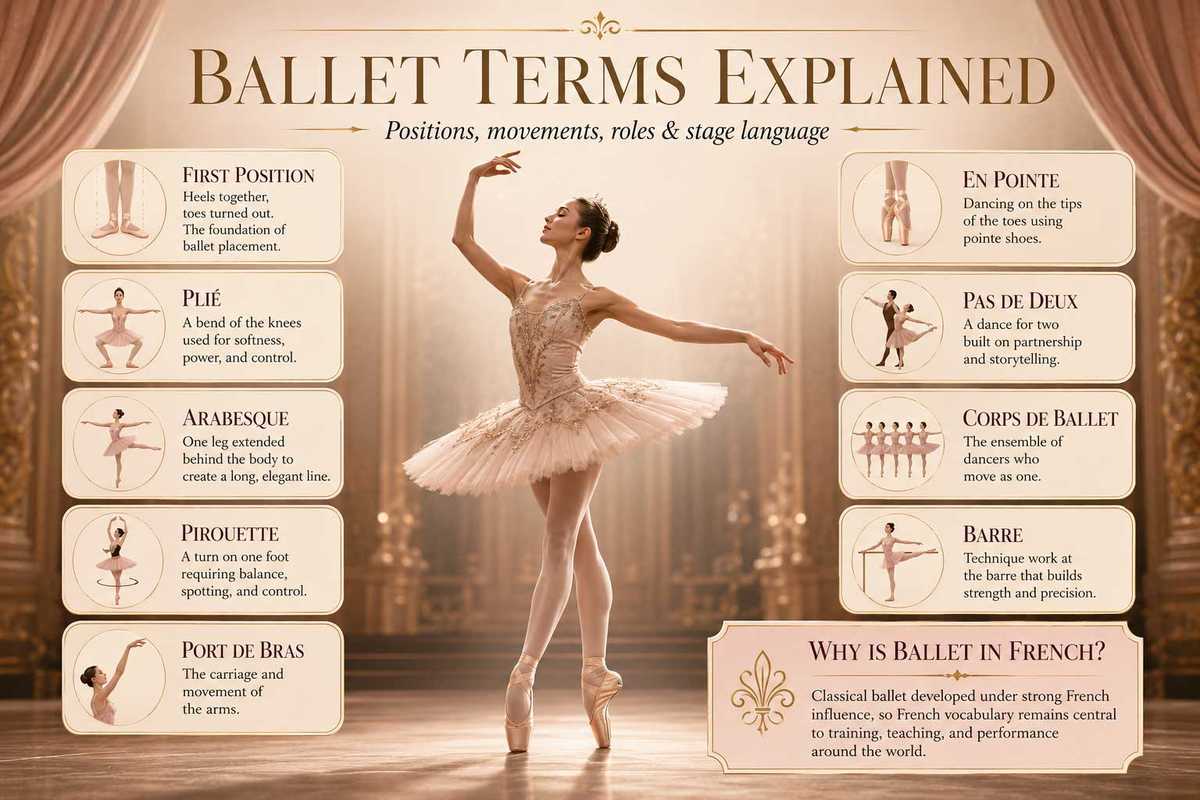
In ballet vocabulary—French terms are traditional but explained in English—a plié literally means a bending of the knees. The demi-plié is a half bend: the knees bend but the heels generally remain in contact with the floor. The grand-plié is a full bend: the knees bend deeply until the thighs near horizontal and, except in second position, the heels lift from the floor at the deepest point. Both names describe depth and quality rather than unrelated exercises.
WHAT THE VIEWER SEES
On stage, a demi-plié reads as a small, steady sinking—useful for phrasing and transitions—while a grand-plié creates a fuller, wider line through the legs and hips and often feels more dramatic. Because the heels lift in a deep grand-plié (except second), photographers and poster images often capture that spread of line or the moment of return to standing, which communicates weight, preparation and musical emphasis.
TECHNIQUE AND BODY MECHANICS
Both forms demand turnout (external rotation of the hips), clean alignment (spine over hips over feet), and knees that track over the toes. Demi-pliés let the heels stay down, which places emphasis on controlled bending through the knees and even weight distribution. Grand-pliés require greater hip and ankle mobility and more precise control because the depth brings the pelvis, knees and ankles nearer their limits and, in many positions, forces the heels to rise.
MUSICALITY AND TIMING
Pliés are musical tools: a demi-plié often matches small rhythmic preparation or a soft phrase and is repeated as a steady pulse at the barre and in the centre. Grand-pliés are used to mark larger accents, to prepare for jumps and to shape longer phrases. Because pliés prepare the body for movement, their timing in relation to the music affects the quality of subsequent steps—jump height, the steadiness of a turn or the phrasing of a port de bras.
TRAINING AND DISCIPLINE
Demi-pliés are introduced early in training to build joint mobility and basic muscle control while keeping the heels grounded for safety. As students develop strength, body awareness and flexibility, grand-pliés are progressed to because they demand more hip and ankle mobility and reveal weaknesses in alignment. Repetition of both at the barre and in centre work is a staple of authoritative syllabi and examinations, where pliés are specified as fundamental elements.
STAGECRAFT AND PERFORMANCE
Choreographers use the two depths differently: demi-pliés maintain flow and small-weight shifts within ensemble formations, while grand-pliés punctuate moments of preparation, landing and emotional weight. In partnering, grand-pliés reveal the need for secure technique because deeper bends affect balance and the timing of lifts. In corps de ballet work, uniform demi-pliés keep lines clean; matched grand-pliés create dramatic depth and visual contrast.
COSTUME AND VISUAL LANGUAGE
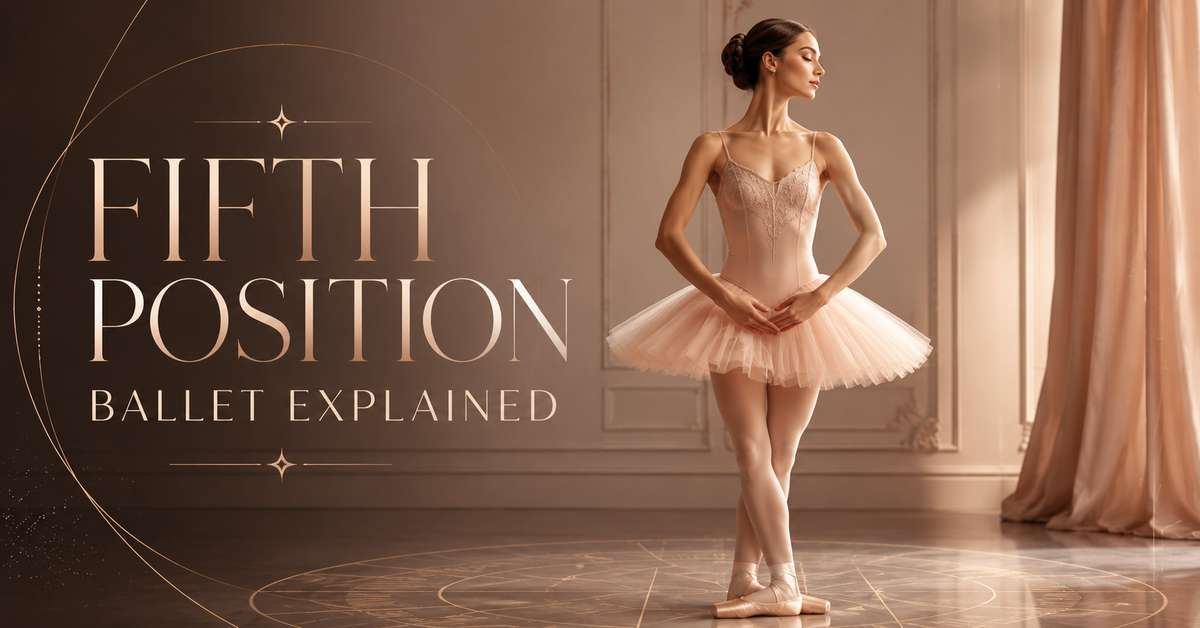
Costume silhouettes—tutus, pointe shoes and the line of the leg—interact with plié depth. A demi-plié under a romantic tutu reads as a modest shift in line; a deep grand-plié, often photographed at its lowest point or on the rise, exposes the dancer's turnout and ankle articulation, making it a strong motif for posters and wall art that want to show power and preparation rather than only lightness.
COMMON MISUNDERSTANDINGS
Beginners often think a demi-plié is merely a smaller, easier grand-plié. In reality, the two serve different training functions: the demi is foundational for safe joint loading and even weight distribution, while the grand tests mobility and control. Another frequent mistake is allowing the knees to collapse in either version; correct technique requires knees tracking over the toes to protect joints and reinforce turnout muscles.
CLOSING INTERPRETATION
Demi-plié and grand-plié are not rival movements but complementary tools. The demi-plié builds steady control and joint preparation; the grand-plié deepens range, reveals technical gaps, and readies the body for virtuosic steps. For viewers and collectors of ballet imagery, attention to these shapes—how heels, knees and hips interact—adds clarity when reading a performance photograph or a poster. Understanding both enriches appreciation of technique, choreography and the visual language of classical ballet.
Author: Eric M.