Plié Meaning in Ballet: Why the Bend Is Ballet’s Foundation
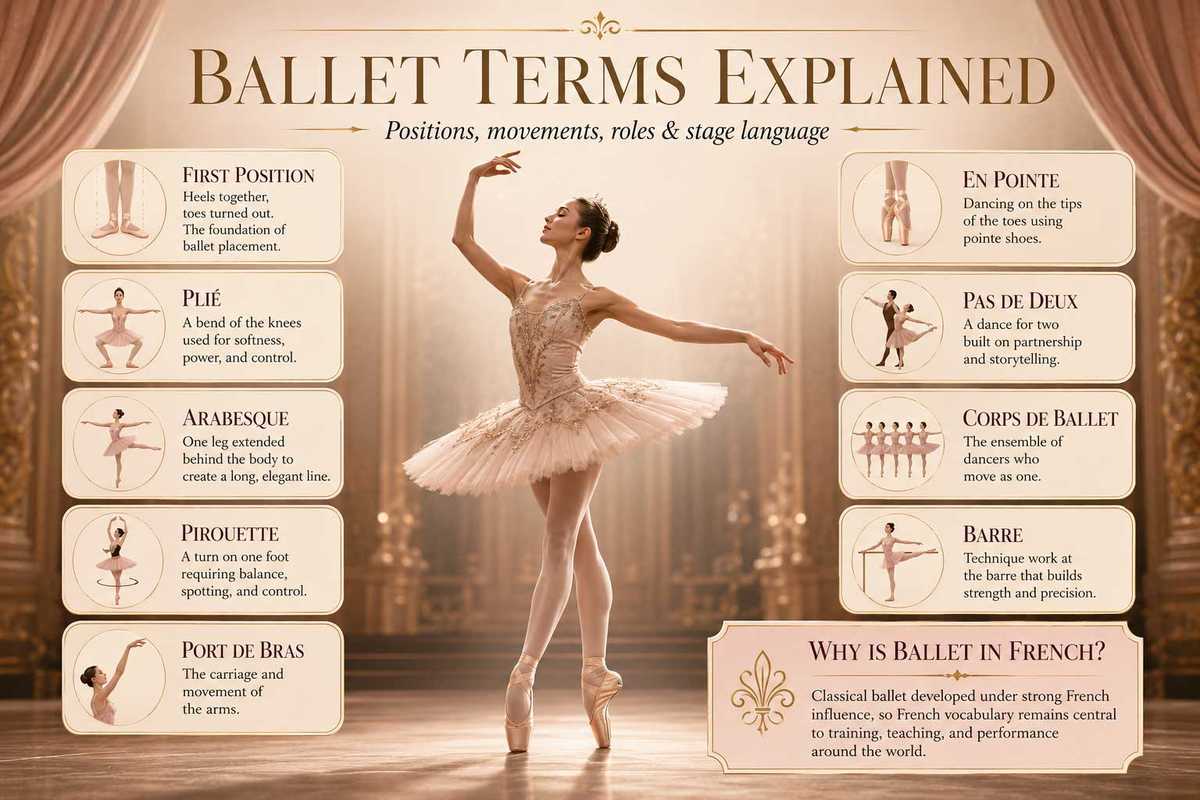
Plié — literally "to bend" — is the fundamental knee-bending movement in classical ballet. It appears at the start of nearly every exercise and is taught from the first lessons because it both shapes the dancer's line and performs essential technical work: preparing jumps, absorbing landings, and creating a stable base for turns and transitions.
CLEAR DEFINITION
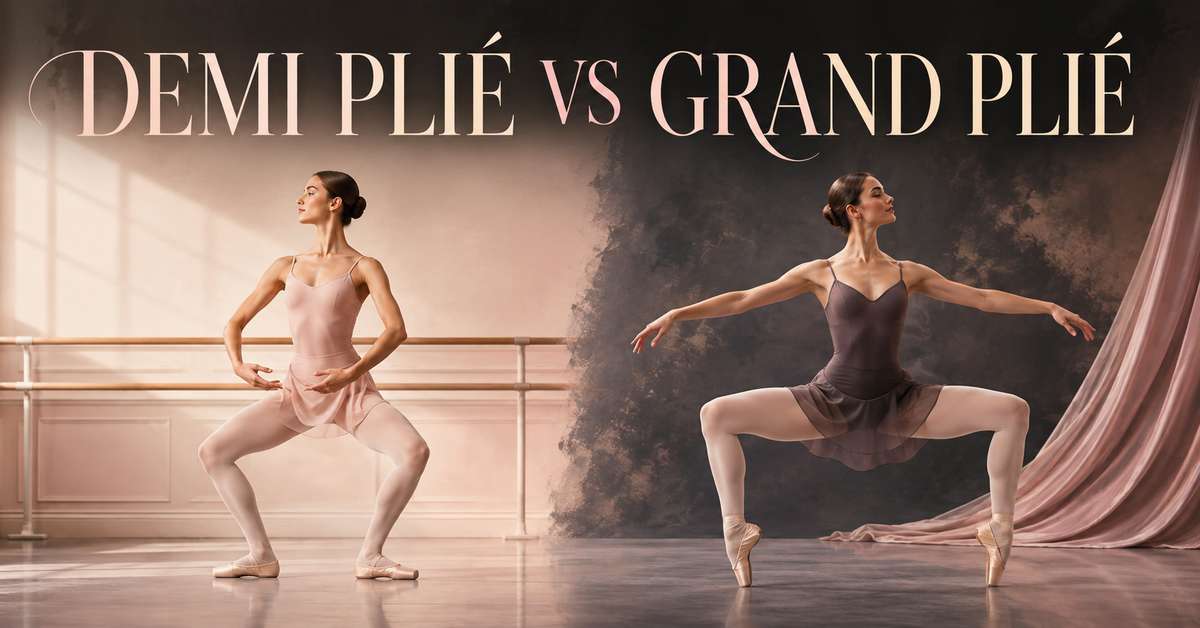
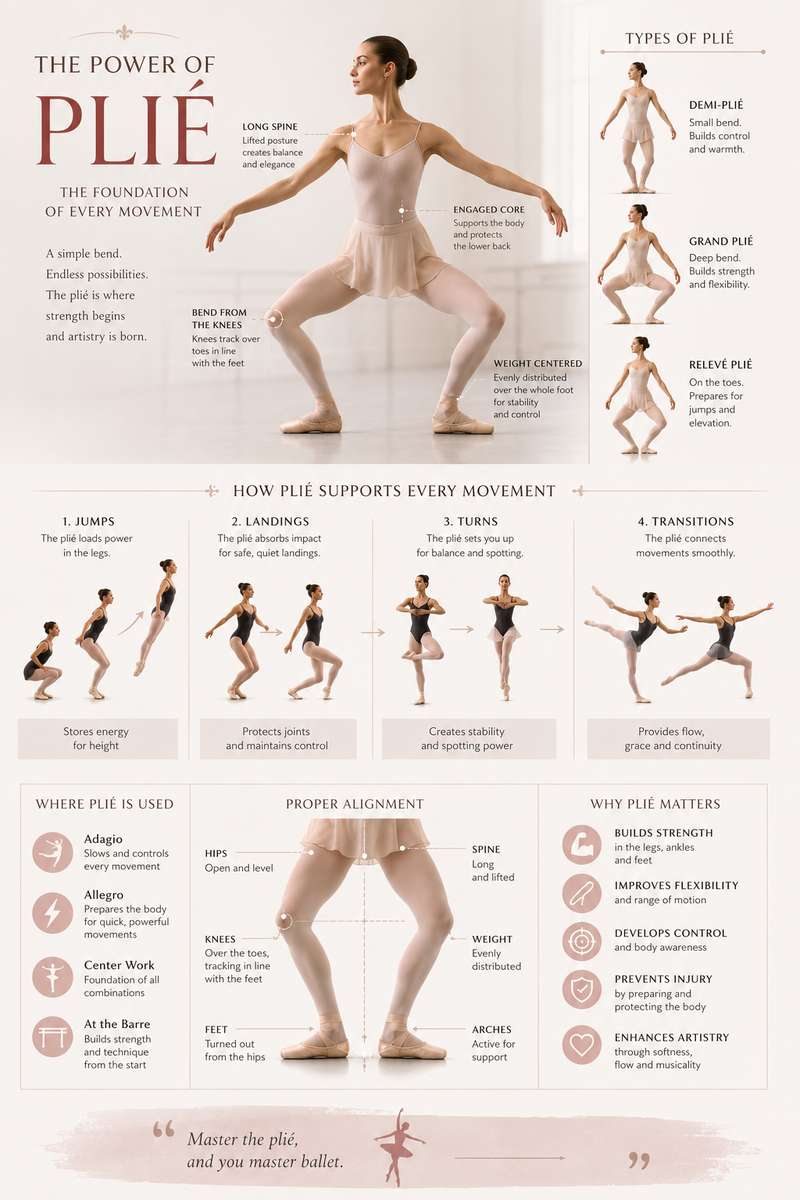
In ballet pedagogy plié means "to bend": the knees bend while the back remains straight and the turnout is maintained. It is one of the first and most repeated exercises in class. Teachers and syllabi from major schools describe both demi-plié — a partial or half bend — and grand-plié — a deep or full bend — as the canonical forms used across grades and levels.
WHAT THE VIEWER SEES
On stage a plié looks like a clean, controlled lowering through the knees that preserves the vertical line of the torso. In images and posters the soft curve of a dancer in demi-plié can suggest poise and readiness, while a grand-plié shows deep muscular engagement and the silhouette of classical technique beneath a tutu or practice leotard.
TECHNIQUE AND BODY MECHANICS
Technically, a correct plié uses turnout, alignment, and muscular engagement rather than collapsing into the knees. Common technical cues are: keep the spine straight, let the knees track over the toes in turned-out position, keep heels down where required, and use the legs and core to control the descent and rise. These mechanics load the muscles eccentrically during the bend and concentrically during the return, which is the basis for safe, powerful movement.
JUMPS, LANDINGS, AND TURNS
Pliés are the preparatory action for virtually all classical jumps: starting from a plié allows muscular loading and an explosive take-off. On landing, the plié acts as a shock absorber, cushioning impact and reducing stress on joints. For turns and transitions, beginning from a well-aligned plié establishes a stable base and improves balance, helping rotations feel smoother and entries/exits cleaner.
TRAINING AND DISCIPLINE
Ballet schools emphasize daily practice of pliés because they build the specific strength, alignment habits, and coordination dancers need. Pliés are repeated at the barre and in centre work to reinforce turnout, knee tracking, and the connection between breath, musical phrase, and movement preparation. Teachers often return to pliés as corrective work for many technical issues.
MUSICALITY AND TIMING
Pliés are not purely physical; they are timed to music and phrasing. A plié can be held or released on an upbeat, prepared as a syncopated breath before a jump, or elongated to follow a lyrical phrase. Proper timing aligns the muscular preparation with the musical accent, so jumps and turns feel supported and expressive rather than abrupt.
COSTUME, VISUAL LANGUAGE AND WALL ART
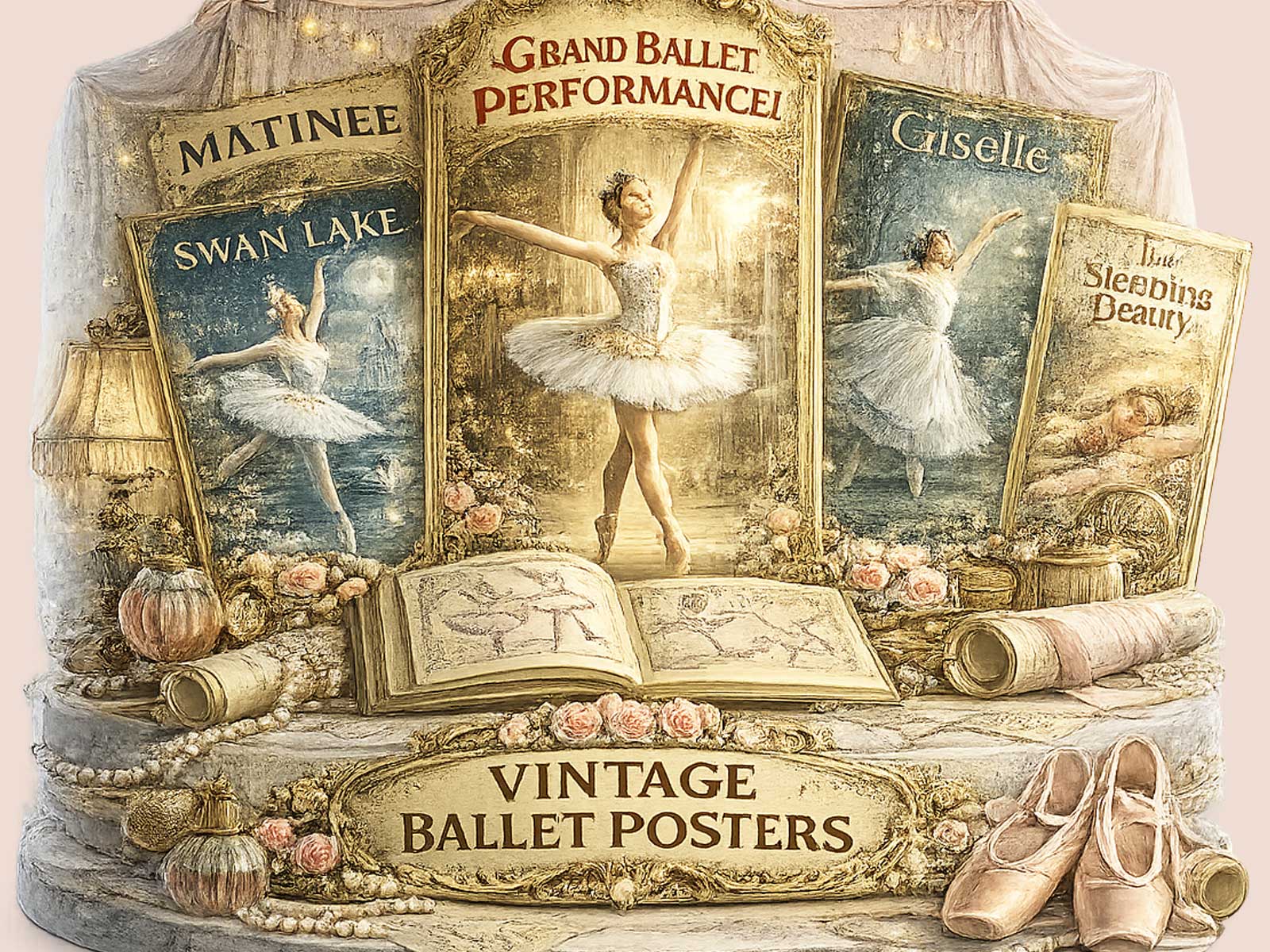
In ballet photography and wall art pliés often appear as quiet, foundational moments: a dancer in demi-plié at the barre, or a silhouetted grand-plié in stage light. These images signal preparation and discipline rather than climax, making them valuable motifs for posters and studio decor because they communicate both technical rigor and the visual line that defines classical ballet.
COMMON MISUNDERSTANDINGS
Beginners sometimes think a plié is merely a decorative bend or a way to look soft on stage. In reality it is a technical tool: it must be executed with alignment, turnout, and muscular control. Another frequent mistake is "sinking" the hips or collapsing the back; authoritative teaching emphasizes using muscles to control the movement rather than dropping into the knees.
READER VIEWING GUIDE
At a performance or in a poster, notice when dancers return to a plié: those moments are preparation or recovery. Watch how a demi-plié readies a petit allegro (small jumps) and how a grand-plié cushions a large landing. In photographs, a controlled spine over bent knees indicates technical proficiency; a limp bend often reveals tension or weak alignment.
CLOSING INTERPRETATION
Plié meaning in ballet goes far beyond a simple bend: it is the mechanism by which dancers create power, absorb impact, and move with musical and spatial control. Because it appears in nearly every exercise, teachers call it one of the most important movements in classical training. Understanding plié helps viewers read a performance more clearly and makes images of dancers — from posters to studio prints — feel like honest records of the craft beneath the costume and light.
Author: William L.