Third Position Ballet Explained: what it is, why teachers use it, and how it…
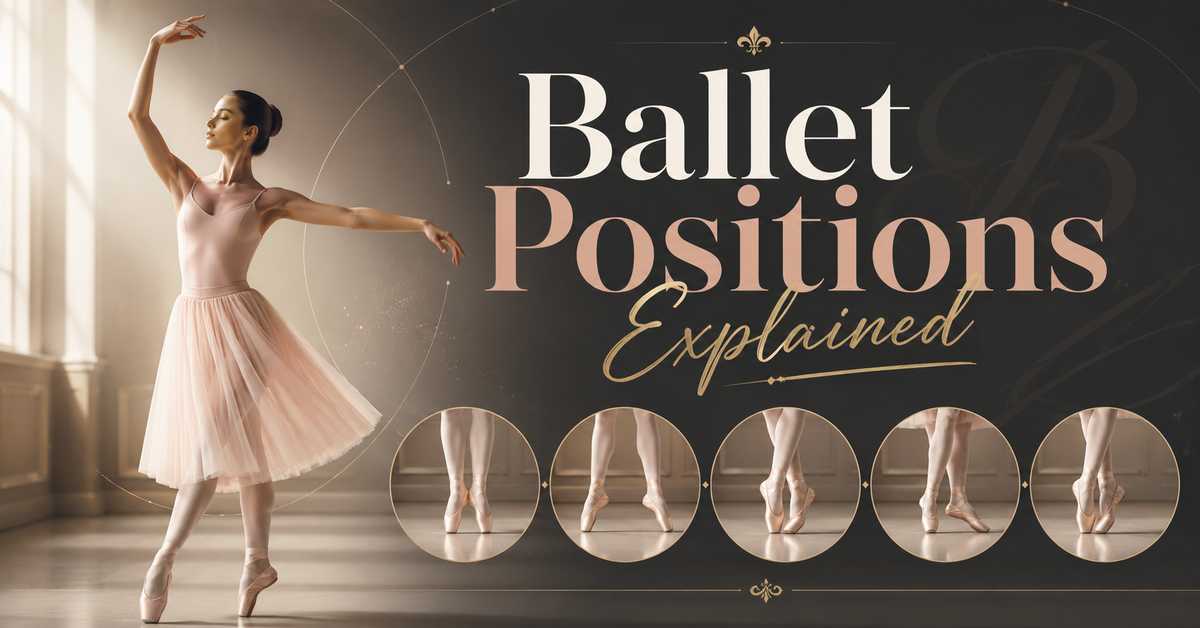
Third position is one of the five basic positions of the feet in classical ballet. It places the feet in a crossed arrangement that is less closed than fifth position and is often introduced early in training as a preparatory shape for turnout, alignment, and the fully crossed fifth position.
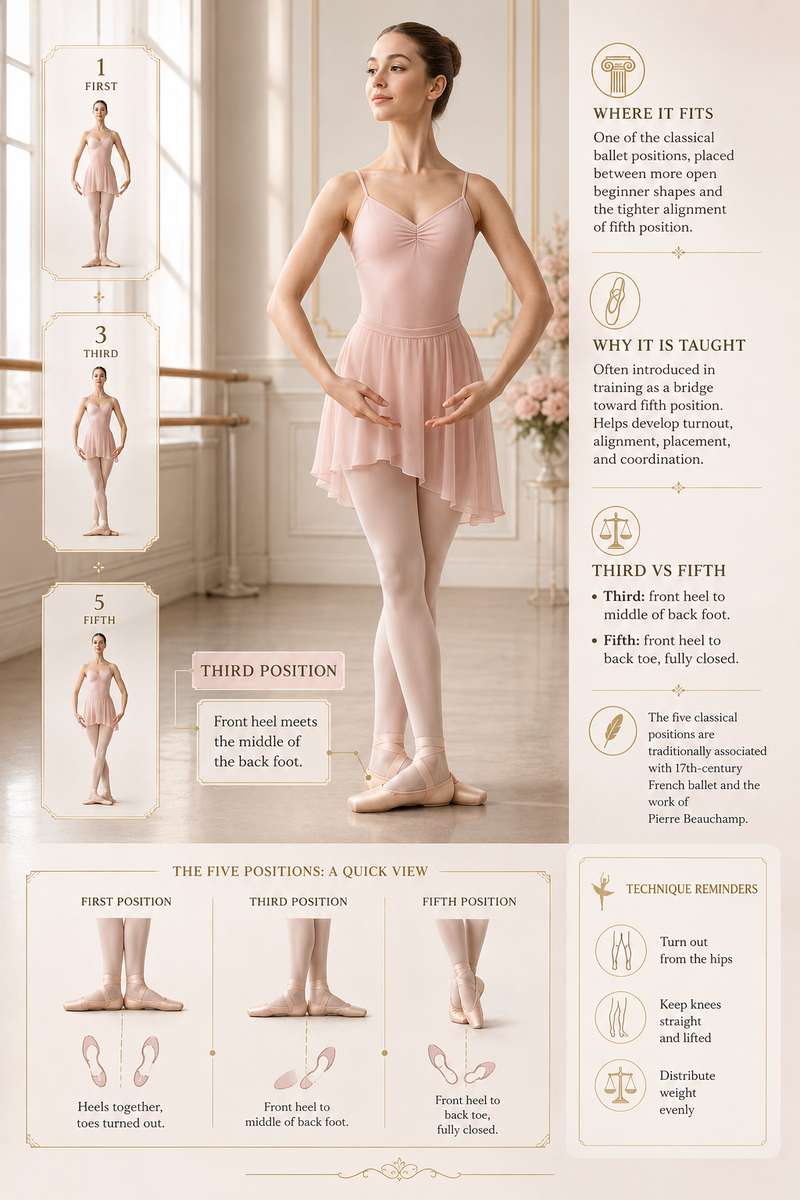
Quick summary: Third position places one foot in front of the other with the heel of the front foot aligned with or touching the arch/instep of the back foot, with both feet turned out. In arm work, third is commonly a mixed arm shape: one arm in first, the other in second.
Quick access: Definition · Technique · Third vs Fifth
Clear definition
Classical ballet uses five basic positions of the feet, numbered first through fifth. Third position places one foot in front of the other so that the heel of the front foot aligns with or touches the arch or instep of the back foot. Both feet remain turned out from the hips. Where some schools teach five arm positions as well, third arm position is a mixed shape: one arm held in first position and the other in second position.
What the viewer sees on stage
From the auditorium, third position looks like a crossed base similar to fifth but more open; the feet create a diagonal line rather than the tightly closed line of fifth. In repertoire and teaching demonstrations, the shape reads as a stable, prepared stance rather than a fully closed classical pose.
Technique and body mechanics
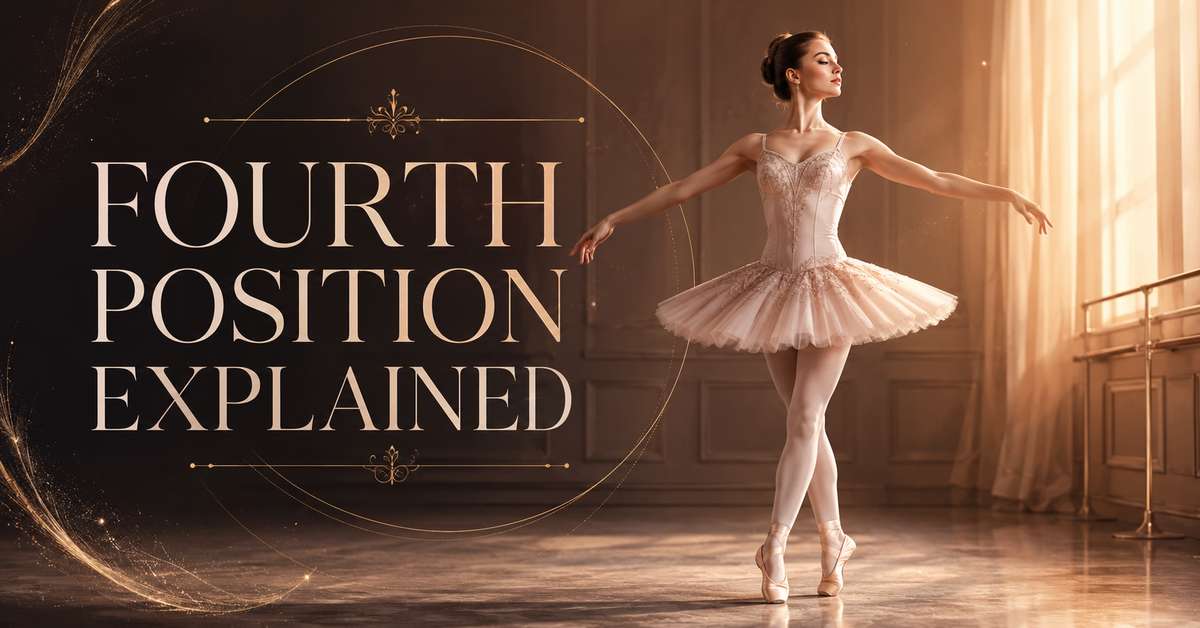
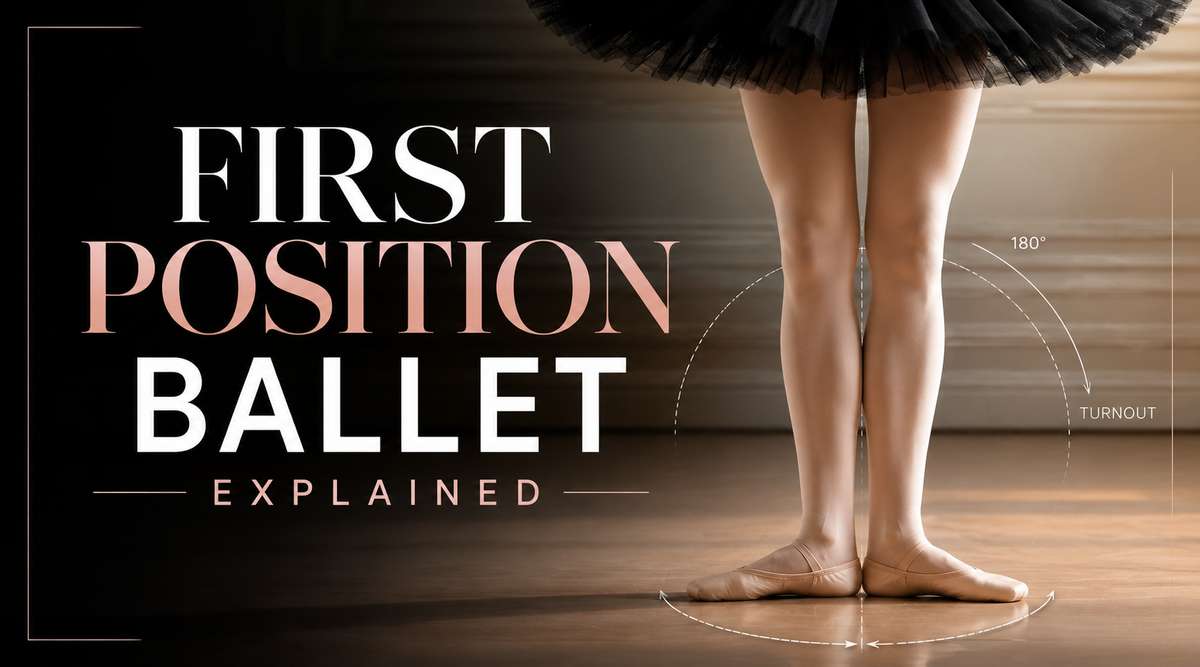
Technically, third position requires the dancer to maintain turnout from the hip while keeping the knees aligned over the toes. The front heel resting on the back foot's instep demands controlled turnout and hip rotation without over-twisting the knees. Because it is less tightly crossed than fifth, third places less structural strain on the lower limbs while still training the visual cross of the legs.
Training and discipline
Many syllabus-based schools introduce third position early in class as a preparatory or intermediate position. It helps students feel the crossed relationship of the feet and begin working the alignment and muscular support needed for a clean fifth position. Teachers often delay full fifth until turnout, strength, and balance are better developed.
Comparison: third position vs fifth position
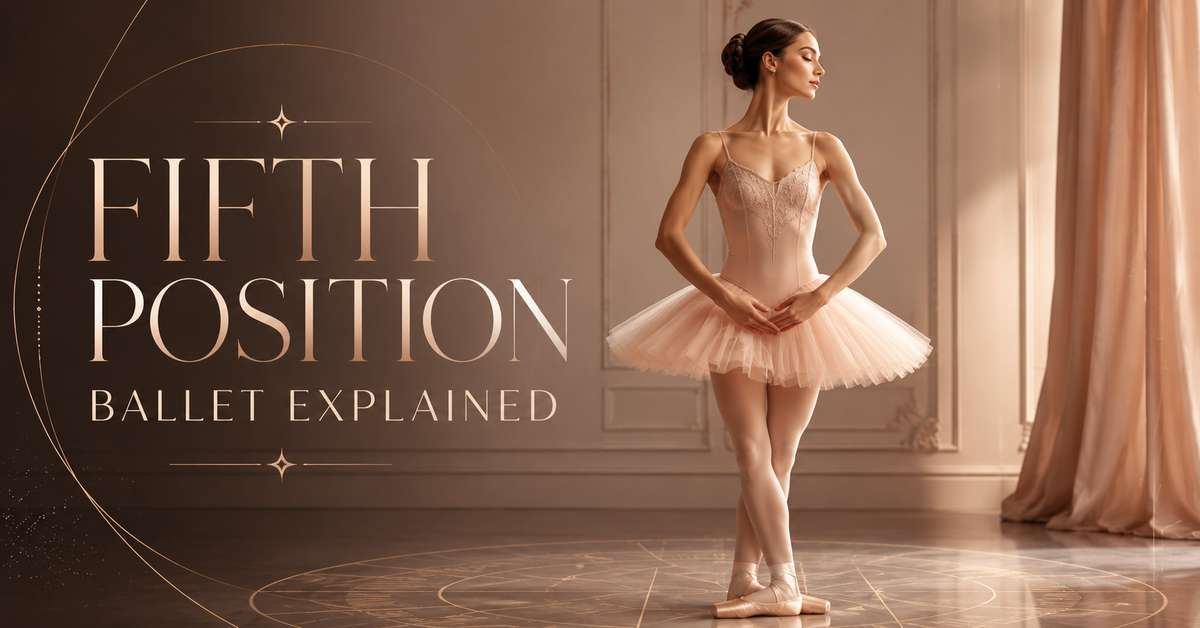
Fifth position is a fully crossed position in which the heel of the front foot is placed against the toes or big-toe area of the back foot, producing a tighter, more closed alignment. By contrast, third position is closed but not as fully crossed: the front heel aligns with the back foot's arch or instep rather than covering the toes. Because of that difference, third is less demanding on turnout and joint compression and is often used as a stepping-stone toward learning a clean and safely aligned fifth.
Common misunderstandings
Beginners sometimes mistake poor alignment in fifth for third: an incorrectly placed fifth with gaps or mis-rotation might look like third. Another misconception is that third is merely decorative; in fact, it functions pedagogically to build the crossed shapes and muscular habits of classical footwork without forcing a fully closed stance too early.
Reader viewing guide: notice these details
When you watch class or a performance, look for how the heel of the front foot meets the instep of the back foot (third) versus how the front heel covers the back toes (fifth). Notice turnout at the hip and how clean alignment at the knee and ankle makes the crossed shape readable. In ballet photography, posters, and wall art, third position will read as an open cross—useful for images that suggest classical form without the extreme closure of fifth.
Closing interpretation
Third position matters because it occupies a pedagogical and visual middle ground: it teaches the crossed architecture of classical ballet while reducing early structural stress, and it provides a readable, elegant line that appears in training, some choreography, and repertoire contexts. Understanding third clarifies how teachers build toward fifth and helps viewers read the subtleties of classical staging and ballet imagery.
Author: Eric M.