Alicia Alonso: the ballerina of interpretive will
Alicia Alonso was a towering figure in twentieth‑century ballet: a prima ballerina assoluta whose career as a performer and institution‑builder made her central to the Cuban School of Ballet. Best known for dramatic, classical roles such as Giselle and Odette‑Odile, Alonso combined a rigorous classical technique with an unusually concentrated theatrical intelligence. Understanding her artistry explains not only a singular performer but also the artistic identity of the company she helped create.
What defines this dancer
Alonso’s reputation rests on three linked elements: an interpretive will that prioritized dramatic clarity, classical authority in canonical roles, and an institutional role that shaped generations through the National Ballet of Cuba and its academy.
What this portrait explains
- How Alonso’s stage intelligence shaped readings of Giselle and Swan Lake.
- Why her technical and dramatic approach mattered for the Cuban School and company she led.
- What her continued presence—despite lasting eye problems—meant for performance and leadership.
First visual and artistic impression
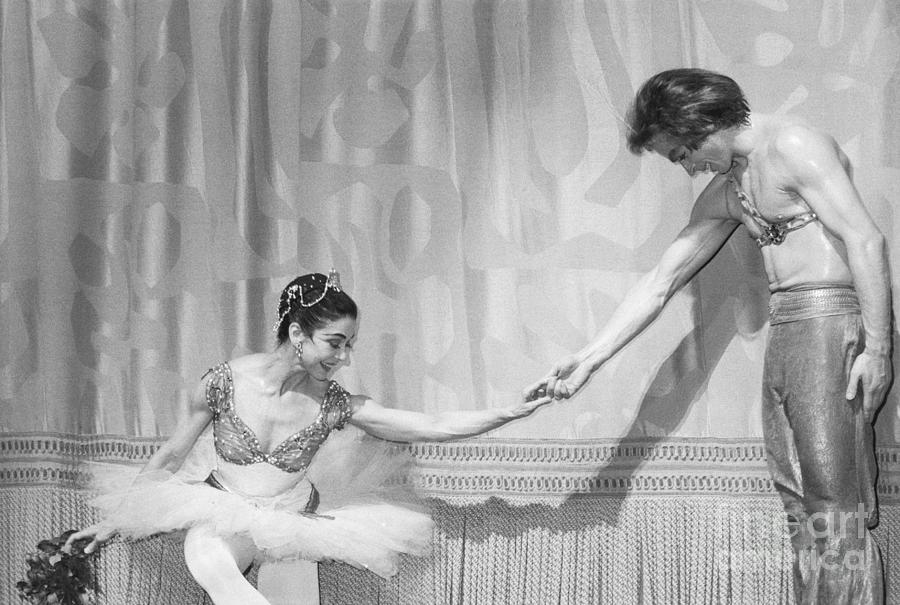
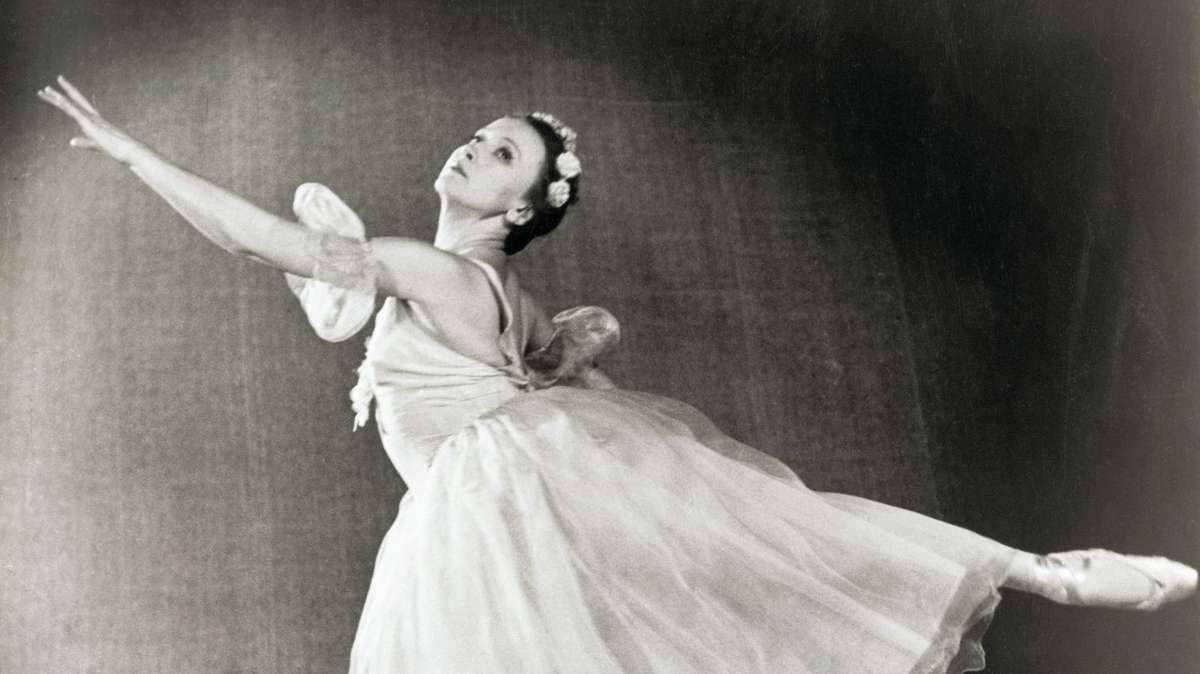
Accounts of Alicia Alonso’s performances consistently point to an immediate theatrical gravity. Audiences and critics remembered a performer whose entrance concentrated attention: not only for line or virtuosic showmanship, but for a controlled, deliberate dramatic focus. In roles such as Giselle and Odette‑Odile, this focus made narrative intention legible in every pose and gesture, so that the silhouette on stage felt inseparable from character.
Line, port de bras, and movement quality
Alonso’s approach married classical rigor with a carefully articulated upper body. Commentators have emphasized her musicality and the expressive use of port de bras, which served dramatic aims as much as decorative ones. The effect was not simply extension for its own sake but extension as argument: lines and arm phrases that clarified psychological states and relationships within the choreography.
Stage presence and dramatic power
Central to Alonso’s myth was what might be called interpretive will—the capacity to make theatrical choices that dominated a performance without negating musical or technical demands. Her dramatic intensity and focus were repeatedly singled out in contemporary obituaries and accounts. This was a performer who, whether in the tragic lyricism of Giselle or the duality of Odette‑Odile, foregrounded narrative clarity and emotional conviction.
Career turning points and institutional context
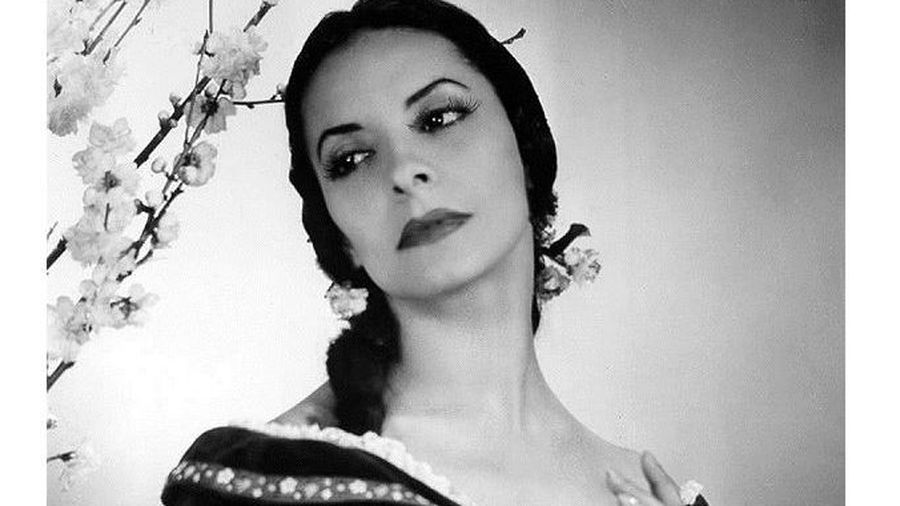
Alicia Alonso’s life encompassed both stage triumph and long‑term institution building. Born Alicia Ernestina de la Caridad Martínez del Hoyo on 21 December 1920, she co‑founded what became the National Ballet of Cuba in 1948 and established the national academy in 1950. Her multiple roles—as prima ballerina assoluta, artistic director, and teacher—meant her aesthetic decisions radiated outward, helping to define a Cuban ballet identity across decades.
Roles and repertoire associations
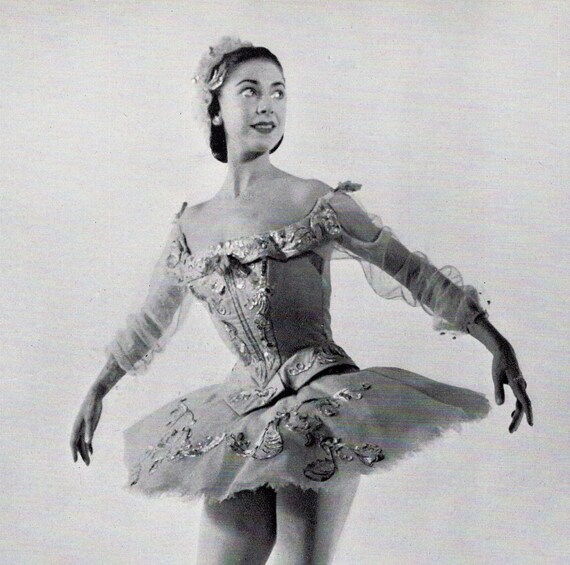
Alonso’s repertory included some of ballet’s most demanding, narrative roles. Critics and obituaries have repeatedly associated her with Giselle and Odette‑Odile, roles that reveal the conjunction of technical control and expressive nuance at which she excelled. These parts required both classical technique and a capacity for concentrated stage storytelling—qualities that became hallmarks of her public image.
What made Alonso distinctive
Several concrete factors set Alonso apart. First, her interpretive insistence: she treated choreography as dramatic text to be read with precision. Second, her institutional reach: by directing the company she co‑founded and its academy, she amplified her aesthetic choices into a pedagogical system. Third, her personal resilience—frequently noted was her lifelong struggle with poor eyesight—which added a narrative of perseverance to her public persona and, some observers argue, sharpened her attention to theatrical control.
Why the legacy endures
Alonso matters today because her significance is both artistic and structural. Artistically, she modelled a way of working that privileged dramatic clarity within classical technique—an interpretive stance that remains instructive for dancers approaching narrative repertory. Institutionally, the National Ballet of Cuba and the academy she helped found preserved and transmitted those priorities to generations of dancers. Together, these strands explain why Alonso is remembered not only as a remarkable performer but as a shaping force in ballet’s international culture.
Closing interpretation
To revisit Alicia Alonso is to study a performer who made authority and will part of the vocabulary of classical ballet. Her career demonstrates how a singular stage intelligence can both illuminate canonical roles and, through teaching and leadership, reshape a national school. Alonso’s legacy persists in the continued attention to dramatic intent within training and performance—an enduring lesson that technique serves interpretation, and that interpretive will can define an artistic lineage.
Author: Eric M.