How Misty Copeland Built a Distinctive Performance Image: Strength…
Misty Copeland is a dancer whose public profile rests as much on disciplined studio work as on high-profile performances. Understanding her matters because she ties a clear practice philosophy—technical repetition, targeted conditioning and mental resilience—to an unmistakable stage presence. That combination explains why her performances read as deliberately built: technique as instrument, strength as style, and expressive control as interpretive authorship.
This portrait does not rehearse biography. Instead it traces how Copeland’s emphasis on relentless, studio-based technical work and conditioning becomes visible in performance choices and public teaching, and why that approach reshaped how many viewers perceive virtuosity, endurance, and storytelling in contemporary ballet.
What defines this dancer
Misty Copeland’s image is defined by a studio-first method: methodical repetition of classical technique, a programmatic strength and conditioning regimen, and a rhetorical linking of technical mastery to expressive freedom onstage.
What this article explains
- How technical repetition and conditioning appear in Copeland’s stage presence.
- Why strength and resilience are part of her artistic vocabulary.
- How Copeland translates studio rigor into storytelling and expressive control.
First visual and artistic impression
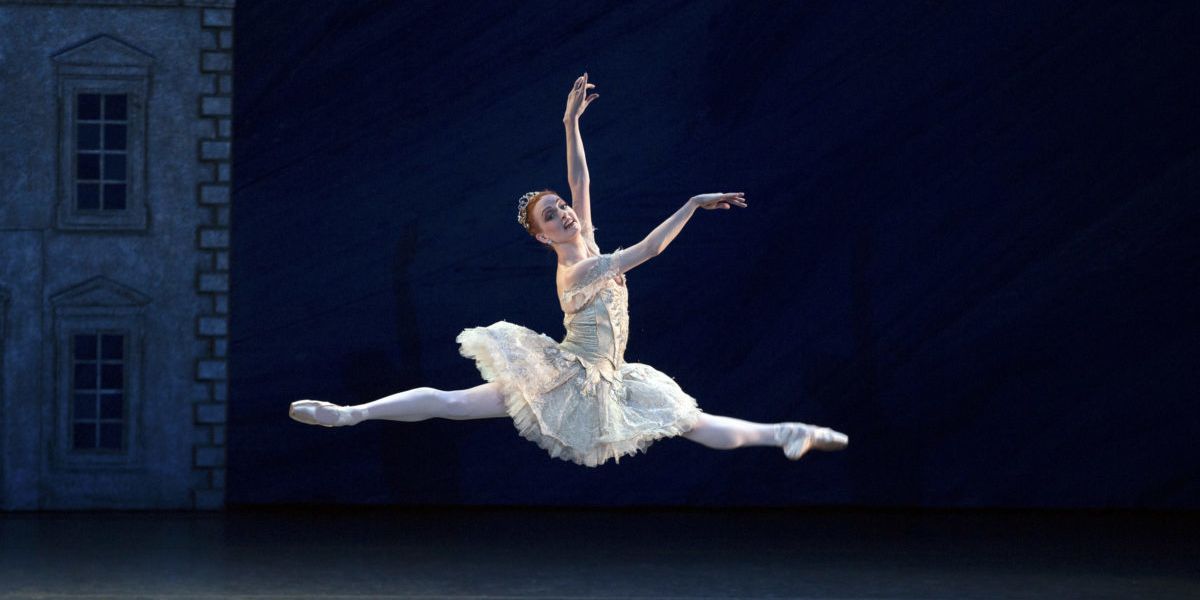
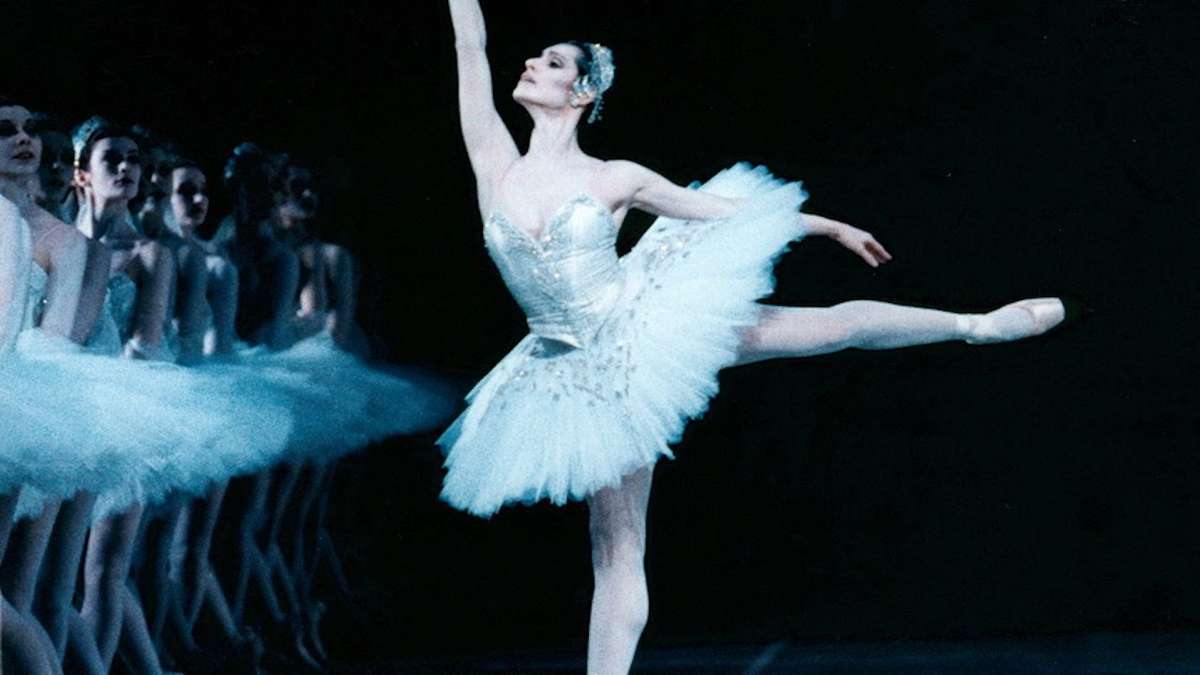
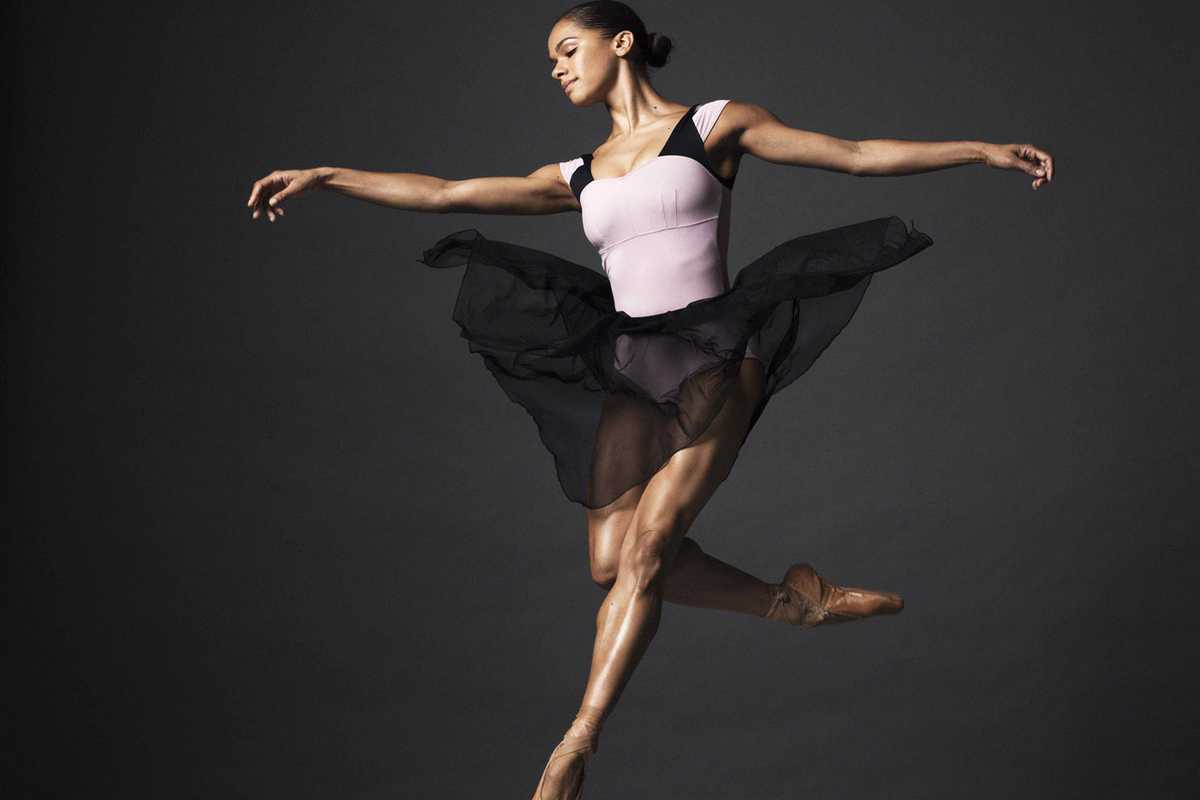
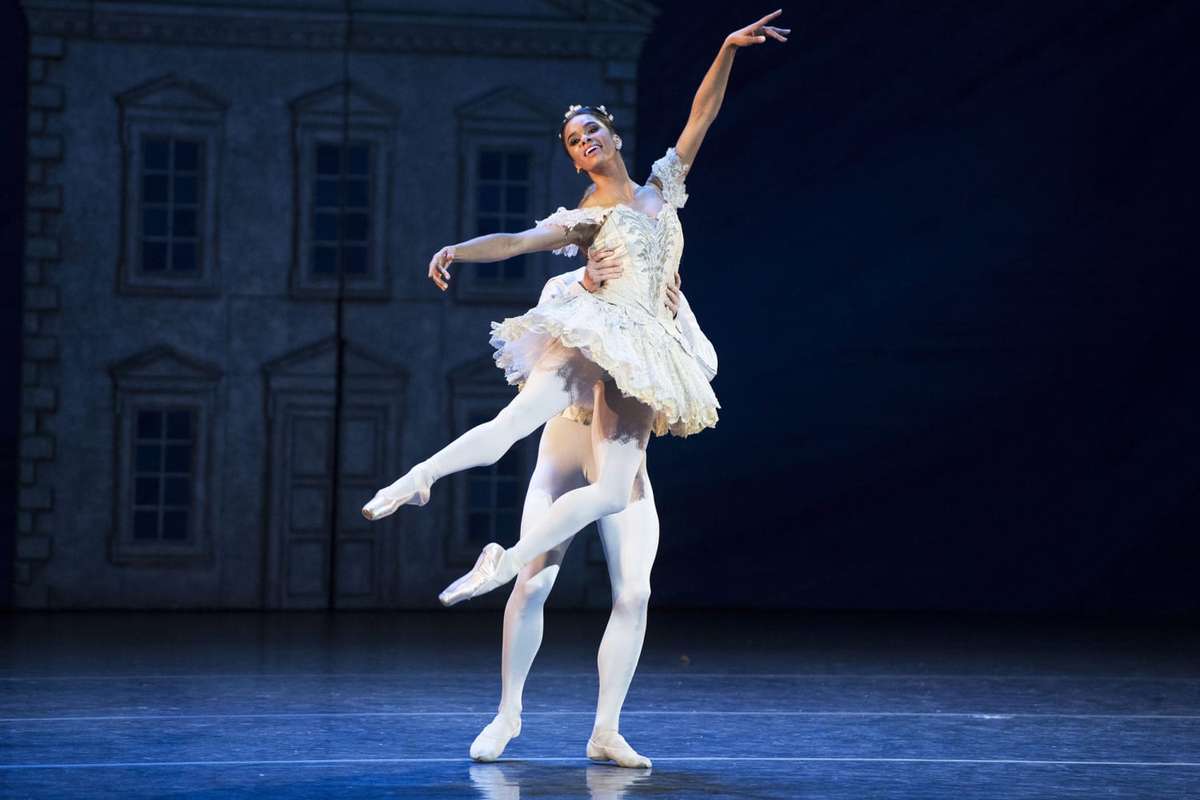
When audiences first encounter a performance by Misty Copeland, the immediate impression is rarely only a single moment of brilliance. Instead, observers note a sustained clarity: clean placement, purposeful line, and a kind of muscular calm that makes difficult passages read as compositional intent rather than athletic display. This quality is a direct consequence of how she presents technical work—as the carrier of meaning rather than an end in itself.
Line, port de bras, and movement quality
Copeland’s approach foregrounds classical technique rebuilt through repetition and conditioning. In public teaching and her MasterClass, she stresses that disciplined reiteration in the studio improves clarity of line and control of port de bras. That repetition aims to produce consistent, reliable movement quality: clean extensions, secure balance, and transitions that prioritize musical phrasing and narrative clarity.
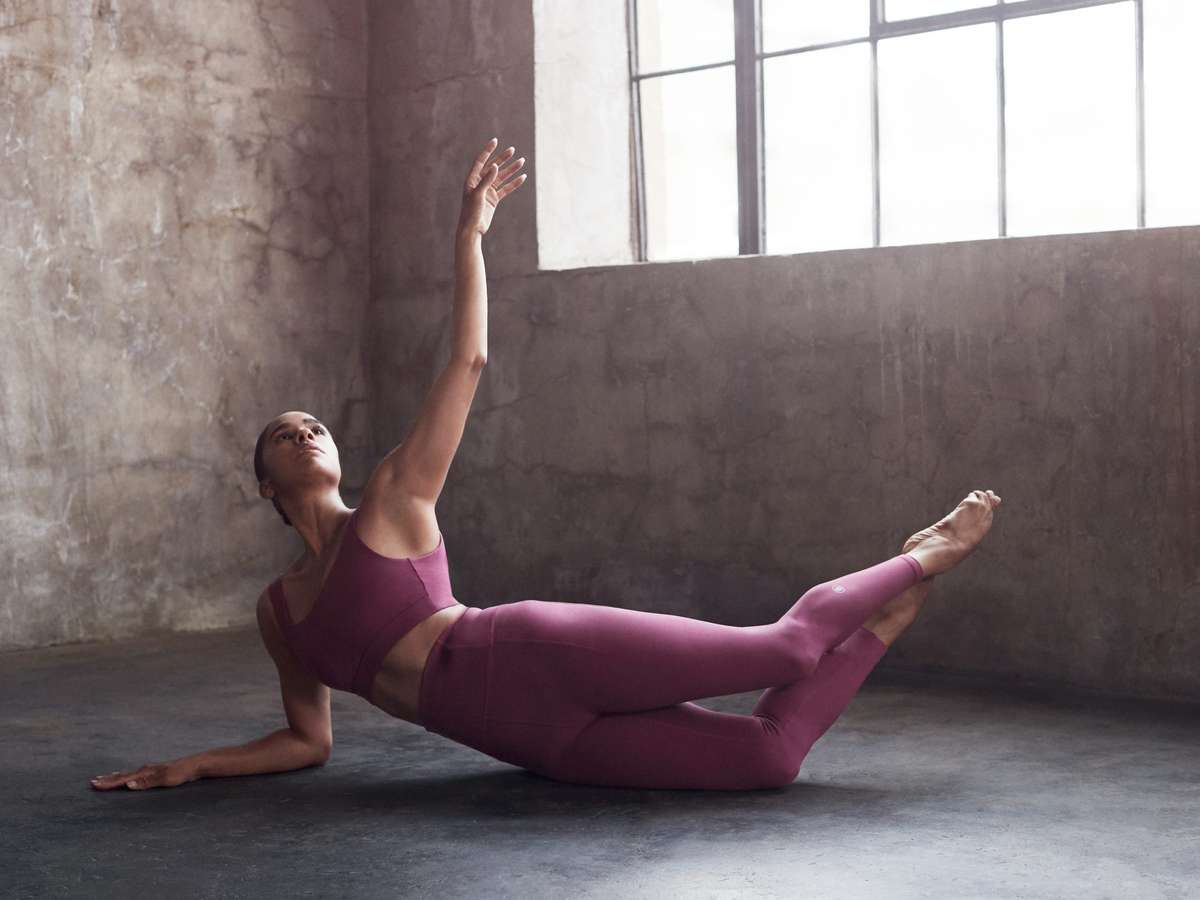
Her book Ballerina Body and related public guidance make the link explicit: conditioning is not decoration but the physical architecture that sustains refined ballet line and the stamina needed for continuous phrasing across an evening’s repertory.
Stage presence and dramatic power
Technical repetition and fitness training feed a particular kind of stage authority. Copeland frames resilience and mental strength as performance tools—discipline in rehearsal translates to a steadiness under pressure onstage. Rather than relying on ephemeral charisma, her dramatic power often reads as the controlled delivery of choices made in rehearsal: an exacting attack, a measured phrase, or a strategically sustained port de bras that privileges storytelling over virtuosic flourish.
Roles and repertoire associations
While this article does not catalogue a repertory, it is meaningful that Copeland’s public teaching and career narrative emphasize classical technique and its dramatic uses. That framing explains why she is often discussed in relation to roles that require both technical clarity and sustained dramatic focus: parts where repetition, stamina and expressive restraint are essential to shape character and arc.
Career turning points and artistic context
Copeland’s own descriptions of rebuilding technique and her documented path through studio company, corps work, and promotion to principal provide the factual anchor for her method. Those career stages—late intensive training, company progression, and public elevation—support the argument that her image was forged by years of disciplined rehearsal and physical preparation, rather than casual giftedness. In interviews and public platforms she repeatedly situates technical rigor and repetition as the instruments of artistic transformation.
What made this dancer distinctive
Three interlocking elements form the core of Copeland’s distinctiveness: (1) a studio philosophy that treats repetition as creative practice, not mere drill; (2) a specific emphasis on conditioning and strength-building to produce a leaner, more resilient performing body; and (3) a public rhetoric that links mental resilience and perseverance to sustained performance quality. Together these elements bend the usual narrative about virtuosity—shifting the focus from isolated spectacular moments to dependable clarity and expressive control.
Why the legacy endures
Copeland’s influence persists because her public pedagogy offers a repeatable model: build technical certainty through repetition, condition the body to maintain that certainty, and cultivate mental resilience to convert rehearsal work into live-expression. This model resonates with dancers and audiences who see ballet increasingly as both athletic craft and narrative art. By insisting that studio discipline is the source of interpretive freedom, Copeland reframes excellence as the product of deliberate practice—an idea that travels beyond any single role or season.
Closing interpretation
Misty Copeland matters because she articulates a coherent artistic thesis: strength and repetition are not merely preparatory, they are expressive. In performance, that thesis shows as a quietly authoritative presence—one built in the studio and made visible onstage. The continued interest in her work comes as much from this disciplined methodology and public pedagogy as from particular performances: she exemplifies a way of making ballet where technical rigor, conditioning, and mental resolve become the language of interpretation.
Author: Alex R.