Marie‑Claude Pietragalla: Theatrical Force and the Making of a Ballet Identity
Marie‑Claude Pietragalla is a dancer whose career was forged at the heart of French ballet training and who became known for a stage identity centred on theatrical intensity. Trained at the Paris Opera school and promoted to étoile after a celebrated Kitri, Pietragalla moved from classical roles into leadership and choreographic projects that foregrounded presence as much as technique.
Understanding Pietragalla matters because her work spans the institutional authority of the Paris Opera and a later, more theatrical practice with Le Théâtre du Corps. Her trajectory illuminates a particular French approach to melding classical discipline with dramatic expression.
Quick answer
Pietragalla matters not simply for classical accomplishments but for how she used Paris Opera training as a platform to make theatrical force central to her artistic identity—later shaping work as a director and co‑founder of Le Théâtre du Corps.
What this portrait explains
- How Pietragalla’s Paris Opera formation and promotion to étoile anchored a classical credibility.
- Why critics and colleagues describe her performing identity as notably theatrical and physically commanding.
- How leadership at Ballet National de Marseille and Le Théâtre du Corps show a shift toward staged theatricality.
First visual and artistic impression
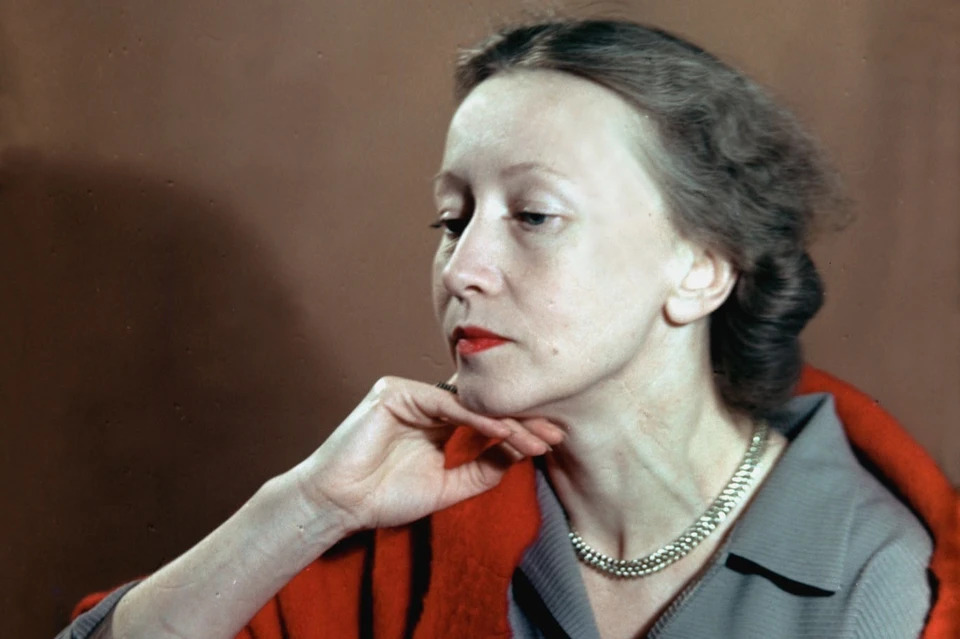
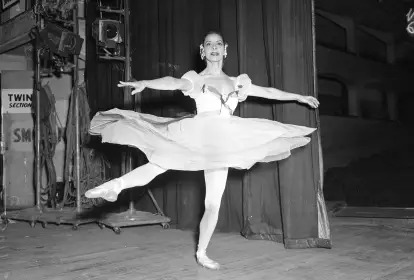
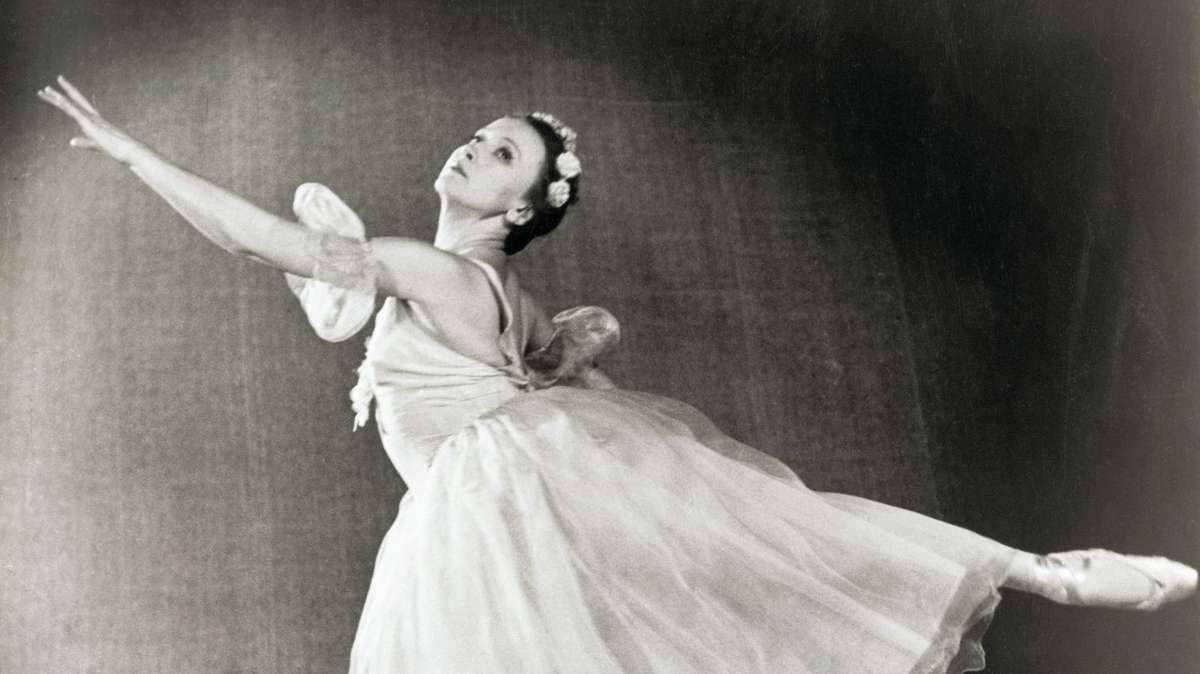
From the first images that circulate in reviews and profiles, Pietragalla registers as a dancer for whom the visual silhouette is inseparable from theatrical intent. Her rise through the École de danse of the Opéra national de Paris and early entry into the company at 16 established a classical foundation. That foundation made her later expressive choices more striking: critics and cultural profiles repeatedly point to a presence that reads simultaneously as technically grounded and dramatically projected.
Line, port de bras and movement quality
Pietragalla’s technical pedigree—shaped by Paris Opera training—provided the formal tools she used to articulate dramatic ideas. Observers have noted how classical line and controlled musical phrasing underpinned gestures that were often more theatrical than decorous. Rather than rely solely on virtuosic display, her movement quality frequently emphasized clarity of intention and dramatic punctuation, a strategy that made classical roles feel like theatrical statements.
Stage presence and dramatic power
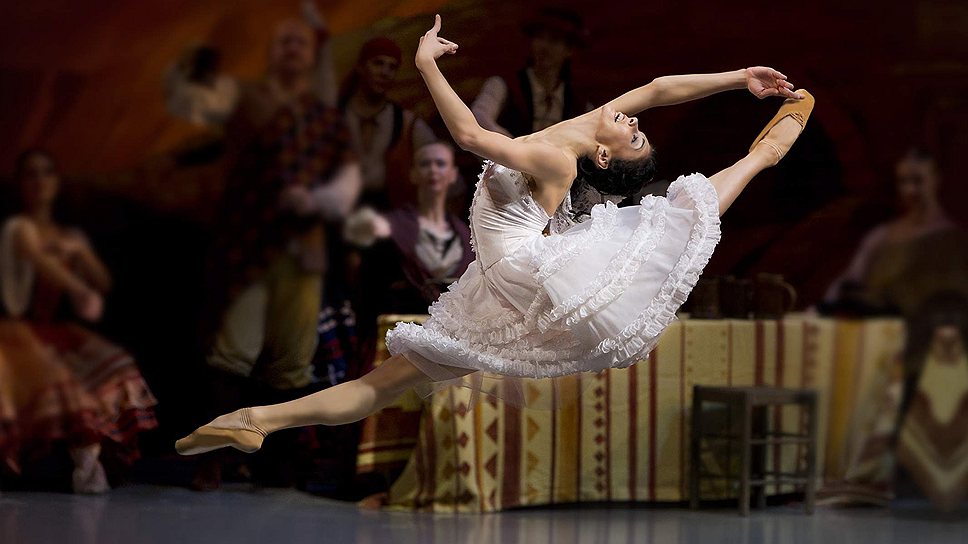
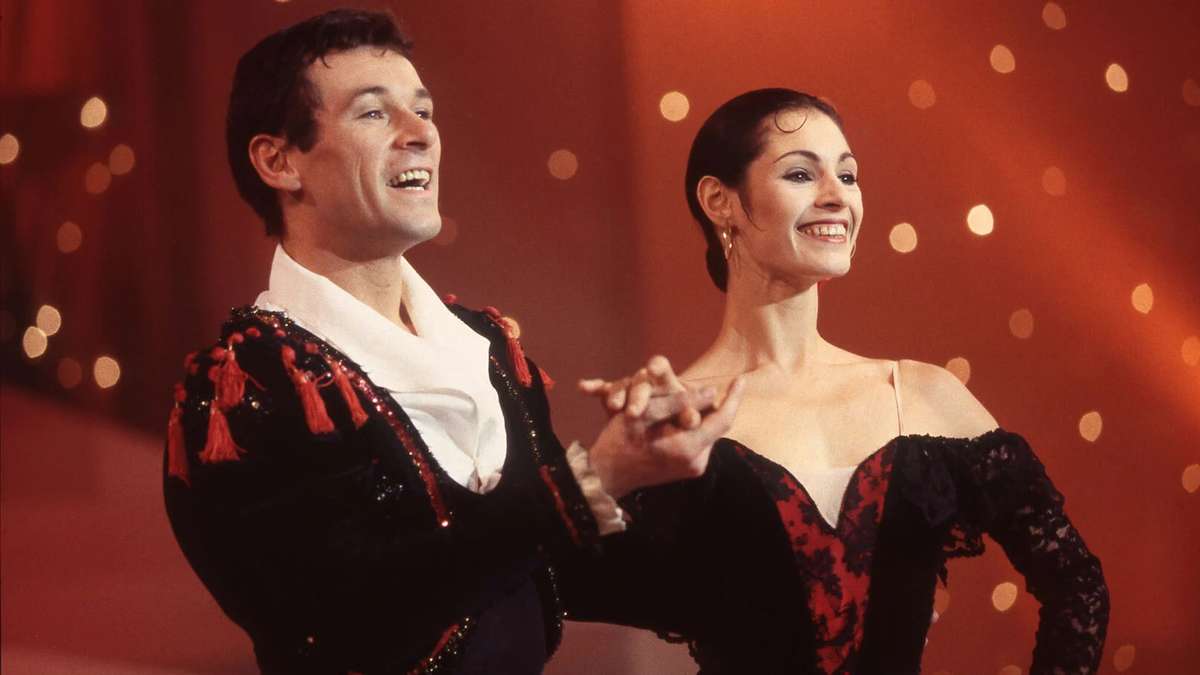
Consistent coverage across interviews and profiles describes Pietragalla as a performer whose stage presence carried particular force. Journalistic and institutional sources characterize her as commanding attention through a blend of focused energy and theatrical ambition. This dramatic orientation helped her inhabit both classical parts—Kitri in Don Quixote was the role tied to her promotion to étoile—and contemporary reinterpretations where psychological and theatrical stakes are heightened.
Roles and repertoire associations
Her promotion to étoile of the Paris Opera on 22 December 1990 after performing Kitri in Don Quixote is a clear factual anchor linking Pietragalla to core classical repertory. Beyond that milestone, profiles and repertory summaries show a career that moved between canonical ballets such as Don Quixote and Swan Lake and more experimental, theatrical projects. This dual orientation—rooted classical technique, presentational theatricality—explains why later staged reinterpretations of classics are a natural extension of her repertory interests.
Career turning points and artistic context
Several verifiable milestones shape the arc of Pietragalla’s public identity. Early: entrance to the Paris Opera school and joining the company as a teenager; peak: promotion to étoile in 1990 tied to Kitri; later: a five‑year directorship at the National Ballet of Marseille beginning in 1998. These steps mark a path from institutional principal dancer to artistic leadership, and they help explain her growing interest in staging and choreographic projects that emphasize theatricality.
What made Pietragalla distinctive
Pietragalla’s singularity rests on a clear conjunction: classical authority plus theatrical ambition. The Paris Opera training gave her technical legitimacy; her instinct for dramatic projection reframed that technique as expressive tool rather than decorative skill. Her co‑founding of Le Théâtre du Corps with Julien Derouault crystallizes this identity—here, choreography and staging deliberately prioritize physical presence and theatrical gesture as primary compositional elements.
Why the legacy endures
Pietragalla’s lasting relevance is not simply archival fame but a model of how a classically trained dancer can pivot toward theatrical authorship while retaining technical seriousness. Her work as a company director and creator, and the public discussion around solo shows and books that address dance and identity, extend her influence into how dancers and audiences think about personality, theatricality, and the boundaries between classical and contemporary performance.
Closing interpretation
Marie‑Claude Pietragalla offers a useful study in how presence can be as decisive an artistic tool as pas de deux or pirouette. Her career—anchored by Paris Opera training, marked by an étoile promotion for Kitri, extended through company leadership and the founding of Le Théâtre du Corps—maps a trajectory from technical excellence to theatrical authorship. For students of performance culture, she remains relevant because she models a particular French strand of ballet in which disciplined line and overt dramatic intent coexist and inform each other.
Author: Alex R.