Misty Copeland: Technique, Control, and a Cultural Shift on the Ballet Stage
Misty Copeland is a principal dancer whose presence on the American Ballet Theatre stage combined unmistakable technical control with athletic clarity. Her rise to principal in June 2015 marked a historic moment for ABT; equally important is how her work reframed public conversations about who ballet can represent and how technical labor underpins expressive freedom.
What defines this dancer
Copeland's image is shaped by disciplined rehearsal, visible technical precision, and a public role that connected performance excellence to broader conversations about access and representation in ballet.
What this portrait explains
- How repetition, correction and automatization create room for interpretation on stage.
- Why Copeland's athletic clarity is also a communicative device for audiences.
- How a historic company promotion amplified her cultural significance without replacing the technical story.
First visual and artistic impression
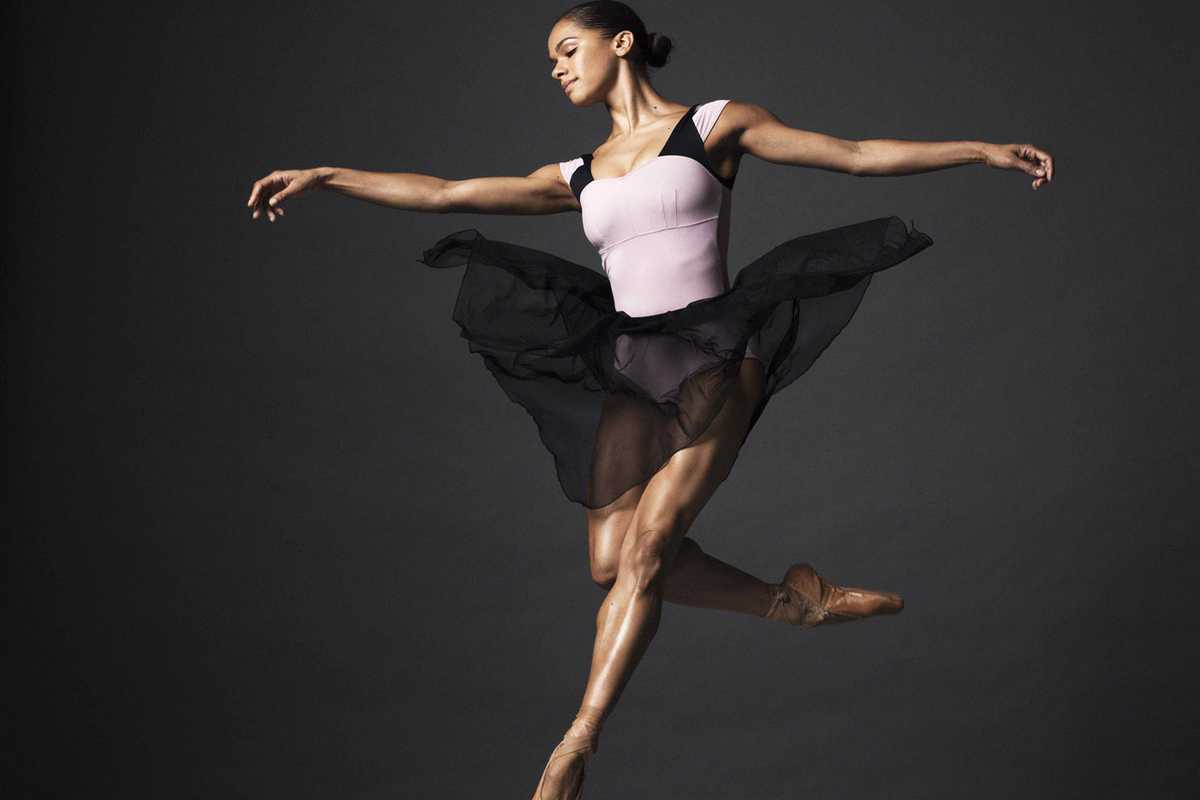
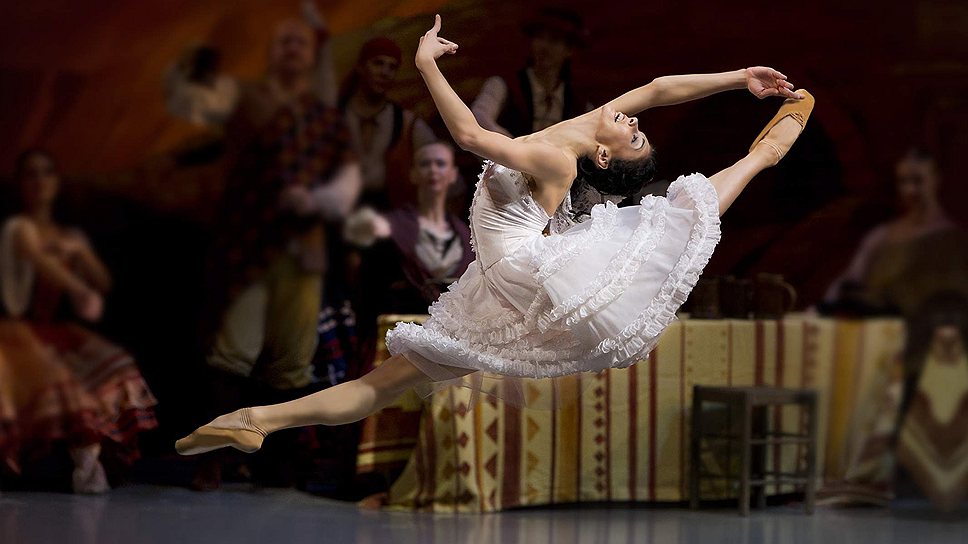
Onstage, Misty Copeland registers first as a study in controlled energy. Reviews and profiles consistently note a clarity of attack and a tautness of line that reads as athletic rather than florid. That visual shorthand—precision married to muscular ease—makes her movements legible to an audience that may not be trained to parse classical technique.
Movement quality, repetition, and the labor behind performance
Copeland has spoken and written about the work behind performance: long hours of rehearsal, correction, and the kinds of repetition that render difficult technique automatic. This process—correction feeding repetition until movement becomes reliable—lets the dancer redirect conscious effort toward intention and nuance when the curtain rises. The technical automatization is therefore not an end in itself but the platform that permits interpretation.
Stage presence, visual perception, and intention
Precision and athletic control change what the spectator sees. When execution is certain, subtler choices—phrasing, slight adjustments of port de bras, a softened épaulement—become readable signals. For Copeland, the visible economy of movement serves both clarity and dramatic intent: the audience perceives both the effortlessness and the deliberate shaping of each phrase.
Roles, repertoire associations, and a historical anchor
While this portrait focuses on artistic identity rather than a catalogue of parts, two factual anchors are important. Copeland's promotion to principal dancer at American Ballet Theatre in June 2015 is a concrete career milestone that amplified attention to her repertory work and public voice. That institutional context—principal at a major American company—helps explain how technical choices onstage reached a larger cultural audience.
What made this dancer distinctive
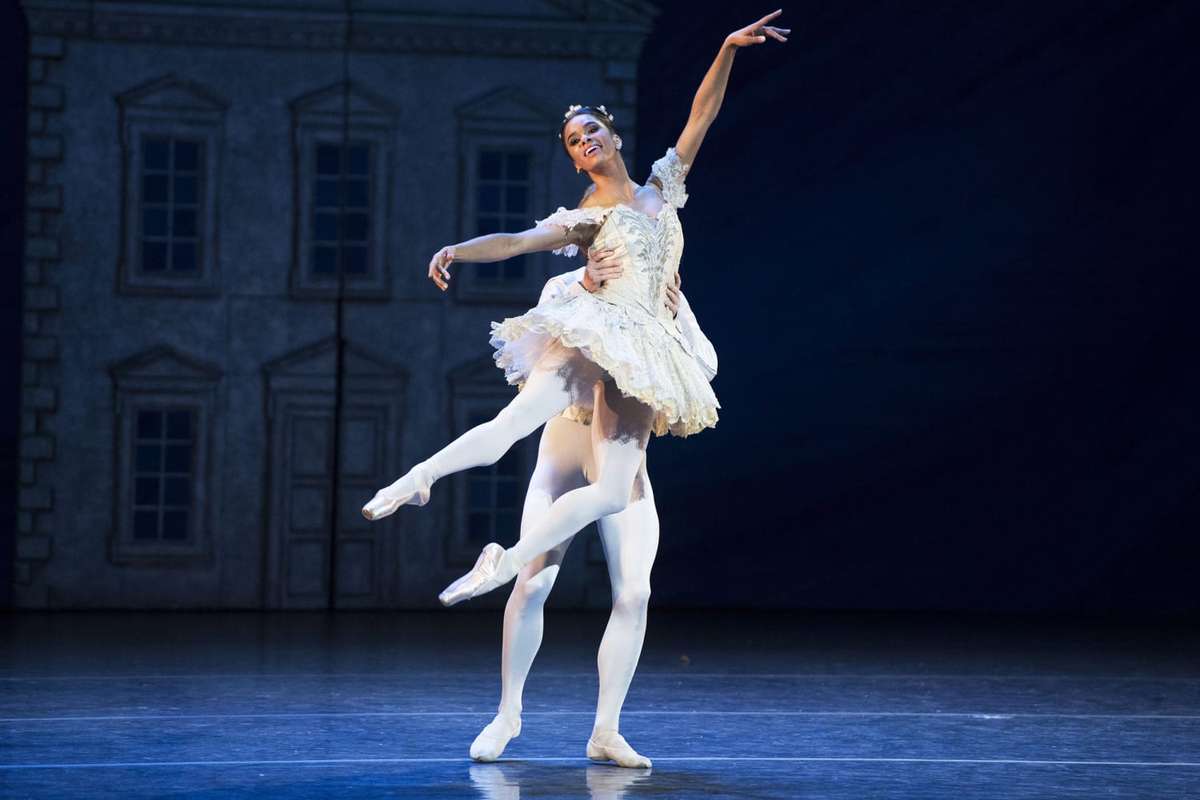
The distinctive combination here is procedural and visible: a commitment to the corrective process of training that produces automatisation, coupled with a stage quality that reads as both athletic and controlled. This is not merely about powerful jumps or secure balances; it is about the way disciplined technique clarifies musical and dramatic choices so that a motion reads as intention rather than display.
Why the legacy endures
Copeland's public profile—shaped by a historic promotion and sustained commentary on training, race, and access—means her artistic profile reaches beyond the usual ballet audience. When a dancer articulates the link between rehearsal practice and performance freedom while standing at a visible institutional crossroads, that argument carries forward: younger dancers and wider audiences can see how technique enables interpretation and how representation reshapes cultural expectations.
Closing interpretation
Misty Copeland matters because her career stitches together three often-separated threads: rigorous technical work, a stage image of athletic control, and an expanded cultural conversation about who belongs in ballet. The lesson her example offers is practical and artistic: disciplined correction and repetition are not merely technical chores; they are the necessary precondition for meaningful interpretation onstage—and for making ballet legible and relevant to a broader public.
Author: William L.