Marie Taglioni and the Birth of the Romantic Ballerina Image
Marie Taglioni stands at the center of the story historians tell about the birth of the Romantic ballerina. Her association with La Sylphide—created for her by her father Filippo Taglioni and premiered at the Paris Opéra on 12 March 1832—helped define a new stage ideal where weightlessness, costume, and pointe work combined into a recognisable Romantic image.
This article traces how that image was constructed: the artistic collaboration that produced La Sylphide, the early Romantic vocabulary of the ballet blanc, the aesthetic meaning given to dancing en pointe, and the broader stage imagination of the 1830s and 1840s that contrasted Taglioni's ethereal presence with other contemporary figures. The aim is to show how an onstage identity formed through repertory, costume, and an interpretive shift in what ballet could represent.
The career in one view
Taglioni's creation of the sylph in Filippo Taglioni's La Sylphide (Paris, 12 March 1832) crystallised a Romantic ballerina ideal: shortened romantic skirts, an ethereal stage persona, and pointe work used for expressive lightness rather than only virtuosity.
What this article explains
- How La Sylphide (1832) functioned as a turning point for ballet's Romantic era.
- Why Taglioni's pointe work was reframed as an aesthetic device of lightness.
- How costume and stage imagination together produced the 'ballet blanc' silhouette.
EARLY FORMATION
The defining moment for Taglioni's public identity arrived with La Sylphide, a work created by her father Filippo Taglioni. The ballet’s premiere at the Paris Opéra on 12 March 1832 placed Marie Taglioni at the forefront of a shifting aesthetic. That context—an explicitly crafted role designed for a single dancer—laid the groundwork for an image that would come to stand for Romantic ballet itself.
LA SYLPHIDE AND THE ROMANTIC MOMENT
La Sylphide is widely regarded by dance historians as the work that launched the Romantic era in ballet. Its mood, dramaturgy, and stage design promoted the idea of otherworldly female figures gathered together in white costumes—the so-called "ballet blanc." The Paris 1832 premiere is conventionally cited as the origin point for this new repertory language.
POINTE AS SYMBOL AND STYLE
One of the most important shifts associated with Taglioni's performance was the redefinition of pointe work. Where earlier usage often emphasised trickery or acrobatic display, Taglioni's dancing in La Sylphide attached an aesthetic meaning to dancing en pointe: it became a device for suggesting weightlessness and ethereality. That reframing helped make pointe technique central to Romantic stage expression rather than a mere technical feat.
COSTUME AND STAGE IMAGINATION
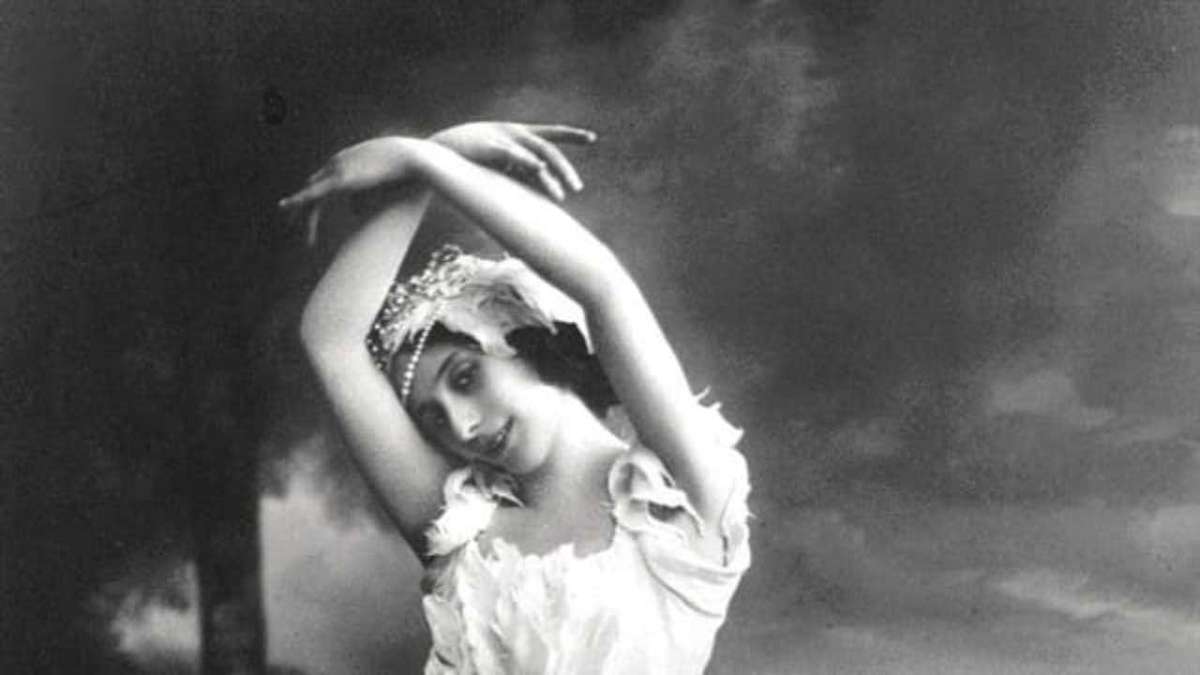
Taglioni's stage attire in La Sylphide—shortened, bell-shaped skirts that later became recognised as an early form of the Romantic tutu—worked with her movement to create a new silhouette. The combination of costume and lifted, light quality of movement established a visual shorthand for the sylph-like ballerina that audiences and critics of the period associated with the Romantic aesthetic.
RECEPTION AND CONTRAST
Contemporary accounts and subsequent scholarship often set Taglioni’s ethereal style against other dancers of the period. That contrast helped crystallise what the new feminine ideal in ballet looked like during the 1830s and 1840s: Taglioni embodied an elevated, sylph-like presence that came to stand as one pole of Romantic taste, particularly within the ballet blanc tradition established after La Sylphide.
VARIANTS AND LIVING VERSIONS
While the 1832 Paris version of La Sylphide is regarded as the origin of the Romantic sylph role, later stagings—most notably August Bournonville’s distinct 1836 Copenhagen production—created separate performance traditions. The existence of those different versions underlines how a single role can seed diverse interpretive lineages while still tracing back to Taglioni’s original influence.
WHY THE LEGACY ENDURES
Marie Taglioni’s association with La Sylphide supplies a clear anchor for her place in ballet history. The production did more than popularise a ballet: it reconfigured how audiences perceived female dancers on stage—introducing an aesthetic of lightness, a new costume silhouette, and a symbolic use of pointe work. Those elements shaped repertory, pedagogy, and visual culture in ballet long after the premiere.
CLOSING INTERPRETATION
Seen as a coordinated artistic invention—choreography, costume, technique, and a carefully crafted stage persona—Taglioni’s sylph was not simply a role but a template. Through La Sylphide, the Romantic ballerina image became a durable form of theatrical expression: an aesthetic constructed as much by staging and costume as by steps on pointe. That construction explains why Taglioni’s name remains central to discussions of nineteenth-century ballet and the origins of the ballet blanc.
Author: Eric M.