Top 10 Most Beautiful Ballets of All Time
This editorial ranking selects the top 10 most beautiful ballets of all time — works repeatedly cited by reputable outlets and institutions as central to the classical canon. Rather than claiming a single objective order, this list weighs repertory presence, musical and choreographic stature, visual identity, and cultural memory to produce a defensible, debate-worthy sequence.
How this ranking was built
This order emphasizes documented legacy across reputable media and institutional histories: repeated appearance in curated lists, centrality in company repertories, recognisability of music and stage images, and long-term cultural memory. Exact premiere dates or production counts are not asserted here; the list reflects the titles most consistently named by expert outlets.
What this ranking highlights
- Classic ballets whose music and choreography form the backbone of the repertory.
- Works often described by broadcasters and critics as particularly beautiful or iconic.
- Pieces with strong visual identities and enduring audience recognition.
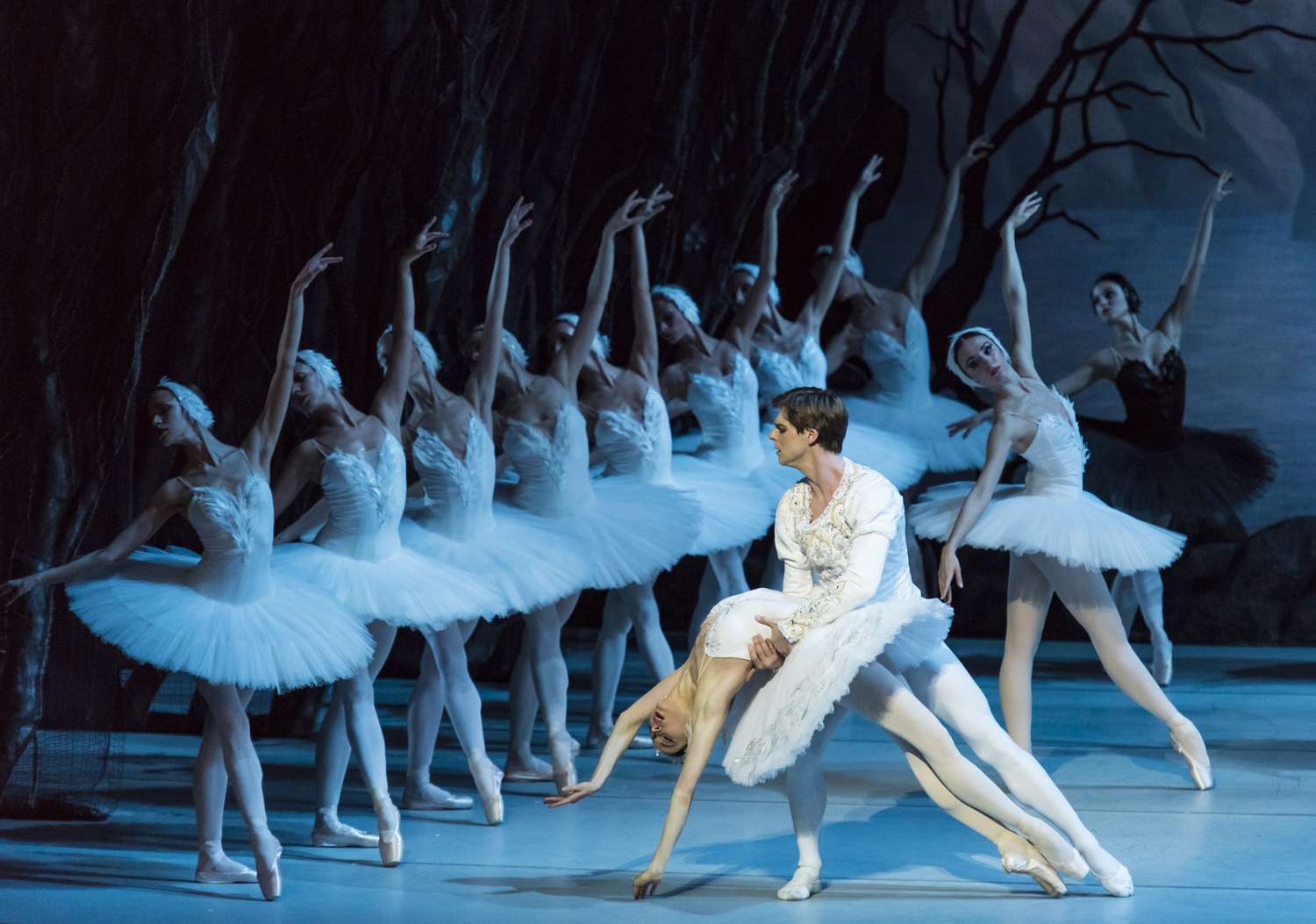
10. Swan Lake
🩰 Rank: #10 · 🎼 Key note: Tchaikovsky score prominence · 🎭 Why it matters: Iconic, frequently staged classic
Swan Lake is repeatedly cited by classical-music and dance outlets as one of the most iconic and frequently staged ballets worldwide. Its musical themes and the dramatic image of swans on stage have become shorthand for classical ballet in public imagination, which earns it a place on any 'most beautiful' list.
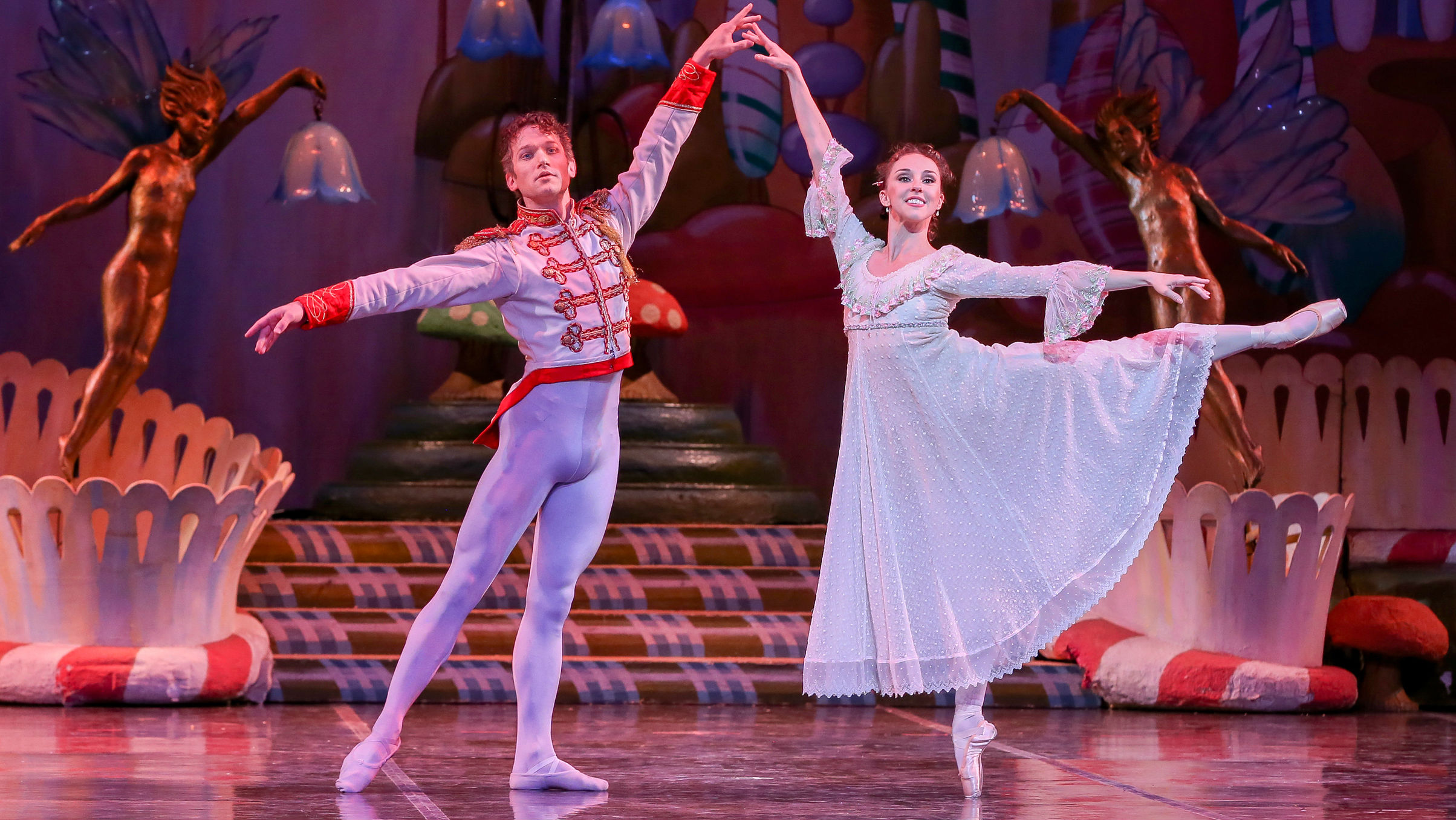
9. The Nutcracker
🩰 Rank: #9 · 🎼 Key note: Seasonal repertory staple · 🎭 Why it matters: Most-performed ballet in many seasonal programmes
The Nutcracker is widely described as the most-popular, most-performed ballet in many seasonal repertoires. Its familiar score and colourful stage spectacle make it one of the ballets most audiences recognise, contributing to its reputation for beauty and wonder.
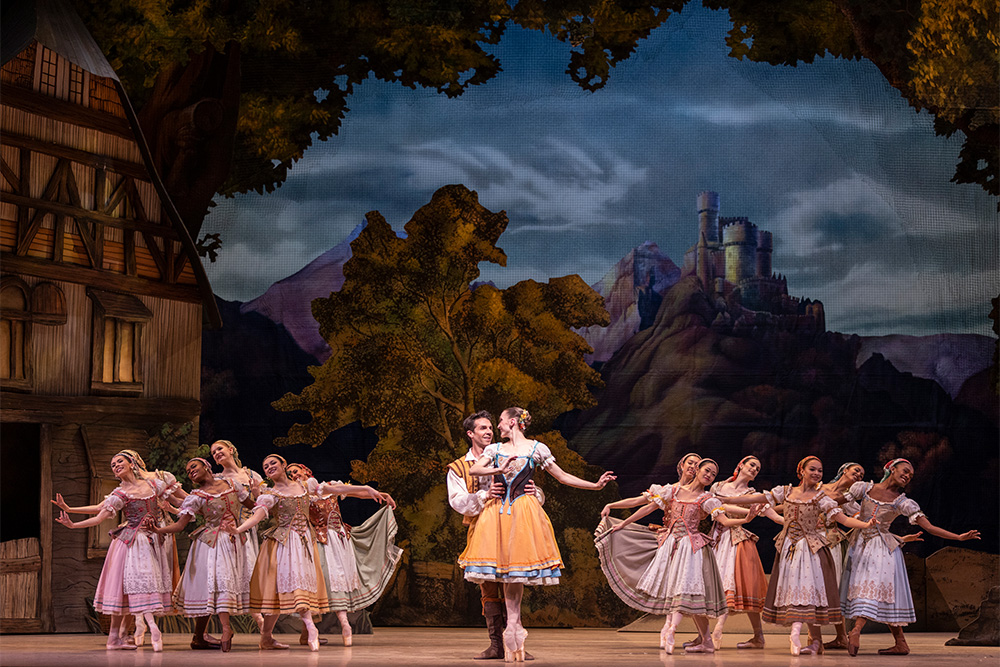
8. Giselle
🩰 Rank: #8 · 📅 Key note: Romantic-era masterpiece · 🎭 Why it matters: Foundational dramatic ballet in the canon
Giselle is regularly named by authoritative broadcasters and classical-music platforms as a foundational Romantic masterpiece. Its tragic love story, ethereal second-act atmosphere and enduring place in company repertories secure its reputation as one of ballet’s most hauntingly beautiful works.
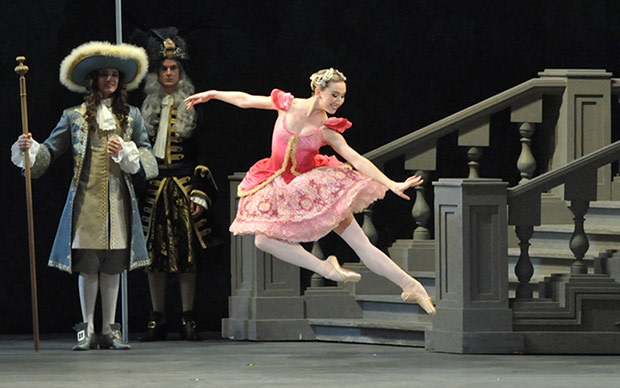
7. The Sleeping Beauty
🩰 Rank: #7 · 🎼 Key note: Tchaikovsky score frequently celebrated · 🎭 Why it matters: Core classical repertory work
The Sleeping Beauty commonly appears in institutional histories and curated lists as a core work of the classical repertory. Its formal structure, grand court scenes and celebrated music contribute to a distinctly classical ideal of beauty on stage.
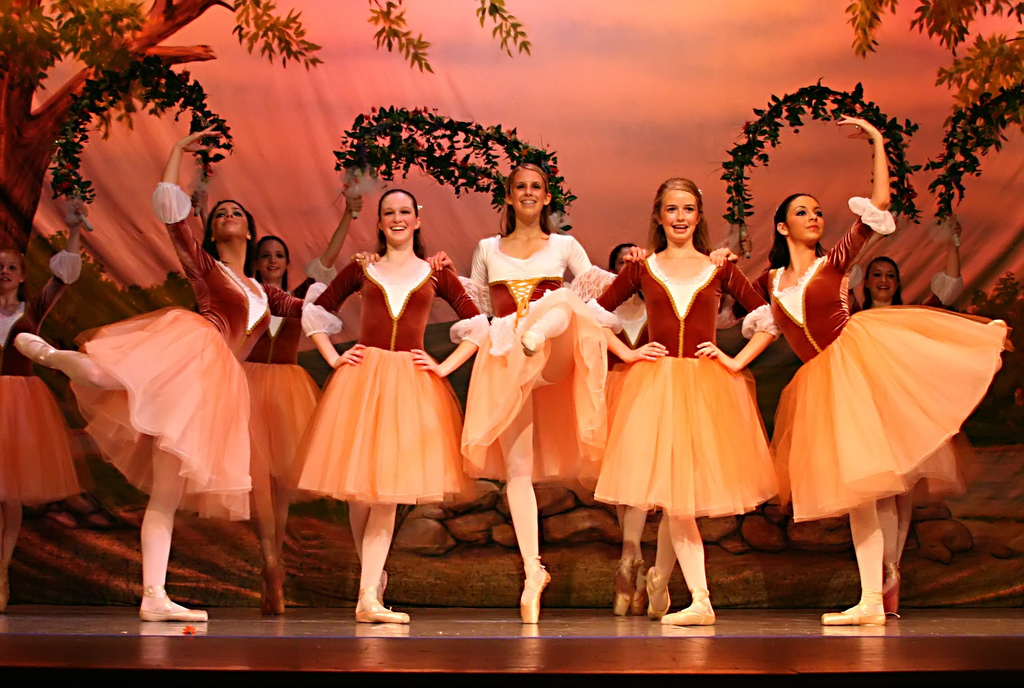
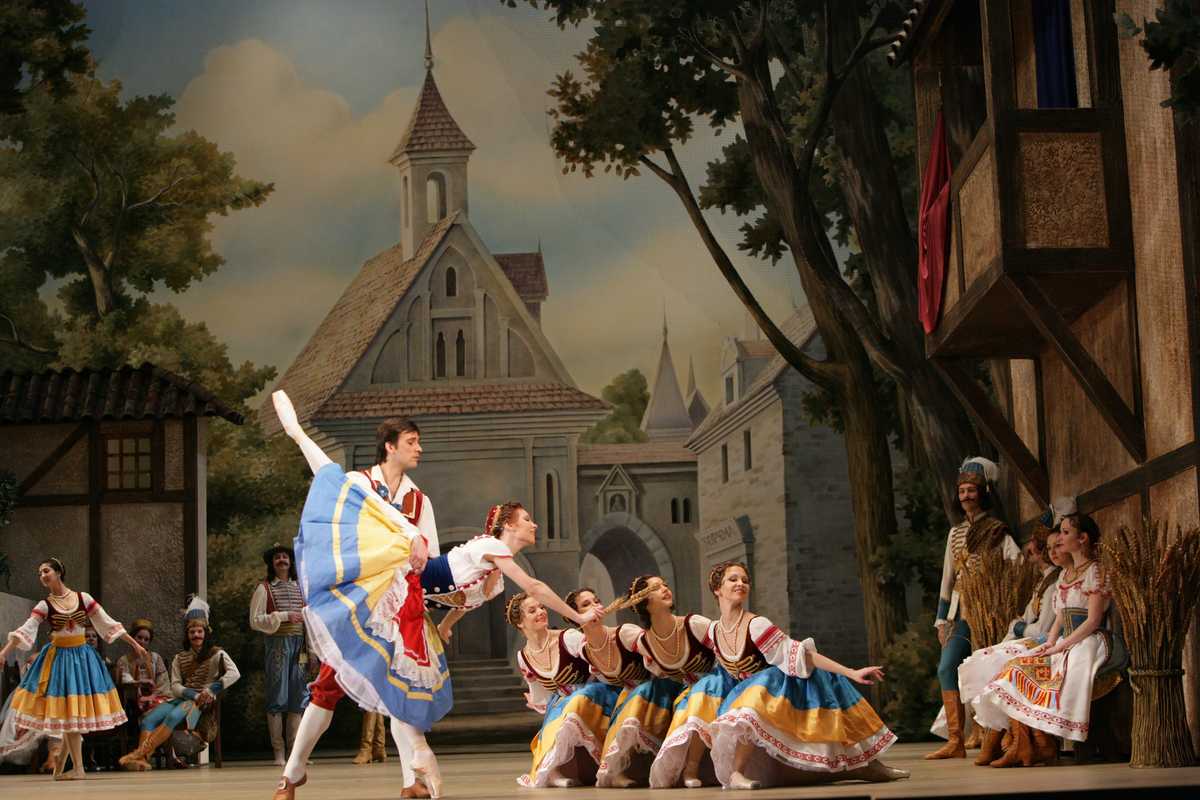
6. Coppélia
🩰 Rank: #6 · 📅 Key note: Frequently listed among classical greats · 🎭 Why it matters: Charming, character-driven stage beauty
Coppélia is often grouped with the greatest ballets by broadcasters and curators. Its light, characterful choreography and theatrical narrative provide a contrasting kind of beauty to the grand mythic or romantic works — approachable, witty and visually appealing.
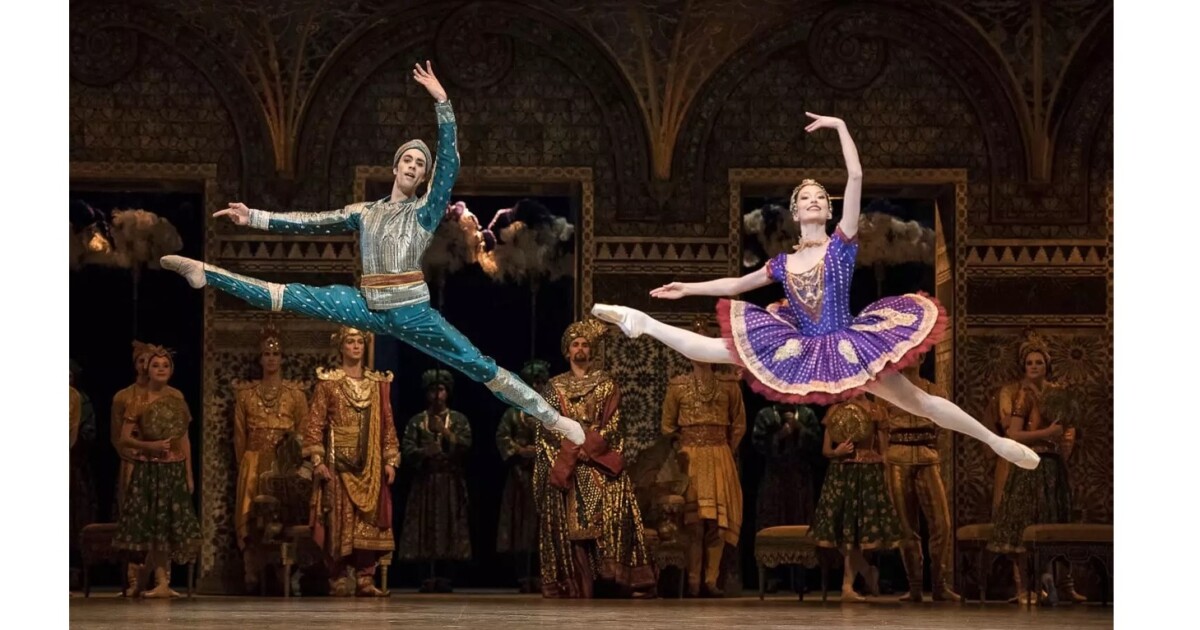
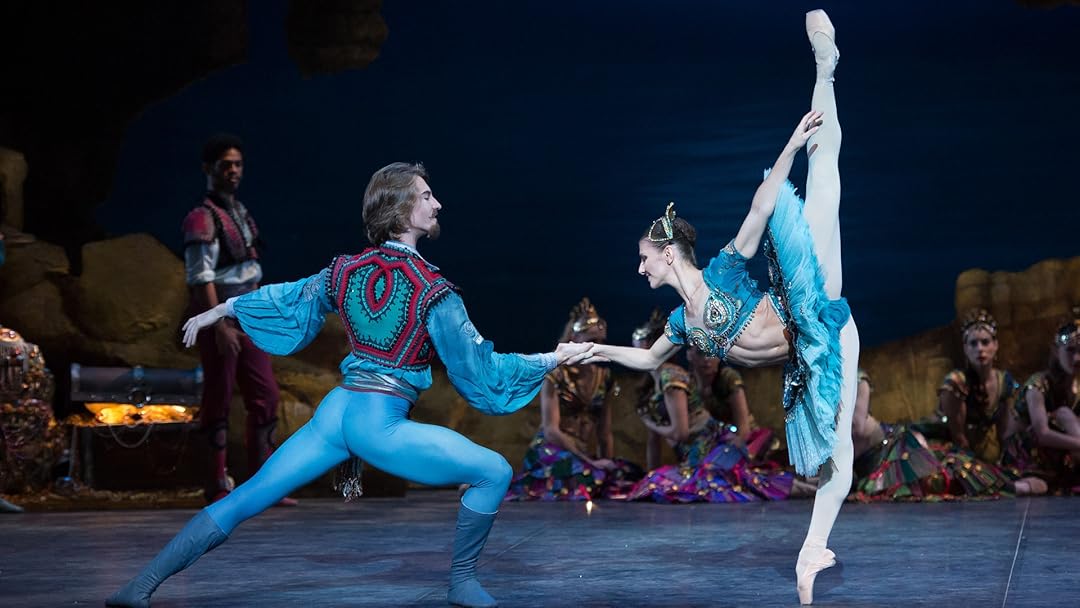
5. La Bayadère
🩰 Rank: #5 · 🎭 Key note: Noted for exotic tableau and corps imagery · ⭐ Why it matters: Visual spectacle and corps de ballet moments
La Bayadère frequently appears in curated lists of beautiful ballets because of its striking stage tableaux and corps de ballet set-pieces. The ballet’s visual atmosphere and choreographic tableaux remain influential in discussions of classical stage beauty.
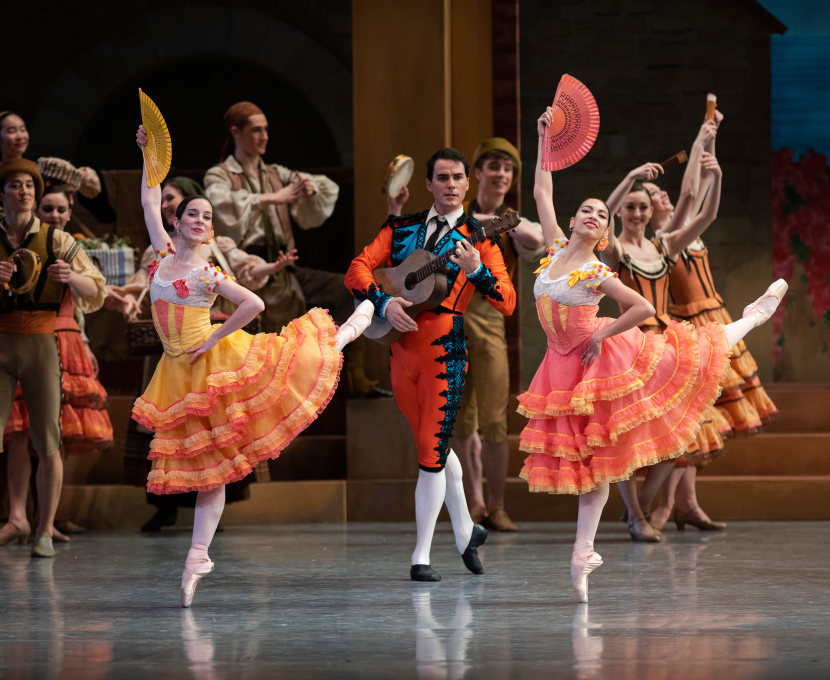
4. Don Quixote
🩰 Rank: #4 · 🎭 Key note: Known for bravura and vivacious choreography · ⭐ Why it matters: Virtuosic stage beauty and comic energy
Don Quixote often makes 'best of' lists for its joyous virtuosity and lively stage images. Its combination of technical fireworks and colourful choreography creates a visually arresting kind of beauty distinct from Romantic or courtly ballets.
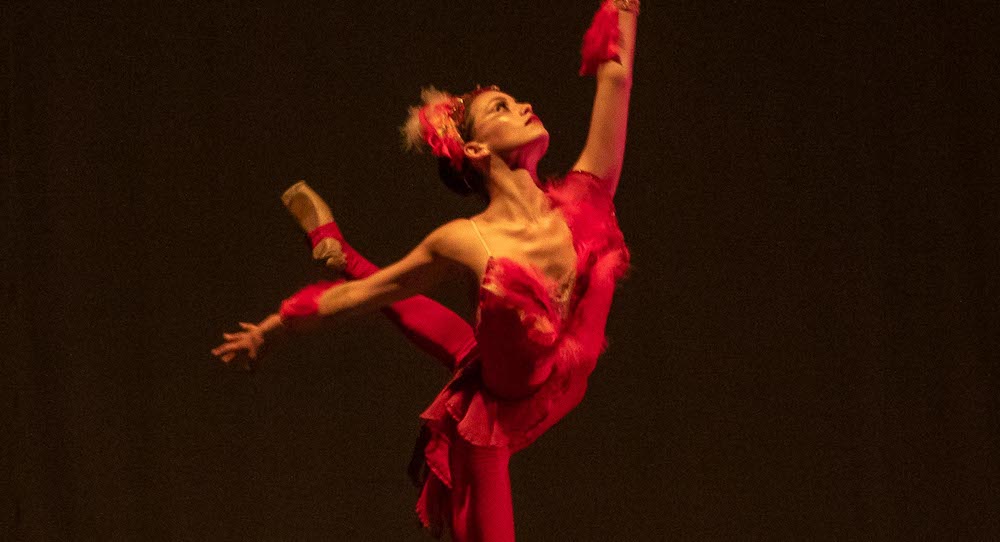
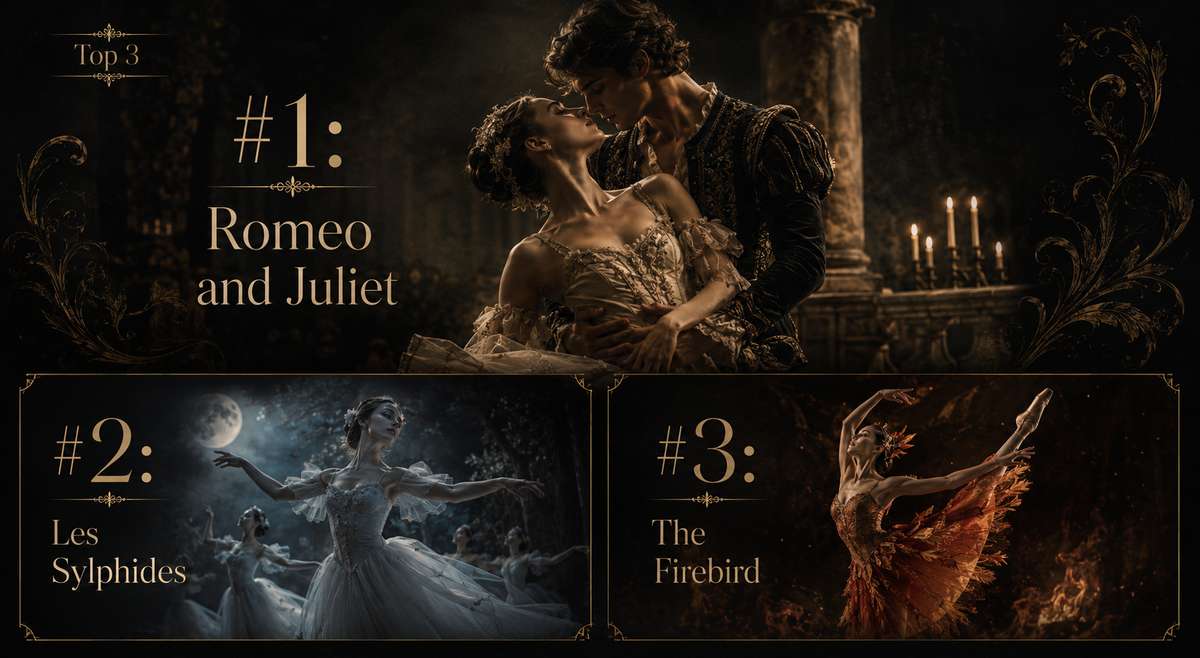
3. The Firebird
🩰 Rank: #3 · 🎼 Key note: Stravinsky score celebrated in music lists · 🎭 Why it matters: Mythic atmosphere and orchestral colour
The Firebird is singled out by classical-music coverage for its striking score and theatrical colour. Its mythic story and vivid musical orchestration give it a special, evocative beauty that has resonated with choreographers and audiences alike.
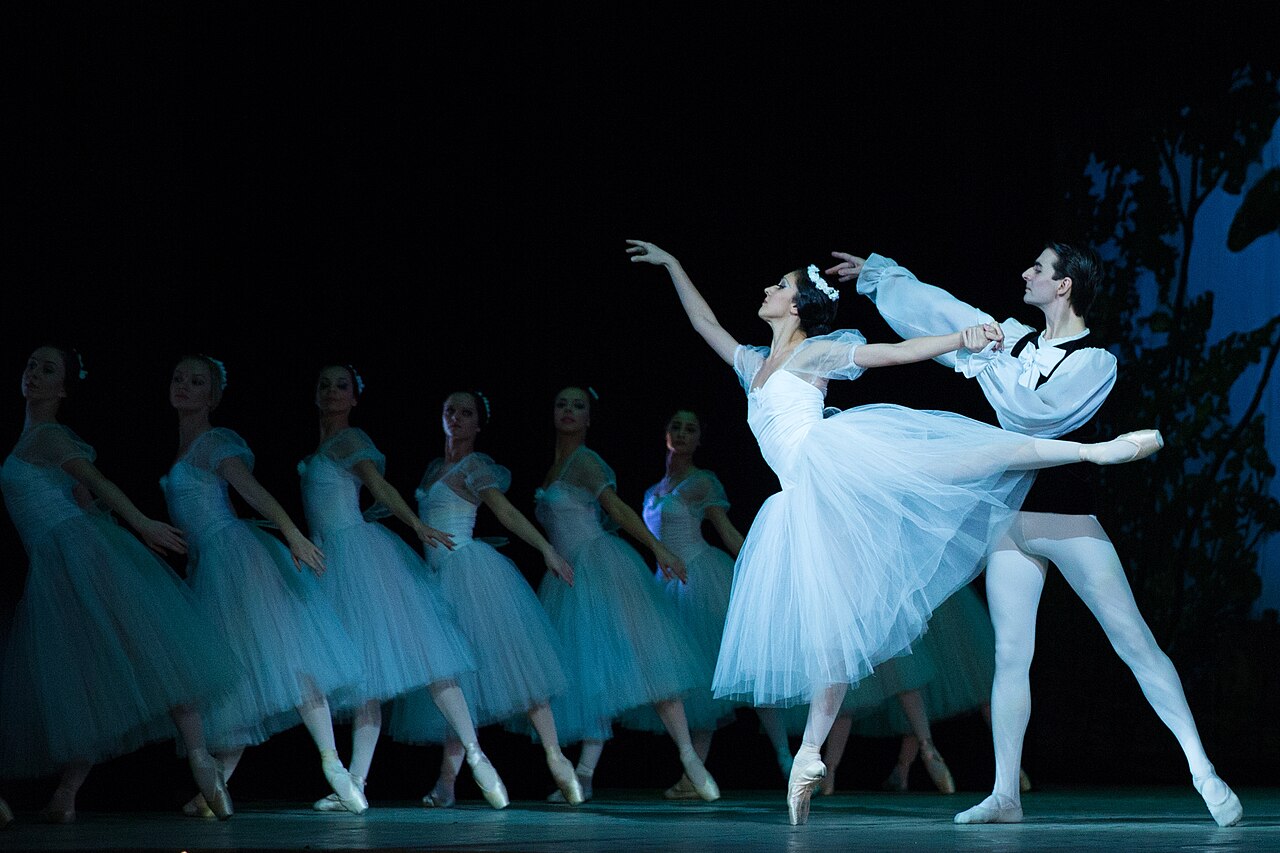
2. Les Sylphides
🩰 Rank: #2 · 🎼 Key note: Often presented as a short, poetic white-act ballet · 🎭 Why it matters: Purely lyrical, atmospheric beauty
Les Sylphides is highlighted by curators and broadcasters as a lyrical, mood-driven work whose pared-down, white-act aesthetic exemplifies a pure kind of ballet beauty. Its emphasis on poetic movement and atmosphere makes it central to conversations about visual and musical grace in dance.
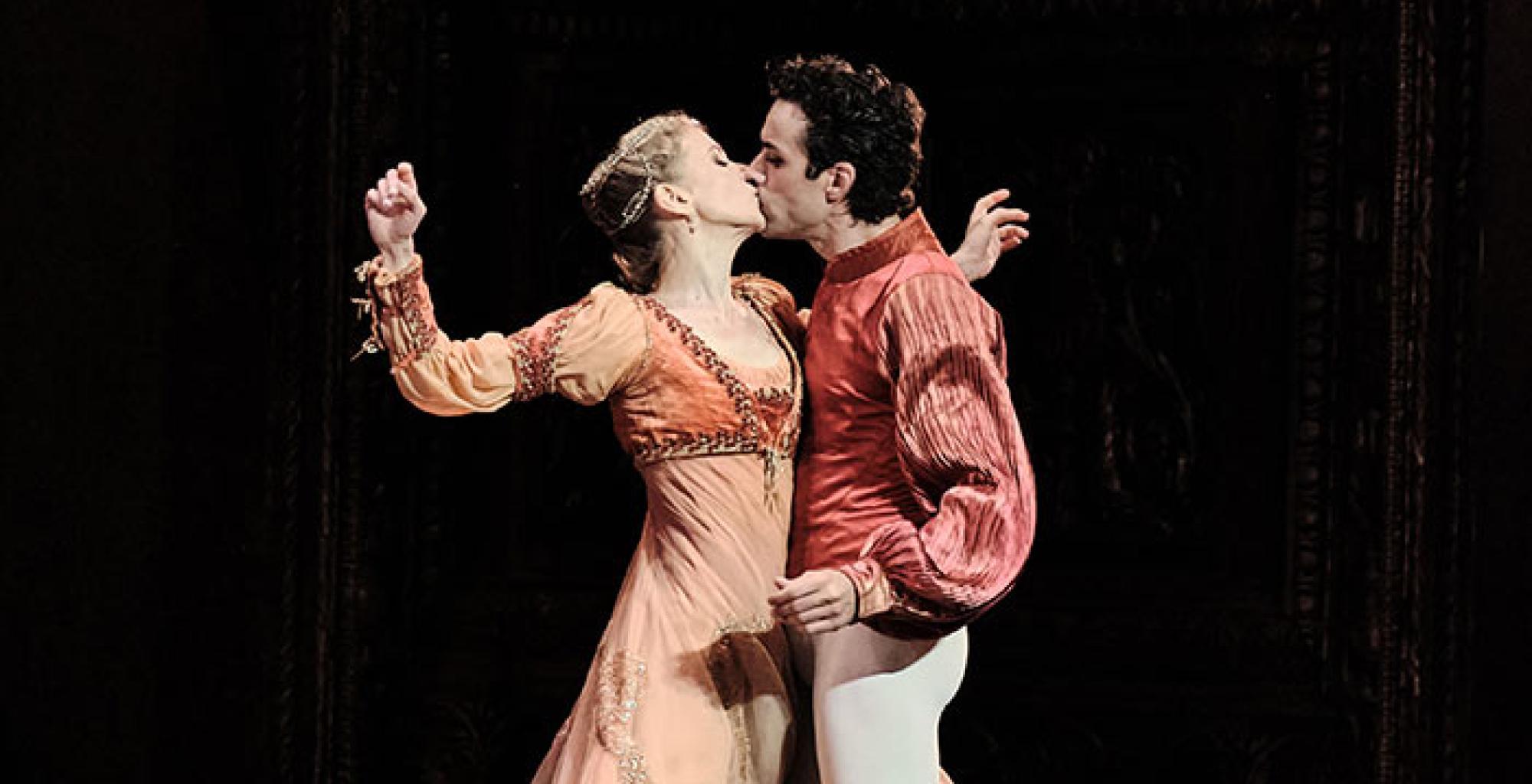
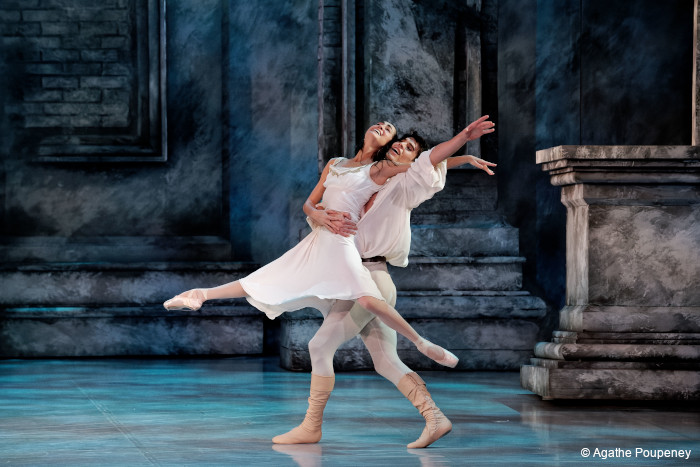
1. Romeo and Juliet
🩰 Rank: #1 · 🎼 Key note: Frequently named for its dramatic score and emotional sweep · 🎭 Why it matters: Powerful dramatic romance and musical intensity
Romeo and Juliet tops this list as an exemplar of balletic beauty rooted in dramatic intensity and musical eloquence. Frequently included among the most beautiful ballets by reputable outlets, its tragic romance and stirring stage moments combine narrative passion with choreography and score in ways that consistently move audiences and critics.
What this ballet ranking tells us
Lists of the most beautiful ballets vary by author because 'beauty' in ballet can mean lyrical purity, dramatic intensity, choreographic spectacle, musical richness, or cultural familiarity. This selection draws on titles that repeatedly surface in curated lists and institutional histories: some favour ethereal Romanticism (Giselle, Les Sylphides), others grand classical spectacle (The Sleeping Beauty, Swan Lake), and others find beauty in virtuosic energy or orchestral colour (Don Quixote, The Firebird).
Ultimately, the order is editorial and intentionally discussion-provoking: if you prize lyrical atmosphere more than seasonal popularity, your own top ten will differ. That disagreement is exactly why these repertoire conversations continue to matter for dancers, companies, and audiences.
Author: Cynthia D.