Top 10 Greatest Ballerinas of All Time
This list ranks the Top 10 Greatest Ballerinas of All Time by combining documented historical stature, repertory influence, technical and dramatic reputation, and lasting cultural memory. The aim is editorial: to present a defensible sequence of artists whose names recur in authoritative sources and public roundups when critics and historians discuss the best ballerinas ever.
How this ranking was built
This order weighs documented legacy in reference works and major roundups, repertory impact (signature roles and association with canonical works), technical and dramatic reputation recorded in authoritative sources, and the cultural memory that keeps a dancer’s name in histories and retrospectives.
What this ranking highlights
- Why certain names recur across encyclopedias and major press roundups.
- How repertory presence and dramatic identity shape a ballerina’s legacy.
- Connections between national school, company association, and enduring reputation.
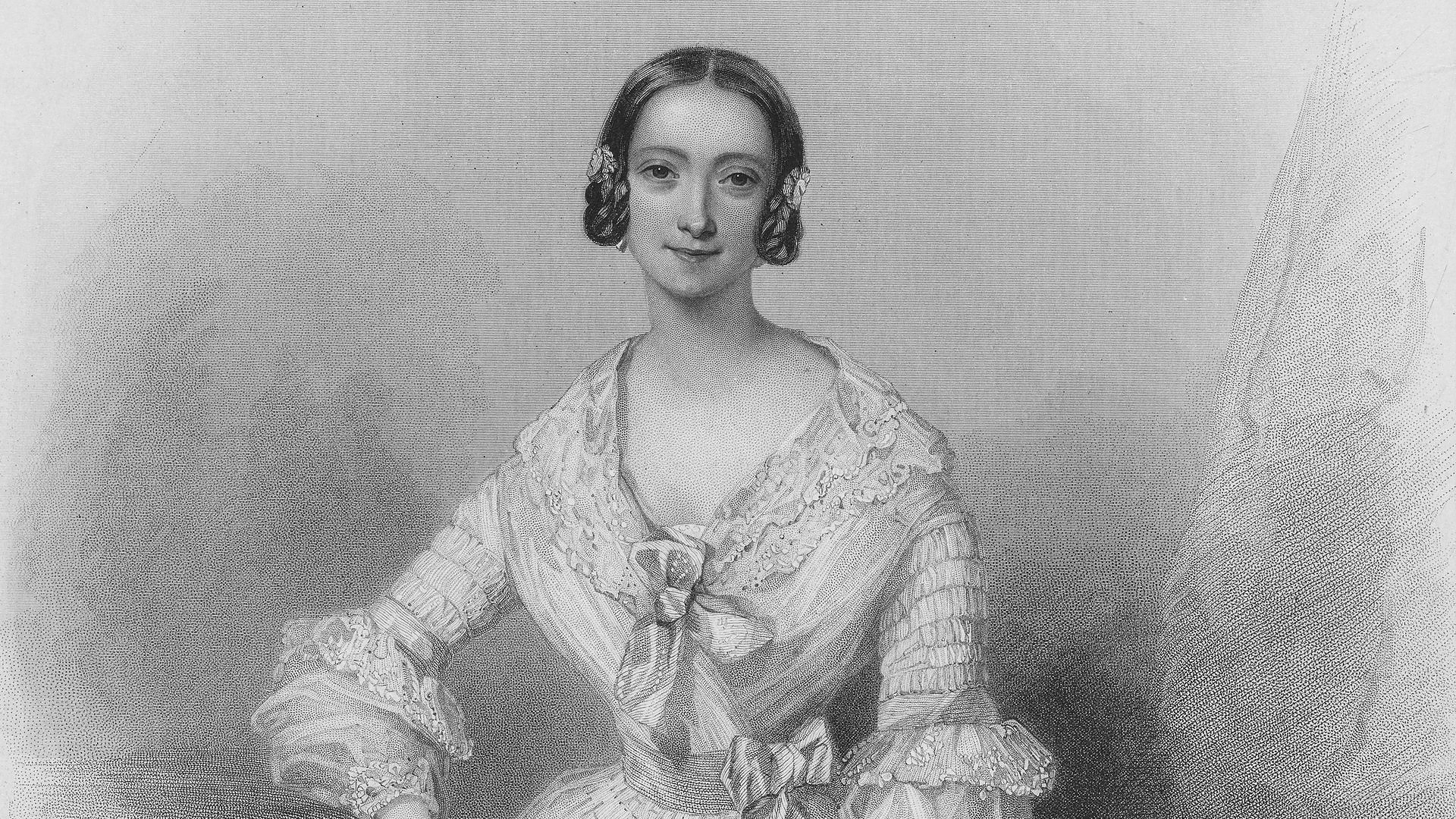
10. Marie Taglioni
🩰 Era: Early Romantic · 🎭 Signature: Pioneer of the romantic tutu and pointe image · ⭐ Why it matters: Founded modern ballerina silhouette
Marie Taglioni’s name belongs to the foundational vocabulary of classical ballet: the Romantic-era silhouette and the idea of the ethereal, pointe-centered ballerina are inseparable from her historic presence on stage. Her artistic identity shaped expectations for technique, costume, and the role of the ballerina in 19th-century repertory.
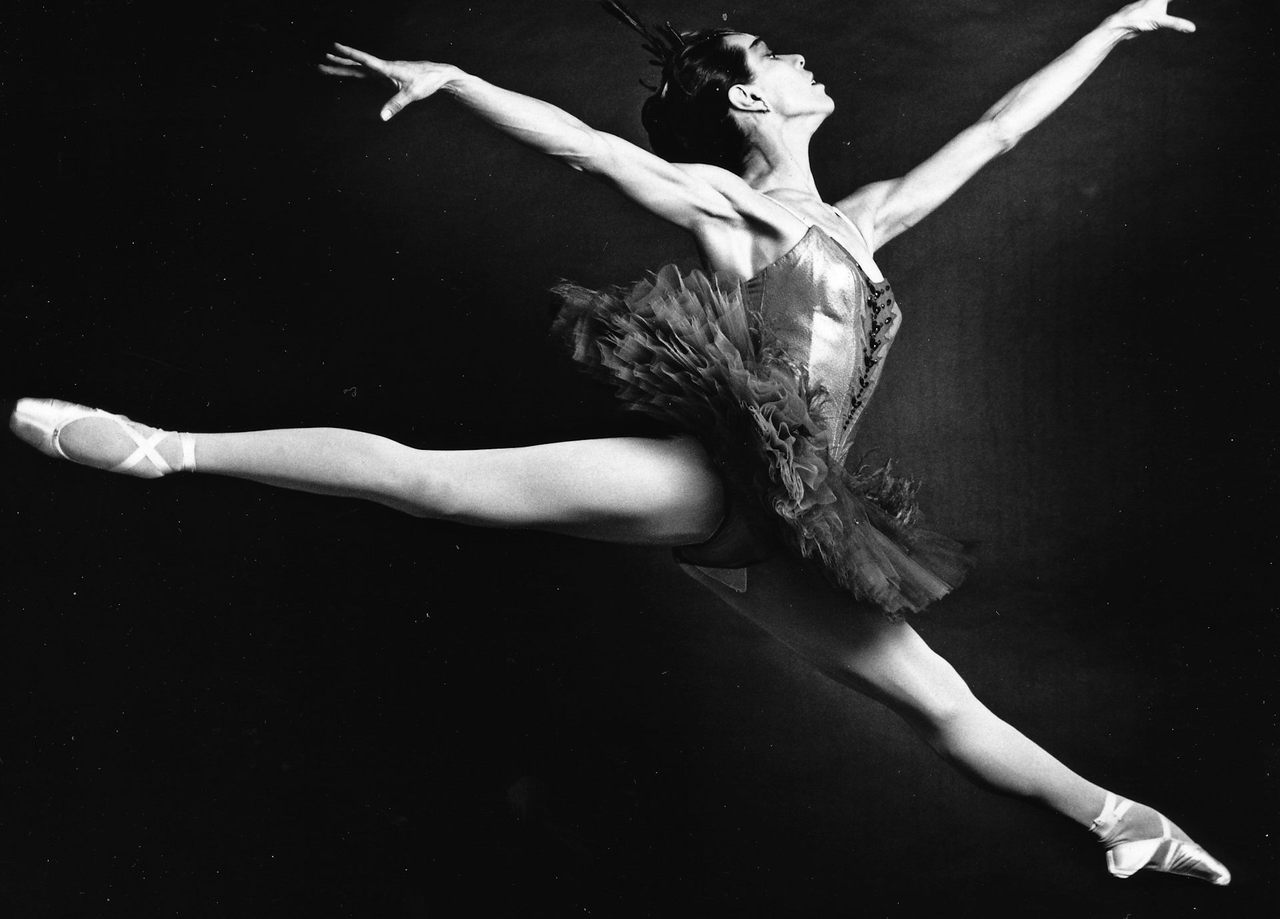
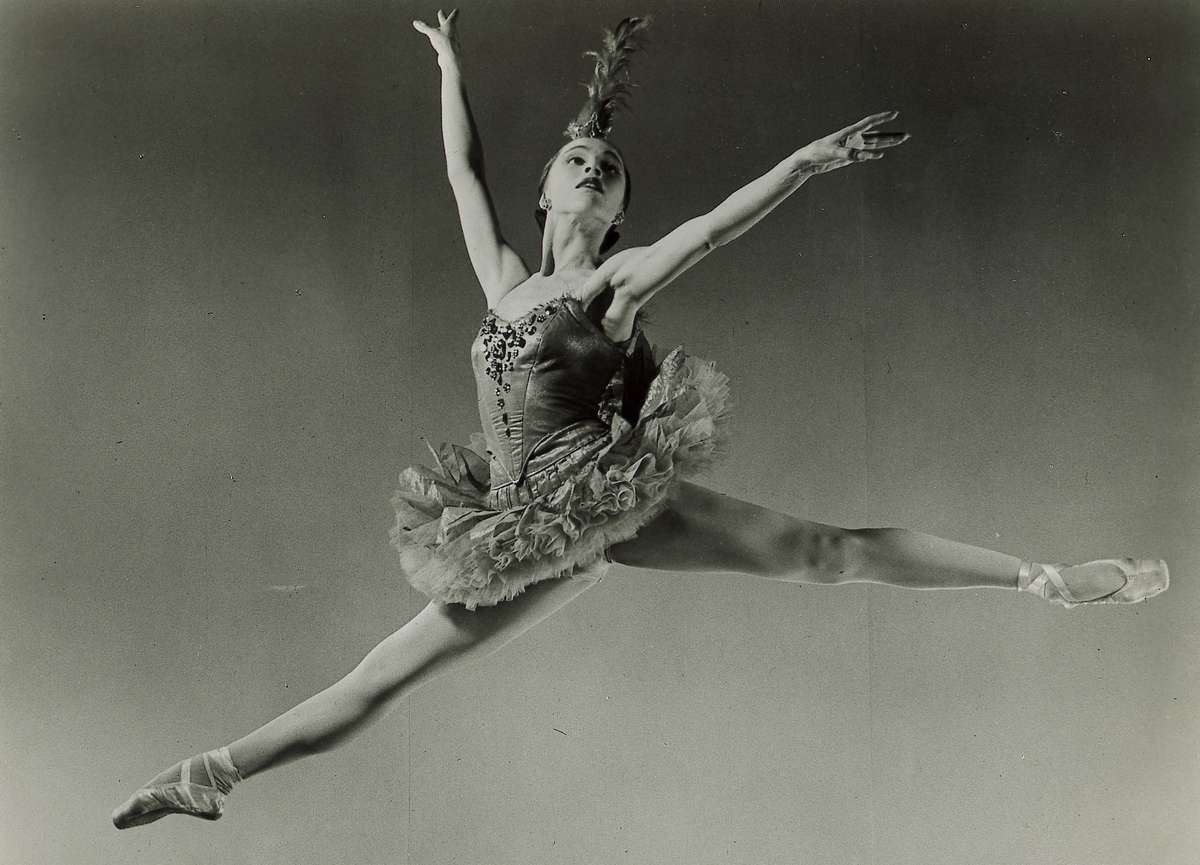
9. Maria Tallchief
🩰 National tradition: American · 🏛️ Company context: Early prominence in American ballet development · ⭐ Why it matters: Key figure in US ballet history and repertory expansion
Maria Tallchief appears repeatedly in historical roundups as a formative figure for American ballet. Her career helped establish high classical standards in US companies and encouraged new repertory and choreographic collaborations that defined mid-20th-century American dance.
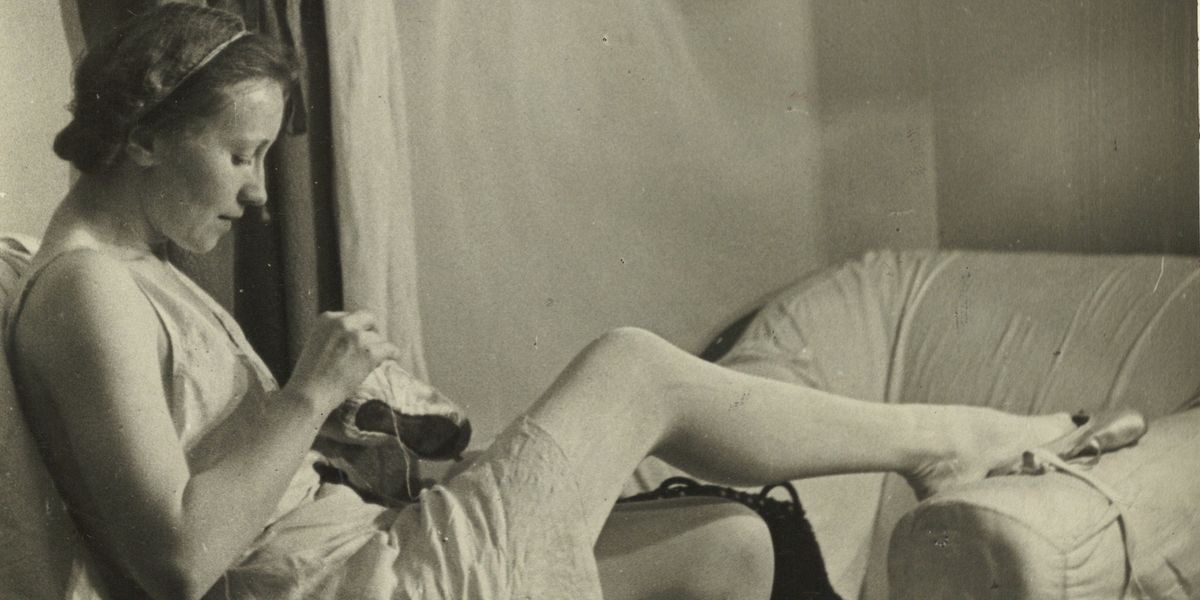
8. Galina Ulanova
🩰 Signature role: Swan Lake and Giselle associations · 📅 Era: 20th-century Russian tradition · ⭐ Why it matters: Canonized interpreter of classic dramatic roles
Galina Ulanova is consistently praised in reference works for her interpretations of Swan Lake, Giselle and other central classics. Her dramatic approach and reputational weight in Russian repertory made her a touchstone for 20th-century interpretations of canonical roles.
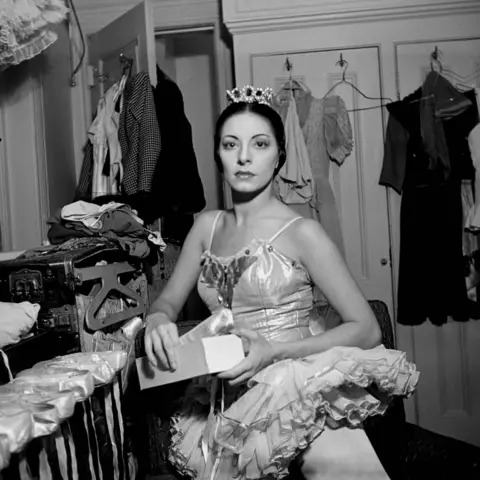
7. Alicia Alonso
🏛️ Founder: Ballet Nacional de Cuba · 📍 National tradition: Cuban · ⭐ Why it matters: Internationally renowned and institution-building figure
Alicia Alonso is documented as a central figure in 20th-century ballet and as founder of Ballet Nacional de Cuba. Her international reputation and institutional role link performance artistry with company-building and national repertory identity.
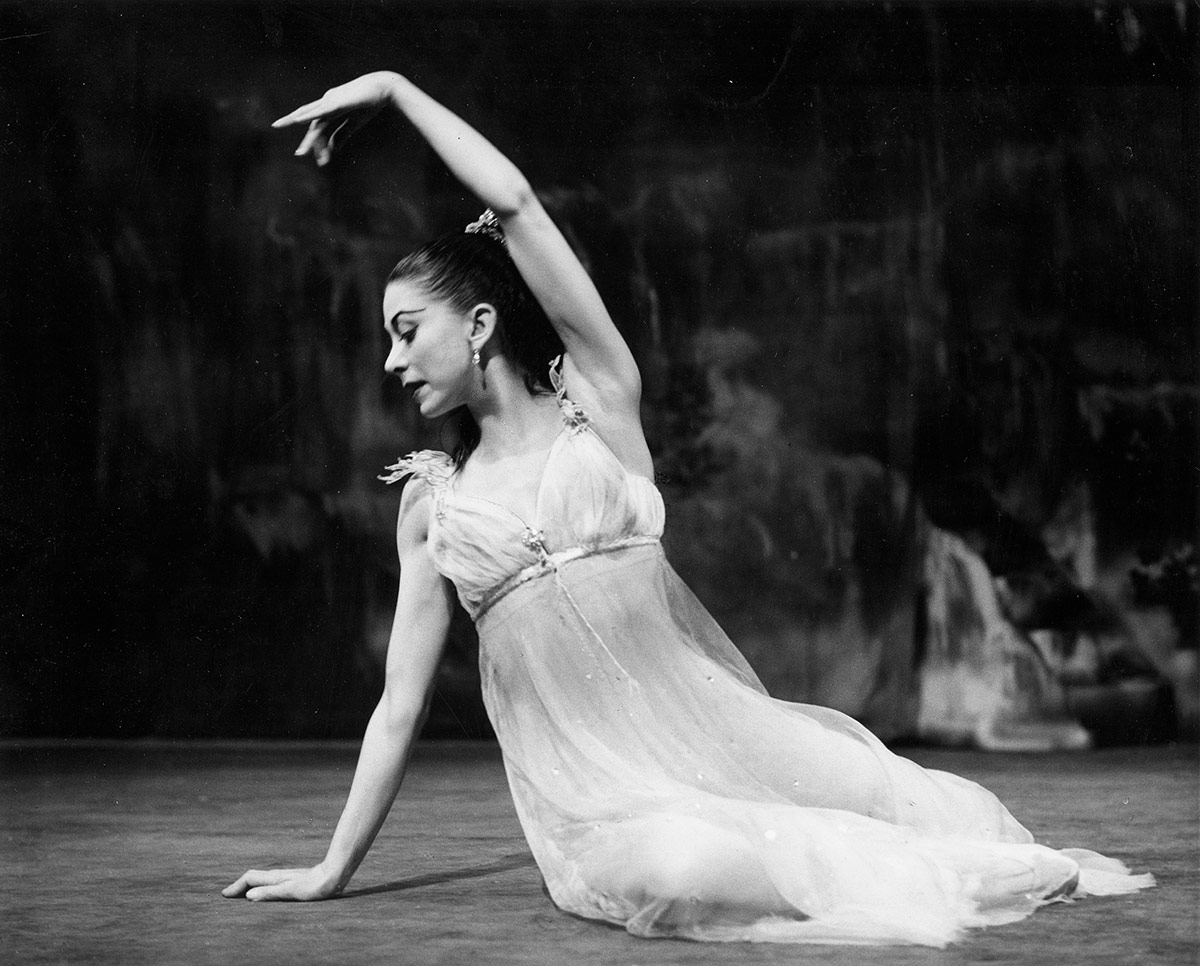
6. Margot Fonteyn
🏛️ Company: The Royal Ballet association · 📅 Era: 20th-century international star · ⭐ Why it matters: Iconic interpreter and cultural ambassador for the Royal Ballet
Margot Fonteyn is consistently described in reputable press as one of the 20th century’s pre-eminent ballerinas. Her long association with The Royal Ballet and her status as an international star make her central to modern perceptions of classical performance and repertory standards.
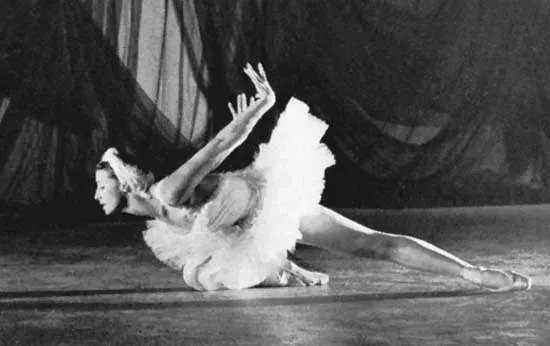
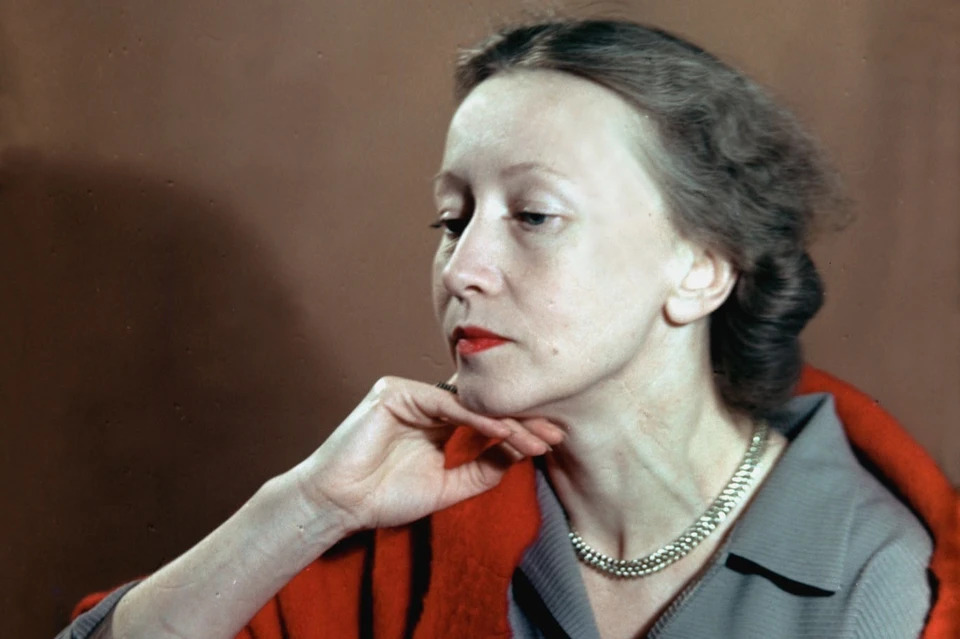
5. Maya Plisetskaya
🩰 Reputation: Technical virtuosity and dramatic presence · 📅 Era: Leading Soviet/Russian prima ballerina · ⭐ Why it matters: Redefined virtuosity and dramatic scope in 20th-century Russian ballet
Maya Plisetskaya is regarded by major encyclopedias as a leading Soviet and Russian prima ballerina. Her combination of technical brilliance and theatrical force expanded the vocabulary of dramatic solo work and left a strong imprint on Russian repertory.
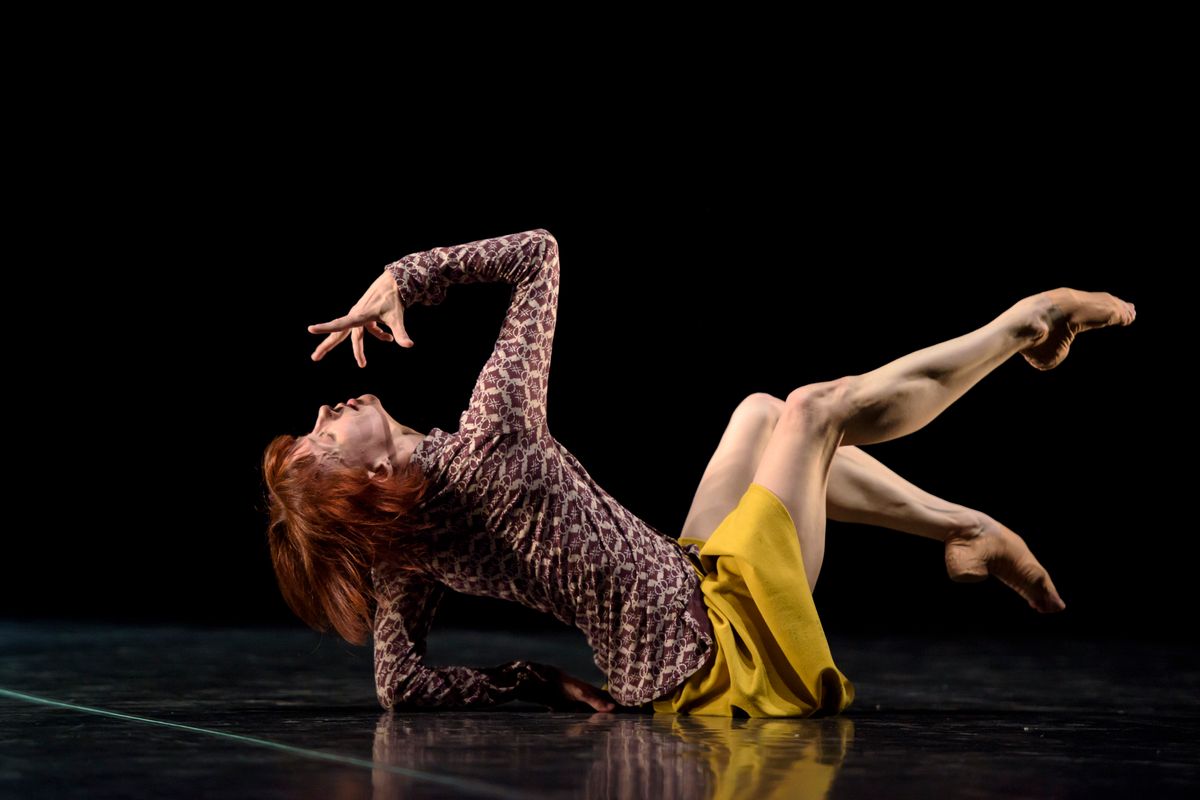
4. Sylvie Guillem
🩰 Era: Late 20th–early 21st century · ⭐ Key note: Technical exceptionalism · 🎭 Why it matters: Influential modern virtuoso cited by major arts institutions
Sylvie Guillem is recognized by major arts awards and institutional profiles as one of the most technically exceptional and influential ballerinas of her generation. Her career bridged classical purity and contemporary exploration, reshaping expectations for technical range in modern dancers.
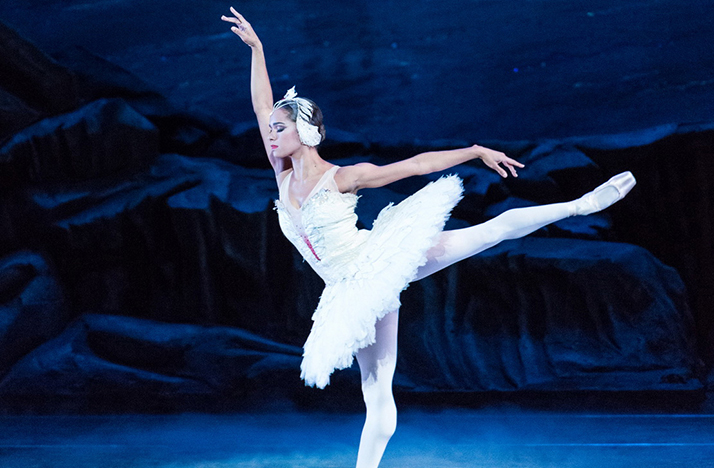
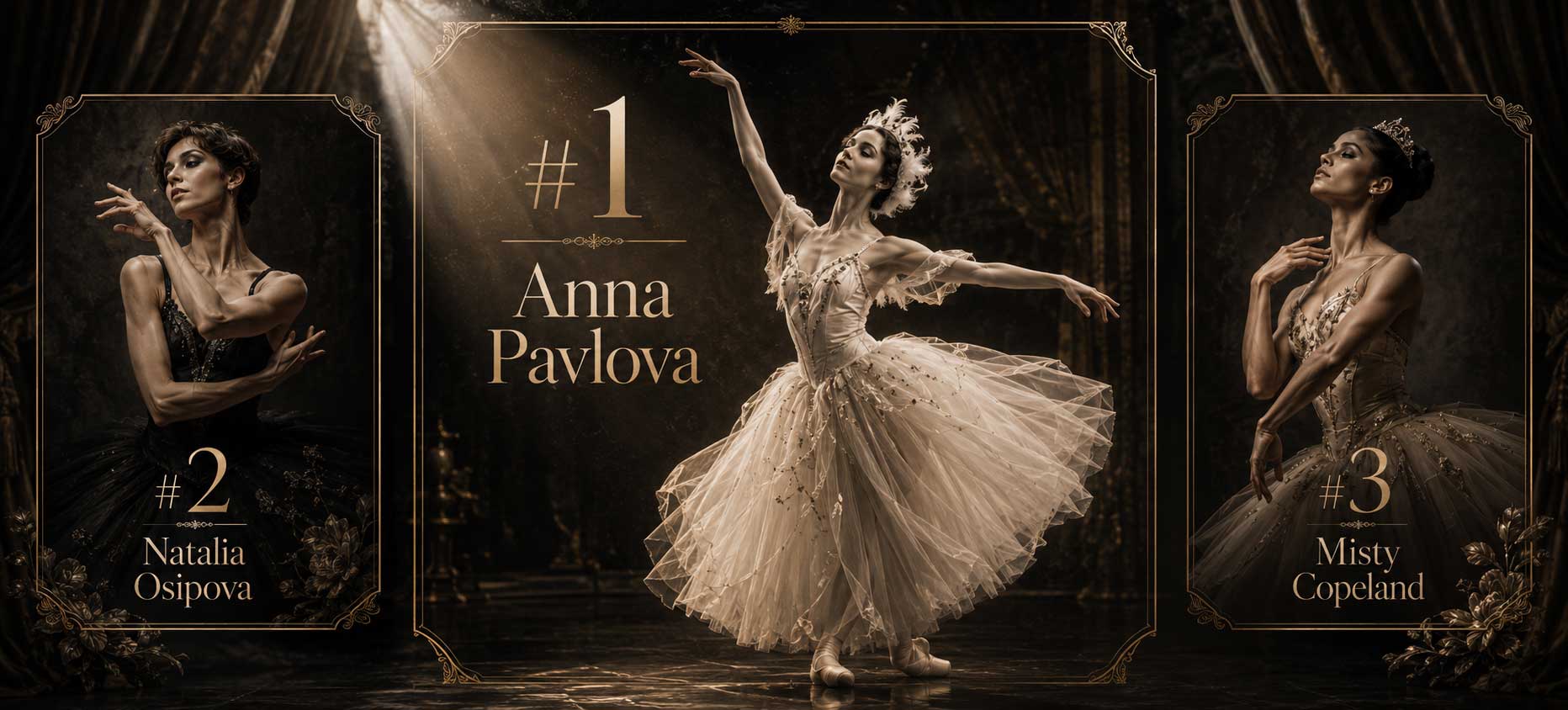
3. Misty Copeland
🩰 National tradition: American · 🏛️ Company context: Cited for leadership in US ballet discourse · ⭐ Why it matters: Contemporary cultural impact and visibility
Misty Copeland is widely cited in reputable press and institutional biographies as a leading and influential dancer of her generation. Her visibility and cultural impact have prompted broader public conversations about representation and the modern image of the ballerina.
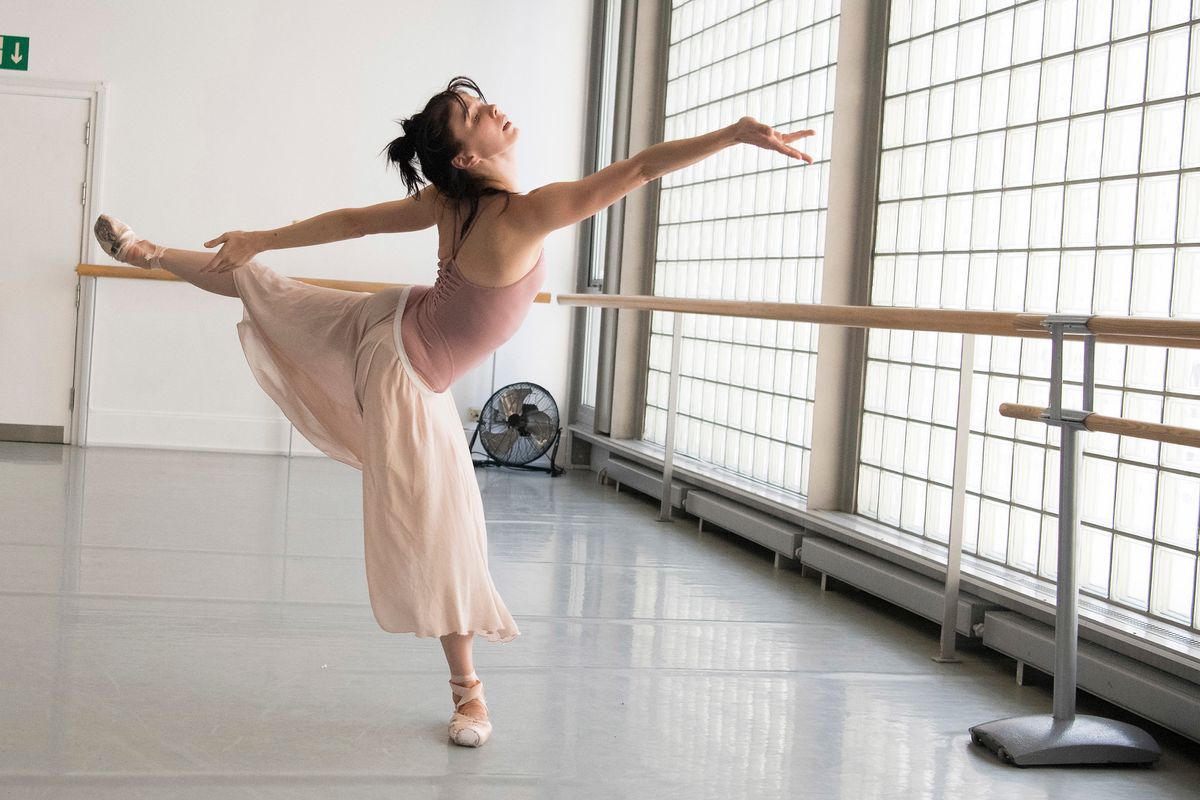
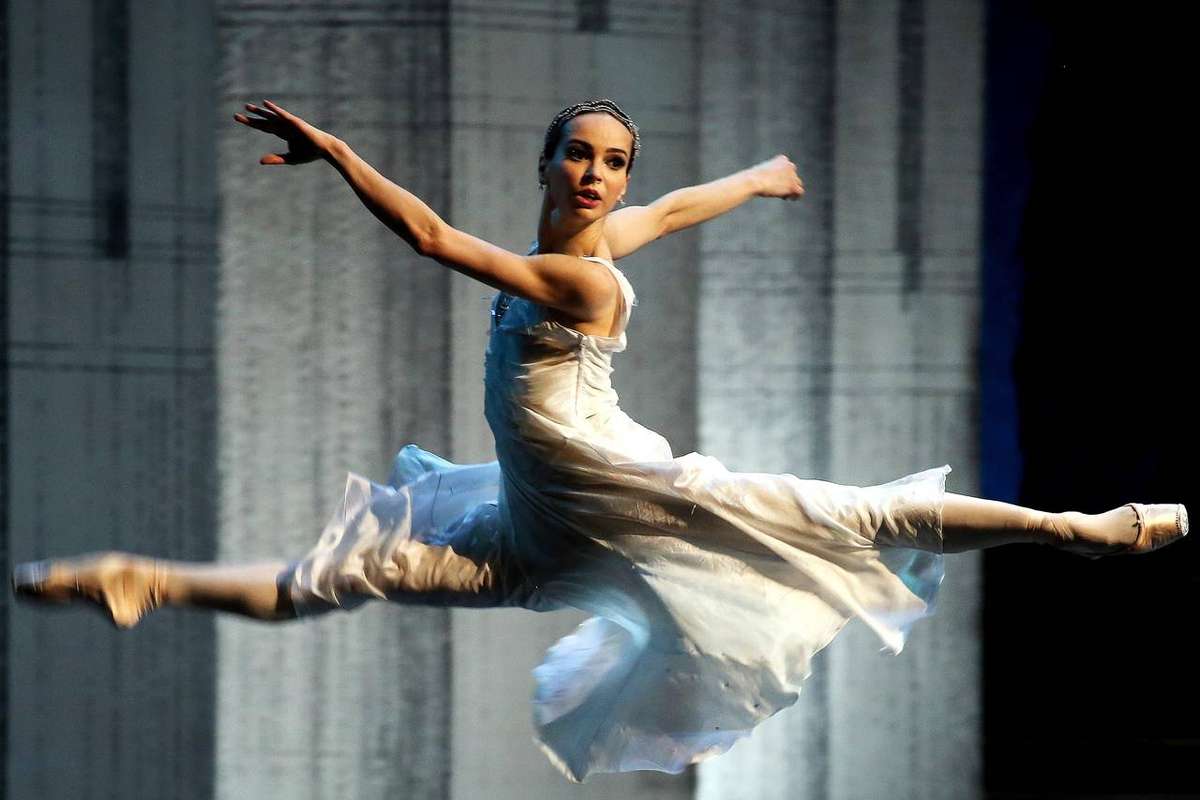
2. Natalia Osipova
🩰 Reputation: Leading contemporary Russian ballerina · ⭐ Why it matters: Frequently cited as a top contemporary performer in modern roundups
Natalia Osipova is commonly included in modern lists of notable ballerinas and is recognized in press and institutional materials as a leading performer of her generation. Her dynamic stage presence and repertory versatility make her a touchstone for contemporary audiences and critics.
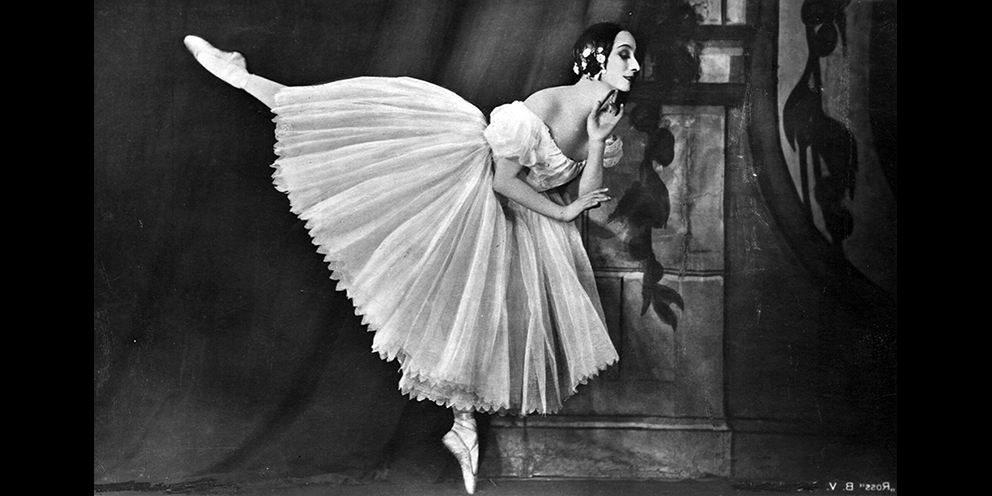
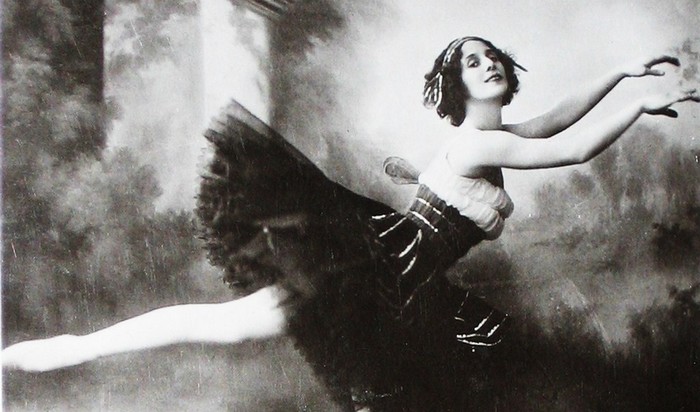
1. Anna Pavlova
🩰 Era: Early 20th century · 📅 Lifespan: 1881–1931 · ⭐ Why it matters: Widely recognized by authoritative references as one of the greatest and most influential prima ballerinas
Anna Pavlova stands out in authoritative reference works as one of the most influential prima ballerinas of the early 20th century. Her enduring name in encyclopedias and histories, and the way she shaped public imagination of the ballerina, make her a defensible choice for #1 in a ranking that privileges documented legacy and cultural memory.
What this ballet ranking tells us
Placing these ten names in sequence is necessarily editorial: the order gives more weight to documented historical stature and repertory-defining roles at the top, while acknowledging that living and recent dancers rank highly for contemporary cultural impact and technical innovation. Ballet rankings change depending on whether you prioritise historical influence, repertory centrality, technical daring or cultural visibility — and that debate is part of how ballet history remains active.